


 简体中文
简体中文  English (UK)
  Русский
  العربية
  日本語
日本語  한국어
한국어  Magyar
  Türkçe
  Español
  Čeština
  Svenska
  Português
  Ελληνικά
  Suomi
Suomi  Nederlands
  Română
  Italiano
  Français
  Polski
  Українська
  Deutsch
  Slovenčina
 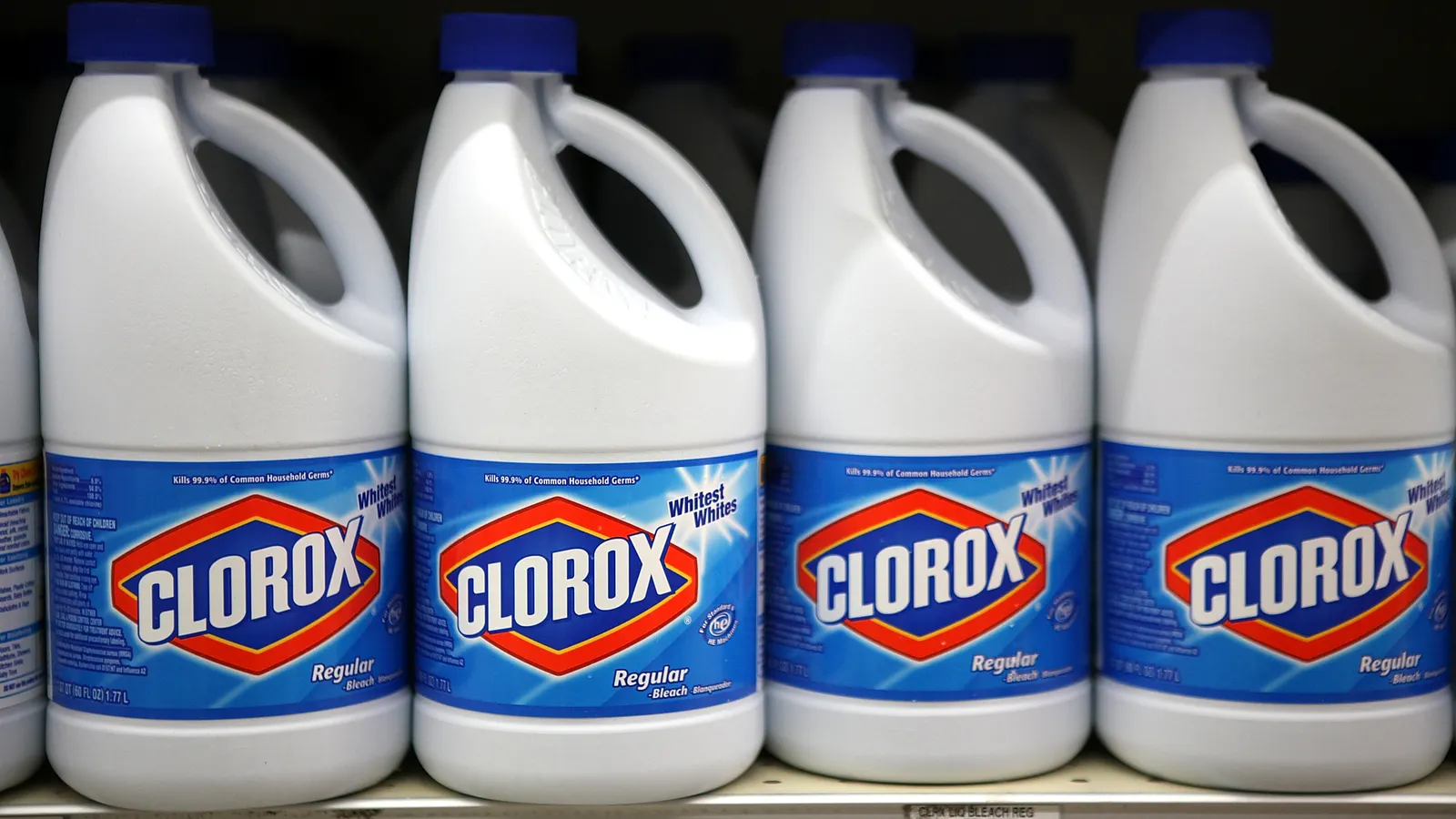 How Clorox Navigated ERP System Challenges to Stabilize Inventory and Support Supply Chain">

ERP Migration and its Impact on Inventory
In a strategic move to improve operations, Clorox undertook a significant shift in migrating its U.S. supply chain and business processes to a new enterprise resource planning (ERP) system. To buffer against potential disruptions from this complex transition, the company proactively increased the inventory held at retail locations by an additional 1.5 weeks on top of the usual four weeks’ worth of stock.
Inventory Strategy to Mitigate Risks
This inventory bolstering was not merely cautious—it was a calculated step to prevent supply blockages and shortages that often stem from IT system rollouts of such magnitude. Executives confirmed that this plan paid off, as it helped avoid major destocking, which can be a warning sign of supply chain stress.
Recovery and Results Post-Implementation
Despite the expected hurdles, Clorox has largely corrected the inventory imbalances caused during the ERP implementation. According to leadership, the company has “largely recovered” these imbalances, signaling strong operational resilience. While some additional expenses were incurred due to the slower ramp-up of the system, these were offset by improved gross margins anticipated in the latter half of the year.
The Scale and Significance of the ERP Upgrade
The ERP upgrade formed part of an ambitious, five-year digital transformation initiative valued at around $500 million, aimed at modernizing Clorox’s entire enterprise data infrastructure. Such a comprehensive overhaul is a double-edged sword in logistics and supply chains—it promises more streamlined operations and real-time visibility but carries high risk if rollout processes stumble.
Unexpected staff adaptability and problem-solving were pivotal in navigating the transition’s complexity. The company views this milestone as a significant leap forward in operational capability, enabling better demand fulfillment and inventory management across channels.
Broader Context: Other Industry Movements
Clorox’s journey reflects a wider trend among manufacturers upgrading ERP systems, with similar large-scale investments occurring at companies like Mondelēz International and Lamb Weston. These undertakings underscore the essential nature of upgraded digital infrastructures in modern supply chains — core to handling the intricate dance of freight, shipment, and distribution with ever-increasing reliability.
Implications for Logistics and Supply Chain Management
From a logistics standpoint, Clorox’s experience highlights several key lessons:
- Inventory Planning: Proactive inventory increases can serve as a cushion during systemic changes, reducing risks of stockouts and service disruptions.
- System Integration Risks: ERP implementations are complex and often affect supply chains unpredictably, requiring careful monitoring and contingency planning.
- Financial and Operational Balance: Temporary cost increases are sometimes necessary but can be managed to maintain profitability and service quality.
- Data Infrastructure Benefits: Enhanced ERP systems offer longer-term gains in logistics efficiency, visibility, and responsiveness.
Table: Key ERP Transition Phases and Clorox Responses
| Phase | 挑战 | 采取的行动 | Outcomes |
|---|---|---|---|
| Pre-Implementation | Anticipated supply chain disruption | Increased retailer inventory by 1.5 weeks | Mitigated potential supply shortages |
| Implementation | Slower ERP ramp-up than planned; demand fulfillment issues | Additional operational expense investment | Handled disruptions without impacting quarterly earnings |
| Post-Implementation | Inventory imbalances and system stabilization | Focused on recovery of inventories and operational adjustments | Restored normal inventory levels; improved margins expected |
Reflections on ERP Transitions in Modern Supply Chains
ERP system upgrades are a critical phase for any company relying on complex supply chains, logistics, and freight management. They promise improved coordination across sourcing, manufacturing, transportation, and distribution—but require significant change management and a bit of patience. The Clorox case serves as proof that with foresight and resilience, even a huge digital overhaul can be tackled without causing catastrophic disruptions.
Expertise and Adaptability at the Core
One takeaway is clear: technology alone doesn’t solve supply chain problems—it’s the people behind those systems who make the difference. Clorox’s teams showed agility, adapting quickly to unforeseen challenges, ensuring continuity in shipping and inventory management.
Beyond the Numbers
Financial figures and operational metrics tell one side of the story, but the day-to-day adjustments and human effort are the unsung heroes in transitions. Keeping a steady hand on the logistics tiller during such storms is no small feat.
Why Personal Experience Beats Even the Best Data
While comprehensive reviews and candid feedback on ERP migrations can shine a light on typical pitfalls and best practices, they can’t entirely replace firsthand experience. Each logistics operation has unique nuances, and what works smoothly in one case might feel like herding cats in another. This makes platforms like GetTransport.com invaluable. Users can leverage reliable, affordable, and global transport services tailored to diverse shipping needs—whether it’s home moves, office relocations, or bulky freight like vehicles and furniture.
GetTransport.com combines broad choice with transparent pricing so decision-makers avoid costly surprises and ensure timely shipment and delivery. Navigating logistics during technological upgrades calls for dependable transport partners, and that’s exactly what GetTransport.com offers. Book your Ride on GetTransport.com.
Future Outlook: ERP Transitions and Their Impact on Global Logistics
In the grand scheme of global logistics, Clorox’s ERP transition is just one piece of a bigger puzzle. While it may not cause seismic shifts worldwide, it underscores the necessity of smooth digital infrastructure upgrades in maintaining efficient freight and shipment flows. Companies with robust ERP systems can better manage their delivery, forward freight, and container distribution, making them resilient in a fluctuating market.
For service providers and cargo movers, understanding how these implementation stories unfold helps anticipate needs and improve haulage and courier strategies. GetTransport.com remains committed to staying updated on such developments, ensuring users have access to the best rates and the smoothest transport experience despite shifting operational landscapes. Start planning your next delivery and secure your cargo with GetTransport.com.
结论
Clorox’s journey through its ERP system implementation highlights the critical role of proactive inventory management and the importance of resilience within supply chains. While the transition presented challenges, the company managed to restore balance in inventory levels and is on track for profitable operations in subsequent quarters. Such transformations reaffirm the value of robust data infrastructure in modern logistics and supply chain operations.
In the realm of freight, shipment, and cargo transport, these insights resonate with businesses across industries seeking reliable, efficient operations. Platforms like GetTransport.com offer tailored, global solutions to meet diverse moving and shipping needs, from housemoves to the transport of bulky goods. Their reliable and cost-effective services simplify the complex logistics journey, complementing the lessons learned from this case.