


 简体中文
简体中文  English (UK)
  Русский
  العربية
  日本語
日本語  한국어
한국어  Magyar
  Türkçe
  Español
  Čeština
  Svenska
  Português
  Ελληνικά
  Suomi
Suomi  Nederlands
  Română
  Italiano
  Français
  Polski
  Українська
  Deutsch
  Slovenčina
 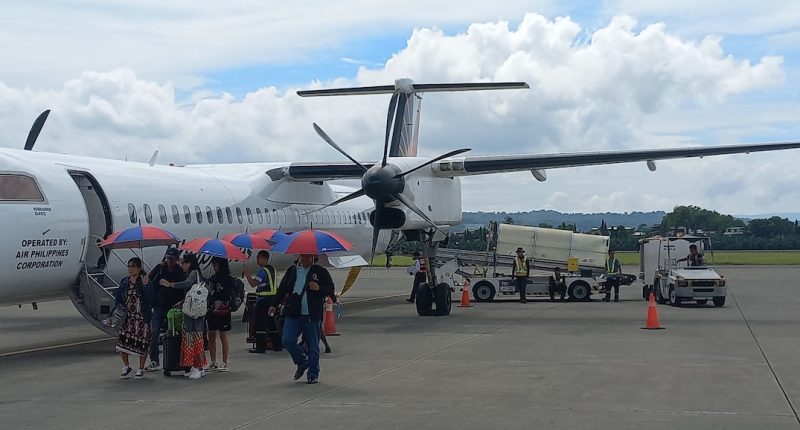 January 2026 Fuel Surcharge Steady as Aviation Board Maintains Level 4 Rates for Flights and Cargo">

Fuel Surcharge Stability in Early 2026
As the new year rolls in, airfares remain steady thanks to the Civil Aeronautics Board’s (CAB) decision to maintain the fuel surcharge at Level 4 during January 1-31, 2026. This marks the sixth consecutive month without any changes, offering a welcome bit of predictability in the often unpredictable world of air travel costs.
Understanding Level 4 Fuel Surcharge
Fuel surcharges are additional fees airlines may add to ticket prices to offset rising jet fuel costs. For January 2026, CAB’s Resolution No. 25 sets a cap with Level 4 surcharges, designed to help airlines cover fluctuating fuel expenses without passing on excessive costs to passengers or freight clients.
The fuel surcharge varies depending on the distance and nature of the flight, neatly categorized for both passengers and cargo by CAB:
| 类别 | Fuel Surcharge Range (Pesos) | 说明 |
|---|---|---|
| Domestic Passenger Flights | P117 to P342 | Charged per passenger based on distance |
| International Passenger Flights | P85.70 to P2,867.82 | Charged per passenger, varying widely with distance |
| Domestic Cargo Flights | P0.60 to P1.76 per kilogram | Based on actual weight, applies only to one-way flights |
| International Cargo Flights from the Philippines | P1.98 to P14.74 per kilogram | Focus on cargo in aircraft hold with airway bill |
Fuel Surcharge Application and Policies
To apply or continue applying these surcharges, airlines must submit their requests to CAB before their planned implementation dates. These rates are also converted for foreign currency transactions using a set exchange rate of $1 to P58.91 for January.
Interestingly, the surcharge is not considered part of the base airfare, meaning it can fluctuate or even be removed if jet fuel prices fall below a certain threshold (below P21 per liter). This policy aligns with international practices, ensuring transparency and fairness to passengers and cargo owners alike.
Limits and Coverage
- The surcharge applies uniformly to all passengers on a flight segment, except infants who don’t occupy seats.
- For cargo, it only affects freight carried in the airplane’s cargo hold on combination passenger-cargo flights, backed by official airway bills.
- Checked baggage and passenger luggage are exempt from these surcharges.
- On international flights departing from the Philippines, the surcharge can be charged in any equivalent foreign currency.
The Impact on Airfares and Logistics Operations
Fuel surcharge stability means airlines do not face sudden cost spikes related to jet fuel prices, allowing them to maintain steady pricing for consumers and cargo clients. For logistics professionals and businesses, this stability is important when budgeting for air freight and coordinating shipment schedules.
Stable surcharges translate directly into predictable logistics costs, which are vital given the complex networks and planning required in international freight forwarding, haulage, and cargo shipping. Freight managers especially benefit, as even minor fluctuations in fuel fees can significantly impact overall logistics budgets for bulky or heavy goods.
Why This Matters for Cargo Transporters
Air cargo often rides in the belly holds of passenger flights. With fuel surcharges accounted for in the cargo pricing matrix, transporters must understand these additional costs when contracting services for moving goods such as large pallets, parcels, or bulky equipment globally.
For companies orchestrating warehouse-to-airport handoffs or managing international housemoves and relocations, having a transparent and consistent surcharge structure helps prevent unexpected expenses that could derail tight delivery schedules.
Summary Table: Key Fuel Surcharge Rules for January 2026
| Aspect | 摘要 |
|---|---|
| Surcharge Level | Level 4 capped rate |
| Evaluation Frequency | Monthly, with a minimum 15-day notice before changes |
| Passengers | Uniform surcharge per flight segment; infants without seats exempt |
| 货物 | Applies only to official airway bill shipments in cargo holds |
| Currency | Can charge in local Peso or equivalent foreign currency for international departures |
| Price Threshold | No surcharge if jet fuel average price falls below P21/liter |
Taking the Wheel: Personal Experience Trumps Even the Best Feedback
While official resolutions and rates offer a clear picture of current fuel surcharge policies, nothing beats firsthand experience when it comes to truly understanding how these affect your transportation needs. Whether you’re moving household goods, shipping valuable cargo, or performing a complex distribution task, dealing directly with available services informs the best choices.
With platforms like GetTransport.com, users gain access to a broad network of cargo transportation options globally—be it for office moves, bulky shipments, vehicle transport, or parcel delivery—at competitive prices. Transparent rates paired with diverse choices let shippers plan efficiently without breaking the bank or facing surprise fees. This convenience and affordability empower smart logistics decisions every time. 预订乘车 关于 GetTransport.com.
Looking Ahead: The Outlook for Fuel Surcharges and Global Logistics
On a global scale, steady fuel surcharges provide a measure of pricing stability that helps logistics companies plan long-range strategies and streamline supply chains. While this update may not shake the entire worldwide transport industry overnight, it certainly underscores the importance of clear communication and regulatory consistency in air freight fuel costs.
For freight managers and individuals alike, staying informed about such decisions keeps the complex dance of shipment forwarding, haulage, and parcel delivery running smoothly. GetTransport.com remains vigilant in tracking all pertinent developments to ensure users benefit from the most up-to-date, cost-effective, and hassle-free cargo transportation possibilities. Start planning your next delivery and secure your cargo with GetTransport.com.
Conclusion: Keeping Airfares and Cargo Costs Predictable
Maintaining the Level 4 fuel surcharge in January 2026 means airfares and cargo shipment costs will remain consistent, helping airlines and logistics operators manage budgets without sudden price swings. The fuel surcharge framework introduced by CAB balances the need for airlines to cover fluctuating fuel expenses while providing passengers and freight customers transparent and fair fees.
For those in logistics, freight forwarding, and international transport, such predictability is priceless. Thanks to platforms like GetTransport.com, individuals and businesses can navigate the complexities of global shipping with confidence, enjoying reliable and affordable solutions for moving everything from bulky cargo to household goods across borders. That’s logistics made simple, efficient, and cost-effective—all in one place.