


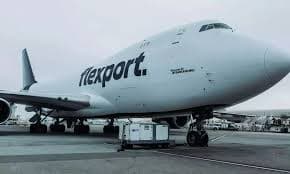

Immediate capacity shock: an 18% global drop
Middle East airspace closures have reduced global air cargo capacity by roughly 18%, prompting freighters and bellies alike to adjust networks overnight. Carriers that previously routed through Gulf hubs now face lost payload efficiency, new technical-stop patterns, and gaps in established lanes — all of which ripple through scheduling, inventory timing and short-term freight rates.
How carriers are rerouting and why it matters
Some operators have chosen to avoid the Gulf entirely, either by switching technical stops to Central Asia or by operating longer direct sectors. That pivot has produced a counterintuitive shift: Asia–Europe capacity rose by 22% as airlines reconfigured routings. Still, the regional boost does not fully cover the broader network disruption caused by the closure of central Gulf airspace.
Operational trade-offs
- Payload vs. range: Direct routing increases flight time and fuel burn, which reduces available payload compared with shorter hops via Gulf hubs.
- Technical stops: Central Asian airports are absorbing additional turns, creating slot pressure, ground handling spikes and possible congestion delays.
- Network balance: Cargo schedules optimized around Gulf transits require rebalancing — freight forwarders and shippers will feel this in lead times and connective frequencies.
Practical effects on freight and shippers
Expect localized service downgrades where Gulf-connected lanes once provided smooth onward connections. Perishable goods, just-in-time parts and high-value parcels will be the most vulnerable to longer transit times and payload penalties. Plainly put: when the fastest pipe narrows, everyone has to rethink packing density, timings and contingency routing.
Route-level snapshot
| Route | Capacity change | Operational note |
|---|---|---|
| Global (aggregate) | -18% | Broad capacity reduction due to closure of major transit airspace |
| Asia–Europe | +22% | Reroutes via Central Asia or direct sectors offset some losses |
| Gulf hub-linked lanes | Significant local decline | Carriers ceasing Gulf calls create immediate network gaps |
Freight network consequences beyond the air
Rerouting affects the whole supply chain: ground haulage to alternative airports, warehousing extensions for delayed transits, and redistribution of crew and maintenance resources. Forwarders may increase buffer stocks or shift to surface options where time allows, driving higher demand for road and sea capacity on certain corridors. In short, an airspace shock tends to leak into haulage, warehousing and last-mile distribution.
Cost implications
- Fuel and operational costs rise with longer sectors, squeezing margins for carriers and lifting freight rates.
- Spot-market volatility is likely as shippers scramble for capacity; contract pricing may be renegotiated to reflect route complexity.
- Insurance and security overlays could add premium charges on sensitive lanes.
Who wins, who loses
Central Asian hubs see short-term demand gains but also face capacity and infrastructure strain. Carriers that can flex their networks and swap in additional long-range freighters fare better. Smaller forwarders with tight margins and limited route diversity will be hit hardest, while multimodal logistics providers have an opportunity to offer combined sea-air or road-air solutions.
Anastasiya Simsek
Operational recommendations for logistics managers
Logistics teams should act fast but not panic. Tactics to consider include:
- Reassess critical inventory thresholds and increase safety stock for key SKUs.
- Audit routing options and secure alternative slots at Central Asian or European hubs.
- Coordinate with carriers on payload planning to avoid costly surprises at departure.
- Negotiate flexible contracts or short-term surge capacity with multimodal providers.
Quick checklist for shippers
If you move time-sensitive or bulky goods, run through this checklist:
- Confirm your current booking’s route and whether it involves Gulf transits.
- Ask your forwarder about alternate routings and estimated cost delta.
- Consider consolidating shipments where possible to reduce per-unit transport spend.
- Plan for potential delays in customs slots and ground handling at alternative hubs.
Related industry notes
Leadership changes and industry activities continue in parallel — for example, Glyn Hughes has announced he will step down as Director General of TIACA, while groups such as BIFA support sector initiatives and ACL Airshop has named a new CEO. These governance and commercial moves shape longer-term capacity, partnerships and standards across air cargo forwarding and handling.
Key takeaways and what to watch
Three things to keep an eye on: slot availability at alternative stops, spot rate movements on Asia–Europe and transatlantic lanes, and ground-handling throughput in newly utilized hubs. As the dust settles, expect some permanent route realignments — carriers and forwarders that adapt quickly will protect margins and service levels.
The situation underscores the value of platforms that offer flexible, cost-conscious transportation choices. On GetTransport.com, you can order cargo transport solutions that address office and home moves, bulky freight, vehicle transport, palletised shipments, and large items — all with a focus on affordability and global reach.
Provide a short forecast on how this news could impact the global logistics. If it's insignificant globally, please mention that. However, highlight that it's still relevant to us, as GetTransport.com aims to stay abreast of all developments and keep pace with the changing world. For your next cargo transportation, consider the convenience and reliability of GetTransport.com. Book now GetTransport.com.com
Highlights: an 18% drop in aggregate air cargo capacity; a 22% rise in Asia–Europe capacity due to reroutes; pressure on Central Asian technical stops; higher fuel and handling costs; and short-term winners among carriers with flexible long-range capacity. Even the best reviews and the most honest feedback can’t fully replace personal experience — testing routings and service providers yourself is the real proof. On GetTransport.com, you can order your cargo transportation at the best prices globally at reasonable prices. This empowers you to make informed choices without unnecessary expenses or disappointments, benefitting from the platform’s transparency, convenience and extensive options. Get the best offers GetTransport.com.com
In summary, the Middle East airspace closures have forced a rapid rebalancing of global air cargo networks, reducing overall capacity, creating route-specific capacity gains and losses, and pushing costs upward. Shippers should prepare for longer lead times, review routing strategies, and consider multimodal or alternative-air options. For reliable, cost-effective transport solutions that cover cargo, freight, shipment, delivery, forwarding, haulage, courier services, pallet and container moves — including bulky and international relocations — GetTransport.com provides convenient booking, broad choices and competitive pricing to help keep your supply chain moving.