


 简体中文
简体中文  English (UK)
  Русский
  العربية
  日本語
日本語  한국어
한국어  Magyar
  Türkçe
  Español
  Čeština
  Svenska
  Português
  Ελληνικά
  Suomi
Suomi  Nederlands
  Română
  Italiano
  Français
  Polski
  Українська
  Deutsch
  Slovenčina
 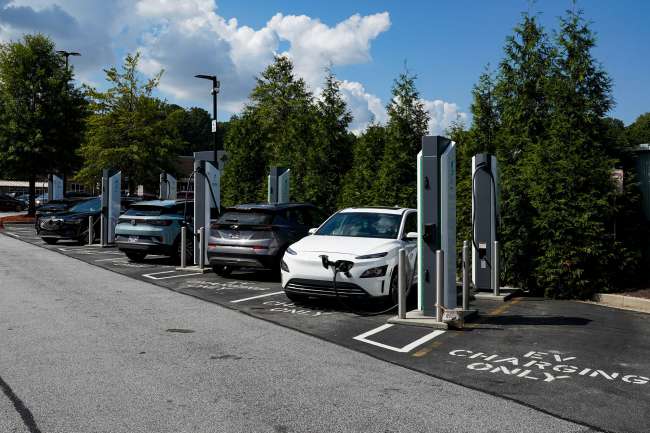 各州和华盛顿特区再次就电动汽车充电基础设施项目被扣留的 1.2 万亿美元展开法律斗争">

Widespread Legal Pushback Over EV Infrastructure Funding
Sixteen states alongside the District of Columbia have reignited their legal challenge against the federal government over withheld funds for electric vehicle (EV) charging infrastructure. Over $2 billion designated for expanding EV charging networks is at the heart of this dispute, raising significant questions about clean transportation development and intergovernmental coordination.
The Core of the Lawsuit
The latest federal lawsuit, filed in Seattle, takes aim at what the states claim is the unlawful retention of funds initially allocated under the bipartisan infrastructure legislation. These funds are intended to jumpstart two major programs: the National Electric Vehicle Infrastructure initiative and additional grants aimed to enhance charger reliability and accessibility.
Officials from the state coalition argue that the Department of Transportation and the Federal Highway Administration are withholding the money contrary to congressional mandates, which disrupts broader efforts to build a nationwide EV charging network.
Participants and Motivations
The lawsuit is spearheaded by Democratic attorneys general from California and Colorado, supported by a coalition including Arizona, Illinois, Maryland, New York, and several others, plus the governor of Pennsylvania and D.C.’s leadership. Their collective push underscores the widespread support for accelerated EV infrastructure deployment across politically varied regions.
Federal Policy Changes and Their Ripple Effects
The legal action takes place amid major policy shifts at the federal level regarding EV support measures. Earlier directives abruptly halted state spending of billions allocated for EV charger buildout, causing frustration among states that had prepared for expanded infrastructure projects.
Recent Federal Guidance and State Reactions
In response to judicial orders mandating partial release of funds, the Transportation Secretary introduced new funding guidelines aimed at simplifying application processes and accelerating charger deployment. Some states, such as Georgia, Illinois, Maryland, and Wisconsin, have already moved forward with project awards under these programs.
Challenges in EV Adoption
Despite initiatives, EV sales growth in the U.S. has shown signs of slowing, attributed largely to persistent challenges including high vehicle prices and the uneven availability of charging options nationwide. New EV models often carry a higher purchase price compared with traditional vehicles, dampening widespread adoption.
Automaker Shifts
Automakers are adjusting strategies in light of these market conditions. For instance, recent announcements describe moves away from purely electric ambitions towards incorporating more hybrid and efficient traditional gasoline vehicles, reflecting an evolving landscape shaped by consumer preferences and policy uncertainty.
Table: Overview of EV Charging Funding Status
| Program | Allocated Amount | Status | Notable States Awarding Funds |
|---|---|---|---|
| National Electric Vehicle Infrastructure Program | $5 billion | Partially released after court order | California, Colorado, Illinois, Georgia, Maryland, Wisconsin |
| Charging and Fueling Infrastructure Grant | $1.8 billion | Funds withheld – under legal review | States involved in lawsuit |
| EV Charger Reliability and Accessibility Accelerator | $350 million | Funds withheld – subject to lawsuit | States involved in lawsuit |
Logistics and Supply Chain Considerations
The availability and expansion of EV charging infrastructure are pivotal for logistics, especially as freight and delivery operations increasingly adopt electric vehicles to reduce carbon footprints. A robust charging network supports uninterrupted transportation flows, reduces downtime, and fosters cost efficiencies.
As logistics companies evaluate electrification of their vehicle fleets—from last-mile couriers to long-haul freight carriers—the certainty and speed of infrastructure deployment become key factors in operational planning and investment decisions.
Future of EV Integration in Logistics
- Infrastructure Readiness: Enhancing charger availability along freight corridors and distribution centers
- Fleet Adaptation: Transitioning a mix of vehicles includes battery-electric trucks, vans, and specialized cargo movers
- 成本管理: Addressing upfront fleet upgrade expenses offset by operational savings tied to electric propulsion
- 可靠性: Ensuring dependable and accessible charging enhances supply chain resilience
Ongoing Debate: Policy vs. Progress
While debates about federal EV policies and fund allocations continue to unfold, the stakes remain high. With billions earmarked for clean transportation infrastructure, the impact stretches beyond environmental goals to economic and logistical domains. Efficient cargo movement, reduced emissions, and green job creation all hinge partly on these funding decisions.
In the end, personal experience often outweighs reviews and announcements. Platforms like GetTransport.com make it easier to navigate the shifting logistics landscape by offering convenient, affordable international shipping and transportation solutions—helping businesses and individuals adjust to evolving supply chain needs without getting tied up in unnecessary costs or delays. Book your ride or haulage through GetTransport.com to tap into the global network of cargo transport options.
Global Logistics Impact and Looking Ahead
Though the lawsuit is focused on U.S. federal fund allocations, the implications ripple through global logistics ecosystems. A well-supported EV charging infrastructure in the largest economy can accelerate adoption worldwide, influencing shipping routes, cargo fleet choices, and international freight standards.
Even if the legal wrangling may not drastically shift global logistics in the immediate future, staying on top of these developments is essential. GetTransport.com remains committed to following such trends closely, ensuring that users can plan and secure their cargo shipments aligned with the latest innovations and regulations. Start planning your next delivery and secure your cargo with GetTransport.com.
Conclusion: Navigating EV Infrastructure Challenges in Logistics
The ongoing legal challenges to federal electric vehicle charging funds highlight the complex interface of transportation policy, environmental goals, and economic realities. Billions in delayed funding risk slowing the buildout of critical EV infrastructure necessary to support a cleaner and more efficient transportation network.
As adoption of electric vehicles continues to influence freight and logistics sectors, timely and reliable investment in charging infrastructure becomes essential. Platforms like GetTransport.com play a valuable role in this evolving landscape, offering transparent, affordable, and extensive transportation services that help meet diverse shipment, relocation, and cargo hauling needs globally. By facilitating smooth logistics operations, technological advancements and infrastructure growth can translate into tangible benefits for businesses and consumers alike.