


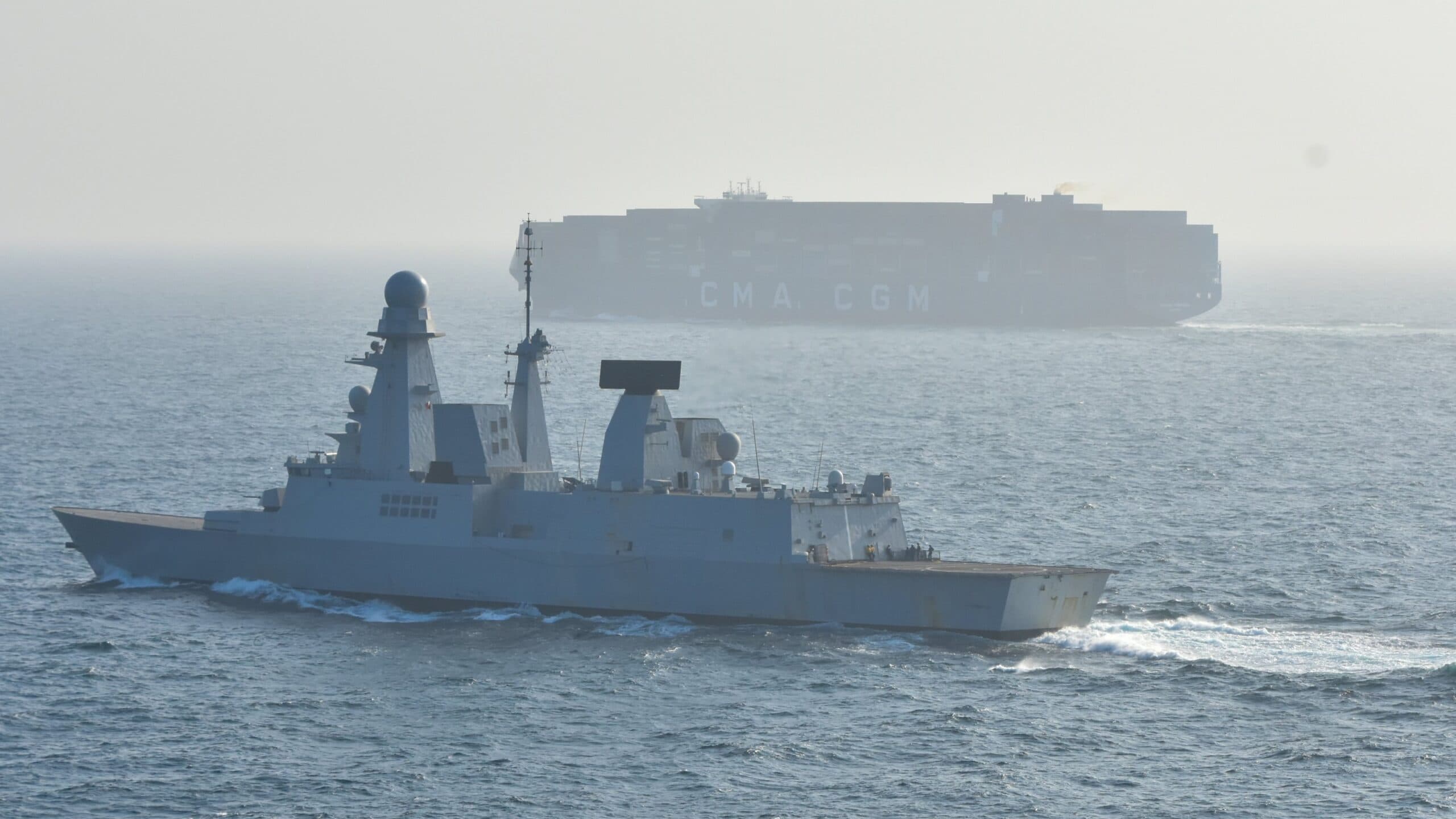

CMA CGM advisories to shelter ships and rerouting around the Cape of Good Hope are already shifting liner schedules: several sailings that normally use the Suez Canal have been suspended while transits through the Strait of Hormuz face temporary closures, creating immediate capacity and scheduling ripples for Asia–Europe and Middle East–Europe trades.
Operational effects on shipping lanes and schedules
With reports that Houthi forces intend to resume drone and missile attacks on Red Sea shipping and Iranian forces restricting vessel movement through the Strait of Hormuz, carriers are taking two blunt actions: withdraw voyages from exposed lanes and order ships to seek shelter in safer anchorages. Maersk has pulled some U.S. and other sailings from the Red Sea; CMA CGM instructed vessels within the Persian Gulf to head for shelter and paused planned Suez transits.
That translates into these immediate logistics outcomes:
- Longer transit times for affected trades — reroutes around the Cape of Good Hope add 7–14+ days depending on origin-destination.
- Higher fuel consumption and bunker costs due to extended voyages.
- Capacity compression on the shorter, safer routes causing rate volatility and potential blank sailings.
- Increased need for naval escorts and port-side contingency plans by terminals and freight forwarders.
Routes, delays and cost implications
| Route option | Typical time delta | Estimated cost impact | Security/Risk |
|---|---|---|---|
| Suez Canal (if open) | Baseline | Baseline | High exposure in Red Sea corridor |
| Cape of Good Hope reroute | +7 to +14 days | +15–30% freight & bunker costs | Lower direct missile/drone risk, higher piracy and weather exposure |
| Short-sea transshipment (hub shifts) | Varies; modal handoff delays | Moderate (additional handling and warehousing) | Depends on hub security and hinterland capacity |
Port and terminal capacity consequences
When ships are rerouted, the knock-on effect is felt ashore: anchorages swell, port windows tighten, and stevedores face compressed berth schedules. Expect to see stacking of containers, delays in import discharge, and backlogs in container yards that can ripple into inland distribution networks and last-mile delivery.
Practical steps for shippers and forwarders
- Reassess transit time expectations and add buffer days to delivery promises.
- Consider alternative modes or origin consolidation where feasible to avoid premium reroute surcharges.
- Lock flexible contracts with carriers and obtain real-time tracking and contingency clauses.
- Prioritize high-value or time-critical cargo for escorted or alternative routing solutions.
Security posture and naval responses
Naval escorts from the European Union and the U.S. have a history of protecting merchant traffic in the southern Red Sea; when escort availability increases, insurance underwriters may moderate war-risk premiums for escorted voyages. Still, the unpredictability of asymmetric attacks means that war-risk assessments and crew safety protocols must be reviewed before sending vessels through exposed corridors.
Commercial carrier reactions
Since late 2023, Houthi attacks have intermittently shut down the Red Sea–Suez route, forcing extended sailings and service suspensions. Carriers such as CMA CGM and Maersk have alternated between resuming scheduled services with naval support and withdrawing sailings when situations deteriorate. The industry plays a costly game of risk vs. schedule reliability.
What this means for logistics networks
Short term: expect higher spot rates, congestion at alternative transshipment hubs, and a squeeze on equipment availability. Medium term: shippers may shift routing strategies, reroute inventory profiles, and renegotiate lead times and Incoterms to allocate risk more clearly.
Checklist for logistics managers
- Validate ETA projections for critical shipments and alert customers proactively.
- Update contingency plans for port closures and alternative routing.
- Engage freight forwarders and insurers to update coverage terms.
- Monitor fuel surcharges and bunker adjustment factors closely.
- Plan warehousing buffers to absorb schedule variability.
Full transparency from carriers and platforms helps; an ounce of prevention beats a pound of cure, and timely communication will keep your supply chain from turning into a game of whack-a-mole.
Industry implications and quick forecasts
The immediate global logistics impact is material: maritime freight flows between Asia, Europe and the Middle East will see transit-time inflation, higher shipping costs, and potential service suspensions. Oil flows through the Strait of Hormuz, representing about 20% of the world's crude, remain a critical vulnerability; any prolonged closure would reverberate across energy and transport markets.
That said, the long-term global trade architecture is resilient: carriers, ports and forwarders will adapt routes, expand transshipment capacity, and balance inventories. For shippers whose supply chains rely on punctuality, the practical advice is to plan ahead, diversify routing options, and prepare for higher short-term logistics costs.
On GetTransport.com, you can order your cargo transportation at the best prices globally at reasonable prices. This empowers you to make the most informed decision without unnecessary expenses or disappointments. Start planning your next delivery and secure your cargo with GetTransport.com. Book now GetTransport.com.com
Highlights: the resurgence of Houthi threats is significant regionally and meaningful for global maritime trade; carriers like CMA CGM and Maersk have already altered services; the Strait of Hormuz restriction elevates energy and shipping risk; and rerouting via the Cape imposes time and cost penalties. Still, no amount of reporting replaces personal experience: testing an alternate route for one shipment is often the best way to learn what will actually happen to your supply chain. On GetTransport.com, you can order cargo transportation at competitive rates and compare practical options quickly, giving you the transparency and convenience to choose the right solution. Get the best offers GetTransport.com.com
In summary, renewed Houthi activity and Iranian restrictions in the Strait of Hormuz are creating a clear logistics challenge: disrupted shipping lanes, suspended Suez transits, and forced reroutes around Africa that raise freight costs and delay shipments. Carriers are balancing security and schedule reliability while forwarders and shippers must adapt plans for transport, distribution, and warehousing. For cargo, parcel, pallet or bulky international moves—whether a commercial shipment, a housemove, or vehicle transport—reassess routes, secure reliable forwarding and haulage partners, and consider platforms that centralize options. GetTransport.com simplifies this process by offering global, affordable, and transparent transportation solutions that help manage shipping, forwarding, and delivery needs reliably.