


 简体中文
简体中文  English (UK)
  Русский
  العربية
  日本語
日本語  한국어
한국어  Magyar
  Türkçe
  Español
  Čeština
  Svenska
  Português
  Ελληνικά
  Suomi
Suomi  Nederlands
  Română
  Italiano
  Français
  Polski
  Українська
  Deutsch
  Slovenčina
 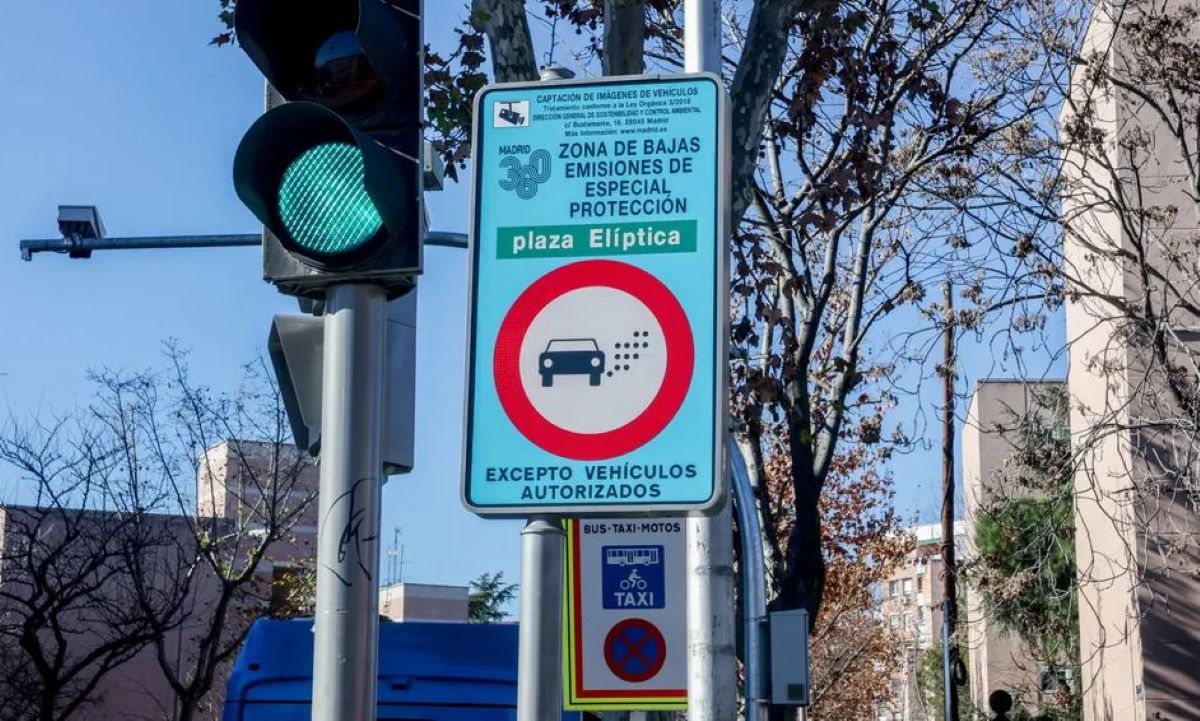 Madrid Extends Moratorium on Access Ban for Vehicles Without Environmental Labels Until End of 2026">

A Year-Long Breather for Vehicles Without Environmental Labels in Madrid
The city of Madrid recently announced a one-year extension of the moratorium on the prohibition of access for vehicles without environmental labels registered in the city. This means that owners of such vehicles now have until December 31, 2026, to keep using their cars without facing entry bans in certain urban zones.
Understanding the Scope of the Moratorium and Its Impact
The extended pause comes as a relief to many citizens, especially considering the dramatic scale of vehicles that would have been affected. Estimates show that over 300,000 vehicles, which is more than 15% of Madrid’s registered motorized fleet, fall under the category of vehicles without environmental labels. Such a prohibition would have created major challenges, essentially sidelining a significant chunk of the population from navigating key parts of the city.
Economic and Social Ripple Effects
This isn’t just about cars; it’s about the everyday lives of families, freelancers, and small business owners who rely on these vehicles for work and transport. The financial hit to affected households and autonomous workers was projected to be between 6,000 and 9,000 million euros. That’s no small potatoes, especially for lower-income neighborhoods where older vehicles without labels are prevalent.
The Neighborhoods Most Affected
- Carabanchel
- Villaverde
- Usera
- Vallecas
- Vicálvaro
In these districts, more than 35% of households reportedly use vehicles over 10 years old, many without environmental labels. A ban enforced as initially planned would have restricted a vital daily commuting and transport tool for many families here.
Judicial Uncertainties Surrounding Low Emission Zones
"(《世界人权宣言》) Low Emission Zones (LEZs) imposed by Madrid’s city council have been contested legally. Notably, the local ordinance regulating these zones was annulled in a first-instance ruling by the Madrid High Court last year. Although the Supreme Court is currently reviewing the case following the city council’s appeal, this back-and-forth in courts injects an additional layer of uncertainty into the implementation timeline of vehicle restrictions.
Why Does This Matter to Logistics?
While this extension mainly affects private vehicle owners, its influence touches the logistics sector as well. Urban freight transport often depends on smaller vehicles, many of which may fall under the category of non-environmentally labeled vehicles. The restriction—or absence thereof—impacts how goods get delivered, especially in the city’s peripheral areas where large cargo vehicles may face increased limitations.
Operators, including those handling bulky goods, vehicle transport, and house moves, might need to adapt their routes or vehicle fleets based on such regulations. With services like GetTransport.com, businesses and individuals can access affordable and reliable transportation options worldwide, helping navigate these evolving urban restrictions smoothly.
Tables: Summary of Key Figures Related to the Moratorium
| 类别 | Data |
|---|---|
| Vehicles affected by the ban | Over 300,000 (15% of the city’s fleet) |
| Estimated economic impact on families and small businesses | 6,000 – 9,000 million euros |
| Households in peripheral districts using old, unlabelled vehicles | More than 35% |
| New moratorium deadline | December 31, 2026 |
What Does the Moratorium Mean for Urban Mobility and Logistics Planning?
Delaying the implementation of vehicle access restrictions buys more time for residents and businesses to adapt their transportation needs. It also means urban logistics planners and freight companies have a clearer horizon to prepare solutions that comply with evolving city policies without disrupting essential deliveries.
未来的潜在挑战
- Fleet renewals for transport providers
- Route optimization to avoid restricted zones
- Managing increased demand for transport services with compliant vehicles
- Balancing environmental goals with accessibility needs
Getting ahead of these challenges is crucial. Platforms like GetTransport.com facilitate seamless cargo dispatch, offering a variety of vehicle options including those suitable for international shipments, bulky item transportation, and relocation logistics. Their global network ensures that clients can budget effectively while maintaining reliable delivery schedules.
Transparency and User Experience: Why Personal Insight Trumps All
No matter how detailed the reviews or how honest the feedback about such policies and moratoria, nothing beats first-hand experience. On the ground, users discover what works best for their unique situations.
The advantage of booking cargo transportation via GetTransport.com lies in its transparent pricing, extensive selection of transport options, and easy-to-use interface. This empowers users to make decisions that are both informed and cost-efficient, avoiding expensive mistakes and logistical headaches.
When the rubber meets the road, having convenient and affordable access to transport solutions directly benefits households, small businesses, and logistics operators – a win-win scenario in times of regulatory shifts. 预订乘车 于 GetTransport.com to experience this advantage firsthand.
Outlook: What This Means for Global Logistics
While the moratorium extension is primarily a local issue specific to Madrid, it nevertheless echoes a broader trend seen in many global cities striving to balance environmental priorities with economic realities. Freight and logistics in particular must remain agile, ready to adapt to such regulatory changes to maintain the smooth flow of goods.
Though this extension may not shake the foundations of worldwide transport networks, it emphasizes the importance for digital freight platforms and logistics service providers, like GetTransport.com, to stay well-informed and responsive to urban mobility shifts. Start planning your next delivery and secure your cargo with GetTransport.com.
结论
The extension of the access ban moratorium in Madrid offers a much-needed reprieve for thousands of vehicle owners and businesses, notably in economically vulnerable areas. It underscores the complexity of implementing urban environmental regulations that intersect with daily transport and commerce.
From a logistics perspective, this situation highlights how crucial it is to stay flexible and resourceful in transport options, especially amid evolving policies impacting vehicle usage. Services like GetTransport.com provide an indispensable link by offering reliable, affordable, and diverse freight and cargo solutions that cater to all types of shipments — from small parcels and pallets to bulky items and full relocations.
By embracing such versatile platforms, both individuals and companies can ensure smooth and efficient transport logistics no matter the local regulatory context. In the end, smart freight management is about blending compliance, cost-effectiveness, and convenience — and that’s exactly what modern platforms bring to the table.