


 简体中文
简体中文  English (UK)
  Русский
  العربية
  日本語
日本語  한국어
한국어  Magyar
  Türkçe
  Español
  Čeština
  Svenska
  Português
  Ελληνικά
  Suomi
Suomi  Nederlands
  Română
  Italiano
  Français
  Polski
  Українська
  Deutsch
  Slovenčina
 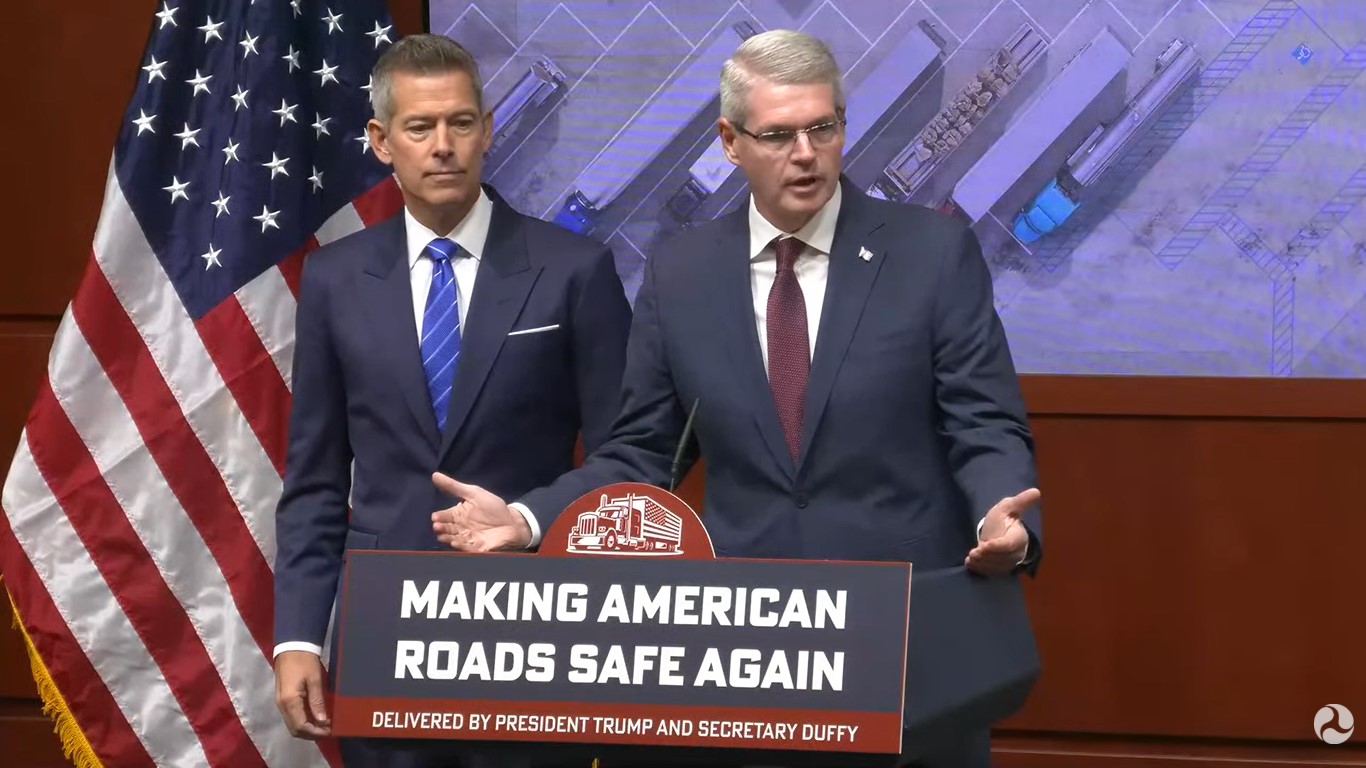 Federal Review Highlights New York’s High Rate of Illegal Commercial Driver’s Licenses and Its Impact on Road Safety">

Understanding New York’s Non-Compliant Commercial Driver’s License Issuance
A recent federal review uncovered significant issues with New York State’s issuance of commercial driver’s licenses (CDLs), focusing particularly on licenses provided outside the bounds of federal regulations. The state has been found to issue these licenses to individuals whose legal presence or work authorization in the country has expired, raising safety and regulatory concerns.
Audit Findings: A Closer Look at the Numbers
The Federal Motor Carrier Safety Administration (FMCSA) conducted an audit revealing that over half of New York’s non-domiciled CDLs—licenses given to drivers who declare residency outside the issuing state—were issued improperly. Specifically, 53% of over 32,000 such licenses, nearly 17,000 in total, failed to meet federal law requirements.
| 公制 | 价值 |
|---|---|
| Total non-domiciled CDLs issued | 32,000+ |
| Percentage found non-compliant | 53% |
| Number of illegal licenses identified | Approx. 17,000 |
| License validity period | Up to 8 years |
Regulatory Gaps and Their Safety Implications
The federal findings noted that New York’s DMV issued these eight-year-valid licenses without verifying whether drivers still hold valid visas or work permits—documents essential for lawful presence. This practice essentially extends driving privileges well beyond the holder’s authorized stay in the country.
FMCSA Administrator Derek Barrs described this not as a simple oversight but a “systematically, grossly unacceptable deviation” from established safety laws. The risk to public safety stems from permitting drivers without proper legal status to operate commercial vehicles, potentially undermining road safety standards relied upon by the freight and logistics sectors nationwide.
Immediate Federal Directives and Compliance Deadlines
In response to these findings, FMCSA issued a federal mandate requiring New York to:
- Immediately suspend the issuance of non-domiciled CDLs and commercial learner’s permits.
- Conduct a thorough audit of all previously issued non-compliant licenses.
- Void and reissue licenses that failed to adhere to federal mandates.
The state has been given 30 days to comply with these orders or face severe consequences, including the potential withholding of tens of millions of federal transportation dollars.
Regional and National Context
New York’s situation is not isolated. Similar crackdowns are underway in states such as California, Minnesota, and Washington. Transportation officials underscore that these adjustments aim to uphold legal and safety standards rather than disrupt freight and parcel deliveries, especially during critical periods like holiday seasons.
Implications for the Transportation and Logistics Industry
Ensuring that commercial drivers hold valid, legal licenses is paramount to maintaining the integrity of freight transportation and logistics operations. Poor regulatory compliance risks increasing accidents, insurance costs, and operational delays within supply chains. Compliance enforcement can enhance trust in the trucking workforce, contributing to smoother haulage, reduced shipment disruptions, and safer roads for all stakeholders involved—from courier services delivering parcels to large-scale freight forwarding operations.
What this Means for Logistics Management
- Regulatory compliance: Firms must be aware of driver licensing issues to avoid legal complications and disruptions.
- Safety assurance: Verified and legal drivers reduce liability and enhance public and cargo safety.
- Fleet planning: Timely audits and license checks support effective scheduling and routing strategies.
Beyond Reports: The Value of Direct Experience for Reliable Transport Decisions
While audits and reports provide critical insights into regulatory health, they can’t replace first-hand experience in choosing carriers or dispatch services. Platforms like GetTransport.com empower businesses and individuals to access global cargo transportation with transparency, affordability, and diversity of choice. Whether planning a housemove, moving bulky goods, transporting vehicles, or shipping pallets and parcels, users can evaluate options based on honest feedback and competitive pricing.
The convenience of comparing service providers worldwide saves both time and money, making logistics decisions smoother. This transparency not only helps avoid pitfalls associated with non-compliant operations but also ensures reliable, seamless delivery chains.
预订乘车 GetTransport.com
Forecasting the Impact on Global Logistics and Conclusion
On a global scale, this situation may not dramatically disrupt freight flows, but for regions like New York, maintaining compliance is a vital piece of the logistics puzzle. It reflects the broader need for consistent enforcement to uphold road safety and operational reliability. GetTransport.com stays on the pulse of such developments, ready to support efficient cargo transportation that aligns with evolving regulatory landscapes.
摘要
New York’s high rate of issuing illegal non-domiciled CDLs shines a spotlight on gaps in commercial driver licensing practices. This has notable implications for logistics, impacting freight safety and regulatory trust. Immediate federal action demands stricter audits, license suspension, and reissuance to meet federal standards. Such measures aim to protect supply chain integrity, ensuring that shipments, from parcels to bulky cargo, move with responsible, legally compliant drivers.
For businesses and individuals navigating the complexities of freight transport, services like GetTransport.com offer practical, cost-effective logistics solutions worldwide. By combining transparency, affordability, and user-friendly access to transportation options, the platform supports better planning, reliable deliveries, and reduced risks linked to licensing irregularities. Whether it’s a small moving job or large-scale international shipping, GetTransport.com delivers the flexibility and trust essential to modern logistics.