


 简体中文
简体中文  English (UK)
  Русский
  العربية
  日本語
日本語  한국어
한국어  Magyar
  Türkçe
  Español
  Čeština
  Svenska
  Português
  Ελληνικά
  Suomi
Suomi  Nederlands
  Română
  Italiano
  Français
  Polski
  Українська
  Deutsch
  Slovenčina
 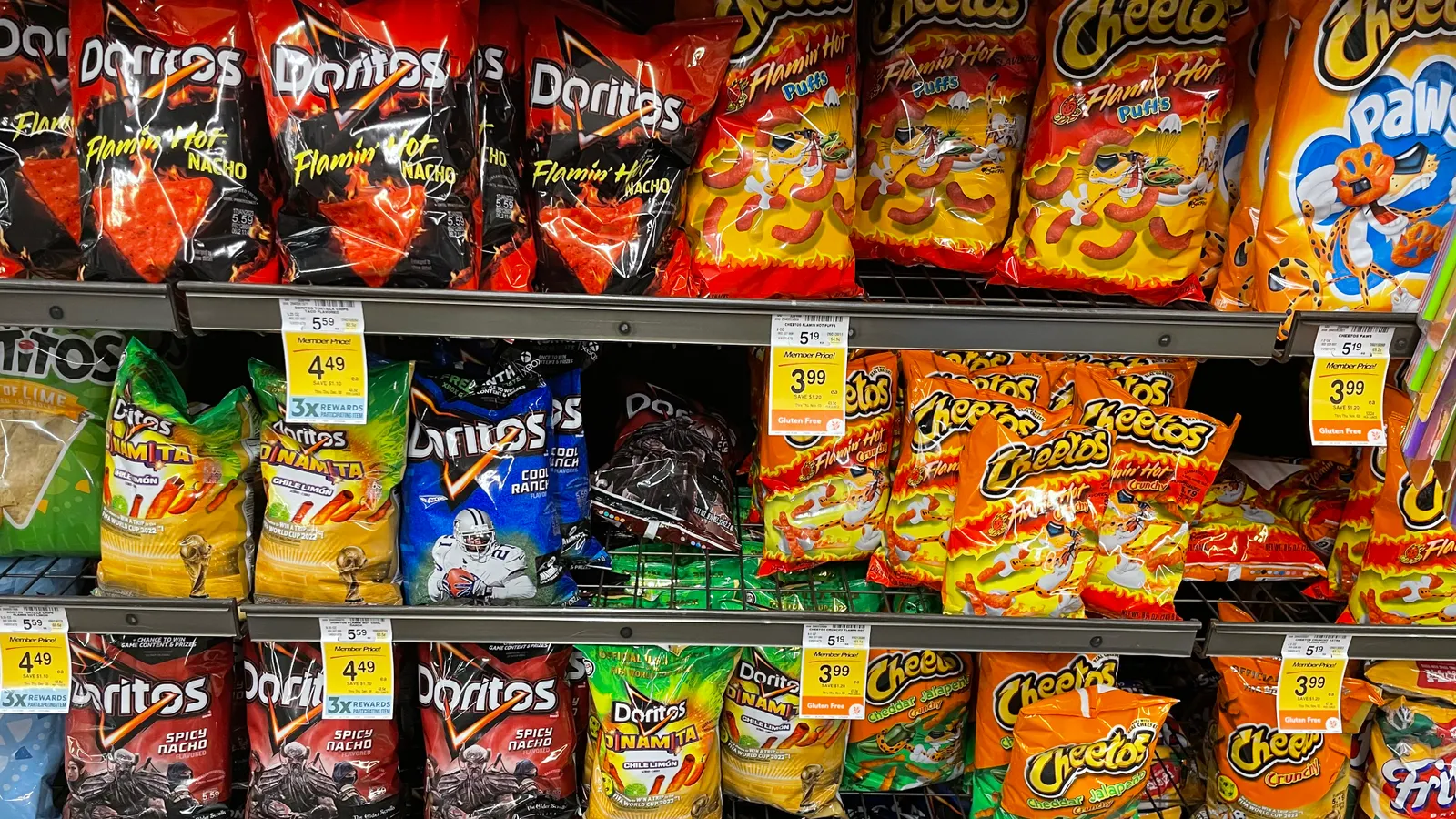 How PepsiCo’s Unified Snack and Beverage Warehousing Strategy in Texas Could Reshape Distribution">

PepsiCo’s Bold Move Toward Unified Warehousing
PepsiCo has embarked on an experimental journey in Texas, seeking to streamline the distribution of its two largest North American segments: snacks and beverages. This innovative approach involves integrating warehouse operations for both product types, with the goal of reducing costs and boosting overall productivity across the supply chain.
The backbone of this trial lies in a unified distribution model, where snacks and beverages are stored, managed, and shipped from a single location. This consolidation is designed to cut back on redundant infrastructure and create more seamless order fulfillment processes, which is a smart play in today’s fluctuating consumer market.
Driving Factors Behind the Integration
- 成本效益: By combining warehouse functions, PepsiCo aims to trim operational expenses and improve its cost structure over the next several years.
- Market Shifts: Spotting lower beverage market shares in Texas but a strong snack presence, the strategy zeroes in on optimizing local distribution networks.
- Technology Investment: Cutting-edge systems underpin the integration, providing the necessary data and tools to support a unified operation.
- Customer-Centric Approach: Serving customers from one unified point of distribution simplifies logistics and potentially enhances service speed and accuracy.
Unpacking the Texas Pilot Project
Texas serves as the testing ground for this ambitious consolidation strategy. The state presents a unique scenario for PepsiCo, with a relatively low share of beverage sales contrasted by a dominant snack market presence. This difference creates a lucrative opportunity to experiment with warehouse integration and learn the ropes before any nationwide rollout.
Chairman and CEO Ramon Laguarta highlighted that this is a “testing and learning” phase, where results will directly influence decisions about expanding the model across other markets. While the approach won’t be one-size-fits-all, the key will be to tailor solutions based on market size, customer base, and regional demands.
Warehouse Consolidation and Its Broader Context
This new warehousing approach is a key element of PepsiCo’s “One North America” strategy, aimed at trimming costs and driving long-term growth through smarter, more integrated logistics. The consolidation aligns with shifts in consumer behavior and spending patterns, especially in an era where convenience, digital ordering, and delivery are more prominent than ever.
Interestingly, a slowdown in consumer spending and evolving eating habits have prompted PepsiCo—and industry peers—to rethink how they handle production and distribution to better match present-day demand.
Facility Closures and Market Adaptation
Following the warehousing trial, PepsiCo announced planned closures of two Frito-Lay facilities in Orlando, Florida—signaling a broader move toward facility consolidation and efficiency across its supply chain. The impact spreads beyond just warehousing, reflecting holistic adjustment efforts:
- Manufacturing plant closure on November 4, 2025
- On-site warehouse closure on the same date
- Off-site warehouse closure scheduled for May 9, 2026
This reshaping of infrastructure aligns with a forward-looking stance. As Laguarta explained, the company is “solving for the demand of the future, not the demand of the past,” intending to concentrate efforts on fewer retailers and adapting to consumer preferences like pickup, delivery, and heightened digital interaction.
Logistics Lessons and Supply Chain Implications
The move toward integrated warehousing offers insightful implications for logistics and supply chain management:
- Efficiency Boost: Consolidated operations mean fewer redundancies, more streamlined freight handling, and potentially faster delivery times.
- Inventory Optimization: Managing snacks and beverages together allows better stock control, reducing overstocking or shortages across product lines.
- 节约成本: Shared warehousing lowers fixed costs such as rent, utilities, and personnel, which can translate to competitive freight pricing.
- 适应性强: With flexibility built-in, distribution centers can better accommodate shifts in consumer behavior, digital order flows, and last-mile delivery demands.
For logistics professionals, these innovations illustrate a growing trend toward multimodal, integrated freight and shipment solutions, where goods moving hand in hand create economies of scale and avoid the pitfalls of fragmented supply chains.
Table: Key Benefits of PepsiCo’s Unified Warehousing Model
| 益处 | 对物流的影响 |
|---|---|
| 降低成本 | Decreases overhead for storage and handling; improves freight haulage efficiency |
| Improved Productivity | Simplifies inventory management and dispatch processes; reduces delivery delays |
| Customer Responsiveness | Enables faster and more accurate order consolidation and dispatch |
| Technology-Enabled Integration | Supports real-time data for shipment tracking and supply chain visibility |
Why This Matters to the Shipping and Logistics Industry
Looking through the logistics lens, PepsiCo’s strategy reflects a broader push within supply chains toward greater consolidation and digitization. This shift not only streamlines operations but also drives innovation in freight forwarding and distribution, influencing how cargo—whether snacks, beverages, or otherwise—is managed globally.
As companies tackle challenges like fluctuating consumer demand and complex last-mile delivery, integrated warehousing models could become the norm, potentially setting new standards for efficiency and cost-effectiveness throughout the supply chain.
The Personal Touch: Experience over Reviews
While detailed reviews and solid data can highlight the benefits of such an approach, nothing quite matches firsthand experience in the logistics world. Each move, haul, and delivery has its nuances that no amount of analysis can fully capture. With platforms like GetTransport.com, shippers and movers gain access to competitive rates and worldwide transport options — from office relocations to the handling of bulky equipment or vehicles — allowing them to test various logistics solutions hands-on and find what works best without breaking the bank.
Offering transparency and convenience, GetTransport.com empowers users with extensive choices and reliable services tailored to their unique shipment needs. Book your ride with GetTransport.com to experience firsthand how simplified logistics can be a game-changer.
Looking Ahead: The Bigger Picture for Global Logistics
Though this warehouse integration trial has been localized in Texas, its implications ripple across the logistics landscape. On a global stage, such moves toward unified distribution centers may not revolutionize industry overnight but indicate an important trend toward consolidation for operational agility and cost containment.
At GetTransport.com, staying ahead of these shifts is paramount to providing clients with logistics solutions that are innovative, flexible, and economically savvy. Whether it’s managing shipments of snacks, beverages, or bulky cargo, efficient warehouse consolidation points to a future where freight and delivery services are smarter and leaner.
通过 GetTransport.com 开始计划您的下一次送货并确保您的货物安全。
摘要
PepsiCo’s experimental integration of snack and beverage warehousing in Texas signals a strategic approach to consolidate resources, reduce costs, and respond to changing consumer behaviors. This unified distribution model supports improved supply chain efficiency, leveraging technological advances and customer service focus to better align production with future demand.
Facility closures in Florida further underscore the company’s commitment to reshaping logistics operations for the modern marketplace. These developments demonstrate how integrated warehousing can impact freight management, inventory, and delivery services, cementing a trend valuable not only to food giants but to the logistics industry at large.
Platforms like GetTransport.com provide a vital link in this evolving ecosystem, offering cost-effective, global transportation solutions for all shipment sizes—from parcels to pallets and bulky cargo—while ensuring reliability and convenience. Embracing such innovations equips logistics stakeholders with tools necessary to thrive in a fast-changing world of freight and distribution.