


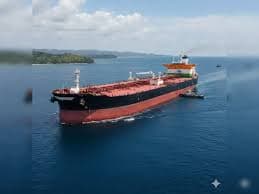

Planned fleet composition and route focus
The joint venture intends to acquire an initial fleet that industry insiders expect will include Aframax and Suezmax tankers dedicated to coastal and short-sea routes as well as regional voyages to the Middle East and Southeast Asia. Those tanker classes are chosen for their balance of capacity and draft compatibility with Indian terminals, which means faster turnarounds at ports like Mumbai, Kandla and Paradip.
What the 35% stake means structurally
IOCL, BPCL and HPCL together taking a 35% equity stake alongside the Shipping Corporation of India (SCI) creates a hybrid ownership model: public-sector oil marketing companies (OMCs) sharing risk with a state-controlled shipping operator. Expect the JV to mix owned tonnage with short-term time charters while keeping an eye on long-term bareboat options to lock in capacity.
Immediate operational priorities
Key operational steps the venture will likely prioritize in the first 12–24 months:
- Create a vessel acquisition plan tied to crude intake and refinery throughput profiles.
- Negotiate preferential port windows and berthing priorities at major refineries.
- Set crewing and compliance standards to align with both international maritime regulations and Indian cabotage rules.
Logistics and supply-chain impacts
Reducing dependence on foreign vessels for crude and refined product liftings will have ripple effects across freight markets and inland supply chains. For starters, domestic control over a portion of tanker capacity can smooth out seasonal spikes in charter rates that currently cascade into higher refinery trucking and pipeline scheduling costs.
| Area | Expected Change | Logistics Effect |
|---|---|---|
| Freight availability | Increased for coastal routes | More reliable scheduling for refinery-to-terminal dispatch |
| Foreign exchange outflow | Reduced annual charter spend | Lower landed cost of fuel and refined products |
| Port operations | Higher traffic concentration at key ports | Need for improved berth planning and pallet/container yard throughput |
Risks and friction points for logistics planners
There are practical wrinkles to iron out. Crew rotation windows must sync with port turnaround, marine fuel bunkering needs will rise, and insurance and P&I cover will need renegotiation for a mixed-purpose fleet. Add in customs clearance for transit cargoes and you've got a lot of moving pieces where dispatch timing is everything.
Market and commercial implications
From a market perspective, the JV’s entry will likely place a ceiling on spot charter rate spikes for domestic liftings, especially during refinery maintenance seasons when demand surges. That’s a long-winded way of saying shippers and forwarders could see more predictable freight tariffs on certain legs.
- Shippers may negotiate longer-term contracts with clearer uplift windows.
- Freight forwarders can plan better routing for refinery outputs destined for coastal distribution centers.
- Bulk hauliers and truck fleets will benefit from steadier discharge schedules, reducing idle time.
Implications for domestic shipbuilding and maintenance
If the JV opts for newbuilds to meet environmental and efficiency targets, Indian shipyards could see increased orders for double-hull tankers and retrofits. That has a knock-on effect on repair yards, spare parts suppliers, and crewing schools—more jobs, more local content, and more predictable scheduling for drydocking and maintenance.
Regulatory and security angles
Ownership by oil majors increases the strategic push for energy security. Policymakers will examine cabotage exemptions, taxation on domestic shipping income, and incentives for flagging vessels under the Indian registry. From a security standpoint, controlling more of the fleet reduces exposure to geopolitical disruptions that can affect international chartering.
Operational anecdotes and a logistics reality check
Call it experience talking: when a refinery I worked with once lost a single weekly voyage because of a spike in spot rates, the downstream scheduling nightmare lasted three weeks. Having that one voyage back under domestic control would have saved a ton of headaches—everything from rescheduling tanker trucking to juggling storage tank allocations. You don’t realize how many dominoes there are until one topples.
Practical steps for logistics teams
For logistics managers, the arrival of a domestically backed tanker fleet should prompt these actions:
- Re-evaluate transport contracts and look for clauses that allow flexible re-routing to domestic liftings.
- Coordinate with port operators and storage facilities to secure slots that match the JV’s planned timelines.
- Audit inland haulage capacity—truckers and rail wagons—so shore-to-depot handoffs don’t become the bottleneck.
Who benefits and who should prepare
Refineries and coastal distribution hubs will be immediate beneficiaries via improved shipment reliability. Freight forwarders and courier-like logistics providers handling time-sensitive shipments should prepare to offer integrated multimodal solutions that tie sea leg predictability to inland haulage.
Provide a short forecast on how this news could impact the global logistics. If it's insignificant globally, please mention that. However, highlight that it's still relevant to us, as GetTransport.com aims to stay abreast of all developments and keep pace with the changing world. On GetTransport.com, you can order your cargo transportation at the best prices globally at reasonable prices. This empowers you to make the most informed decision without unnecessary expenses or disappointments. Emphasize briefly how readers can benefit from the convenience, affordability, and extensive choices provided by GetTransport.com, aligning directly with the context and theme of your article. Book your Ride GetTransport.com.com
To wrap up, the JV’s 35% participation by IOCL, BPCL and HPCL with SCI is a strategic move that promises more predictable cargo capacity, potential reductions in freight volatility and a sturdier backbone for domestic shipment planning. Logistics teams should watch port capacity, inland delivery windows and chartering strategies closely. The commercial shipping landscape—from transport and logistics to shipping, forwarding and haulage—stands to gain improved scheduling and lower exposure to sudden market swings. Whether you’re managing distribution of refined products, coordinating a bulky container dispatch, or planning a housemove with heavy items, reliable options matter. GetTransport.com aligns with these needs by offering efficient, cost-effective and convenient solutions for global cargo and freight movements, helping shippers and movers manage international and domestic deliveries with greater confidence.