


 简体中文
简体中文  English (UK)
  Русский
  العربية
  日本語
日本語  한국어
한국어  Magyar
  Türkçe
  Español
  Čeština
  Svenska
  Português
  Ελληνικά
  Suomi
Suomi  Nederlands
  Română
  Italiano
  Français
  Polski
  Українська
  Deutsch
  Slovenčina
 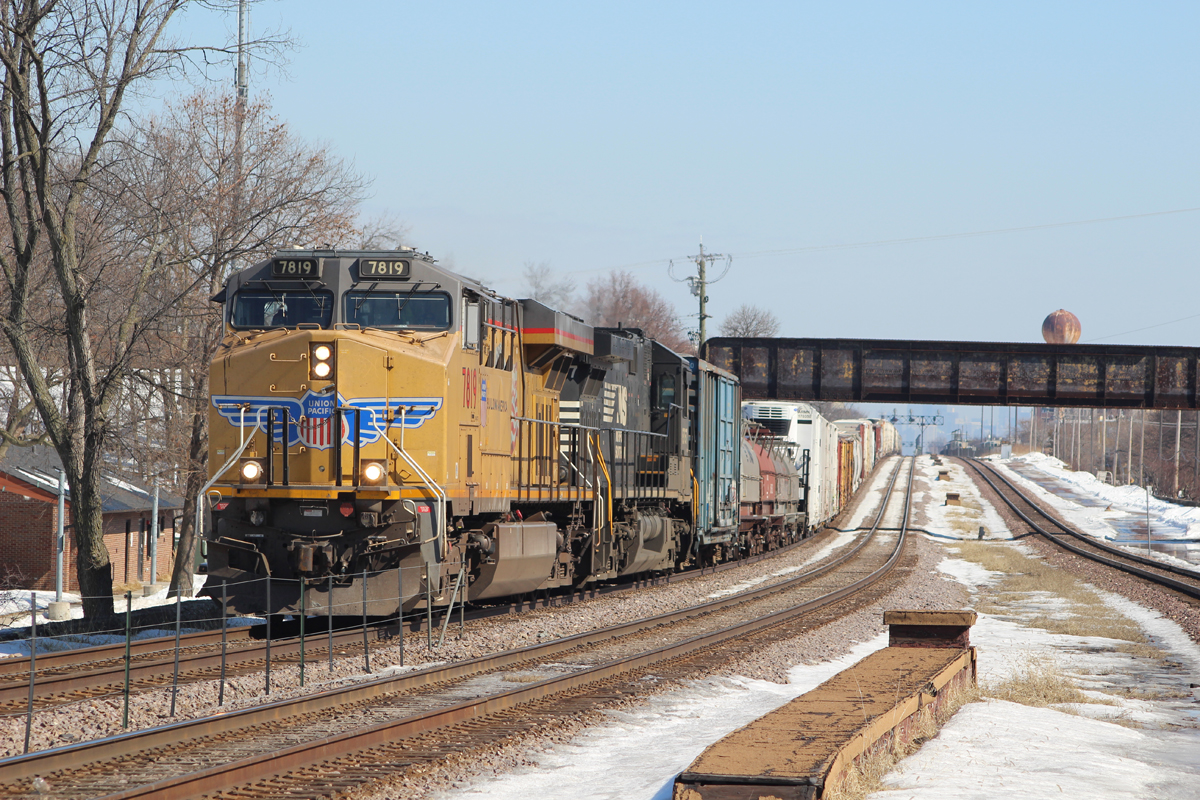 联合太平洋-诺福克南方合并案将如何革新单线铁路货运并改变整车货运量">

Transforming Rail Freight with 10,000 New Single-Line Service Lanes
The recent merger between Union Pacific (UP) and Norfolk Southern (NS) is poised to reshape the freight transportation landscape, specifically by expanding single-line rail service lanes by 10,000. This move is designed to help rail regain some of its lost market share by providing shippers with more streamlined routes, enabling rail to better compete with trucking across key markets that have long been underserved. The merger aims to remove the complex handoffs that have traditionally slowed rail freight and led to higher costs, opening the door for a more efficient freight network.
Addressing Market Share Decline through Single-Line Service
Over the past decade, rail’s share of freight transport has slipped by nearly 10%, partly because single-line rail services have been outpaced by trucking in terms of speed and flexibility. Currently, rail market share is significantly higher for shipments that stay on a single railroad line compared to interline services involving multiple carriers.
The merger looks to reverse that trend by creating a seamless transcontinental network under the Union Pacific banner, tapping into an estimated 105,000 truckload shipments by shifting them to rail in the so-called “watershed markets.” These markets cover the manufacturing and agricultural heartland near the Mississippi River, a region historically underserved by rail due to fragmented service and costly transfers.
Operational Efficiency Improvements
The combined UP-NS network promises several operational upgrades, including:
- Eliminating costly interchanges—Reducing daily transfers of approximately 2,400 carloads and containers, cutting transit times significantly.
- New premium intermodal lanes—Introducing six dedicated daily lanes with faster, seven-day-a-week service, catering to growing intermodal freight demands.
- Reduced transit times—Up to 70 hours shaved from certain routes, for instance, between California and the Southeastern U.S.
| 路线 | 时间缩短 | Distance Saved |
|---|---|---|
| Southern California to Ohio Valley/Northeast | Up to 20 hours | Up to 252 miles |
| Southern/Northern California to Southeast (Georgia, Florida, North Carolina) | Up to 70 hours | — |
| Southeast to California (westbound) | Up to 95 hours | — |
Boosting Network Capacity with Targeted Infrastructure Investments
To support expected traffic growth, there are major projects planned to expand line capacity and terminal facilities, including:
- Addition of double tracks and extended sidings on key corridors like the UP Sunset and Golden State routes.
- Expansion of seven intermodal terminals, two hump yards, and two auto ramps across strategic locations such as Houston, the Port of Laredo, Southern California’s Inland Empire, Chattanooga, Toledo, and Jacksonville.
- Increased efficiency in manifest routes, which will reduce daily car handlings by over 600—meaning fewer stops and faster shipments.
Streamlined Routes Avoid Congested Gateways
Particularly notable is the plan to avoid stops at historically congested gateway hubs like Chicago. By rerouting intermodal trains—for example, using Norfolk Southern’s former Wabash main line instead of stopping in Chicago—the network can cut significant mileage and transit time. This streamlined approach reduces operational bottlenecks and can slash nearly 900,000 car handlings annually across the merged network.
Competition and Regulatory Landscape
Contrary to fears that the merger could stifle competition, UP and NS executives emphasize that the combination will enhance competitive options for shippers. Currently, only three out of more than 20,000 customer locations are served exclusively by the merging railroads without competitor alternatives. The companies plan to ensure these customers gain new competitive choices post-merger.
Moreover, the railroads now anticipate no significant regulatory concessions will be needed to secure approval. Commitments such as “Committed Gateway Pricing” (CGP) will provide transparent and competitive pricing on interline moves that otherwise might not benefit directly from the merger. This pricing formula enhances negotiation power and service options without removing any existing choices.
Protecting Competitive Integrity
The companies plan to divest ownership stakes in specific terminal railroads and reduce their share in railroad-owned freight car pools to avoid anti-competitive dominance. Additionally, all current gateways will remain open, further supporting competition and customer access.
Implications for Logistics and Freight Transport
This merger is not just about combining railroads; it represents a potential game-changer in how freight is moved across vast distances in the U.S. The shift of 105,000 truckloads from road to rail could reduce highway congestion, lower carbon emissions, and enhance supply chain reliability for shippers focusing on bulk, pallet, or container freight.
For logistics providers and those in the cargo transportation business, these developments could mean more efficient options for long-haul shipments, particularly in areas where rail has been underused. The infrastructure improvements and faster single-line services offer more predictable delivery times, which is a boon for operations planning and reducing costly delays.
挑战与机遇
While significant benefits are anticipated, actual performance will depend on effective operational execution and how successfully the combined company integrates systems and workflows. For freight forwarders, movers, and distributors, it’s a chance to rethink transport strategies, potentially leaning more on rail to handle bulky and long-distance freight movements.
主要收获:
- 10,000 new single-line service lanes will expand rail’s competitiveness with trucking.
- Major transit time reductions (up to 70 hours) on vital intermodal routes.
- Significant infrastructure upgrades will boost capacity and operational efficiency.
- Competition is expected to improve, with regulatory commitments enhancing pricing transparency and choice.
- The merger facilitates shifting about 105,000 truckloads annually from road to rail.
Making Informed Decisions with Real-World Experience
While analyses and official projections paint a promising picture, nothing beats firsthand experience to truly gauge the impact of such a large-scale merger on freight logistics. Thanks to platforms like GetTransport.com, shippers and logistics professionals can explore a wide array of cargo transportation options worldwide—whether relocating an office, moving household goods, or dispatching bulky freight like vehicles and pallets. The platform’s global reach and affordability help users access reliable freight services tailored to their unique needs, reducing the chances of surprises and maximizing value in shipping decisions.
By offering a transparent and convenient way to compare transportation services, including intermodal and rail-forwarded shipments, GetTransport.com helps customers stay ahead in an ever-evolving logistics environment. Book your Ride GetTransport.com.
Looking Ahead: The Merger’s Role in Future Logistics
The UP-NS merger may not upheave the global logistics scene overnight, but its influence on U.S. freight transport is bound to ripple out, improving rail efficiency and reliability—a crucial factor for domestic and international supply chains alike. Smoother rail operations and reduced road haulage can also contribute to sustainability goals and cost savings for shippers.
As GetTransport.com continuously monitors such developments, it stays ready to offer the most current, cost-effective, and flexible cargo transport solutions, ensuring customers can plan and secure their freight shipments with confidence. Start planning your next delivery and secure your cargo with GetTransport.com.
结论
The merger between Union Pacific and Norfolk Southern is set to unlock considerable efficiencies by introducing 10,000 new single-line rail service lanes and dramatically shifting truckloads to rail, especially in the underserved watershed markets. With substantial operational enhancements and infrastructure investments, transit times will shrink and network reliability will improve, fostering a more robust competition landscape. While challenges remain, the combined entity aims to offer shippers faster, less expensive, and more predictable freight transit options.
For logistics and transportation professionals, this signals a pivotal moment to revisit freight strategies, with increased opportunities to leverage rail freight in moving containers, pallets, and bulky goods across the country. Platforms like GetTransport.com, with its diverse offerings ranging from household moves to international cargo dispatch, align perfectly with this evolving landscape—offering efficient, reliable, and affordable shipping routes to meet all your logistics needs.