


 简体中文
简体中文  English (UK)
  Русский
  العربية
  日本語
日本語  한국어
한국어  Magyar
  Türkçe
  Español
  Čeština
  Svenska
  Português
  Ελληνικά
  Suomi
Suomi  Nederlands
  Română
  Italiano
  Français
  Polski
  Українська
  Deutsch
  Slovenčina
 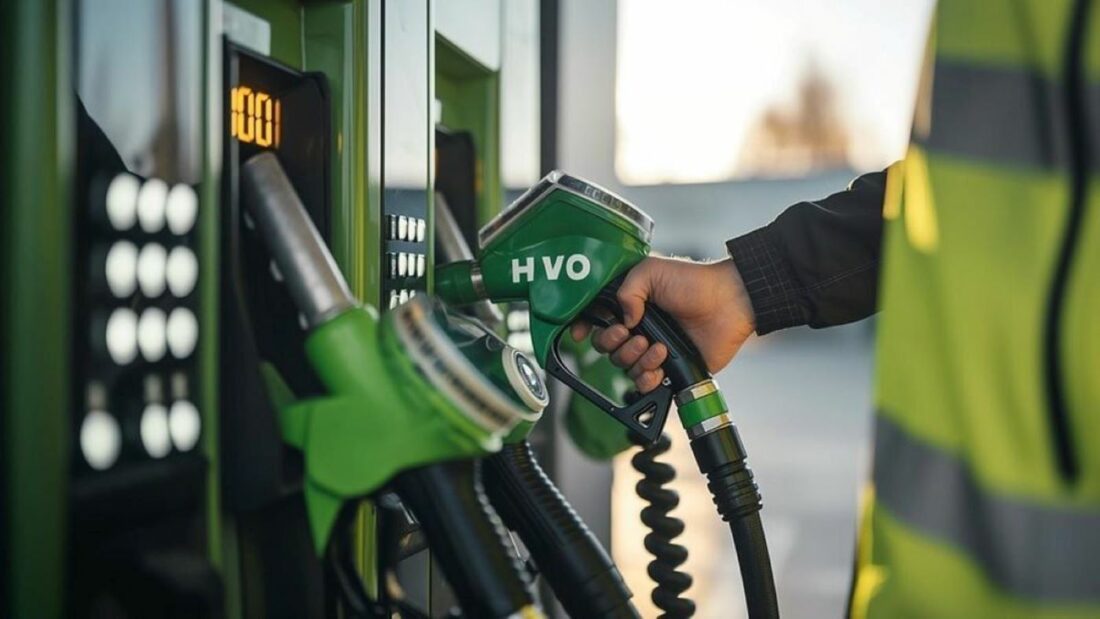 Push for Renewable Fuels in Plan Auto 2030 to Accelerate Decarbonization of Spanish Road Transport">

Demand for Broadening Plan Auto 2030 to Embrace Renewable Fuels
A coalition of transporters, fuel producers, and distributors across Spain is urging for a pivotal update to the Plan Auto 2030. These stakeholders argue that the plan must explicitly include renewable fuels as part of the country’s strategy to reduce greenhouse gas emissions in road transport — a sector that accounts for over 80% of Spain’s mobility and almost 30% of its emissions.
The call is based on aligning national policies with broader European trends that increasingly support the role of renewable fuels in existing internal combustion engines (ICE). By expanding the plan’s scope, a wider range of solutions can be offered that suit various consumers and economic sectors, thereby accelerating progress toward Spain’s environmental goals while maintaining competitiveness and preserving jobs.
Renewable Fuels: Immediate Impact on Emission Reduction
Among the most compelling arguments for incorporating renewable fuels is their immediate effect on emissions reduction. According to data reported by Spain’s Ministry for the Ecological Transition (MITECO), renewable fuels could decrease emissions by up to 83% by 2024 when used in current ICE vehicles. This approach offers a tangible near-term benefit while newer technologies continue to mature.
Current Gaps in Plan Auto 2030’s Coverage of Renewable Fuels
While the plan does feature a program, Auto+, aimed at renewing the vehicle fleet, critics point out it limits the use of renewable fuels mostly to industrial processes. This narrow focus overlooks their significant presence in road transport consumption, where renewable fuels already account for 11.5% of fuel use.
Industry associations emphasize the need for a technology-neutral policy approach that acknowledges the role of all proven emission reduction methods, including renewable fuels, to meet decarbonization targets effectively.
Advantages for Spain in Leading Renewable Fuel Production
Spain boasts conditions favourable for renewable fuel production, including the most flexible and competitive refining system in Europe and a robust bio-refining industry poised to scale output. Sustainability-wise, Spain ranks third in Europe for availability of sustainable raw materials used in renewable fuel manufacture.
This strong foundation places Spain in a prime position to become a European leader in renewable fuel production. Recognizing and fostering this potential is seen as vital not just for climate goals, but also for the country’s industrial and economic competitiveness within the European Union.
International Momentum Behind Renewable Fuel Initiatives
On the global stage, 23 countries have endorsed the “Belém x4” initiative, spearheaded by Brazil during the COP30 climate conference, aiming to quadruple renewable fuel production internationally. Additionally, industry players have united to push for the “Global Initiative for Renewable Fuels,” emphasizing the strategic benefits of renewable fuels.
This global collaboration highlights the broader strategic advantage of renewable fuels, confirmed by the International Energy Agency (IEA), which reported that their implementation has lowered petroleum product imports by as much as 15%, thereby enhancing energy independence for participating countries.
Urgency of Integrating Renewable Fuels into Upcoming EU Regulations
Given the importance of road transport in emissions, it is particularly crucial that renewable fuels be integrated into the upcoming review of CO₂ regulations for passenger cars and light commercial vehicles at the European Commission level.
The inclusion of renewable fuels in legislative frameworks would provide the necessary policy support to scale their use, offering a practical path for countries like Spain to move faster toward decarbonization without sacrificing transport sector viability.
Table: Key Benefits of Incorporating Renewable Fuels in Transport Policies
| 益处 | 详细信息 |
|---|---|
| Immediate Emission Reduction | Up to 83% reduction with current engines by 2024 |
| Energy Security | Reduces import dependency by up to 15% |
| Economic Competitiveness | Maintains jobs and supports industry through flexible fuel options |
| Technological Neutrality | Allows deployment of all available, proven emission reduction methods |
| Environmental Leadership | Utilizes Spain’s strong refining and raw material resource base |
Implications for Logistics and Transport Sectors
The transport and logistics industries stand to benefit tremendously from embracing renewable fuels. Unlike electrification, which requires significant infrastructure changes and may have longer rollout times, renewable fuels work within existing vehicle fleets and fuel distribution systems, allowing continuity in freight haulage, last-mile delivery, and heavy vehicle operations.
This means more immediate reductions in carbon footprint for logistics companies, while giving them the flexibility to operate with proven technologies. Platforms like GetTransport.com, which offer competitive global cargo transport solutions, can leverage these advances by integrating greener options into their services, catering to clients seeking sustainable logistics without compromising affordability or reliability.
要点概述
- Renewable fuels offer a practical, near-term path to cut emissions from road transport, responsible for the bulk of mobility emissions in Spain.
- Current national plans do not fully harness the potential of renewable fuels, limiting their role mainly to industrial uses and ignoring their presence in road transport.
- Spain possesses strong natural competitive advantages to lead renewable fuel production in Europe, aligning with EU climate and industrial policies.
- International initiatives reflect growing momentum to expand renewable fuel use and enhance energy autonomy globally.
- Including renewable fuels in upcoming European vehicle CO₂ regulations is critical for accelerating transport decarbonization.
While thorough reviews and expert analyses provide valuable insights into the potential of renewable fuels in transforming transport emissions, nothing beats firsthand experience in witnessing their tangible benefits. On GetTransport.com, users enjoy access to the most competitive rates worldwide for cargo transport, including house moves, vehicle shipments, bulky goods, and more—making sustainable logistics choices accessible without extra costs or frustrations. The platform’s transparency and vast options empower businesses and individuals alike to make informed decisions that match their needs. 预订乘车 与 GetTransport.com and experience convenience and affordability in moving forward with green transport.
From a logistics standpoint, incorporating renewable fuels represents a significant lever to reduce environmental impact swiftly without disrupting current transport and freight operations. Although this paradigm may not overhaul global transport overnight, it aligns perfectly with GetTransport.com’s vision to stay ahead of emerging trends and support clients navigating a changing transport landscape. Start planning your next delivery and secure your cargo with GetTransport.com.
In conclusion, renewable fuels emerge as a critical element for Spain’s pursuit of sustainable and competitive transport by 2030. Their inclusion in industrial and transport policy frameworks will not only curb emissions effectively but also boost economic vitality through technological flexibility and resource availability. Services like GetTransport.com embody this synergy of sustainable logistics and operational excellence, delivering reliable, international freight, shipment, and relocation solutions tailored to the modern world’s evolving needs.