


 简体中文
简体中文  English (UK)
  Русский
  العربية
  日本語
日本語  한국어
한국어  Magyar
  Türkçe
  Español
  Čeština
  Svenska
  Português
  Ελληνικά
  Suomi
Suomi  Nederlands
  Română
  Italiano
  Français
  Polski
  Українська
  Deutsch
  Slovenčina
 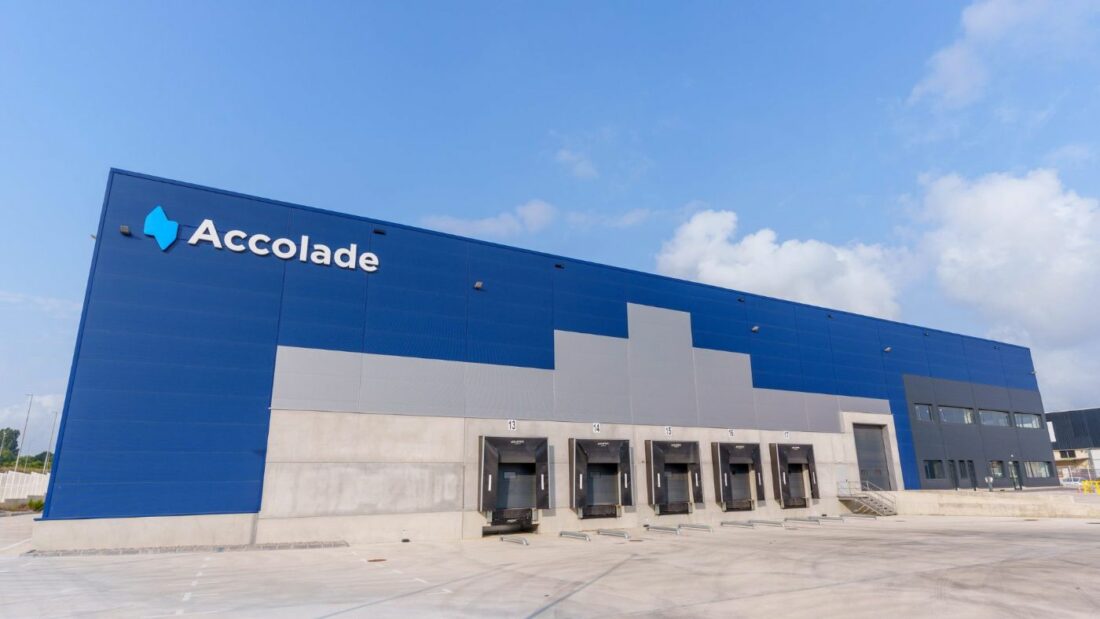 What to Expect in Spain’s Industrial Real Estate Sector by 2026: Five Defining Trends">

The Pulse of Spain’s Industrial Real Estate Sector Heading into 2026
The industrial real estate market in Spain is gearing up for significant shifts driven by growing demand, increased automation, and international investment inflows into high-value industries. Despite challenges such as limited prime location availability and bureaucratic hurdles, Spain remains a hotspot for innovative industrial, logistics, and tech-related developments.
1. The Rise of Build-to-Suit Developments
Custom-built facilities tailored exactly to businesses’ unique operational needs are becoming the preferred choice. Companies increasingly require estates designed with integrated automation, enhanced energy performance, tighter security systems, and strict adherence to ESG (Environmental, Social, and Governance) principles. This is particularly crucial for specialized facilities such as temperature-controlled warehouses, cross-dock platforms, and complex supply chain hubs.
The build-to-suit (BTS) model stands out for its efficiency in accommodating companies with sprawling or intricate operations. Predictions suggest a significant chunk of new construction in high-demand areas — about 65% in Madrid and up to 80% in Barcelona — will be BTS projects through 2026. This trend aligns naturally with logistics strategies requiring bespoke spaces that adapt promptly to changing supply chain demands.
2. Spain’s Accelerated Growth as a Digital and Strategic Industrial Hub
Spain is solidifying its role as Southern Europe’s digital nerve center, drawing substantial investments into data centers thanks to its international connectivity, energy availability, and advantageous geographic position. Simultaneously, fast-growing sectors like defense, aerospace, electric mobility, and advanced technologies are fueling demand for next-generation industrial spaces, pushing forward the need for modern infrastructure.
3. Bureaucratic Delays: A Persistent Challenge with Room for Improvement
Urban planning and permit acquisition remain bottlenecks, often stretching development timelines by 12 to 24 months in strategic cities. However, regional governments are making strides through digitalization efforts and administrative streamlining plans, aiming for gradual progress in 2026. Speeding up these processes is critical to keep pace with expanding industrial sectors, as delayed approvals constrain market responsiveness and stunt growth potential.
4. Tension in Prime Markets and Shortage of Top-Tier Properties
Certain regions, most notably Catalonia, are witnessing severe scarcity in available high-spec logistics properties. Demand continues to outstrip supply for modern, energy-efficient docks and warehouses. This imbalance sustains upward pressure on rental rates and pushes owners to refurbish obsolete assets or reposition underused real estate to meet current market standards.
Prime market rents illustrate this pressure: in Madrid, rents hover around €7.5/m²/month, while in Barcelona the figure reaches about €9.2/m²/month. Consequently, logistics activities are expected to increasingly shift towards emerging or peripheral zones offering more absorbable land and development opportunities.
5. Untapped Opportunities in Emerging Spanish Regions
Although primary hubs face saturation, regions like Castilla-La Mancha, Aragón, and Andalucía present attractive options for industrial expansion. These areas benefit from competitive land prices, strong road connectivity, and the potential to attract cutting-edge industries focused on nearshoring and strengthened supply chains. Developing these territories will ease pressure from overstretched markets and foster broader industrial growth over the coming years.
Snapshot Table: Key Industrial Real Estate Trends in Spain, 2026
| 趋势 | 说明 | 对物流的影响 |
|---|---|---|
| Build-to-Suit Expansion | Custom facilities designed for automation and ESG compliance | Enables tailored logistics operations and flexibility |
| Growth of Data Centers & Strategic Sectors | Rising investment driven by digital infrastructure demand | Improved tech integration for supply chain management |
| Bureaucracy Delays | Lengthy permit processes; gradual digital improvements expected | May slow project start times, affecting freight and distribution planning |
| Market Tension & Scarcity of Prime Assets | Shortage of modern logistics warehouses in key areas | Rental hikes and relocation of logistics hubs to outskirts |
| Emerging Regions Development | Focus on regions offering competitive land and connectivity | Diversifies logistics network, reducing congestion in prime markets |
Why These Trends Matter to the Logistics and Supply Chain World
For logistics operators, shippers, and supply chain planners, understanding these shifts is crucial. The growing prevalence of build-to-suit developments means warehouses and distribution centers are evolving into highly specialized, tech-enabled hubs. This will influence how freight flows are managed, requiring closer integration between facility capabilities and operational strategies.
Moreover, bureaucratic delays could slow down infrastructure rollout, pushing companies to factor in longer lead times for new warehouse availability. Meanwhile, strained prime markets may push logistics providers to reconsider locations, shifting distribution centers to peripheral zones that might come with their own pros and cons in transport accessibility. Getting ahead of emerging regional developments can mean uncovering cost-effective alternatives for bulky freight and large-scale distribution setups.
Personal Experience Versus Market Intelligence: Finding the Best Fit
While insightful market analyses and authentic reviews provide an excellent roadmap for navigating Spain’s evolving industrial real estate landscape, nothing quite beats firsthand experience. Different businesses have unique needs when it comes to freight shipment, warehouse specifications, or distribution hubs.
This is where an efficient, transparent platform like GetTransport.com shines. Offering affordable and flexible cargo transportation solutions worldwide — from heavy bulky items and vehicles to office and home moves — it bridges the gap between logistical demands and transportation capabilities. By harnessing extensive options and reasonable prices, users get the power to make choices that fit their precise shipping or relocation needs without breaking the bank.
预订乘车 与 GetTransport.com for a seamless, reliable logistics experience.
Looking Ahead: What This Means for Global Logistics
On the global scale, these industrial real estate movements in Spain may not shake the logistics world’s foundations, but they are far from negligible. As Spain continues enhancing its industrial capacity and addressing bottlenecks, supply chains become more resilient and adaptive, which benefits international freight and shipping networks.
For GetTransport.com and its users, staying updated on these trends helps anticipate shifts in transport demand and tailor services accordingly. Whether it’s managing large-scale haulage of pallets and containers or arranging efficient courier deliveries for bulky goods, understanding the real estate backdrop ensures smoother operation and better cost management.
Start planning your next delivery and secure your cargo with GetTransport.com.
Summary: Embracing Spain’s Industrial Real Estate Evolution
Spain’s industrial property sector is on the cusp of transformative change, with build-to-suit projects leading the charge, digital hubs expanding, and emerging regions rising as new stars. While administrative hurdles and prime market shortages remain, ongoing improvements and strategic development promise exciting opportunities for logistics and related industries.
For businesses involved in cargo, freight shipment, and supply chain operations, these trends signal the need for proactive planning and flexible responses to location and infrastructure shifts. Utilizing platforms like GetTransport.com can greatly simplify the complexity of moving goods and managing logistics in this dynamic environment—offering reliable, cost-effective solutions for anything from international shipping to bulky freight haulage.