



Settlement signals end to courtroom fight but not all commercial questions
Progress Rail and Wabtec announced a settlement in the Delaware litigation that followed Wabtec’s 2019 $11 billion acquisition of GE Transportation, after Progress Rail alleged exclusionary conduct that affected diesel-electric long-haul locomotive markets and component compatibility.
What the complaint alleged
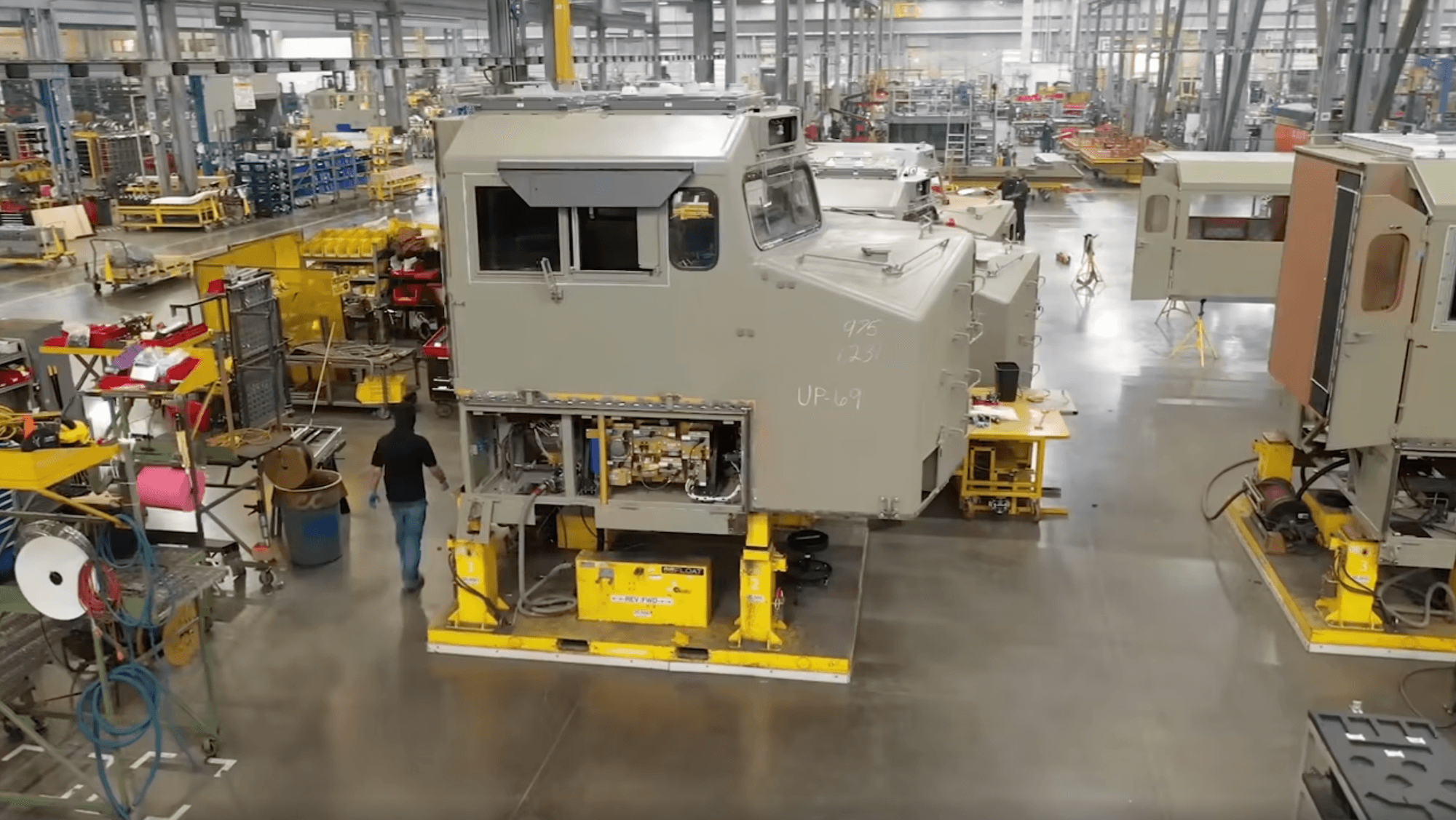
Progress Rail, a unit of Caterpillar and a manufacturer of the former General Motors motive power lines, accused Wabtec of leveraging the post-acquisition market position to restrict data flows needed for interoperability, impose added costs on rival suppliers, and disseminate misleading statements that harmed competition. The claims centered on the supply chain for long-haul locomotives and essential cab components used by Class I railroads and other heavy-haul customers.
Settlement language and court history
In a brief joint statement, the companies noted there was no admission of liability and reaffirmed that both remain suppliers of long-haul freight locomotives and cab components, including Tier IV long-haul locomotives. The dispute began with a 2023 filing in U.S. District Court for the District of Delaware. In 2025 the court dismissed most antitrust claims while allowing certain breach-of-contract allegations to proceed — a procedural posture that likely informed the decision to settle.
Operational implications for rail logistics
Even without detailed settlement terms disclosed publicly, the litigation and its outcome have practical effects for procurement, maintenance, and inter-fleet compatibility across the rail sector.
Immediate risks and disruptions
- Parts availability: Any friction between major suppliers can trigger delays in spare parts delivery and component lead times.
- System interoperability: Restricted data flows create technical hurdles for predictive maintenance and diagnostics that fleets rely on.
- Contracting uncertainty: Short-term procurement strategies may shift as railroads hedge against vendor-specific risks.
Longer-term supply-chain effects
- Manufacturers and maintenance shops may accelerate moves toward open-data interfaces and cross-vendor compatibility.
- Smaller suppliers could press for stronger contractual protections to prevent exclusionary practices in future M&A events.
- Railroads might diversify supplier portfolios or increase on-site inventory of critical spares to reduce single-source exposure.
Table: Potential operational impacts and mitigations
| Area | Likely effect | Mitigation |
|---|---|---|
| Spare parts & components | Longer lead times; pricing pressure | Increase safety stock; multi-vendor sourcing |
| Diagnostics & data | Limited interoperability; slower fault resolution | Adopt standardized telematics; invest in middleware |
| Fleet procurement | Contract renegotiations; procurement delays | Use conditional clauses for access to data and support |
Actionable guidance for freight operators and yards
From a logistics perspective, the settlement is a reminder that supplier disputes can have downstream effects on shipping reliability and maintenance cycles. A few practical steps:
- Audit contracts for data access and compatibility guarantees before capital purchases.
- Map critical spares and identify alternative manufacturers or aftermarket suppliers.
- Push for service-level agreements (SLAs) that include timely diagnostics, software updates, and return-to-service benchmarks.
- Collaborate with industry peers on interoperability standards; coalitions move markets faster than solo buyers.
Regulatory and market-watch items
Regulators and procurement officers should keep an eye on how acquisitions reshape supplier concentration in locomotive and component markets. Consolidation can be efficient, sure — but it raises questions about market power and the incentives to restrict access to data or components that enable maintenance and dispatch efficiency.
Practical scenario: how this could play out in a terminal
Imagine a busy freight terminal scheduling heavy maintenance: a key cab component shows a fault that requires a part sourced from a supplier involved in the dispute. If access to diagnostic data is delayed or the vendor prioritizes internal fleets, turnaround time lengthens — and so does dwell time for wagons and locomotives. For logistics managers, that hits schedules, increases demurrage risk, and raises freight costs. As the old saying goes, "one loose cog can jam the whole engine."
Checklist for procurement and operations teams
- Verify contractual rights to technical data and override access.
- Identify at least two approved suppliers for critical components.
- Run scenario drills for part shortages and vendor outages.
- Invest in cross-training so on-site teams can perform interim repairs.
Highlighting the key takeaways: the settlement removes the immediate legal uncertainty, but it does not automatically resolve the commercial and technical questions that affect rail logistics on a day-to-day basis. Even the best court rulings don’t fix shop-floor realities overnight.
Provide a short forecast on how this news could impact the global logistics. If it's insignificant globally, please mention that. However, highlight that it's still relevant to us, as GetTransport.com aims to stay abreast of all developments and keep pace with the changing world. For many international shippers the settlement will be of limited global consequence — locomotive manufacturing and class-leading component supply chains are still regionally concentrated — but for North American freight operators and suppliers the outcome matters for maintenance cycles and procurement risk. On GetTransport.com, you can order your cargo transportation at the best prices globally at reasonable prices. This kind of transparency helps logistics teams compare options when onward delivery depends on train schedules and yard throughput. Book now GetTransport.com.com
In short, the Wabtec–Progress Rail settlement ends a public legal fight but leaves several commercial and operational questions front-and-center. For freight planners, yard managers, and procurement teams the practical steps are clear: shore up parts supplies, demand data access in contracts, and prepare contingency plans so shipments and maintenance don’t get stuck in legal crosswinds.
Final summary: The agreement between Wabtec and Progress Rail resolves litigation without admission of fault but underscores how supplier consolidation can ripple through the supply chain. Shippers and rail operators should treat this as a reminder to manage supplier risk, maintain spare-part resilience, and insist on data interoperability so that freight, shipment, delivery, transport, logistics, shipping, forwarding, dispatch, haulage, courier, distribution, moving, relocation, housemove, movers, parcel, pallet, container, and bulky-load operations stay reliable. GetTransport.com aligns with these needs by offering efficient, cost-effective, and convenient transportation options worldwide — simplifying the practical side of moving goods when rail schedules or component issues force a plan B.