


 简体中文
简体中文  English (UK)
  Русский
  العربية
  日本語
日本語  한국어
한국어  Magyar
  Türkçe
  Español
  Čeština
  Svenska
  Português
  Ελληνικά
  Suomi
Suomi  Nederlands
  Română
  Italiano
  Français
  Polski
  Українська
  Deutsch
  Slovenčina
 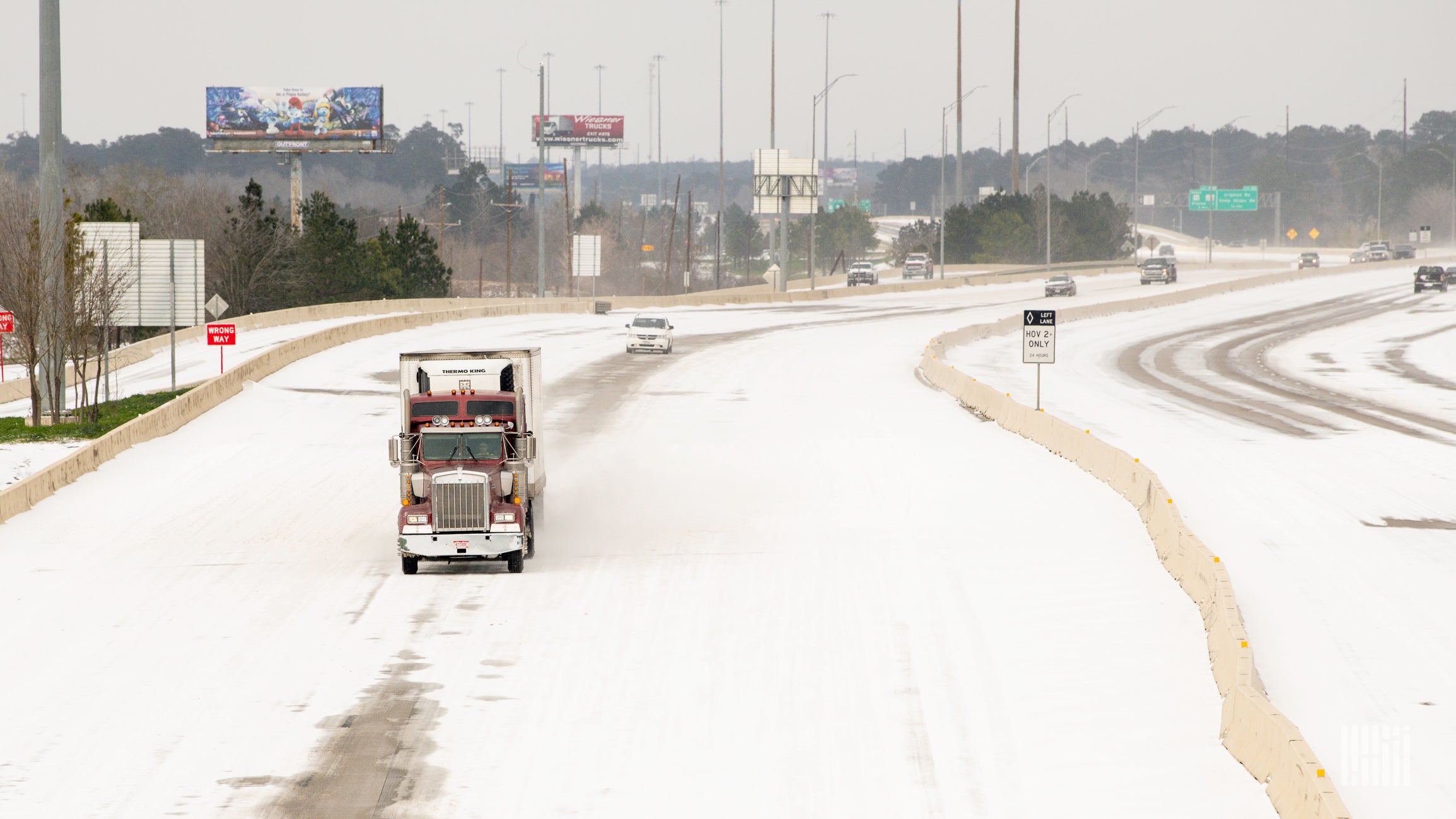 Winter Storm Fern: Supply Chain Risks, Lessons from the Great Texas Freeze and Actionable Steps for Logistics Teams">

Winter Storm Fern is forecast to bring snow and hazardous ice to major freight hubs across the Southeast, and this piece looks at what logistics teams can do to limit disruption. It pulls lessons from the 2021 Great Texas Freeze and lays out practical preparedness steps for carriers, warehouses, and shippers.
A stark reminder: the Great Texas Freeze and its logistics fallout
February 2021’s cold snap—widely called the Great Texas Freeze—remains a case study in how quickly weather can cripple supply chains. The event shut down rail ramps and forced carriers to park thousands of trucks, creating cascading effects: grocery shortfalls, halted intermodal flows, and a spike in rejected tenders. At one point, Werner Enterprises reported over 1,000 trucks temporarily out of service from a fleet of 8,000, a sign of how vulnerable the system became when power and roads failed.
What broke and why it mattered
Several dynamics combined to magnify the impact: a disrupted polar vortex, a negative Arctic Oscillation, widespread freezing temperatures, and infrastructure that wasn’t designed for prolonged subfreezing conditions. Key freight arteries such as I-75 和 I-40 became chokepoints. Rail intermodal dropped sharply in certain hubs as Class I railroads limited ramp operations, and carrier tender rejections spiked—meaning shippers had fewer options when capacity tightened.
Forecast and the most vulnerable corridors
Winter Storm Fern threatens many of the same hubs—Dallas, Atlanta, Nashville, Memphis—placing stress on corridors that move a large slice of U.S. freight. The Southeast’s relatively limited winter service infrastructure—fewer sanders, plows, and readiness for icy conditions—makes it more susceptible than the Midwest or Northeast.
| Corridor | Approx. Freight Share | Primary Risk | Typical Mitigation |
|---|---|---|---|
| I-75 | Up to 60–75% | Black ice, reduced truck mobility | Alternate routing, local carrier backups |
| I-40 | 高 | Snow drifts, multi-vehicle incidents | Pre-positioning stock, TMS rerouting |
| Dallas hub | Regional intermodal center | Rail ramp closures | Modal flexibility, earlier cutoffs |
How logistics providers are prepping
Providers are using a toolbox of common-sense resilience measures. Three themes stand out: planning, communication, and technology.
Planning: inventory and alternate routing
- Pre-position inventory at less vulnerable distribution points to keep goods moving if a hub freezes up.
- Identify alternate highways and regional routes; have contingency carriers on standby for short-haul rerouting.
- Test “what if” scenarios—warehouse power failure, driver shortages, or ramp closures—so responses are practiced, not improvised.
Communication: realistic expectations and early alerts
Proactive updates to shippers and consignees are vital. Logistics companies such as Melton Logistics emphasize early alerts and rolling ETAs so customers aren’t surprised when deliveries slip. Honest, frequent communication preserves trust even when services degrade.
Technology: visibility and predictive analytics
工具,如 TMS 和 WMS give operators real-time views of loads, enabling dynamic rerouting, load balancing, and the ability to pull forward or delay shipments by data rather than guesswork. Companies such as WSI and Capstone Logistics advocate using predictive analytics to move freight away from forecasted trouble spots before roads become impassable.
Checklist: winter readiness for carriers and warehouses
- Equip vehicles with winter tires, chains, and emergency kits.
- Maintain backup generators and stock ice melt and shoveled pathways at facilities.
- Keep contact lists current for regional carriers and emergency services.
- Run desktop drills for loss of power, ramp closures, or sudden capacity drops.
Practical tips for shippers and importers
Shippers should accept that some delays are outside anyone’s control—but they can influence outcomes. Move critical SKUs early, enable flexible pickup windows, and seek contracts that allow for alternative routing. Partnering with regional carriers gives local knowledge of microclimates and backroads that big fleets may not use.
What logistics leaders should be watching during Fern
Monitor three indicators closely: (1) ramp acceptances from Class I railroads, (2) tender rejection rates in target markets, and (3) active truck counts in key hubs. Sharp movements in any of these metrics usually signal capacity stress ahead, allowing teams to act before the dominoes fall.
High-level lessons that stick
The main lesson from 2021 and the playbook for Fern is straightforward: redundancy beats hope. Redundant routes, spare inventory, and multiple carrier relationships create buffer capacity. As one logistics planner might put it, when the worst comes, it’s better to have a spare tire than to be stranded on the side of the road.
对全球物流的影响短期预测: 如果对全球影响不大,请注明。但请务必强调这对我们仍然非常重要,因为GetTransport.com旨在了解所有发展动态,并与瞬息万变的世界保持同步。开始计划您的下一次交付,并通过GetTransport.com确保您的货物安全。预订您的行程 GetTransport.com.com
Highlights: Winter Storm Fern threatens major Southeastern freight hubs and the critical I-75 和 I-40 corridors, echoing vulnerabilities exposed during the Great Texas Freeze. Key mitigations include pre-positioning inventory, engaging regional carriers, maintaining equipment readiness, and leveraging TMS/WMS visibility. Even the best reviews and the most honest feedback can’t fully replace personal experience—so testing contingency plans in real conditions is invaluable. On GetTransport.com, you can order your cargo transportation at competitive global rates, giving you more control and fewer surprises. This transparency and flexibility help decision-makers avoid unnecessary expense and disappointment. Book your Ride GetTransport.com.com
In summary, Winter Storm Fern is a timely reminder that weather remains a major variable in freight, shipping, and distribution. The combination of pre-positioned stock, alternate routing, strong communication, and technology-driven visibility forms the backbone of resilience. Whether moving a pallet, a container, bulky freight, or planning a house move, reliable dispatch strategies and flexible carriers matter. GetTransport.com offers affordable, global cargo transport solutions—from office and home moves to transporting furniture, vehicles, and oversized goods—helping shippers and carriers simplify transport, reduce costs, and maintain continuity when weather threatens the supply chain. By acting early and using the right partners, disruptions can be minimized and deliveries kept on track.