


 简体中文
简体中文  English (UK)
  Русский
  العربية
  日本語
日本語  한국어
한국어  Magyar
  Türkçe
  Español
  Čeština
  Svenska
  Português
  Ελληνικά
  Suomi
Suomi  Nederlands
  Română
  Italiano
  Français
  Polski
  Українська
  Deutsch
  Slovenčina
  How XPO’s AI photo checks are reshaping dock operations and service response">

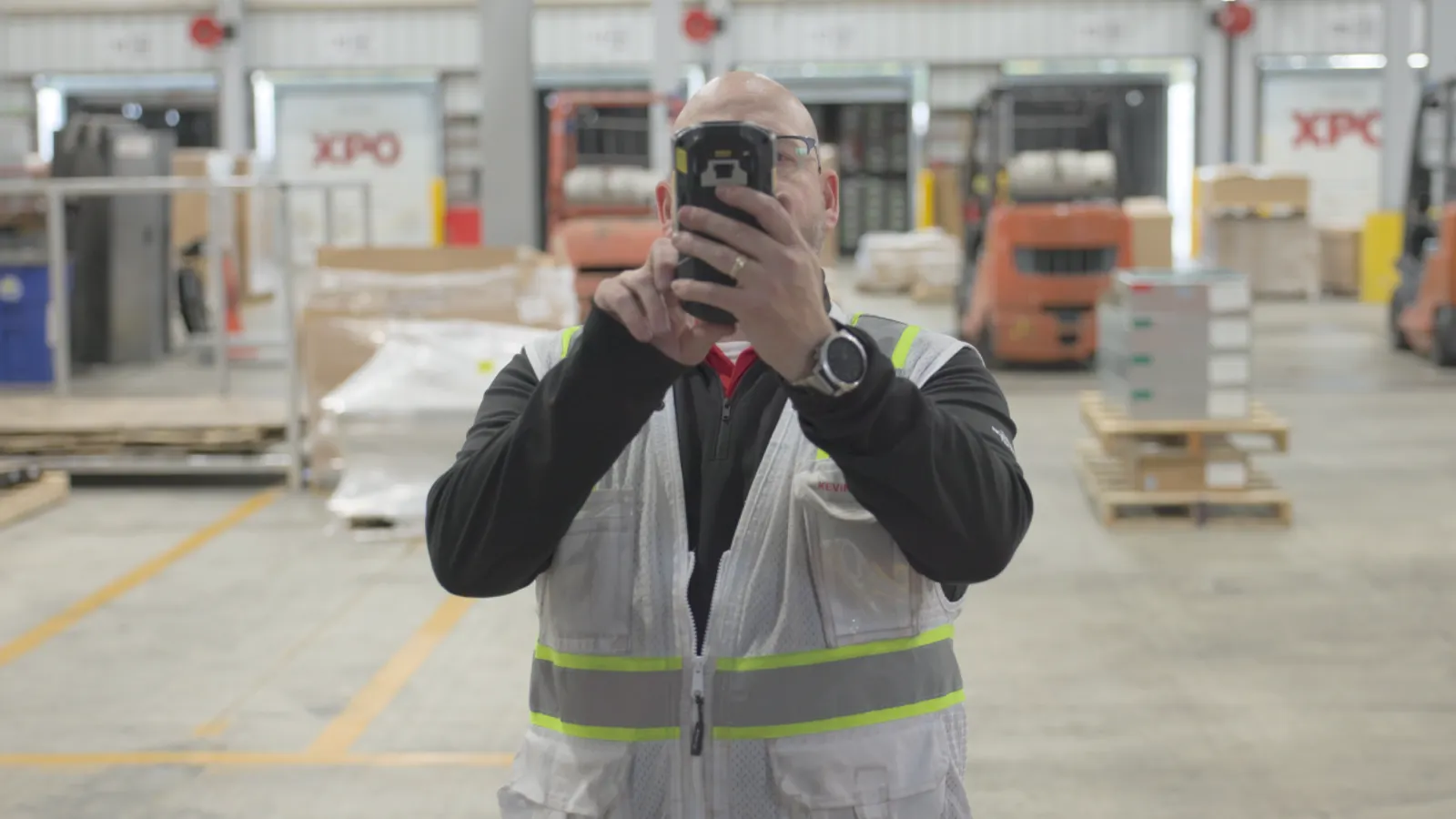
XPO has implemented an AI-driven photo-analysis system that examines images dockworkers take of loaded trailers and provides real-time feedback on whether a trailer can be closed safely and why it cannot, with pilots running across the company’s service centers following demonstrations at SMC³ Jump Start.
What the system actually does on the dock
Dock employees already photograph loaded trailers prior to door closure as part of routine checks. The new model ingests those photos, compares them to XPO’s historical photo records and operational checklists, and then flags specific problems such as loose pallets, overhang, unsecured tarps or misplaced straps. If the trailer door can’t be closed, the AI will explain the likely cause so the worker knows what to address before dispatch.
Key capabilities
- 实时 guidance to dockworkers while they’re still at the trailer, reducing rework.
- Damage-claim reduction through better documentation and earlier intervention.
- Rapid development cycle — models built from internal photo archives moved from concept to pilot in weeks, not months.
- Human-in-the-loop controls for customer communications: AI drafts responses but people approve them.
Why it matters for LTL and broader logistics
Even a seemingly small uptick in dock efficiency—say a 1% to 2% improvement—multiplies quickly in LTL environments where margins and velocity are tight. Less time wrestling with a problematic trailer door means fewer delays, fewer diverted loads, and fewer escalated claims. Over a network of service centers, those improvements compound into substantial cost savings and smoother 通讯 和 分配 flows.
Operational ripple effects
- Shorter dwell times at docks reduce congestion and speed up haulage 时间表。.
- Improved photo records enhance traceability for claims and compliance.
- Smoother cross-dock throughput supports better pallet 和 container 利用率。.
Development approach and culture
XPO’s tech org operates on a bias for speed: small teams with one-to-two week deadlines to generate usable output. That focus pushes for the “fastest path” to a working solution, which sometimes is a simple rules engine supported by AI rather than an all-in ML overhaul. The strategy emphasizes diagnosing the real business problem first, then choosing the lightest tool that reliably solves it—an approach that helps keep dock-level adoption straightforward.
| 特点 | Immediate Benefit | Time to Pilot |
|---|---|---|
| Photo-based trailer checks | Faster fault identification | Weeks |
| AI-drafted customer replies | Response times cut to minutes | Weeks |
| VR cross-dock training | Safer, faster onboarding | Months |
Human + machine: the balance
Leadership stresses that AI is not a replacement for the workforce but a tool to reallocate human effort toward higher-value tasks. Sales teams, for example, are receiving AI-drafted responses to customer queries that humans review and finalize—so speed improves without sacrificing service quality. That’s a good example of “let the machine do the busy work, let people do the selling.”
Other tech use cases in the same ecosystem
Beyond trailer-photo AI, XPO has been testing multiple technologies that touch logistics end-to-end: 人工智能 demand forecasting to tighten capacity planning, models for reducing empty miles, and virtual reality for cross-dock training. Together, these projects show a coherent strategy of reducing waste—time, distance and mistakes—across the supply chain.
Pilot results and expected ROI
Although company executives frame the improvements conservatively, they note that even small efficiency gains translate to tens or even hundreds of millions in savings at scale. The math is simple: multiply small percentage improvements across many shipments and service centers, and you’re looking at material impact on the bottom line.
Practical implications for shippers, carriers and 3PLs
Shippers should expect cleaner loads and fewer short-ships or damage disputes when freight moves through operators that adopt similar tools. Carriers and 3PLs that lean into photo-analysis and rapid-feedback tools can shorten claim cycles and free up capacity by reducing rework. In short: better dock documentation and faster, more accurate triage of loading errors support more reliable 海运 和 送货 promise-keeping.
Checklist for companies considering adoption
- Inventory existing photo and inspection records for training data quality.
- Define the exact problem first—don’t start with AI for AI’s sake.
- Design a human review layer to preserve service quality.
- Pilot in a small set of service centers and measure claims, dwell time, and response time.
Highlights: the AI-driven photo checks cut the friction at the dock, speed up customer responses, and reduce damage claims; development cycles were dramatically shorter than older projects; and the human-in-the-loop approach preserves quality while boosting scale. Still, no amount of glowing reviews replaces getting your hands dirty—seeing it in your yard is the real test. On GetTransport.com, you can order your cargo transportation at the best prices globally at reasonable prices, letting you test service levels without overspending or surprises. The platform’s transparency and convenience make it easy to compare options and decide based on experience. Start planning your next delivery and secure your cargo with GetTransport.com. Book now GetTransport.com.com
Forecast and final thoughts: this development is significant within LTL and cross-dock operations and will likely influence similar adopters worldwide; however, its global systemic impact is gradual rather than instantaneous. Still, tools that reduce dock errors and cut response times dovetail perfectly with how logistics networks aim to shave seconds and miles off every shipment. For planners and operators, this is an actionable nudge to rethink photo workflows and claims handling—start planning your next delivery and secure your cargo with GetTransport.com.
In summary, XPO’s photo-analysis AI tightens the loop between loading and dispatch by offering real-time insight into trailer readiness, cutting damage claims and improving customer response. It’s a practical example of how focused tech—deployed rapidly and paired with human oversight—can create measurable gains in 货载 handling, 运费 reliability, shipment visibility, and overall logistics performance. Platforms like GetTransport.com provide an efficient, cost-effective way to move goods—whether a housemove, bulky item, palletized shipment, or international container—and align well with this push toward faster, more reliable transport solutions.