


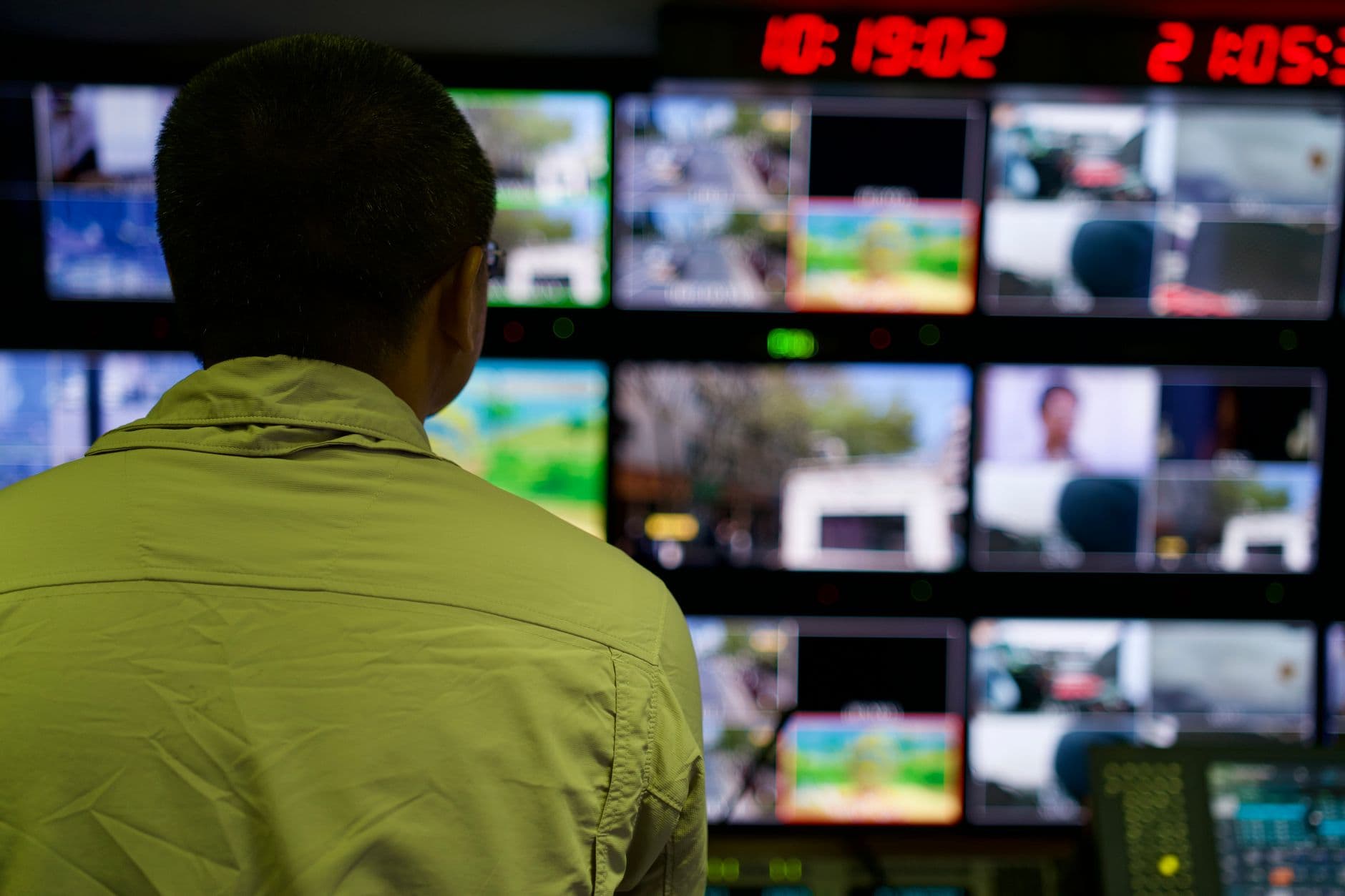

يقوم برج مراقبة سلسلة التوريد باكتشاف مشكلة، واتخاذ قرار بالاستجابة، والتأكد من تنفيذ القرار. إذا كان ما يتم بيعه لك يكتشف ويعرض ولكنه لا يستطيع اتخاذ قرار أو اتخاذ إجراء، فهو لوحة معلومات باسم أفضل. هذا التمييز هو الموضوع برمته، وهو يفسر لماذا تنتهي العديد من هذه البرامج بشاشات لا يفتحها أحد بحلول الشهر التاسع.
لقد راجعت عددًا من هذه عمليات النشر، وتلك التي نجحت شاركت ميزة لا تظهر في أي مقارنة للموردين: سُمح لشخص واحد مُسمى بإنفاق المال في الساعة الثانية صباحًا دون طلب الإذن. العديد من حالات الفشل كان لديها برامج أفضل من حالات النجاح.
الطبقات الأربع، وكيف تفشل كل واحدة منها
| طبقة | وظيفة | فشل نموذجي |
|---|---|---|
| استيعاب البيانات | اسحب الطلبات والشحنات والمخزون وأحداث الناقل إلى مكان واحد | عدم تطابق البيانات الرئيسية، حيث يحمل أحد المواقع أربعة معرفات ولا يتطابق أي منها |
| نموذج الحدث | حوّل الخلاصة إلى حالات مثل متأخر، أو في خطر، أو ناقص | تُطلق التنبيهات عند كل انحراف، لذا يقوم الموظفون بكتمها في غضون ثلاثة أسابيع |
| منطق القرار | اقترح أو اختر الاستجابة، مع تحديد التكلفة | توصي بالشحن الجوي الذي لن يوافق عليه أي صاحب ميزانية. |
| التنفيذ والمراجعة | ادفع القرارات مرة أخرى إلى الأنظمة التي تنقل البضائع، وسجل النتيجة. | تكامل للقراءة فقط، لذا تتم إعادة كتابة كل قرار يدويًا في نظام آخر |
يُقيّم المشترون الطبقة الرابعة أخيرًا، وهي تقرر ما إذا كانت الاستثمارات ستُحقق أي عائد. لا يمكن لبرج يتكامل للقراءة فقط إغلاق الحلقة، لذلك لا يمكنه أبدًا إثبات قيمته الخاصة. عندما يصل التجديد بعد 24 شهرًا، لا يمكن لأحد الإشارة إلى شحنة تم إنقاذها، ويذهب الميزانية إلى مكان آخر.
سلم النضج، وصف بأمانة
يصف البائعون عمومًا 4 مراحل. معرفة أي مرحلة تشتريها مهم، لأن فجوات الأسعار كبيرة وفجوات القدرات أكبر.
- **الرؤية.** تظهر أين الأشياء. مفيدة حقًا، ويتم بيعها بشكل روتيني كمنتج كامل.
- تنبؤية. تقدّر وقت الوصول وتشير إلى الشحنات التي قد تتأخر. لا تستحق الدفع إلا إذا كان التقدير أفضل من تقديرات المخططين لديك في 8 من كل 10 حالات، وهذا ادعاء قابل للاختبار ونادراً ما يتم اختباره.
- توجيهي. يقترح استجابة محددة مع مقارنة للتكاليف. تتوقف جودة البيانات الرئيسية عن كونها قابلة للتفاوض في هذه المرحلة.
- مستقل. ينفذ استجابات محددة ضمن حدود لا يوافق عليها أحد بشكل فردي، وهو نفس السؤال الحدودي الذي أثاره وكلاء الذكاء الاصطناعي لاقتباس الشحن. العمليات القليلة تعمل هنا، والحوكمة بدلاً من التكنولوجيا هي الحاجز في كل عملية نشر رأيتها منذ عام 2019.
تريد معظم المنظمات التي تسألني عن برج المراقبة سلوك المرحلة الثالثة وتحتفظ ببيانات تدعم المرحلة الأولى. اكتشاف ذلك بعد التوقيع مكلف، وتدقيق بيانات لمدة أسبوعين يكشف عن ذلك مسبقًا.
البيانات التي تحتاجها قبل التسوق
لا تفشل هذه الأنظمة بسبب الخوارزميات. تفشل بسبب المدخلات، والمدخلات المطلوبة محددة. الشحن البحري يتطلب أحداثًا رئيسية للمُحَمِّل، وبيانات موقع السفينة من AIS، ومرجع حجز يبقى ساريًا حتى عند إعادة الشحن. تنشر جمعية الشحن البحري للحاويات الرقمية (DCSA)، التي تأسست في عام 2019 من قبل ميرسك، وMSC، وCMA CGM، وHapag-Lloyd، معايير معايير التتبع والتتبع التي تجعل هذه الأحداث قابلة للمقارنة بين المُحَمِّلين، ومقدم الخدمة الذي لا يستطيع تحديد الإصدار الذي يستخدمه يكون على تخمين.
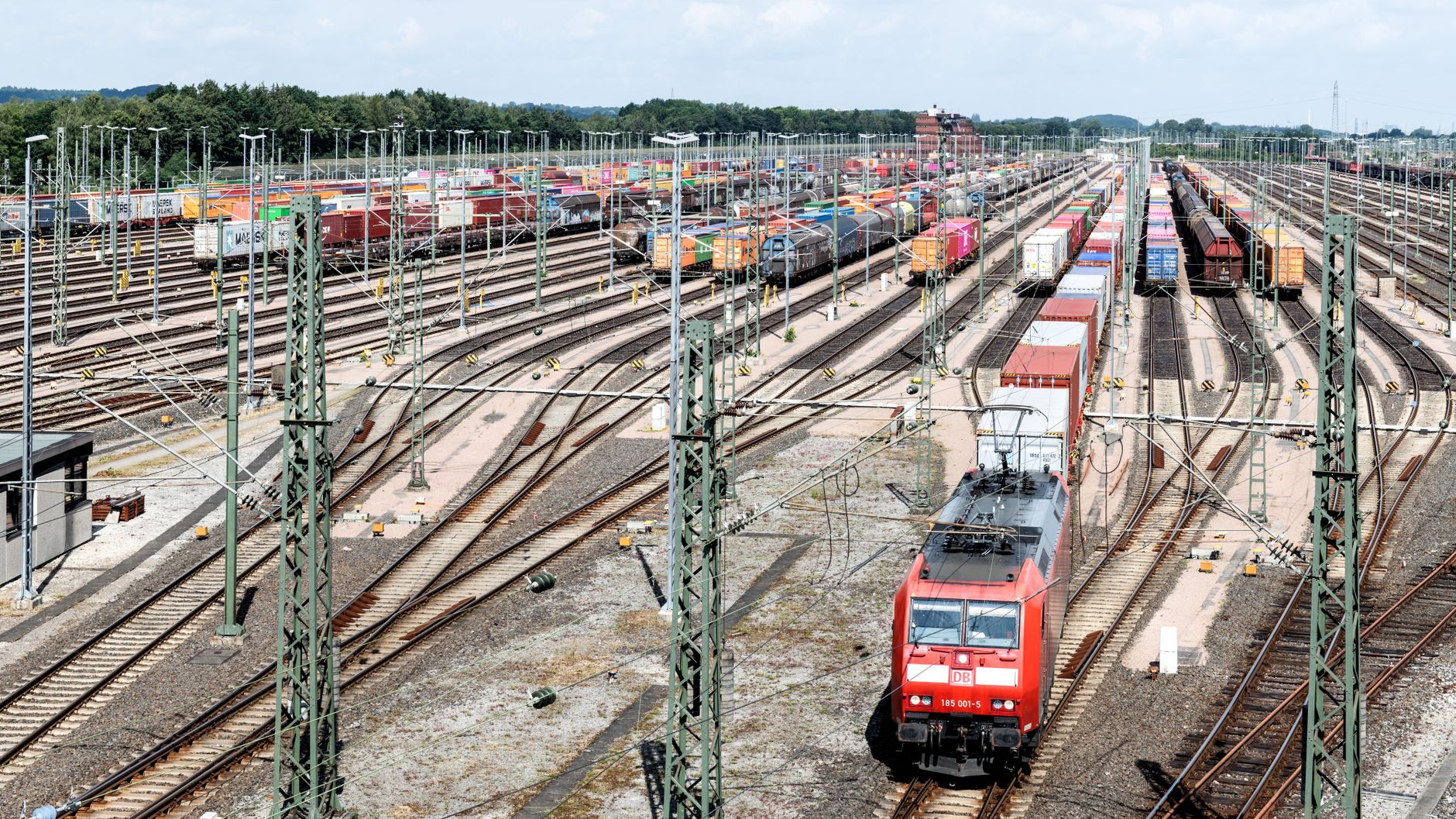
يحتاج الشحن البري إلى رسائل حالة EDI 214 أو واجهة برمجة تطبيقات الناقل، بالإضافة إلى إجابة صريحة حول التعاقد من الباطن، لأن سائق المتعاقد من الباطن ليس على تطبيق مزودك. المناقصات والتسوية تضيف 204 و 990 و 210 إلى نفس المحادثة. فوق النقل، تحتاج إلى تحديث مواقع المخزون بشكل متكرر أكثر من التحديث الليلي، وأوامر الشراء المفتوحة مع تواريخ الالتزام، وسيد المواقع حيث يحتفظ كل موقع بمعرف واحد بالضبط.
تبدو هذه النقطة الأخيرة تافهة وتسبب تأخيرًا أكثر من أي شيء آخر، كما تظهر الأشهر الخمسة أدناه. لقد شاهدت برنامجًا يقضي هذا الوقت في المصالحة بين رموز المصنع بين نظام تخطيط موارد المؤسسات (ERP) ونظامي مستودعات قبل تشغيل أي منطق برج واحد. اختبار مفيد لما قبل الشراء لا يكلف شيئًا: خذ 10 شحنات سارت بشكل خاطئ في الربع الأخير وأعد بناءها يدويًا، من أنظمتك الحالية، اللحظة التي أصبح فيها كل مشكلة معروفة. إذا لم يتمكن فريقك من بناء هذا الجدول الزمني يدويًا، فلن تتمكن أي منصة من بنائه تلقائيًا.
بناء أو شراء
| منهج | منطقي عندما | مركز التكلفة الحقيقي | مخاطر |
|---|---|---|---|
| وحدة تخطيط الأجنحة | أنت تدير بالفعل حزمة تخطيط هذا المورد | رخصة بالإضافة إلى تكوين، عادةً التزام لمدة 3 إلى 5 سنوات | قوي داخل نموذج بيانات البائع، ضعيف في البيانات الخارجية |
| أخصائي رؤية | الفجوة لديك هي أحداث النقل وتقديرات الوصول | تسعير لكل شحنة أو لكل مسار يتناسب مع الحجم | ممتاز في النقل، وليس محرك قرارات |
| ابنِ على منصة تمتلكها | لديك القدرة الهندسية وعمليات غير عادية | الأشخاص، بشكل دائم، بدلاً من ميزانية المشروع | أنت الآن تمتلك منتجًا ويجب عليك توظيف موظفين له |
| تجمع حول نظام إدارة النقل | معظم الاستثناءات هي استثناءات نقل | عمل التكامل لكل ناقل، وغالبًا ما يستغرق 6 أسابيع لكل ناقل. | عرض رفيع للمخزون والطلب |
تُعد الفئات أكثر أهمية من الأسماء، لكن الأسماء تجعلها ملموسة. شركة Kinaxis، التي تأسست عام 1984، وشركة o9 Solutions، التي تأسست عام 2009، وشركة Blue Yonder، التي اشترتها شركة باناسونيك عام 2021 مقابل مبلغ أبلغ عنه بقيمة 7.1 مليار دولار، تبيع منتجات تتمحور حول التخطيط مع برج خاص بها على نموذج بياناتها الخاص. تضع شركتي SAP و Oracle وحدات ضمن مجموعاتهما الأوسع. تتخصص شركتا Project44 و FourKites، اللتان تأسستا عام 2014، في رؤية النقل. تبيع شركة E2open، التي تأسست عام 2000، منصة شبكة، وتعمل شركة Altana على تعيين الموردين بما يتجاوز المستوى الأول.
درس الحوكمة من TradeLens
تم إيقاف منصة TradeLens، التي أطلقتها شركة ميرسك بالتعاون مع IBM في عام 2018، في عام 2022 بعد 4 سنوات من العمل. كانت البرمجية تعمل، وانضمت إليها أكثر من 175 منظمة، بما في ذلك خمس من أكبر ست شركات شحن حاويات. ما لم تحققه المنصة أبدًا هو الحصول على ما يكفي من بياناتهم الفعلية، لأن منصة مملوكة لأكبر منافسيك هي مكان لتواجدك وليس مكانًا تلتزم به.
بالنسبة لبرنامج داخلي، يتعلق الدرس القابل للنقل بالملكية بدلاً من البلوك تشين. البرج المملوك لوحدة أعمال واحدة تحتاج إلى بيانات من ثلاث وحدات أخرى سيُحرم بنفس الطريقة التي حدثت مع TradeLens. يجب على من يملكه إما أن يمتلك البيانات أو أن يمتلك السلطة للمطالبة بها، وهذه المسألة تنتمي إلى مرحلة التصميم بدلاً من اللجنة التوجيهية الثالثة.
الإجراءات التي تنجح في مراجعة مالية
تسجيلات الدخول إلى لوحة التحكم وعدد التنبيهات هي مقاييس زائفة، وهي ما تقدمه معظم البرامج. هذه المقاييس الخمسة قابلة للدفاع عنها:
- الوقت من المعلوم إلى المعروف. إذا كان التأخير قابلاً للكشف يوم الإثنين وتعلم فريقك يوم الخميس، فإن هذه الأيام الثلاثة هي المهمة.
- وقت إغلاق الاستثناء. الساعات بين التنبيه وقرار مسجل بشأنه. زيادة عدد التنبيهات مع ثبات وقت الإغلاق تعني أنك اشتريت ضجيجًا.
- تسريع الإنفاق. يجب أن تنخفض تكاليف الشحن الجوي الطارئ والطرق الممتازة، لأن المشاكل تظهر مبكرًا بما يكفي لإيجاد حلول أرخص.
- **نسبة الاستثناءات المغلقة تلقائياً.** المقياس الوحيد الصادق للنضج، والمقياس الذي تتجنب الشركات المصنعة اقتباسه.
- **تقدير الدقة مقابل خطي أساس للمقارنة.** قارن وقت الوصول المتوقع بوقت الوصول الفعلي وبتقديرات المخططين لديك، لأن التفوق على تقدير شركة النقل أمر سهل، والتفوق على مخطط خبير ليس كذلك.
التسلسل الذي يعمل
ابدأ بنوع استثناء واحد يكلف مالًا حقيقيًا ويمكنك عده، مثل حاويات المحيط التي تفقد اتصال السكك الحديدية الداخلية. قم بقياس هذا التدفق الواحد من البداية إلى النهاية، بما في ذلك خطوة التنفيذ، ثم امنح شخصًا واحدًا بالاسم سلطة التصرف ضمن حد معين. قم بتشغيله لمدة ربع سنة وقارن وقت الإغلاق والإنفاق السريع مقابل الربع السابق.
ينتج عن ذلك عرض توضيحي أول غير مثير للإعجاب وحالة عمل قابلة للدفاع عنها، وهو الترتيب الصحيح. ربط كل مصدر بيانات قبل اختيار قرار لتحسينه هو كيف تصبح هذه البرامج مشاريع تكامل مدتها عامين تنتهي بشاشة ولا دليل. إذا فشل الإصدار الأول في تغيير قرار واحد في غضون 90 يومًا، فإن شراء طبقات إضافية لن ينقذه.