Author
James Miller specializes in global logistics and supply chain dynamics. His investigative work explores the intricacies of international trade, infrastructure challenges, and technological advancements shaping modern commerce. He advocates for sustainable practices and transparency in supply chain operations.


Tata Motors' Acquisition Interest in Iveco Group: What’s Next for the Trucking Sector
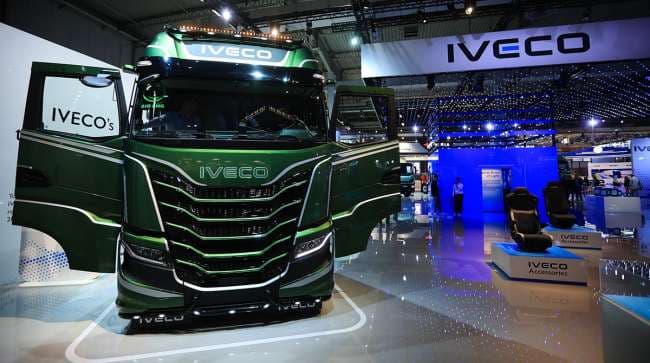
The recent interest expressed by Tata Motors in acquiring the Italian truck manufacturer, Iveco Group NV, opens up a fascinating chapter in the logistics and transportation sectors.

Milence Accelerates Expansion in France, Strengthening the Electric Truck Charging Network
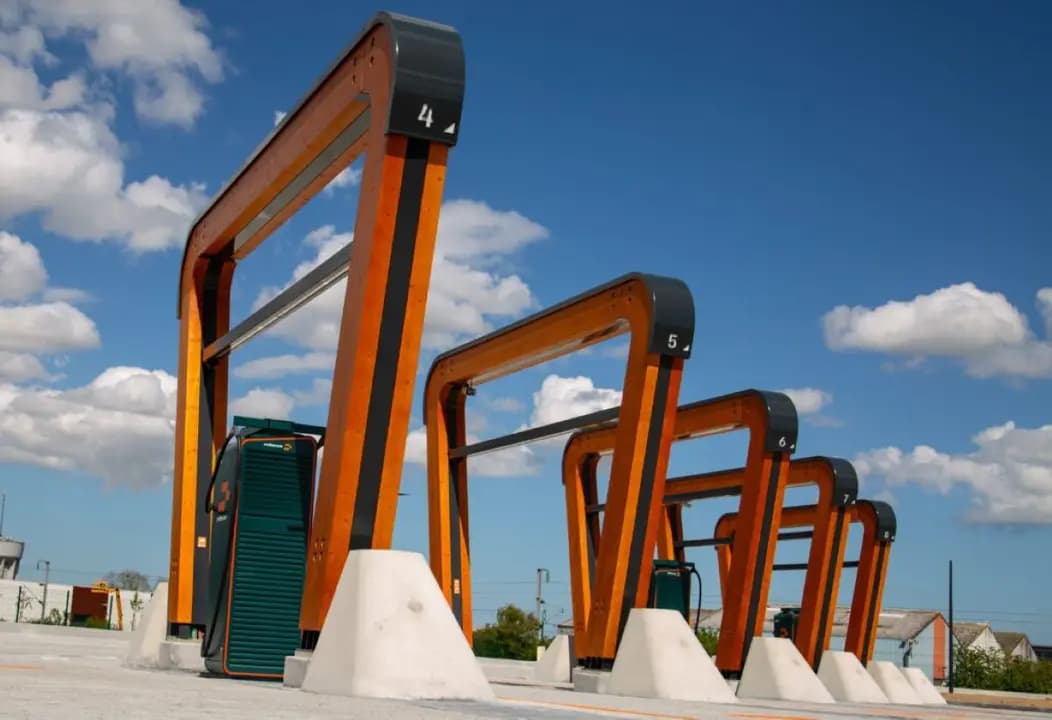
Milence, a joint venture established by leading industry players like Daimler Truck, TRATON GROUP, and Volvo Group, has marked a significant milestone with the opening of its ninth charging center in France.

New Charging Depot at Port of Oakland Advances Emission-Free Logistics
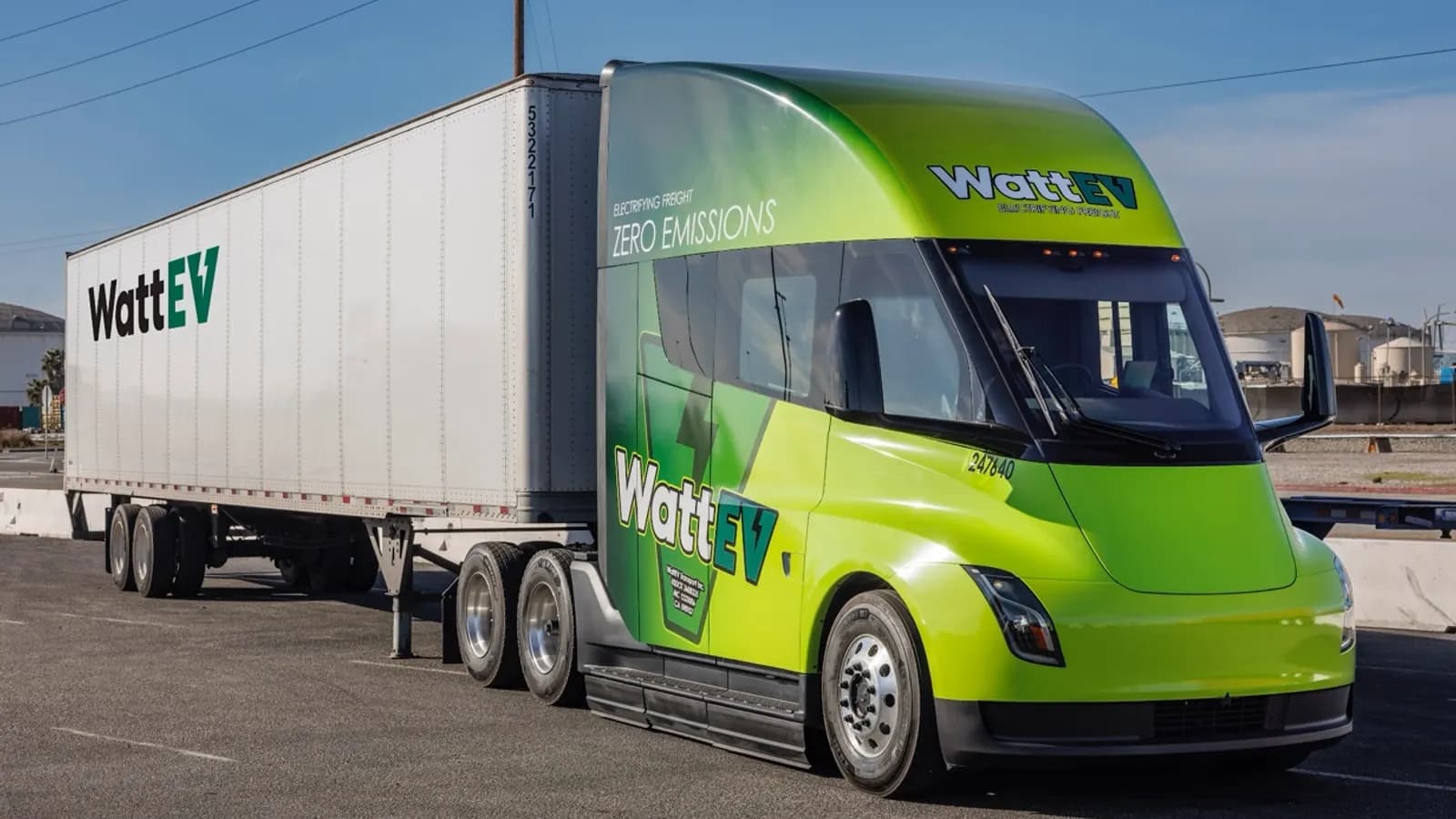
The Port of Oakland has recently taken significant strides towards enhanced sustainability in logistics.

Fuel Surcharge Changes Likely Raise Airfares in August
Higher airfares are expected in August as the Civil Aeronautics Board (CAB) has revised the fuel surcharge levels that airlines may impose on both passengers and cargo during this period.

Legislative Efforts to Reform Excise Tax on Trucking Equipment
Recent attempts to modify the federal excise tax affecting the trucking industry have once again reignited discussion among industry veterans and legislators alike.

Mack Trucks Pioneer: A Revolution in Aerodynamics and Comfort
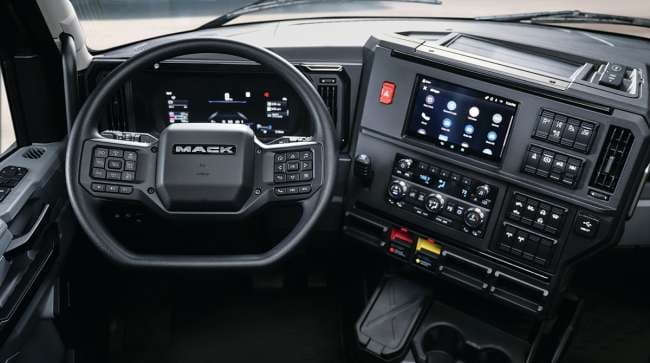
The Mack Trucks Pioneer has entered the market, promising significant advancements tailored for long-haul trucking needs.

New Officers and Goals for the United Portusers Confederation of the Philippines
Introduction to UPC's New Leadership The United Portusers Confederation of the Philippines, Inc. (UPC) has recently elected new officers and a Board of Trustees (BOT) for the term 2025 to 2027, with a focus on enhancing logistics within the country. This new leadership aims to strengthen internal collaboration and the implementation of their advocacy campaign. Overview of New Leadership Structure Ma. Flordeliza Leong has been appointed as president, taking over from Nelson Mendoza, who has transitioned to the role of executive vice president. This change in leadership highlights the UPC's commitment to evolving and addressing the logistics industry's challenges. Elect Leadership Team

Surge in Electricity Demand Drives Coal Transport Growth
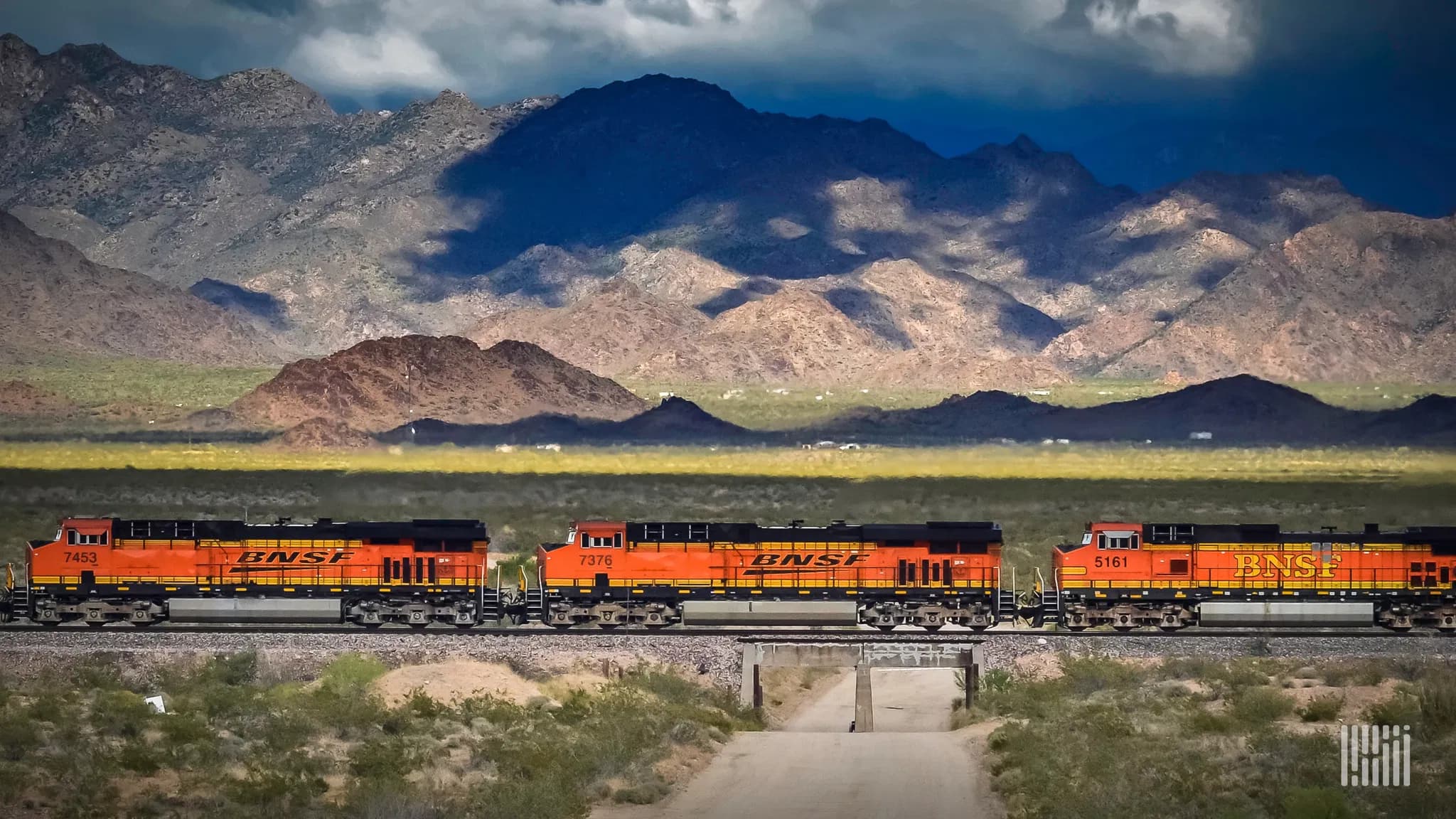
As highlighted by data from the Association of American Railroads, three major commodities are propelling the performance of Class I railroads in 2025: intermodal containers, coal, and grain.

U.S. Freight Industry Faces Significant Job Cuts Amid Economic Shifts
The recent wave of layoffs experienced by freight-related companies in the United States raises pressing questions about the future of the logistics industry.

A. Duie Pyle Expands Service Capabilities in Ohio
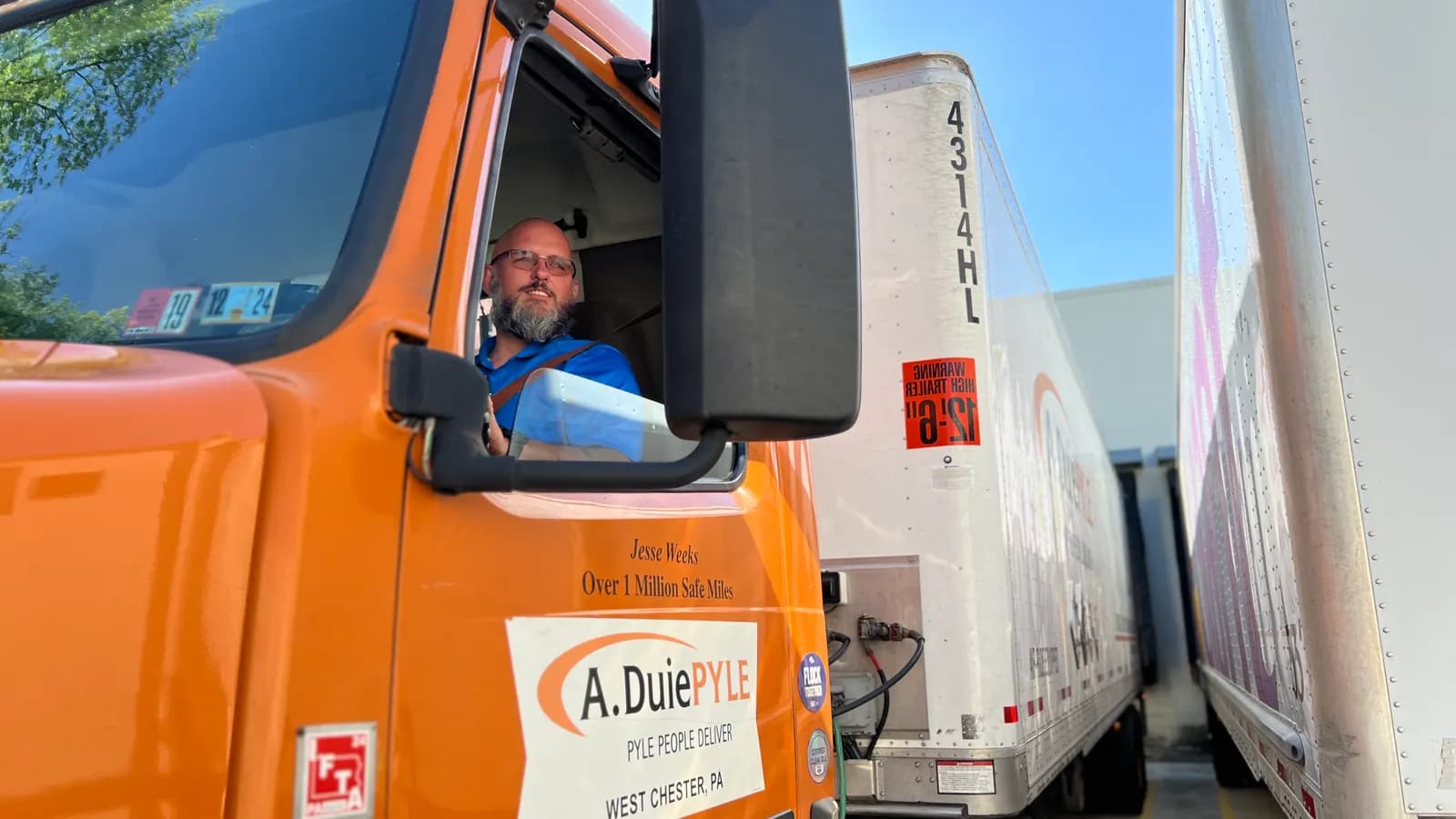
New Terminal Openings A. Duie Pyle is set to improve logistics operations in Ohio with the opening of two new terminals on July 21. Locations in Columbus and Bowling Green will enhance service and delivery efficiencies significantly. Reaction to Market Demands In a bid to better serve its customers, A. Duie Pyle is responding to shifting market demands influenced by a transportation management system quirk that pushed some clients to other service providers. The chief operating officer of LTL Solutions, John Luciani, noted that route planning software had caused the company to see customers fleetingly depart. Expanding Footprint in the Buckeye State With a focus on bolstering service

Enhancing Logistics Operations Through Entry-Level Automation Solutions
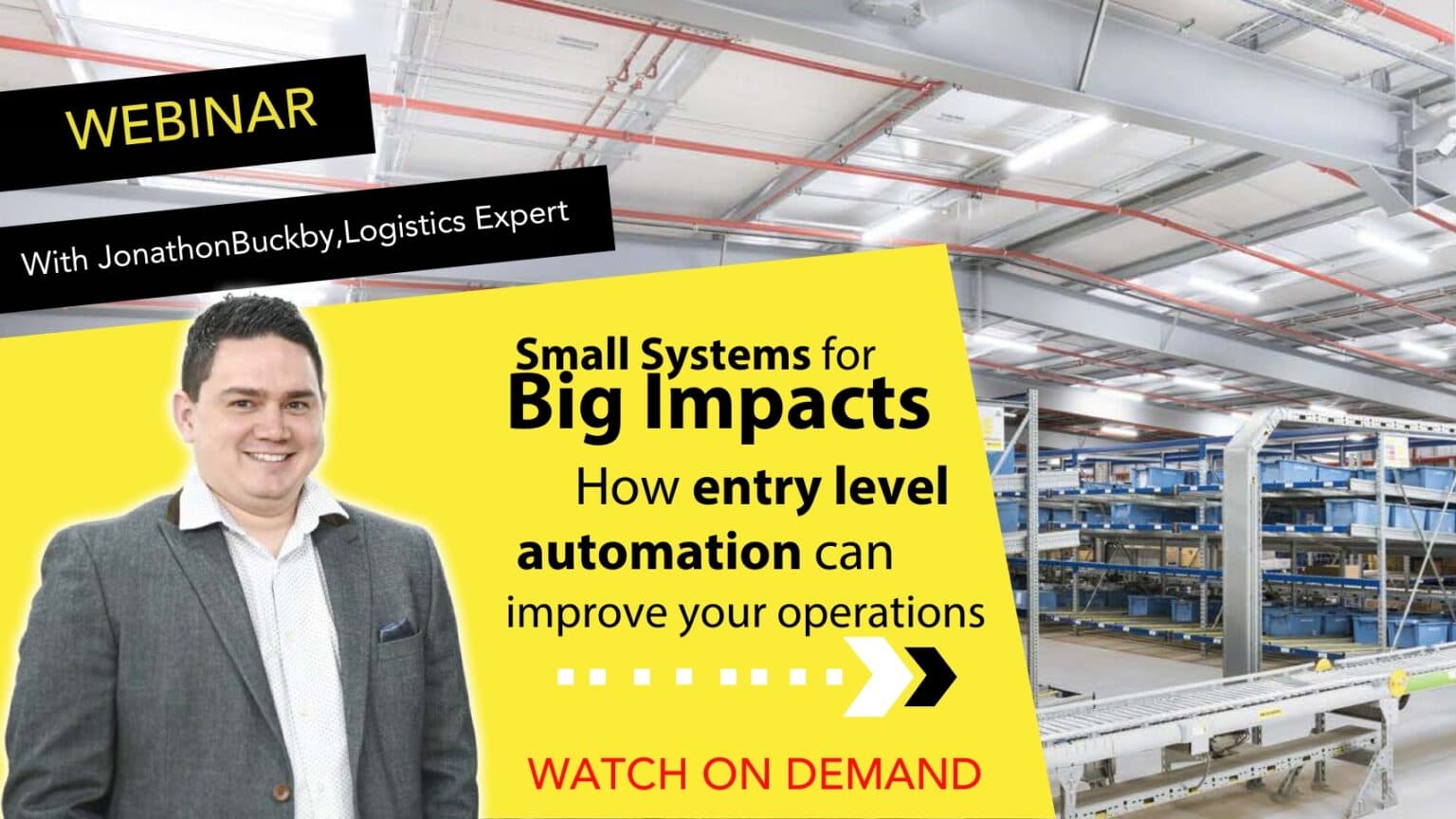
Entry-level automation is increasingly gaining traction within the logistics industry, mainly because it offers significant advantages in streamlining operations and enhancing overall efficiency.

Transformative Changes in LTL Freight Classification Reflect Density-Based Approach
Recent developments have introduced significant alterations to the classification of less-than-truckload (LTL) freight.