


 Čeština
  English (UK)
  Русский
  العربية
  日本語
日本語  한국어
한국어  Magyar
  Türkçe
  Español
  Svenska
  Português
  Ελληνικά
  Suomi
Suomi  Nederlands
  Română
  Italiano
  Français
  Polski
  Українська
  Deutsch
  简体中文
简体中文  Slovenčina
  Amazon Anticipatory Shipping – How the Patent Could Ship Before You Buy">

Recommendation: map residential clusters likely to receive early shipments and run a three-zone pilot in three selected residential neighborhoods to validate flow, speed, and handling.
The patent describes embodiments that could enable shipments before purchase, relying on signals from warehouses, carriers, and consumer intent. Track how orders are prepared and handled at each step to keep accuracy, with a focus on speed. The approach záleží on data from multiple sources and a privacy framework that can be tested simply across pilot zones.
Operational plan requires alignment across fulfillment centers and regional hubs. The filed patent outlines several embodiments and including a network of small buffers, so shipments can move quickly with rychlost and reliability. In practice, zaměstnanci in residential areas would play a key role in validating handling, requiring precise routing and real-time adjustment.
Three central questions remain: certain predictive accuracy, the balance of customer trust, and among other factors including privacy, cost, and system load. The model tests how many SKUs can be shipped ahead without tying up capital and sufficiently predictable demand, aiming for rychlost with reliable handling.
Overview of Amazon Anticipatory Shipping and Replication Challenges
Begin with a controlled regional pilot to validate the model before full rollout. This clear recommendation reduces risk while you observe real-world interaction with guardians of privacy and customer trust.
Anticipatory shipping aims to shorten delivery times by acting on purchase likelihood before a buyer places an order. The system relies on location signals, browsing activity, and historical buying patterns to identify where a package could be staged, particularly in high-traffic corridors. Although the approach raises questions about inventory held without a confirmed purchase, tight guardrails around consent and data usage keep the practice manageable. The ultimate goal is to improve outcomes such as speed, accuracy, and customer satisfaction, without increasing waste or misallocating assets.
At a high level, this setup consists of several components that must work together in real time. Data streams feed predictive models, which translate signals into operational actions. A package may be prepared in advance of a sale, then communicated to the nearest fulfillment node or carrier hub. Physically moving items ahead of a confirmed order carries risk, so the plan emphasizes narrow pilots, clear thresholds, and rapid rollback if signals misfire. The next step is to map how location, inventory, and capacity interact across the network to minimize errors.
Geographically distributed facilities, flexible inventory policies, and tight coordination with carriers form the backbone of replication. The likelihood of success depends on precise timing, accurate signals, and well-defined request workflows from stores and distribution centers. In practice, teams inject signals into the system when a shopper shows intent, then monitor outcomes to adjust thresholds and states of the model. This cycle keeps the approach adaptive rather than rigid.
Key considerations center on privacy, data quality, and operational discipline. Without robust data governance, mispredictions can lead to excess stock, obsolescence, or customer distrust. Data quality affects every step, from recognizing location relevance to interpreting probabilistic outcomes. To mitigate risk, teams establish part-based fallbacks–for example, reverting to standard shipping if confidence drops below a defined threshold.
- Location and demand signals underpin forecasting for each part of the network.
- Autonomous elements in the pipeline adjust staging and routing in real time.
- Package readiness is synchronized with inventory and carrier capacity.
- Communication threads with customers and stores keep expectations aligned.
- Security measures protect sensitive data while enabling timely reactions.
Replication challenges emerge as the system scales beyond a single region. The same techniques must perform consistently across multiple states and geographies, requiring rigorous testing of models in different contexts. Data replication across sites must preserve privacy constraints while maintaining low latency for decision-making. The states of demand signals can shift with seasonality, events, or regional promotions, so models require continual recalibration and robust validation pipelines.
- Data synchronization across geographically dispersed facilities is essential to avoid stale signals and mismatched inventory, which lowers the chance of correct outcomes.
- Model portability must handle diverse market conditions, shopper behavior, and supply constraints, not just a single location.
- Inventory planning and packaging workflows must align with carrier windows, reducing the risk of early holding or late pickups.
- Privacy controls and consent mechanisms must remain front and center as signals are injected into the forecasting loop.
- Request handling from stores and hubs must be precise, with clear escalation paths when predictions fail or become unreliable.
Techniques to manage replication include modular modeling, federated learning approaches, and sandboxed experiments that compare alternative signals and thresholds. By simulating multiple states and routes, teams estimate outcomes and adjust processes before committing capital to a wider roll-out. In this way, the organization learns which components drive success, such as signal quality, packaging design, and carrier coordination, rather than relying on a single path to the market.
Next steps focus on tightening governance, validating predictions at scale, and communicating decisions clearly to customers. A transparent request mechanism for opt-in data sharing helps balance business benefits with user preferences. Teams should document the part of the network where anticipatory actions are enabled and specify the fallback options when signals are weak or incorrect.
Conclusion: A disciplined replication strategy targets data integrity, privacy safeguards, and repeatable metrics, enabling gradual expansion from a pilot to broader regions while maintaining trusted customer experiences.
What the patent covers: scope of pre-shipment based on predicted demand
Adopt a clear basis: the patent covers anticipatory pre-shipment actions driven by predicted demand signals. Architectures illustrate how signals feed a decision layer and trigger shipments ahead of arriving customer orders, shortening lead times and reducing stockouts.
The scope covers businesses across the ecosystem and includes several players, from manufacturers and logistics providers to retailers, including arrangements that adapt to partner needs.
Predicted demand forms the basis for decisions. The system must use signals from multiple sources, including historical data and real-time indicators, and generally relies on a risk-aware cost model. When forecast signals are favorable, the potential benefits justify pre-shipment.
Geographically, decisions vary by region. The patent includes architectures that support local or regional pre-shipment, with shipments shipped to hubs where facilities can receive stock. The workflow includes arriving stock and related validations to ensure alignment with downstream demand.
Scenarios cover high-demand corridors, seasonal spikes, and new-product introductions. In each scenario, the administration should ensure data privacy, auditability, and accountability, with clear ownership of signals and decisions.
Implementation guidance: define gating rules that tie shipments to forecast confidence, monitor accuracy, and limit shipments to geographies with sufficient capacity. Begin with a conservative pilot and measure impact on service levels, shipped units, and cost per unit; expand to additional geographies as forecast quality improves.
Signals and data sources: browsing, cart, location, and inventory cues
Prioritize real-time signals across browsing, cart, location, and inventory to tighten anticipatory shipping decisions. Use combinations of signals rather than single events to reduce false positives. Adopt a manso approach that balances speed and accuracy, iterating with targeted tests and clear feedback loops. Maintain supervisory oversight to ensure privacy, consent, and platform policies stay aligned with legal-status requirements.
Browsing cues drive the early signal of intent. Illustrative metrics include pages viewed, search queries, dwell time, and sequence of category exploration. When a user visits multiple related pages in a short window, elevate readiness scores by 15–25% in the next 24 hours; if dwell time exceeds 60 seconds on a high-price item, increase pre-ship probability by roughly 18–28%. Normalize signals by device, session, and user profile to keep input noise low. Feed these inputs into a real-time scoring engine that updates every few minutes and feeds decisions to inventory and fulfillment platforms.
Cart signals sharpen timing. Items added to cart, quantity, price changes, and cart abandonment signals converge to a higher likelihood of fulfillment intent. In practice, a sequence of adds across related SKUs can raise pre-ship probability by 20–35% within the same day, especially when the cart includes items with shared delivery windows. Use conjunction with stock checks to ensure there is sufficient inventory in the nearest fulfillment node before triggering any pre-ship action. If the cart is abandoned and price movements revert, scale back the urgency to avoid unnecessary shifts in the speed of fulfillment.
Location cues pair user movement with proximity to inventory sources. Device location, travel patterns, and pickup preferences form a spatial input that guides where to place a shipment or which hub to preload. When a user enters a radius around a warehouse or a regional distribution center, increase readiness thresholds accordingly, but respect legal-status boundaries and user consent. In conjunction with current stock and transit times, location signals can boost the chance of a shipped item arriving within the customer’s preferred window by 12–22% on average.
Inventory data supply the feasibility check. Real-time stock levels, replenishment cadence, and cross-warehouse availability feed the decisions that determine what can be pre-positioned, where, and when. Advanced forecasting combines sales history, seasonality, and supplier lead times to produce a reliability score for each SKU across platforms. When inventory confidence remains high (sufficiently high, e.g., above 80%), use faster pre-ship lanes for high-demand items; when confidence dips, hold or delay until cross-warehouse confirmation is obtained to minimize restocking risk. Physically track allocations to avoid oversell and ensure that there is a clear, auditable trail for each shipped item, with a straightforward mechanism for salespeople or customer support to verify status if needed.
Integrating these cues exposes complexity, but disciplined design keeps it manageable. Map each signal to a specific decision boundary, create a unified input schema, and maintain a transparent audit trail across supervisory controls. The system should handle various inputs–from user behavior to backend inventory feeds–without overfitting to a single channel. Use illustrative case studies to test edge cases, such as simultaneous browsing spikes and stockouts, and adjust thresholds to maintain accuracy while preserving speed.
Fulfillment architecture: hub-and-spoke networks, buffering, and last-mile implications
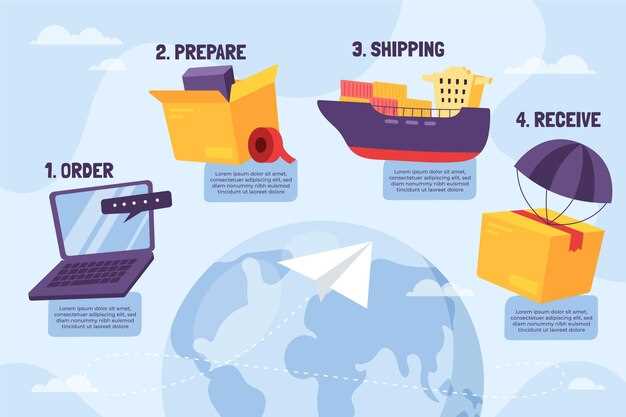
Zmapujte svou síť plnění jako paprskovité uspořádání a nastavte pravidla pro vyrovnávání zásob ukotvená v predikcích, abyste minimalizovali odchylky v poslední míli; tento přístup přímo zlepšuje spolehlivost doručení a snižuje prostoje.
Definujte páteř s regionálními uzly propojenými vysokorychlostními spoji a sdílený kód pro koordinaci rozhodnutí; použijte jediný datový tok pro řízení směrování a umísťování zásob a poskytněte nástroje pro operátory.
Určete vhodné hloubky vyrovnávací paměti podle produktové řady, dodací lhůty dodavatele a profilu objednávek; udržujte stanovenou hloubku vyrovnávací paměti pro vysoce prioritní položky a používejte časové okno, které pokrývá rychle se pohybující skladové položky a zároveň se prodlužuje pro běžné položky.
Dopady poslední míle: nákladní vozidla pro více zastávek, optimalizované řazení snižuje počet jízd; plán omezit aktivitu poslední míle během dopravní špičky a sladit s prioritními a běžnými dodávkami.
Předpovědi ovlivňují umisťování akcií a směrování pokynů; definujte, co předvídat, specifikujte potenciálně zajímavé signály od zákazníků a označujte položky jako objednané, aby se spustilo doplnění zásob.
Účetnictví a správa: sledování nákladů každého uzlu, včetně paliva, práce, manipulace a omezené reverzní logistiky; zajištění, aby metriky souvisely s vazbami mezi uzly a dopravci, a zpřístupnění panelů všem členům provozního týmu.
Vracení a rozmanitost: spravujte vrácené položky v centrech; zohledňujte rozmanitost SKU a upravujte rezervy, abyste snížili zpoždění související s vracením; ať už je to jakákoli SKU, udržujte citlivou smyčku.
Směrování a analýza provozu ve stylu Wayve mohou rozšířit rozhodování o ukládání do vyrovnávací paměti; využijte datový tok plus cenné externí zdroje ke zlepšení časování v poslední míli.
Při pohledu na celý rok přizpůsobte vyrovnávací zásoby sezónnosti a regionální poptávce; strategii měňte podle trhu a zachovejte flexibilitu pro reakci na promo akce a přerušení dodávek.
Rizika a ekonomické aspekty: chybné předpovědi, výnosy a alokace kapitálu
Vyčleňte rezervní kapitálovou rezervu a implementujte systém spouštění zásilek řízený daty, které předcházejí nákupům, s jasnými prahovými hodnotami a týdenními validačními sezeními. Založte plán na předpokladu, že nesprávná predikce by mohla ovlivnit 7–12 % hodnoty předběžné zásilky, a přidejte další rezervu ve výši 2–4 % na pokrytí manipulace, vratek a zastaralosti. Zapojte vedoucí pracovníky z oblasti dodavatelského řetězce, financí a IT, aby ověřili model a kodifikovali rozhodovací pravidla do stručného souboru kódů, které řídí autonomní schvalování nebo pozastavení. Udržujte přídavek k pojistné zásobě pro položky s vysokou obrátkou a spoléhejte se na historii z pilotních projektů startupů pro zpřesnění schématu a synchronizace napříč procesy. Používejte signály získané z objednávek, inventáře a tržních dat k řízení těchto zásilek, které jsou zákazníkům prezentovány jako proaktivní možnost.
Operační design se zaměřuje na obecný cíl vyvážení rizika a úrovně služeb. Rovněž sledujte skladové jednotky a zásilky, abyste zajistili soulad s prognózou; plán zahrnuje publikaci výsledků interním týmům a externím zúčastněným stranám. Tento rámec je propojen s finančními metrikami a používá určité klíčové ukazatele pro měření pokroku. Kombinace těchto vstupů prostřednictvím kombinací poptávky, nabídky a logistických signálů pomáhá snižovat chyby v predikcích a zároveň zachovávat zákaznickou zkušenost a kontrolu nákladů. Odesílatel může využít svá data na podporu neustálého zlepšování a sdílet poznatky ve stručné publikaci, která informuje o strategii a alokaci kapitálu.
Pro vizualizaci rizik a provedení diagram propojuje prognostické signály, synchronizační kadenci a skutečné dodávky, přičemž tato propojení vyjadřují, jak se úpravy šíří sítí. Tato propojení pod prahovou hodnotou spouštějí přehodnocení a přerozdělení, zatímco data z různých zdrojů napájejí model. Tento přístup používá obecnou metodologii, která se škáluje napříč jednotkami a kategoriemi produktů a podporuje autonomní rozhodovací vrstvu, která je v souladu s řešením startupu.
| Rizikový faktor | Odhad | Mitigation | Poznámky |
|---|---|---|---|
| Důsledek chybného ocenění | 5–121 % z prognózované hodnoty na cyklus | Dynamická úprava, fázovaná dodávka, zadržování, časté přepracování prognóz | Na základě historiek od pilotů |
| Vrácení zboží a úpravy po zakoupení | 12–25 % z odeslaných kusů | Vylepšené velikosti, jasné informace o produktu, flexibilní vrácení peněz | Výnosy ovlivňují ziskovost; optimalizujte čisté náklady |
| Vázanost pracovního kapitálu | 1,5–3,0 % ročního příjmu vázaného na anticipační akcie | Postupné uvolňování produktů, odběrové závazky, dynamické doplňování zásob | Snížit s tím, jak se zlepšuje přesnost prognóz |
| Dodatečné náklady na správu a řízení | 2–51 TP3T rozpočtu programu | Standardizujte relace, opakovaně používejte kódy, automatizujte kontroly | Počáteční náklady mohou být vysoké; s rozsahem klesají |
| Riziko synchronizace dat | 24–48 hodin | Sjednocená datová struktura, signály v reálném čase, aktualizace řízené událostmi | Klíčové pro načasování dodávek |
| Vnímání zákazníka/odesílatele | Nízký až střední dopad na důvěru | Transparentní zveřejňování metrik, jasné zásady vracení zboží | Veřejná publikace zvyšuje odpovědnost |
Plán implementace: začněte řízeným pilotním projektem ve 2–3 jednotkách a po vyhodnocení trendů KPI proveďte škálování. Udržujte týdenní setkání pro porovnání prognózy a výsledků, upravte předpoklady a přidání rezerv a vylepšete řešení pomocí konkrétních dat z obdržených výsledků. Sledujte interní publikace, abyste vedení informovali a zajistili soulad se strategickými cíli odesílatele.
Překážky replikace: přístup k datům, škálování, partnerství a regulační omezení
Doporučení: uzavřete smlouvy o sdílení dat nyní, abyste získali přístup k poskytovaným signálům, zajistili si slevové podmínky a ověřili předpovídanou poptávku pomocí řízeného pilotního programu před rozšířením.
Překážky v přístupu k datům
- Kontroly soukromí a správa dat omezují přístup k datům na úrovni zákazníka nebo zařízení, což vyžaduje anonymizaci a agregaci, která může snížit přesnost. Implementujte plán postupného přístupu, který definuje stav a úroveň využití dat, počínaje agregovanými signály a postupujíc k podrobnějším panelům, jak to vyhovuje předpisům.
- Jednání s dodavateli, maloobchodníky a logistickými sítěmi vyžadují právní práci, SLA a jasné vlastnictví odvozených poznatků. Udržujte podmínky jednoduché a vzájemně výhodné, včetně očekávaných frekvencí obnovování dat a závazků ohledně provozuschopnosti.
- Náklady na zajištění dat mohou narušit návratnost investic; vyjednejte si slevové stupně pro pilotní objemy a budoucí škálování. Zajistěte transparentnost ekonomiky s jasnými prahovými hodnotami, kdy náklady na data rostou nebo klesají.
- Kvalita a aktuálnost dat jsou důležité: dodaná data musí být dostatečně aktuální, aby bylo možné předpovídat poptávku; latence delší než několik minut zhoršuje přesnost předpovědi. Vytvořte datový kanál, který minimalizuje zpoždění a zahrnuje záložní kanály pro případ, že zdroj přejde do režimu offline.
- Výzvy spojené se schématy a interoperabilitou vyžadují společné techniky a adaptéry. Nespoléhejte se na jediný formát; investujte do nenáročného registru schémat a mapovací vrstvy pro harmonizaci vstupů od partnerů, včetně ostatních v hodnotovém řetězci.
Škálovací bariéry
- Infrastructure costs grow with model complexity and geographic reach. Start with a controlled, regional pilot (level 1) and scale only after hitting predefined accuracy and service metrics.
- Edge and cloud balance matters: distributed networks and device-reported signals can speed decisions, but require robust orchestration and monitoring to avoid drift. Plan for a scalable fleet, not a single center.
- Model training and inference loads increase with data breadth; allocate capacity for peak demand periods and plan for elastic compute to avoid bottlenecks. Support teams to keep systems serviced and responsive.
- Operational risk rises when multiple parties contribute data or triggers. Use a clear governance model to prevent conflicting signals; assign a dedicated salesperson or partner liaison to align expectations and timelines.
Partnership barriers
- Alignment across suppliers, carriers, retailers, and marketplaces is essential. Craft joint value cases that show measurable gains in service levels and delivered demand matching, including incentives for early adopters.
- Data-sharing agreements hinge on trust and risk transfer; establish transparent dashboards and audit trails so all parties can see how signals affect orders, promotions, and discounts.
- Some partners demand protection for their competitive data; offer aggregated or anonymized feeds and clearly define permissible uses to avoid leakage of sensitive information.
- Coordination costs rise with the number of participants. Create a streamlined workflow where a single point of contact (a salesperson or channel manager) coordinates requests, timelines, and escalations.
- Technology alignment across partners requires standardized interfaces. Include technical readiness as a milestone and allocate budget for adapters, testing, and training.
Regulatory constraints
- Cross-border data transfers face regional restrictions. Map where data resides, implement localization where required, and use compliant synthetic or privacy-preserving techniques when possible.
- Privacy laws (GDPR, CCPA, and equivalents) demand explicit consent, minimization, and purpose limitation. Build governance that records consent status and enforces data-use boundaries across all workflows.
- Audits and accountability become more complex with multiple partners. Maintain an auditable trail of data origins, transformations, and access events to satisfy regulators and internal risk controls.
- External tooling and services pose outsourcing risk. Vet providers (including ElevenLabs and others) for data handling, model stewardship, and security posture before integrating into the production stack.
- Compliance requirements can slow implementation. Prepare a regulatory roadmap that details when and how policies will be updated as status or level of access evolves, and mark who is responsible for later changes (they, someone, and teams).
Concrete actions to accelerate legitimate replication while staying compliant
- Inventory data sources: list what is supplied by each partner, estimate the predicted value, and document data quality metrics to justify access levels (g06q as a reference code for policy checks).
- Define a data-sharing baseline: set clear status, level, and latency expectations; negotiate a discount arrangement for early data provision and ongoing sustenance of feeds.
- Run a focused pilot: start with a limited device set and a small product portfolio to validate techniques and model outputs before broader rollout.
- Standardize interfaces: adopt a common data model and lightweight adapters to reduce friction when onboarding new partners, including others in the ecosystem.
- Governance and roles: appoint a dedicated liaison (salesperson or partner manager) to shepherd commitments, timelines, and issue resolution; document decisions in a living plan.
- Privacy-by-design: implement anonymization, aggregation, and purpose limitation from the outset; ensure data remains sufficiently protected even as signals improve.
- Regulatory mapping: create a regulatory playbook with jurisdiction-specific controls and a process to update as rules evolve, including how to handle leave or renewal of data rights later.
- Ethical and operational guardrails: use speculatively generated signals only where permitted; prefer device-led signals and offline testing where feasible to reduce risk.
By combining disciplined data governance with incremental scaling, partnerships that align incentives, and proactive regulatory compliance, replication becomes a controlled, measurable process rather than a leap. This approach keeps the system resilient, allows faster iteration on better techniques, and supports a path to broader adoption without compromising trust or safety.