


 Čeština
  English (UK)
  Русский
  العربية
  日本語
日本語  한국어
한국어  Magyar
  Türkçe
  Español
  Svenska
  Português
  Ελληνικά
  Suomi
Suomi  Nederlands
  Română
  Italiano
  Français
  Polski
  Українська
  Deutsch
  简体中文
简体中文  Slovenčina
 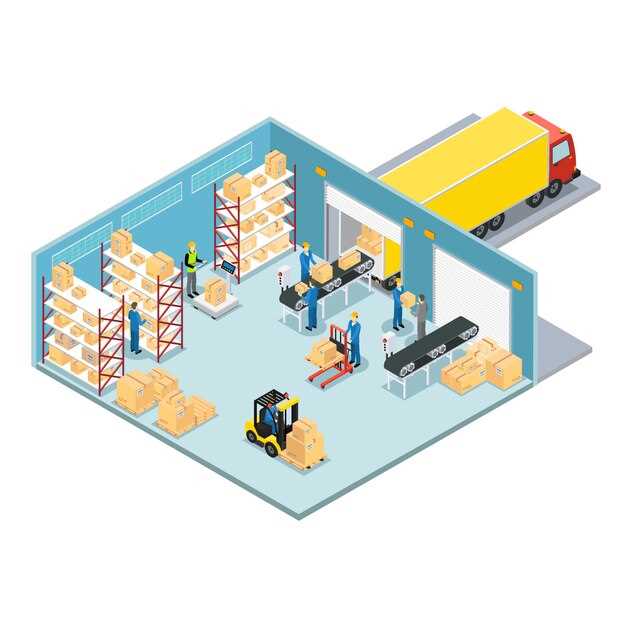 Optimalizace rozvržení skladů pro distribuční centra">

Run an 8- to 12-week pilot in one location to validate a recommended layout and confirm gains before an enterprise-wide rollout. This pilot reconfigures picking corridors, dock layouts, and storage zoning to cut travel flow by 15-25% and improve on-time picks across each shift in that site. Use a data-driven plan and capture models that you will reuse later across locations to support optimizing space and throughput.
Pákový efekt models a tech to quantify material flow and labor strain. Combine data from WMS, TMS, and ERP to generate enterprise-wide layouts that adapt to every location and seasonal demand. By simulating cycles, you can compare řešení that balance space, náklady a úrovně služeb.
Each site benefits from a mature approach that treats the layout as a living model rather than a one-off change. For every facility, map inbound and outbound flows, slotting, and cross-dock points, then test whether to kombinovat high-velocity SKUs with low-velocity items to reduce bottlenecks. The result: a scalable solution that grows with demand and avoids strain on workers and equipment.
Where manual routines still exist, rework standard operating procedures to orchestrate tasks across zones. Automate where feasible to reduce repetitive motion and náklady associated with errors. A well-balanced mix of manual picking with automated storage or conveyors can improve flow and free up capacity for peak periods, lowering náklady na jednotku.
To scale beyond a single site, treat the program as a companys-wide initiative. Align layouts with safety, labeling, and routing standards across locations. Use standardized tools and řešení that can be deployed across locations with minimal rework. This ensures repeatable results and faster learning from mature sites to newer locations.
Define a tight metric set: dock-to-stock time, pick rate per hour per zone, travel distance, and total náklady per fulfilled order. Establish a baseline, then track improvements after each iteration. The promise is clear: 10-20% faster throughput in pilot sites and 5-10% cost reductions enterprise-wide over 12 months if the program is executed with discipline.
Practical steps for layout decisions and WMS capabilities that support scalable operations
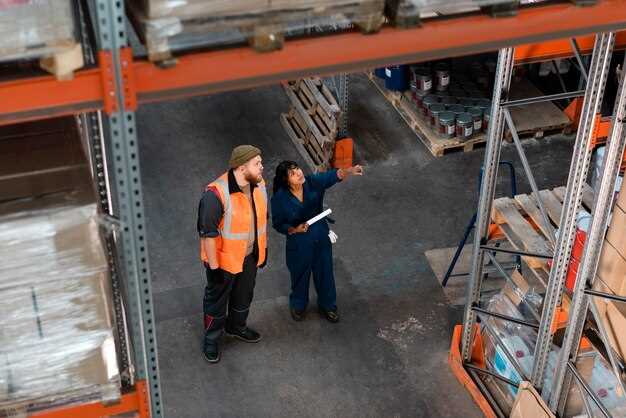
Define a zone-based layout and data-driven WMS settings that scale with throughput. Place receiving, storage, and shipping into dedicated areas with direct routes that minimize travel time for all tasks. Within each zone, set density targets and implement smarter put-away, replenishment, and cycle-checks to keep flow stable across multiple shifts.
- Layout decisions: map receiving, put-away, storage, picking, packing, and shipping as primary zones, and design routes that avoid cross-traffic. Place inbound docks outside the main picking lanes and stage parts near the point of use. Within each zone, apply density targets and dynamic slotting to support fast replenishment and high fill rates.
- WMS capabilities: choose a system with scalable workflows, support for wave and zone picking, sortation, and direct conveyorrobot control. Use grippers and automation that can connect with ames- or compatible components, to reduce manual touches and boost throughput. Ensure outside docks feed inbound and outbound flows without bottlenecks.
- Data and learning: monitor throughput, cycle times, dwell times, and route efficiency. Use simulations to test changes before implementation and institute learning loops that mature the process network across warehouses.
- Equipment and automation: specify grippers suited to your parts mix, motorized conveyors, and the conveyorrobot backbone that moves totes between zones. Validate that ames-branded or compatible grippers are compatible with your parts and that maintenance windows align with peak loads. Plan for receiving and outbound handling that minimizes wait at the dock outside.
- Implementation plan: run a phased rollout starting with a pilot in one warehouse, then expand to others. Define success metrics for each site, including target throughput uplift, cost reductions per move, and the time-to-ROI. Use this as the baseline to compare results across times and seasons.
- Governance and standards: codify standard workflows and exception handling in the WMS, maintain clean data, and run continuous training.heres the rationale: a single source of truth and disciplined change control keep the system mature as the network grows, thats how we sustain reliability.
- Operational tips: maximize density with vertical storage, use dynamic routing, and separate inbound from outbound flows. Leverage sorting with sortation capabilities to reduce handling; move items efficiently using grippers and conveyors, and keep the working surface clear of clutter so the density impact stays positive across warehouses.
Slotting by velocity, product size, and handling time
Slot by velocity, product size, and handling time to cut travel and pick times. Place high-velocity pallets on floor-level slots near the direct path to the packing area and outbound dock. Use automated sorters to pull items from floor slots toward the shipping lane, while slower, bulky items move to islands or remote bays. Maintain a higher-level view of slotting to balance workload across locations and prevent bottlenecks in the warehouse.
In software, compute a three-criteria score for each SKU: velocity based on order frequency, size class from container footprint, and average handling time from pick cycles. According to this score, assign locations: floor slots for top velocity, higher-level mid shelves for mid velocity, and islands for slow movers. Place pallets of fast items in palletizing areas near the dock to shorten cycle times; use the fleet of forklifts and automated equipment to move items along direct routes toward pack and shipping.
Layout rules and zone logic: reserve 12–15% of locations for high-velocity SKUs, with floor-level access within 12–18 meters of the pack station. Allocate 40–50% of locations to mid-velocity items on mid-level racks. Use islands for the remaining 35–40% of SKUs to minimize congestion while keeping palletizing throughput steady. Maintain clear separation between zones to reduce strain on operators and maintain smooth flow through the warehouse.
Management and performance: engage companys management to review quarterly changes and adjust slotting as demand shifts. Align with warehouse management and software analytics to optimize the slotting plan, and ensure the floor plan supports a steady ready-to-pick pace across the entire fleet. Track key metrics: times to pick, average travel distance, dock-to-palletizing time, and dock-to-ship times. By aligning slotting to velocity, product size, and handling time, the warehouse gains higher throughput and more predictable service to customers.
Dock-in and dock-out scheduling to reduce congestion

Implement fixed 15-minute dock-in and 15-minute dock-out slots, synchronized to a single master clock, with inbound and outbound work allocated to separate docks and lanes to prevent overlap and streamline the flow.
In a pilot at a 4-dock facility, queue length decreased by 40% and dock dwell time per pallet fell from 28 minutes to 16 minutes; peak-hour idling dropped about 30%, and overall cost saved around 12% due to faster turns and easier scheduling.
To implement, map current processes, define slot rules, and tie the schedule to the WMS. mecalux solutions module can push slot assignments to operators, robots, and shuttles, dynamically adjusting during the day as arrivals shift; pre-notification of 30 minutes helps planners stay ahead and saves time.
Assign inbound to docks A and B, outbound to docks C and D, and use shuttles to move material from the door to staging. Grippers on machines handle pallets efficiently, while humans supervise and adjust plans when a late arrival occurs. The same pallet flow stays continuous, reducing bottlenecks and the extra work for humans.
Key metrics include dock utilization rate, time from entry to loading/unloading, number of moves per hour, and cost per pallet. Target: achieve 20-25% more throughput per hour and cut dock dwell time by half within the first quarter after rollout. Use shuttles to cut travel distance, and make the change easy to train for operators through clear guides and simple dashboards. Focusing on human-machine collaboration yields fast gains. This plan delivers the best balance between speed and predictability.
Industry journalist coverage will highlight the company’s shift to slot-based docking and the mecalux solutions, with scalable modules for year over year growth for the company. The plan will be monitored by the operations team and reviewed annually to guide future expansions; the format will be suitable for similar centers and can be deployed with minimal disruption.
Route planning: optimized pick paths with batch and zone strategies
Implement a distinct zone-based route plan that uses batch picks to minimize travel and maximize throughput. Use a real-time routing engine that recalculates paths as orders arrive, ensuring active adjustments with minimal disruption to execution.
Key approach: batch picks in high-density zones with 4-6-item batches; this reduces walk time per item and increases value per labor hour. Most efficient path uses one or two passes per batch, moving from zone to zone with minimal backtracking. The design leverages tech that tracks picks, density, and space usage, enabling faster moves and better throughput.
Learning from previous cycles, set dynamic batch sizes by zone load. When market demand shifts, adjust batch size within 3-6 picks; this keeps density balanced and avoids congestion in boot devices or scanners. The company gains value by reducing handling steps and improving labor utilization. Vendors can use real-time dashboards to compare actual throughput against targets, and to identify bottlenecks in design and execution.
To implement: map fixed zones with boundaries; set batch sizes per zone; configure route logic to prefer shortest-path plus batch synergy; monitor real-time metrics and adjust on the fly; train labor to speed picks and reduce errors; test with pilot SKUs, then scale across market.
| Zone | Density (picks/m2) | Batch size (min-max) | Avg path length (m) | Throughput target (picks/hr) | Poznámky |
|---|---|---|---|---|---|
| A | 0.92 | 4-6 | 40-50 | 420 | Prioritizujeme rychlé jednání; podporujeme přesměrování v reálném čase |
| B | 0,78 | 3-5 | 60-70 | 360 | Střední hustota, velikost dávky vyladěna tak, aby se předešlo zahlcení |
| C | 0.65 | 3-5 | 75-85 | 320 | Objemné položky; využití hranic zón pro efektivní využití prostoru |
Doplňovací smyčky a kontinuální doplňování pro udržení toku
Implementujte pevnou kadenci doplňování, která je založena na datech a spouští doplnění zásob v zónách vychystávání každé 2–4 hodiny. Tím se udržuje vysoká hustota v prostorech pro přípravu, snižují se úzká místa v blízkosti přepravních tras a udržuje se stálý tok v celé síti.
Klíčové kroky, jak začít ještě dnes:
- Definujte spouštěče: nastavte minimální/maximální prahové hodnoty pro každou SKU, propojte doplnění zásob s rychlostí poptávky, ETA příchozích dodávek a aktuální dostupností doků. Použijte pohled na vyšší úrovni pro sladění smyček s uspořádáním, aby se palety přesouvaly směrem k zónám s vysokou poptávkou, aniž by se hromadily v uličkách.
- Nastavte četnost a množství: cílové doplňované množství na základě chyby prognózy a pojistné zásoby, zamezte nadměrným zásobám těžkých položek a rozdělte doplňování do několika menších vychystávek, abyste předešli přetížení.
- Zarovnání linek a zařízení: směrovat doplňování do pruhů s raketoplány a dopravníky; rezervovat prostor v blízkosti balení a expedice; zajistit, aby role strojů podporovala rychlý pohyb palet a těžkých předmětů.
- Zdroje dat a integrace: propojte systémy WMS, ERP a systémy řízení dvora ke zlepšení rozhodování na základě dat; zahrňte příchozí dodávky, balíky objednávek a hustotu vychystávání ke snížení plýtvání prostorem v uličkách.
- Při rozhodování mezi interními a externími možnostmi: zhodnoťte outsourcing pro období špiček; otestujte automatizaci Mecalux a další platformy; vyberte řešení, která minimalizují manipulační kroky a maximalizují rychlost přesunu od rampy do skladu.
- Měření a ladění: sledování míry plnění, přesnosti zásob, doby cyklu doplňování a četnosti kritických bodů; úprava frekvence a množství pro udržení ideální rovnováhy mezi rychlostí a využitím prostoru.
V dnešních provozech snižuje doplňování s ohledem na hustotu provozu cestovní čas mezi zónami přípravy, zaskladnění a expedice a zároveň udržuje palety připravené pro vychystávače. Případové studie společností používajících daty řízené smyčky doplňování ukazují měřitelné zisky: méně výpadků zásob, plynulejší předávání směn a lepší využití těžké techniky, jako jsou raketoplány a automatizované dopravníky. Řešení Mecalux, integrovaná se systémy třetích stran, pomohla několika společnostem zefektivnit toky doplňování a udržet nepřetržitý tok zboží směrem k ideální expediční cestě.
Signály vyspělosti WMS: viditelnost v reálném čase, API integrace a prokládání úkolů
Doporučte viditelnost v reálném čase jako základ: nasaďte živý kokpit, který stahuje data z WMS, ERP a řadičů zařízení, a poté zobrazte panely, které ukazují stav objednávky, toky u ramp a stav zařízení pro dnešní operace. Zajistěte, aby zobrazení pokrývalo tok přes zóny a používalo jasné indikátory pro úzká místa, aby podporovalo rychlá rozhodnutí v celé distribuční síti.
API integrace: propojte WMS s dopravníkovými roboty a dalšími roboty prostřednictvím REST nebo událostních streamů, což umožní výběr úloh s aktuálním kontextem. Vytvoření standardizovaných datových modelů a propojovací vrstvy, která předává úlohy, stavy a výjimky v reálném čase, poskytuje jediný zdroj pravdy, který snižuje předávání a urychluje automatizační rozhodnutí. Poskytování zpětné vazby řídicím smyčkám se stává proveditelné, namísto spoléhání se na ruční směrování, takže můžete optimalizovat vytváření úloh a rozhodování o směrování v rámci vozového parku.
Prokládání úkolů: navrhněte pravidla, která kombinují lidské a robotické úkoly pro optimalizaci prostoru a toku. Použijte koordinaci pravé ruky k usnadnění předávání mezi operátory a roboty, včetně segmentů dopravníků a robotů a dalších prostředků. Tento přístup podporuje optimalizaci dvojí manipulace, zabraňuje prostojům vozového parku a udržuje vysokou propustnost distribuce. Ideální nastavení propojuje zóny tak, aby se v případě zpomalení jedné oblasti práce přesměrovala do jiných zón s minimálním narušením a jasnou odpovědností.
Operační pokyny: Začněte pilotním projektem v jednom distribučním centru, měřte zkrácení doby cyklu a míru chybovosti a postupně rozšiřujte projekt na celou organizaci. Zajištění dat, dashboardů a upozornění přístupných přes API, aby dnešní týmy mohly sledovat výkon a rychle reagovat. Záleží na tom, kam umístíte senzory a roboty; umístěte flotilu do blízkosti rizikových zón a otestujte dvojnásobnou stopu, abyste ověřili zisky před škálováním. Pilotní projekt by měl spravovat pouze malý tým, aby byla zajištěna soustředěnost a sníženo riziko.