


This article is available in several public languages. Choose the version you need.
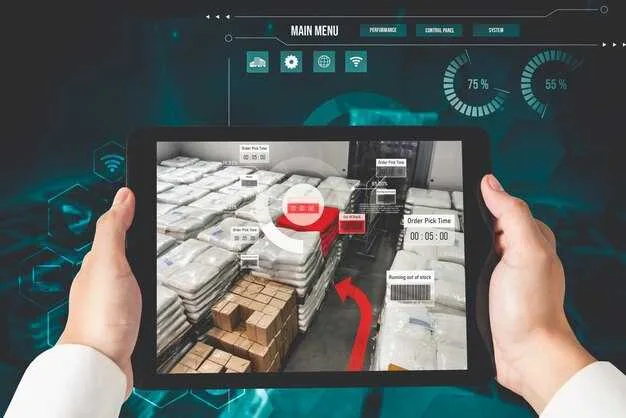
Adopt a city network intermodal hub strategy now to accelerate warehouse development and growth. Align freight flows with strategic terminals and the last-mile network to enable through efficiency across modes for international trade.
In europäischen Korridoren verändert die Exportnachfrage das intermodale Wachstum. Intermodale Korridore verbinden Küstenhäfen mit Binnenstädten und senken die Frachtkosten und straffen die Zeitpläne. Betreiber erweitern Terminals und fügen letzte Meilenverbindungen hinzu, um die Verweildauer zu reduzieren und den Durchsatz über die Modi hinweg zu erhöhen. Die Seidenstraßen aus Asien tauchen wieder auf und leiten internationale Fracht zu Lagern, wodurch Platz für mehr Dinge geschaffen wird, was helfen wird, regionale Netzwerke auszubauen und das Betreiber-Ökosystem zu unterstützen.
Um von diesem System zu profitieren, sollte jeder Betreiber ein modulares Terminaldesign übernehmen, in Automatisierung investieren und digitale Sichtbarkeitsplattformen integrieren. Automatisierung kann die Kapazität in wichtigen Korridoren um 15-25 % erhöhen und die Bearbeitungszeiten um bis zu 30 % reduzieren, was eine zuverlässige Durchfuhr über Grenzen für internationale Sendungen ermöglicht. Standardisierte Schnittstellen zwischen Geräten und IT-Systemen werden die Übergaben zwischen Schienen-, Straßen- und Seeverkehr erleichtern, die Leerlaufzeiten an Terminals reduzieren und die Servicelevels für Exportströme verbessern.
Strategische Planung auf Stadt- und Regionalebene wird die Flächennutzung mit den Lagerbedürfnissen in Einklang bringen und Platz für größere Terminals und multimodale Logistikzonen schaffen. Regierungen und Betreiber sollten Korridorstudien entwickeln, Pilotprojekte für intermodale Fracht gegen Dinge wie Staugebühren testen und in Export- und internationale Frachtkorridore investieren, die das europäische Wachstum unterstützen. Diese Zusammenarbeit wird die Verweildauer verkürzen und die Vorhersehbarkeit für Frachtbewegungen verbessern.
In der Praxis erwarten Sie messbare Verbesserungen in der Zuverlässigkeit, da Korridore Schienen-, Straßen- und maritime Assets durch gemeinsame Daten und koordinierte Fahrpläne verknüpfen. Bauen Sie jetzt digitale Plattformen auf, um Sendungen zu überwachen, Frachtbewegungen zu koordinieren und Exportmöglichkeiten auf internationalen Märkten im kommenden Jahrzehnt zu erfassen.
Intermodal-Driven Warehouse Network Design: Practical Trends and Actions
Adopt a dual-hub intermodal network anchored at a coastal gateway like Gdansk. Inland facilities feed into this coastal transshipment node, then freight moves to final destinations. These projects move freight more efficiently and that reduces total cycle times by 20-30% and lowers inland road miles, so freight is delivered faster with lower emissions.
Current patterns favor short-sea and rail links that connect nwsa and nwsas corridors along international routes. A coastal hub enables cross-docking, minimizes handling, and boosts speed for a broad set of commodities, from electronics to bulk agricultural goods. The director should set clear targets for on-time delivery and emissions performance, and monitor them quarterly to keep progress visible.
To capture opportunities, anchor the design on visibility, flexibility, and fair partnership. Build a data spine that shares planned movements across warehouses and carriers; implement time-slot discipline to improve reliability; pilot a Buch-Gdansk corridor for international freight, then measure deliveries on time and emissions per ton delivered. When the pilot shows improvements, scale to additional lanes and corridors that support current demand and future growth, thats measurable in real-time dashboards.
Operational actions include mapping nwsa/nwsas volumes, selecting two coastal gateways (Gdansk and a Buch node) to ensure redundancy, and signing a fair contracting framework with carriers. Sync with port authorities and rail operators, adopt a shared IT platform for real-time status, and establish a baseline for emissions per container moved. Set targets to reduce emissions while increasing volume moved, and track delivered freight against schedule to demonstrate tangible speed gains for international commodities.
These moves open opportunities for moving high-value goods along international routes, attract projects from coastal regions, and strengthen resilience against disruption. For the director, implement a 12- to 18-month rollout with staged milestones, review speed-to-delivery metrics, and adjust investments based on delivered performance across buch, gdansk, and adjacent coastal hubs. This approach aligns moving freight with a practical, data-driven roadmap that scales with demand and keeps partnerships fair and productive.
Total Cost of Ownership: comparing intermodal-enabled warehouses with road-only networks

Adopt intermodal-enabled warehouses to reduce total cost of ownership by 15-25% within five years, compared with road-only networks. This shift lowers fuel bills, cuts driver-related expenses, and improves asset utilization across cargo flows, while enhancing reliability in peak periods and enabling a clearer view of accounts for both rail and truck moves.
In this comparison, the TCO framework combines capex, opex, and risk. Intermodal facilities require rail-accessible docks, yard automation, and tighter security, while road-only sites emphasize flexible truck docks and rapid turnarounds. The upfront capex for intermodal can be 15-25% higher per bay, but ongoing savings–fuel, maintenance, and reduced detention–can total 20-40% of the road-only transport costs over a typical quarter, yielding a payback that aligns with major European corridors underway to connect hubs and distribution nodes.
Efficiency gains stem from shifting long-haul moves to rail, which cuts mileage, reduces wear on fleets, and lowers driver hours while keeping last-mile service fast. Drivers benefit from steadier schedules, and distribution planners gain predictability for loading windows in hubs near major markets. In real-world accounts, including minot and other regional bases, the balance of capex and opex shows significant improvements when rail legs are optimized and synchronized with road legs for the cargo mix.
Consider a concrete example in Europe: a distribution base in pomerania shifts 40% of long-haul freight to rail, connecting with key hubs across major routes. The quarter-by-quarter data show a lower total transport cost, improved on-time performance, and a robust risk buffer during seasonal peaks. For Kemmsies-style operations and other industry players, this pattern translates into steadier cash flow, clearer budgeting, and a stronger base for future growth, while still meeting near-term needs for quick replenishment at stores and warehouses.
Implementation requires alignment between rail operators and union rules, a clear governance model led by a logistics director, and tight integration with the WMS/TMS stack. Start with a pilot in a major corridor and scale to additional routes as you capture data on dwell times, cross-dock efficiency, and cargo-specific handling. Track KPI trends across quarters to prove the significant efficiency gains and to justify further capex in intermodal infrastructure, including automated yard control, synchronized timetables, and reliable interchanges at key distribution hubs. The result is a resilient, cost-efficient network that keeps cargo moving ahead of demand in Europe’s evolving logistics landscape.
Transit reliability and scheduling: turning intermodal performance data into warehouse plans
Start by building a live Transit Reliability Index (TRI) that converts intermodal OTP, lateness, and dwell times into concrete warehouse actions, and attach each corridor to a corresponding receiving window plan. Target 95% on-time arrivals within scheduled slots for coastal Europe lanes by Q3, and cut average yard dwell from 42 hours to 28 hours by introducing two-stage dock sequencing and dedicated yard platforms. This gives planners a predictable base for expansion and load planning.
Collect data daily from rail, barge, and truck legs, unify in a single base, and tag the data with источники metadata. A focused operations group should validate quality and move from raw measurements to actionable steps. Use the TRI to identify which routes drive shortages or delays and which platforms and docks are most in demand across the same period.
Translate TRI outputs into warehouse layout changes: implement platform-based receiving; allocate 40% of docks to top 20 lanes; set aside 2-3 dedicated cross-dock platforms per shift; increase base capacity by 15% in coastal hubs to handle peak flows and reduce congestion on park access roads. These changes apply throughout the regional network and are designed for easy replication in other sites.
Timing rules help reduce variance: set 4-hour arrival windows for all high-frequency corridors; if a corridor’s OTP falls below 85%, widen its window by 2 hours and push non-critical moves to off-peak times. Maintain 10% overall buffer capacity to absorb variability and keep same-day unloading options for time-critical shipments.
Governance matters. The operations director should lead a focused cross-functional group consisting of planning, IT, and site operations to supervise the TRI program. Weekly reviews keep data-driven actions aligned with commissioning plans, and a single plan calendar becomes the more reliable base for project scheduling and funding approvals.
Projects launched recently illustrate the approach. In southern coastal sites, expansion efforts added two new cross-dock platforms and upgraded yard lighting; a platform data hub collects real-time event signals and feeds the TRI. Investing in these projects increases visibility and reduces idle time across the network, helping warehouses meet rising demand in europe and beyond. The same logic applies to other regions and shows the value of a staged approach to expansion.
What you measure matters. Track OTP by corridor, dwell times by hub, and throughput by platform; monitor shortages by SKU and by destination; tie the results to revenue impact via hours saved and dock turn increases. Across the chain, this disciplined approach definitely improves schedule adherence and mitigates risks from seasonality and port disruptions. The end result is a more resilient warehouse base with higher reach and faster throughput, built on clear data rather than guesswork.
As a practical next step, pilot TRI in a small group of lanes then scale to the full coast-to-inland network over six to twelve months. Use the lessons learned to calibrate timing for new projects and to inform the expansion of the base portfolio, including park and platform upgrades and new warehouse footprints, ensuring alignment with regional shortages and capacity constraints across europe.
Site selection criteria: proximity to rail ramps, port terminals, and highway access
Target a site within 20-25 km of an active rail ramp with frequent freight service and within 100-120 km of a port terminal, paired with direct highway access to the primary corridor. This setup supports a massive intermodal platform, reduces transfer times, and creates development momentum for opportunities along the baltic-adriatic corridor and southern routes. You gain a clear competitive edge by aligning your site with these thresholds from the start.
- Rail ramps and railroads: within 25 km of an active ramp; ensure access to multiple lines and railroads with regular freight service; plan for future track capacity to handle peak volumes and rapid turnarounds on the yard.
- Port terminals: within 80-120 km of a port terminal with container throughput; verify terminal connectivity for import/export cycles and explore inland waterway links or barge access as alternatives for overflow freight.
- Highway access and traffic: direct connection to major highways with grade-separated interchanges; minimize exposure to urban bottlenecks; quantify typical truck transit times during peak traffic to avoid schedule slippage.
- Intermodal platform and track layout: confirm a sufficiently sized platform and yard, with gate lanes and container stacking capacity that support double-stacking where applicable; ensure the geography supports rapid lane changes and efficient cross-docking.
- Constraints and risk: map zoning, environmental constraints, flood risk, noise limits, and permitting timelines; identify potential blockers early to prevent delays underway; engage with local authorities and communities to align timelines.
- Costs, incentives, and financing: assess land costs, acquisition timelines, and access to incentives or subsidies; model ownership or leasing options that fit your investing strategy and return horizon.
- Operational readiness and scalability: plan for continued demand growth and future expansions within the same site footprint; design to add more rail lines or port access as lines and freight volumes rise.
Examples such as the george Group initiative in the southern corridor illustrate how proximity to rail ramps, port terminals, and highway access underpins development and the continued growth of intermodal freight networks. Aligning your site with these criteria helps you capture the most value from freight movements, while keeping costs and transit times in check across the consortium of lines and railroads serving your region.
In-yard container handling: optimizing staging, racking, and transloading processes
Adopt a three-zone staging model and real-time slotting to cut in-yard moves by 25% and reduce container dwell by 20% within the first quarter.
Run a unified KPI dashboard across states and regions, focusing on moves per hour, dwell time, and slot utilization. Establish a group of cross-functional roles (warehouse ops, yard ops, IT) within the nwsa community that reviews results weekly and adjusts rules to keep cargo moving smoothly.
Staging: designate a fixed pick lane, a stock zone, and a transload lane. Use a vertical rack plan to increase density, with pallets oriented for quick access; set a maximum dwell target and enforce a daily check on stock accuracy to reduce mis-shipments.
Racking: deploy high-density pallet racks with automated trolleys for efficient handling where space is tight; implement a rack-compatibility matrix to speed re-slotting and tie to WMS for live stock counts and monthly reconciliations to keep results accurate.
Transloading: build cross-dock lanes aligned with port calls; schedule transfers between modes (truck, rail, barge) to minimize cargo handling. Allow a 4-hour window to move containers between yard and terminal for export flows; track results per terminal and region to identify bottlenecks.
Data-backed wins are possible: in European corridors, terminals handling around 1.2 million TEU per year reduced in-yard moves by about 18–22% after adopting the three-zone approach and integrated slotting. Inland hubs like Minot show that even with lower traffic, a compact yard with short lanes and tight slotting can yield 12–15% gains in average move time, due to faster re-slotting and reduced double handling.
Opportunities exist across stock, export, and cargo networks. Kemmsies and nwsa analyses highlight that aligning staging with cross-border flows improves export turnaround and provides more consistent results for ports and groups. Regions with mixed modes–from ports to inland terminal clusters–benefit from standardized processes and shared data, which help supply chains maintain service levels while expanding regional growth.
Technology and data integration: enabling end-to-end visibility across intermodal corridors
Adopt a unified data fabric that links WMS, TMS, ERP, EDI, RFID, GPS, and weather sensors across seaports, inland terminals, and rail lines to deliver live status on shipments and inventory. Additionally, implement a common data model to accelerate onboarding of partners and reduce timing. Compared with legacy stacks, this approach will drive opportunities to optimize planning, reduce emissions, and improve service in international corridors.
In polands, operators should pilot a Dudkiewicz-led initiative at key seaports and along expansion lines to demonstrate end-to-end visibility. Engage a user community of carriers, freight forwarders, and shippers to learn from feedback and refine data models. Launch various projects with clear KPIs that prove value under real traffic conditions.
Timelines vary by market; investing in analytics, edge computing at hubs, and secure APIs yields a full business case within 18-24 months. Additionally, silk corridors can benefit from smoother flows, and disruptions can be detected earlier, allowing actions before delays spread. Industry news underscores rising demand for nimble visibility across polands and other markets, aligning with broader development goals that focus on faster, greener intermodal moves. This approach reduces delays and things that used to slow flows that otherwise ripple through the system.
| Metric | Baseline | Target | Initiative / Impact |
|---|---|---|---|
| Dwell time (hours) | 8.2 | 6.0 | Unified data fabric + real-time ETA; −2.2h |
| On-time departures (%) | 78% | 88% | Cross-corridor ETA synchronization; +10 pp |
| Emissions (tons CO2/yr) | 1,200 | 1,050 | Mode-shift and smoother traffic; −150 |
| Inventory accuracy (%) | 92% | 98% | End-to-end visibility; +6 pp |
| Data latency (mins) | 52 | 15 | Edge processing + streaming APIs; −37 |
| Projects launched | 0 | 5 | Dudkiewicz-led cross-border seaport pilots; full deployment |