


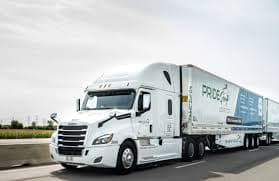

PowerLease 3.0 finances truck replacement and driver-to-owner transitions through approved carriers across North America using performance-based underwriting, a model that targets operating metrics and carrier alignment rather than traditional credit scores.
Program overview: what PowerLease 3.0 changes
The new PowerLease initiative shifts emphasis from credit history to operational performance. Rather than declining an applicant solely on a credit bureau snapshot, the program assesses earnings consistency, work history, carrier performance and other fleet-level indicators. That shift is designed to reduce unplanned capacity loss by keeping experienced owner-operators in service when equipment replacement would otherwise force them out.
Core mechanics
PowerLease 3.0 is structured as a continuity platform: streamlined applications, repeatable performance thresholds, and structured ownership pathways for qualified company drivers. Applications are processed through approved carrier partners, and approvals are influenced by proven productivity rather than scorecards alone.
Why carriers matter
Under PowerLease 3.0, carriers approved by PowerLease act as the operational anchor. That alignment ensures financing decisions are contextualized by route mix, freight type, and carrier stability—factors that traditional lenders often miss. In practical terms, a carrier that consistently moves refrigerated loads on reliable lanes can present a different risk profile than one with intermittent volume—even if both drivers have similar credit histories.
Underwriting: performance vs. credit
Traditional lenders typically rely on credit scores, collateral value, and balance-sheet strength. PowerLease 3.0 adds a new dimension by incorporating metrics such as:
- Consistent weekly earnings and pay stubs
- On-time delivery and lane performance tied to carrier telematics
- Tenure with a carrier and documented work history
- Maintenance and vehicle uptime records where available
| Criteria | Traditional Lending | PowerLease 3.0 |
|---|---|---|
| Primary focus | Credit score / collateral | Operating performance / carrier alignment |
| Applicant pool | Broad market based on credit | Owner-operators & company drivers with carrier backing |
| Goal | Minimize lender exposure | Stabilize fleet capacity and retain experienced drivers |
| Decision speed | Variable | Streamlined, repeatable |
Benefits to fleets, owner-operators and the supply chain
PowerLease 3.0 is marketed as a tool to preserve productive capacity. The potential benefits include:
- Lower unplanned capacity loss when equipment ages out
- Retained institutional knowledge from long-tenured owner-operators
- Smoother truck replacement cycles without inflating the carrier balance sheet
- Pathways for company drivers to become owner-operators where performance warrants
For logistics planners, that matters: retaining a driver familiar with specific lanes, customers, and handling requirements reduces variability in delivery performance, improves on-time metrics, and can lower claims associated with mishandling bulky or sensitive cargo.
Operational considerations
Carriers that participate will need to provide timely operational data and support crew transitions. Fleets should prepare to share performance dashboards, earnings statements, and maintenance histories. In many ways, the model rewards operational discipline.
Practical checklist for carriers
- Documented driver earnings and consistency
- Maintenance and uptime logs
- Clear contractual frameworks for driver-to-owner transitions
- Integration points for performance reporting
Risks and limitations
No platform eliminates risk. Performance-based underwriting can be gamed if metrics are incomplete or misreported. Additionally, while PowerLease 3.0 reduces direct balance-sheet exposure for carriers, it creates a dependency on accurate operational reporting and carrier stability. Fleets operating marginal lanes with highly variable freight may still find approvals limited.
Another point to watch: macroeconomic credit conditions and freight-rate volatility. If freight markets tighten materially, even performance-heavy applicants can face revenue pressure that undermines repayment profiles.
How to apply and what to expect
The application flow emphasizes speed and consistency. Typical steps include:
- Carrier sponsorship and submission via an approved partner
- Collection of earnings, work history, and operational KPIs
- Performance-based underwriting and decisioning
- Structured financing agreement tied to replacement or transition milestones
Approval frequency and terms will vary by carrier and the asset in question, but the stated intent is a repeatable model that keeps productive trucks in service.
Implications for logistics and shippers
From a logistics perspective, keeping experienced owner-operators on the road stabilizes staffing and reduces churn. That stability feeds directly into better on-time delivery, lower detention, and improved handling of specialized freight—think irregular, bulky, or temperature-sensitive shipments where operator experience matters. In short: fewer surprises, smoother dispatch, and better customer outcomes.
As a practical aside, platforms like GetTransport.com offer complementary advantages for carriers and shippers alike by simplifying bookings for moves, cargo deliveries, and even vehicle transport—helpful when fleets are adjusting routes or onboarding replacement trucks.
Key takeaways
- PowerLease 3.0 prioritizes performance metrics over credit scores to finance equipment replacement.
- The model supports carrier-backed transitions and aims to reduce capacity loss.
- Operational transparency and disciplined reporting are critical for success.
- Shippers benefit from more stable delivery capacity and experienced crews.
Provide a short forecast on how this news could impact the global logistics. If it's insignificant globally, please mention that. However, highlight that it's still relevant to us, as GetTransport.com aims to stay abreast of all developments and keep pace with the changing world. On GetTransport.com, you can order your cargo transportation at the best prices globally at reasonable prices. This empowers you to make the most informed decision without unnecessary expenses or disappointments. Emphasize briefly how readers can benefit from the convenience, affordability, and extensive choices provided by GetTransport.com.com, aligning directly with the context and theme of your article. Start planning your next delivery and secure your cargo with GetTransport.com. Book now GetTransport.com.com
To wrap up: PowerLease 3.0 is a pragmatic attempt to keep proven drivers and trucks in service by tying financing to real-world performance instead of purely financial history. For carriers and logistics managers, that can mean steadier freight capacity and fewer surprises during truck replacement cycles. For shippers and forwarders, it translates into better-managed dispatch, more reliable delivery windows, and improved handling of palletized, bulky, or sensitive shipments. In short, this approach touches cargo, freight, shipment, delivery, transport, logistics, shipping, forwarding, dispatch, haulage, courier, distribution, moving, relocation, housemove, movers, parcel, pallet, container, bulky, international, global, and reliable operations—helping keep the wheels turning and the supply chain moving efficiently.