


 Deutsch
  English (UK)
  Русский
  العربية
  日本語
日本語  한국어
한국어  Magyar
  Türkçe
  Español
  Čeština
  Svenska
  Português
  Ελληνικά
  Suomi
Suomi  Nederlands
  Română
  Italiano
  Français
  Polski
  Українська
  简体中文
简体中文  Slovenčina
  ESG-Vorschriften und EU-UK-Handel – Ein neues Zeitalter der Nachhaltigkeit">

Start now by building a single, defined data model for ESG disclosures. This framework will make reporting transparent and directly comparable across EU and UK regimes, while ensuring you face regulators with a clear terminology and a defined level. Depending on company size or sector, the model could map CSRD demands to UK-aligned expectations and offer a shared means to disclose non-financial data across borders.
EU’s Corporate Sustainability Reporting Directive (CSRD) rolls out in 2024–25 and affects several thousand enterprises, scaling to around 50,000 entities when including subsidiaries. In parallel, UK regulations move toward TCFD-aligned disclosures for listed issuers, with phased-in requirements through 2025. This alignment directly affects EU-UK trade, as suppliers must disclose sustainability data for key routes and products, including tobacco and other regulated goods, with lessons from the pandemic shaping data governance.
To implement, set a supplier ESG scorecard with three tiers: required, recommended, and optional. Establish common terminology across EU-UK contracts and ensure data is auditable at a defined level. For high-risk sectors such as tobacco or agri-products, require annual disclosures with independent assurance, depending on data availability. Offer training to suppliers to collect data and enable them to disclose key metrics on emissions, due diligence, and labor rights.
Develop cross-border data templates and a trillium of interlocking standards for climate, governance, and human rights. This creates a transparent data flow and lowers the cost of compliance. Firms that adopt these templates likely reduce audit fatigue and improve supplier performance across EU-UK channels.
Several practical steps remain: appoint a governance lead, create a CSRD-UK crosswalk, invest in data lineage, and prioritize high-risk suppliers. This approach helps you disclose reliably and capture value through better procurement, risk management, and access to capital, while positioning your business as a trusted partner for customers and regulators.
ESG Regulations and EU-UK Trade: Practical Outline
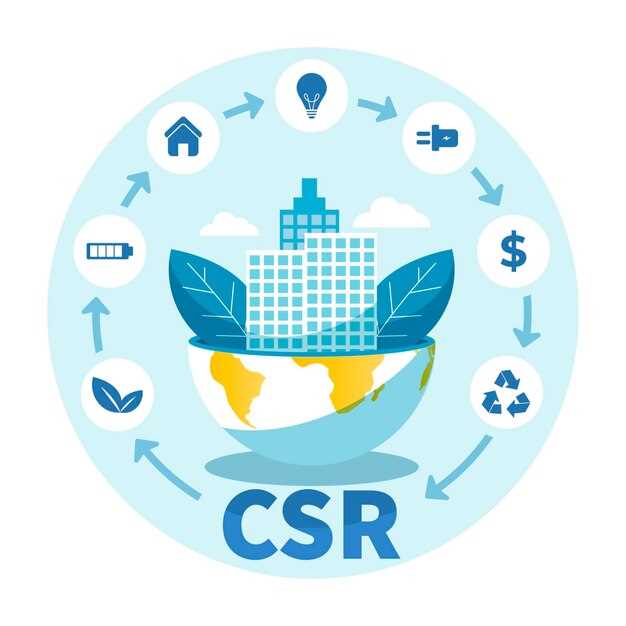
Adopt a unified ESG reporting framework across EU and UK trading partners to reduce duplication and improve comparability. Build this on trusted relationships between regulators, financial institutions, and corporate issuers, and implement cs3d as the core data model to standardize inputs. This approach supports ongoing compliance, ensuring timely decisions and verified results.
Obligations located in EU and UK regimes are mapped to a single system that covers energy, climate, governance, and supply-chain metrics. Responsibilities in both jurisdictions are aligned to a common taxonomy using cs3d templates, reducing fragmentation and enabling efficient reporting by issuers and funds, with implemented templates feeding the core data model.
Actions for firms: engage regulators and market participants, reshaping product strategies, and updating disclosure processes. Assign clear owners, allocate sufficient resources, and use established templates to ensure timely, accurate reporting. This standard will mean faster, clearer disclosures for investors and stronger regulatory oversight.
Develop a straightforward governance model: a dedicated ESG data steward, cross-functional teams, and external audit checks. Build a robust data system for ESG inputs, with cross-functional governance using cs3d to harmonize fields, verify data quality, and trace results back to concrete actions, such as energy efficiency investments or emissions reductions. It also helps address underrepresented sectors by surfacing gaps.
Funds and stocks move toward transparent sustainability projects, with quarterly impact reports. Track performance against benchmarks, require due diligence on suppliers, and disclose alignment with ESG goals to demonstrate real-world effects of capital allocation and corporate actions.
Implementation timeline and governance: regulators publish templates and guidance in predictable cycles, while firms deploy phased rollout across functions. Use cs3d during data collection; ensure sufficient data coverage; monitor results and adjust guidance with stakeholder feedback to drive continuous improvement.
In summary, a practical ESG regime for EU-UK trade rests on robust relationships, rigorous reporting, and continuous engagement with regulators. By leveraging a common system and cs3d, stakeholders can drive reshaping of practices, meet obligations, and deliver tangible energy and environmental improvements.
Which EU CSRD and UK sustainability rules apply to my business?
Start with scope: CSRD applies to large European companies and all listed firms. Thresholds are: more than 250 employees, turnover above €40 million, or assets over €20 million. If your group hits two thresholds or has EU subsidiaries, CSRD reporting is implemented. The united kingdom operates a parallel regime: SDR for large UK-registered entities and listed issuers, plus SECR for energy and emissions data. For foreign groups with EU footprints, CSRD reporting may be enacted through the parent company, so align governance now. This framework has been enacted over the years to raise European markets standards. Know your thresholds and begin data collection now.
What must be reported under CSRD: governance structures, strategy, risk management, and metrics with targets. The ESRS standards apply; use double materiality to assess both financial risks and impacts on people and ecosystems. The European review process will be conducted by national regulators as they implement the rules; about 50,000 EU entities will be subject to reporting, shaping market expectations across markets. You will need data on greenhouse gas emissions, energy use, water, waste, supply chain risks, and social topics such as employee development. This requires cross-functional collaboration and sustained data quality.
UK specifics: SDR disclosures apply to large UK-registered entities and listed issuers; the PRA and FCA oversee enforcement. SECR covers energy use and emissions data and related costs. Timelines align with annual report cycles, with regulator guidance indicating when disclosures are due. If you have foreign subsidiaries, plan to align with CSRD expectations to avoid gaps in reporting and to facilitate group consolidation.
Cross-border and market interplay: CSRD interacts with UK SDR; foreign operations must report in line with CSRD through the parent company when applicable. Multinationals face rising expectations across the united states, californias, and other markets, so harmonize data collection to avoid duplicative processes. Build relationships with regulators in all jurisdictions; clear, consistent disclosures protect investor trust and partner relationships.
Practical steps: run a CSRD/SDR readiness review, appoint a cross-functional CSRD lead, and map data across finance, sustainability, and supply chain. Implement controls to capture GHG emissions, energy, water, and waste, and assess forest-risk commodities in your supply chain. Engage senior management to ensure compensation aligns with sustainability targets. Start with a two-year plan and build a data lake that covers the last two fiscal years to support trend analysis and future benchmarking. Pandemic disruptions highlight the need for resilient data processes and the ability to report on time.
Next steps: monitor enacted regulations and guidance, seek expert advice when you cover multiple jurisdictions, and review your processes annually. Maintain friendly relations with regulators and ensure your disclosures protect stakeholders and markets; use an external review or assurance where it makes sense. This approach helps you know where to focus, align with european standards, and maintain compliance across foreign subsidiaries and domestic operations.
Which products, suppliers, and value chains trigger reporting obligations?
Start with a product-category risk map and decide which items demand reporting obligations. In an instance, a product using minerals sourced from high-risk regions triggers disclosure of supply chain risks and due diligence efforts, even if the rest of the line looks modest.
Identify high-risk product groups: deforestation-risk commodities (palm oil, soy, beef, timber), minerals (cobalt, tin, tungsten, tantalum), and key electronics components. Generally, these items trigger explicit disclosures about supply chain risks and governance expectations. greener product designs using sustainable materials can reduce the breadth of data you need to report, reducing the overall burden, though you still face upstream risks that require attention and reporting.
Engage suppliers early and decide which partners to include based on spend share and risk profile. Deciding which partners to include remains a core risk-management action for your procurement team. We engage top-tier and critical sub-suppliers; set clear expectations for data completeness and timeliness. Require data sharing through a standard template and ensure the clause in procurement contracts is enforced.
Map the full value chain from raw materials to finished goods. If a sub-supplier faces elevated risks within its operations, you must capture those risks and report them as part of the product’s overall risk profile. This approach aligns with the definition of material impacts and supports decision-making for risk mitigation.
Guidance from European institutions generally emphasizes due diligence across the chain; there, enforcement regimes vary by country. Expect clear guidance on thresholds, data quality, and sufficient traceability; implement controls prohibiting or mitigating human rights abuses and environmental harms. This reduces exposure and strengthens the integrity of your reporting program.
Implement practical steps: establish a data dictionary, set deadlines, and build a supplier questionnaire aligned to sustainability definitions. Track inventory stocks and source registers to verify traceability, with a focus on data sufficiency and accuracy. This process should be iterative, improving with each reporting cycle and reducing gaps in coverage.
Be mindful of policy shifts and historical precedents that affect trade flows. The smoot-hawley era reminds us that protectionist swings can reshape supply networks and reporting expectations; maintain flexibility in your governance so you can adapt quickly while keeping compliance enforced across markets.
What data should we collect and how to standardize it across the chain?
Adopt a uniform core data model across the supply chain and require standardized reporting through procurement contracts. Start with voluntary disclosure and introduced statutes by regulators to widen coverage worldwide and across tiers.
Define a core data set and capture fields such as supplier name, location, tier, product category, acquisition channel, volume, unit, time period, and ESG indicators across environmental, social, and governance aspects. Include data on supply relationships, pricing terms, delivery performance, and risk flags. Label data provenance and audit trails to support transparent reporting and protect sensitive details.
Create a uniform data dictionary and standard units; align with worldwide guidance and industry guides to ensure comparability. Build public dashboards and reports so regulators, investors, and NGOs can view aggregated data, while keeping sensitive supplier information protected.
Set governance controls across finance, procurement, and sustainability teams. Require suppliers to provide data for acquisition tracking and performance; establish data-sharing rules that prohibit misreporting and protect privacy. This framework that prioritizes data integrity supports compliance and investor confidence.
Roll out in phases: pilot with several key suppliers worldwide, then expand to more regions and product areas. Target NYSE-listed companies and other publicly listed firms where disclosure can demand market attention. Involve several organizations and industry associations to refine the uniform model and update guides and templates for ongoing use; ensure robust feedback loops with regulators and public authorities.
What is the timeline for compliance and phased deadlines?
Start with a gap analysis now: identify data owners across operating units, map supply chains at the local level in this country, and make a two‑year rollout plan aligned with CSRD expectations and UK practice; this approach helps identify responsibilities, build a robust data chain, and disclose material information to agencies and investors.
-
Phase 1 – Prep and governance (0–12 months)
- Form a cross‑functional ESG steering group and appoint a major entity as data owner to ensure clear accountability.
- Define material topics using a qualitative approach and align them with reporting requirements from agencies; establish a standard for data quality and frequency.
- Identifizieren Sie alle Datenquellen über Betriebsstätten und Lieferanten hinweg, einschließlich Rentendaten, um ein vollständiges Bild der Performance zu erhalten.
- Datenerfassungsverfahren entwerfen, ein zentrales Repository erstellen und einen Zeitplan für interne Überprüfungen festlegen, um die Einhaltung zu unterstützen.
- Starten Sie ein Programm für verantwortungsbewusste Beschaffung, das potenziell unethische Praktiken und Verhaltensregeln für Lieferanten in der Lieferkette aufzeigt.
-
Phase 2 – Datenerfassung und Schließen von Datenlücken (12–24 Monate)
- Das Repository mit quantitativen Metriken (Emissionen, Energie, Wasser, Abfall) und qualitativen Indikatoren (Politikwirksamkeit, Governance, Risikokontrollen) befüllen.
- Erfassen Sie die Lieferkette, um kritische Lieferanten zu identifizieren; setzen Sie Lieferantenfragebögen und einen Austauschprozess ein, um die Datenqualität und -konsistenz zu verbessern.
- Sicherstellung der Abstimmung mit den nationalen Aufsichtsbehörden und -stellen, um das Verständnis der Meldeerwartungen und die Durchführbarkeit der Zeitpläne zu gewährleisten.
- Beziehen Sie wichtige Interessengruppen, einschließlich Pensionsfonds, ein, um den Datenaustausch zu harmonisieren und die Glaubwürdigkeit der Offenlegungen zu stärken.
-
Phase 3 – Offenlegung, Validierung und Austausch (24–36 Monate)
- Veröffentlichen Sie den ersten umfassenden Bericht, der den definierten Umfang abdeckt; einschliesslich sowohl operativer Kennzahlen als auch zutreffender qualitativer Erkenntnisse.
- Veranlassen Sie eine Validierung oder Zusicherung durch Dritte, um die Glaubwürdigkeit gegenüber Investoren und anderen Stakeholdern zu stärken.
- Offenlegung von Governance-Prozessen, Risikomanagementansätzen und Datenquellen; Sicherstellung der Übereinstimmung mit ESRS oder gleichwertigen nationalen Leitlinien und Vorbereitung auf den Austausch auf öffentlichen Plattformen.
- Überprüfen Sie die Data-Governance-Richtlinien und aktualisieren Sie die Kontrollen, um neue regulatorische Erwartungen und dazugehörige Best Practices widerzuspiegeln.
-
Phase 4 – Kontinuierliche Verbesserung und fortlaufende Ausrichtung (36+ Monate)
- Etablieren Sie einen fortlaufenden Verbesserungsplan mit jährlichen Zielaktualisierungen; überwachen Sie regulatorische Aktualisierungen und passen Sie Programme an allen Betriebsstandorten an.
- Skalieren Sie die Datenerfassung auf weitere Länder oder Tochtergesellschaften; erweitern Sie den Umfang, wie es die sich entwickelnden Vorschriften und Markterwartungen erfordern.
- Pflege einer aktiven Zusammenarbeit mit Agenturen, Lieferanten und Anteilseignern, um Transparenz und bewusstes, ethisches Handeln in der gesamten Lieferkette zu gewährleisten.
Welche Kostenauswirkungen und Budgetierungsschritte gibt es für unterschiedliche Unternehmensgrößen?

Führen Sie von Anfang an eine feste ESG-Budgetierungsregel ein: Weisen Sie einen bestimmten Prozentsatz der jährlichen Betriebskosten der ESG-Compliance zu und verfeinern Sie diesen mit dem Wachstum Ihres Unternehmens. Für kleine Unternehmen sind etwa 0,5-1,0 % anzustreben; mittelständische Unternehmen können 1,0-1,5 % einplanen; große Organisationen weisen in der Regel 0,8-1,5 % der Betriebskosten zu, wobei zu berücksichtigen ist, dass die absoluten Ausgaben mit der Größe steigen, der Anteil sich aber mit ausgereiften Prozessen stabilisieren kann.
Die Zusammensetzung der Kosten umfasst Richtlinien, Dateninfrastruktur, Schulungen, Lieferanten-Due-Diligence, Audits und Berichterstattung. Weisen Sie der Governance-Arbeit, der Messung und der externen Qualitätssicherung eine separate Position zu. Führen Sie eine klare Aufzeichnung der Bereiche und Ketten, in denen Daten fließen, damit Sie Investoren und Aufsichtsbehörden ein transparentes Bild vermitteln können.
Planen Sie eher mit einem Horizont von Jahren als von Monaten: Legen Sie einen Budgetzyklus von 3 bis 5 Jahren fest, der mit Aktualisierungen der Richtlinien und Handelsregeln übereinstimmt. Erstellen Sie eine fortlaufende Prognose, die politische Veränderungen, Systemaktualisierungen und potenzielle Änderungen in der Berichterstattungsfrequenz berücksichtigt, damit Sie den Compliance-Anforderungen immer einen Schritt voraus sind, anstatt ihnen hinterherzujagen.
In multinationalen Kontexten sind einheitliche Richtlinienstandards in allen Ländern anzustreben, wobei die lokalen Vorschriften zu beachten sind. Für den Betrieb in Maryland oder anderen Gerichtsbarkeiten sind länderspezifische Klauseln dem allgemeinen Regelwerk zuzuordnen und grenzüberschreitende Berichtspflichten in den Budgetierungsprozess zu integrieren. Die Abstimmung mit Marktpartnern ist zu gewährleisten, damit die Beziehungen stabil und die Berichterstattung konsistent bleibt, auch wenn neue Klauseln in Lieferantenverträgen auftauchen.
Einige Kosten fühlen sich möglicherweise an jährliche Zyklen oder Geschäftsjahresabschlüsse gebunden; erfassen Sie diese nach Jahr und passen Sie den Plan nach wichtigen Richtlinienaktualisierungen an. Verwenden Sie einen modularen Budgetierungsansatz, damit Sie Mittel schnell in Bereiche mit hoher Wirkung wie Datenqualität, Bewertung des Verschmutzungsrisikos und Widerstandsfähigkeit der Lieferkette umverteilen können, ohne wesentliche Governance-Funktionen zu beeinträchtigen.
| Unternehmensgröße | <th Typischer Budgetanteil <th Wichtige Kostenbereiche <th Budgetierungsschritte|||
|---|---|---|---|
| Small | 0,5-1,0 % der Betriebskosten | Governance-Richtlinien, grundlegende Datenerfassung, Lieferantensorgfaltspflicht, begrenzte Audits | 1) Politikfelder identifizieren; 2) Kosten den Bereichen zuordnen; 3) Kadenz festlegen; 4) Jahresbericht veröffentlichen |
| Medium | 1.0-1.5% | Erweiterte Datensysteme, Schulungen, Lieferantenrisiko, Routineaudits | 1) Ausweitung des Versicherungsschutzes; 2) Detaillierte Aufschlüsselung der Kosten; 3) Einführung einer vierteljährlichen Berichterstattung; 4) Aufnahme von Vertragsklauseln |
| Large | 0,8-1,5% | Vollständige Governance, erweiterte Daten, Zusicherungen von Drittanbietern, grenzüberschreitende Berichterstattung | 1) Angleichung an einheitliche Standards; 2) Berücksichtigung des CAATSA-Risikos (CAATSA), wo relevant; 3) Veröffentlichung eines umfassenden Berichts; 4) Durchsetzung von Berichtsklauseln |
Länderübergreifend spiegelt sich ein allgemeiner Ansatz wider, der politische Kosten an einen einheitlichen Plan bindet und Ergebnisse einem breiten Publikum zugänglich macht. Dies stärkt die Marktbeziehungen und unterstützt den gleichberechtigten Zugang zu Chancen, während der Fokus klar auf Leistung und Wirkung liegt.