


 Deutsch
  English (UK)
  Русский
  العربية
  日本語
日本語  한국어
한국어  Magyar
  Türkçe
  Español
  Čeština
  Svenska
  Português
  Ελληνικά
  Suomi
Suomi  Nederlands
  Română
  Italiano
  Français
  Polski
  Українська
  简体中文
简体中文  Slovenčina
 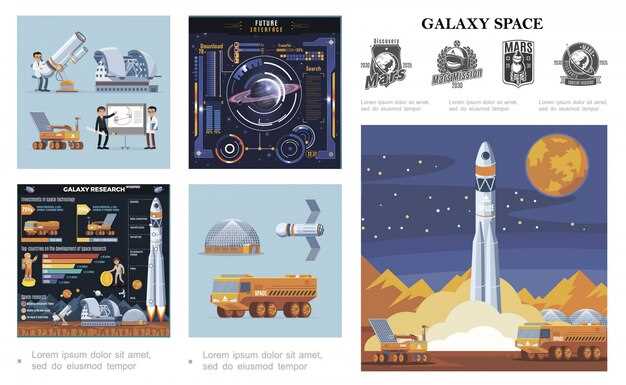 Die Weltraumwirtschaft – Aktueller Stand und Zukunftsaussichten – Ein umfassender Überblick">

Recommendation: Bauen Sie ein diversifiziertes Weltraum-Portfolio auf, das auf Onboard-Datenverarbeitung, modularen Kleinsatellitenflotten und proaktivem Trümmer-Management basiert. Ein besonderer Fokus sollte auf skalierbaren Anwendungsfällen entlang der Datenkette liegen – von Konnektivität bis Erdbeobachtung – während ein vollständiger Datenzyklus von der Erfassung bis zur Aktion aufrechterhalten wird. Historisch gesehen, haben die widerstandsfähigsten Akteure Hardware, Software und Dienstleistungen in einem einzigen routinemäßigen Workflow miteinander verbunden und den Handelswert von raumfahrtgestützten Dienstleistungen in die Höhe getrieben. Stand 2024, umkreisen mehr als 6.000 Satelliten die Erde; die Risikokapitalfinanzierung für Weltraumtechnologie überstieg 2023 18 Mrd. USD, und Konstellationen mit mehreren Umlaufbahnen treiben schnellere, kostengünstigere Starts voran. Diese Kombination bietet einen beispiellos advantage an Teams, die Schlüssel besitzen elements der Kette und den Betrieb aufrechtzuerhalten vertrauenswürdig. Twim Berichte zeigen ebenfalls Kapazitätserweiterungen über Konstellationen hinweg, was signalisiert, dass dies ein günstiger Moment für eine frühe Skalierung ist, insbesondere für diejenigen, die growing Bedarf in einen full stack.
Über das Feld heute, Hubs Cluster in Nordamerika, Europa und im asiatisch-pazifischen Raum, was die Zusammenarbeit zwischen Raumfahrtagenturen, Startups und etablierten Auftragnehmern ermöglicht. Das System bietet Fänger von Daten und Diensten – von Radar- und optischen Sensoren bis hin zu Navigations- und Wetterdaten – und ein wachsendes routine zur Integration von Weltraumressourcen in terrestrische Netze. Die wachsende Nachfrage kommt aus Sektoren wie Logistik, Landwirtschaft, Telekommunikation und Medien, die jeweils nach geringerer Latenz und höherer Zuverlässigkeit streben. Die trade in Orbitaldienstleistungen hat sich über Hardware hinaus auf Software, Daten und Analysen ausgeweitet, wodurch ein stärker diversifizierter Umsatzmix für Betreiber und Dienstleister entstanden ist. A vertrauenswürdig Ökosystem hängt von standardisierten Schnittstellen, offener Datenpolitik und sicheren Boden-Weltraum-Verbindungen ab.
Mit Blick nach vorn werden politische Klarheit, standardisierte Schnittstellen und widerstandsfähige Lieferketten darüber entscheiden, welche Akteure die Vorteile nutzen. Geldgeber sollten einen festen Prozentsatz der F&E für domänenübergreifende Plattformen bereitstellen, die Onboard-Verarbeitung, Konstellationsübergreifende Interoperabilität und Trümmerbeseitigung unterstützen; Aufsichtsbehörden sollten eine schnelle lokale Lizenzierung für Starts und Bodenstationen ermöglichen. Aufbauen Sie einen innovative Ökosystem, das Hardware, Software und Dienstleistungen miteinander verbindet. Entwickeln Sie regionale Hubs mit gemeinsamer Infrastruktur für Bodenstationen, Fertigung und Startvorbereitung; Förderung einer qualifizierten Belegschaft durch praxisorientierte Programme zur Verbesserung des Wohlbefindens und der Mitarbeiterbindung in stark nachgefragten Positionen. Pilotprojekt twim-Style-Datenfeeds und standardisierte APIs, um die Integration zu beschleunigen und die Amortisierungszeit zu verkürzen. Dieser Ansatz treibt den Sektor zu stetigem Wachstum und praktischen Anwendungen an.
In der Praxis sollten Führungskräfte die gesamte Wertschöpfungskette abbilden, von der vorgelagerten Produkteinführung und Fertigung bis hin zu den nachgelagerten Dienstleistungen und dem positiven Einfluss auf das Wohlbefinden von Arbeitnehmern und Gemeinschaften. Konzentrieren Sie sich auf die Widerstandsfähigkeit und Sicherheit der Lieferkette sowie auf beispiellos das Vertrauen der Kunden und behalten gleichzeitig bestimmte Risikofaktoren wie Trümmer, regulatorische Änderungen und Angebotsschocks genau im Auge. Durch die Kombination von elements Mit disziplinierter Ausführung von Hardware, Software und Dienstleistungen können Teams einen wachsenden Markt in dauerhafte Einnahmequellen verwandeln. Die Weltraumwirtschaft bietet mehrere Wertschöpfungsketten, und diejenigen, die sich an den Bedürfnissen der realen Welt orientieren, werden die nachhaltigsten Gewinne erzielen.
Praktische Einblicke in Markt, Politik, technologische Bereitschaft und Missionsdesign für eine nachhaltige CIS-Lunare Präsenz
Empfehlung: Modulare MRVs einsetzen, um frühzeitig Oberflächendaten zu erfassen, die Ressourcen- und Risikoprofile mittels Belmap-basierter Transparenz darzustellen und die Strom- und Kommunikationsverbindungen vor der Skalierung zu validieren, wodurch das Vorab-Kapital reduziert und die Marktanpassung beschleunigt wird. Dieser schrittweise Ansatz gleicht pilotgesteuerte und autonome Elemente aus und ermöglicht schnelles Lernen unter Beibehaltung der Gesundheits- und Sicherheitskontrollen.
Marktsignale deuten auf eine stetige Nachfrage in Regierungsprogrammen, kommerzieller Wartung und wissenschaftlichen Missionen mit Fokus auf zislunare Logistik hin. Jüngste Berichte schätzen die globale Raumfahrtwirtschaft auf fast 450 Mrd. USD im Jahr 2023, wobei der Betrieb auf der Mondoberfläche und die regionale Logistik das schnellste Wachstum bis in die 2030er Jahre aufweisen. Ein reichhaltiges Ökosystem aus privatem Kapital und Akzeleratoren unterstützt beschleunigte Tests und Diversifizierung der Lieferkette und ermöglicht es Lieferanten, einen größeren Anteil an Roadmaps für Oberflächeninfrastruktur, Energiesysteme und Datendienste zu übernehmen. Studien von Milligan und Loizidou heben den Wert diversifizierter Lieferanten und transparenter Kostenkurven hervor, um mehrjährige Verpflichtungen zu fördern, während Belmap-fähige Datenschichten die Transparenz für Betreiber und Finanziers verbessern.”
Politik und Governance sollten einen berechenbaren grenzüberschreitenden Rahmen verankern, der die Spektrumsnutzung standardisiert, Exportkontrollen an Dual-Use-Technologien anpasst und Haftungs- und Investitionsanreize klärt. Ein CIS-Lunar-Policy-Kit sollte einen klaren Testrhythmus, den Austausch von Sentinel-Netzwerkdaten zur Gefahrenerkennung und ein Mandat zur Veröffentlichung nicht-sensibler Berichte zur Beschleunigung des Lernens festlegen. Lagern Sie die Non-Core-Fertigung und Softwareentwicklung an kompetente Partner aus, um die Durchlaufzeiten zu verkürzen und den Talentpool zu erweitern, ein Muster, das sich bereits in den Zulieferer-Ökosystemen widerspiegelt, die mit grumman-ähnlichen Programmen und anderen Hauptauftragnehmern verbunden sind.
Technische Bereitschaft erfordert einen viergleisigen Fahrplan: Gerätekalibrierungen und bodengestützte Tests, Simulationen mit mittlerer Genauigkeit, Demonstrationen im Weltraum und Langzeit-Gesundheitsüberwachung. Schlüsselelemente sind modulare Energiesysteme, robuste Oberflächenkommunikation und autonome Navigation, die unter den Lichtverhältnissen des Mondes funktionieren kann. Die Integration umfangreicher Sensordaten, die Untersuchung von Ausfallarten und die Aktualisierung der Methodik in nahezu Echtzeit werden die Aufgabenverteilung zwischen Piloten und autonomen Systemen verbessern. Vermeiden Sie veraltete Komponenten, indem Sie auf Aufrüstbarkeit setzen und Sentinel-Sensoren einsetzen, die kontinuierlich den Zustand der Oberfläche und die Strahlenbelastung erfassen.
Das Missionsdesign konzentriert sich auf eine Phasenarchitektur, die mit MRVs beginnt, die Kartierungen, Probenahmen und risikoarme Wartungsarbeiten durchführen, und dann auf bemannte Missionen für komplexere Operationen skaliert. Punktgenaue Lokalisierung von hochwertigen Regionen – in der Nähe von Terminatorrändern, wiedergewonnenen Landekorridoren und Gebieten mit sonnenbeschienenen Fenstern – zur Optimierung von Leistung und Durchsatz. Der Oberflächenplan sollte modulare Habitaten, Oberflächenstrommasten und DSN-ähnliche Relaisfunktionen umfassen, um die Sichtbarkeit in allen Regionen aufrechtzuerhalten. Durch die Interoperation mit MRVs und Autonomiestacks ermöglichen die Teams schnelle Entscheidungszyklen und widerstandsfähige Operationen, während eine klare Vision durch kontinuierliches Feedback von Sentinel- und Belmap-Datenströmen erhalten bleibt.
Marktdynamik: Größe, Akteure und Finanzierungssignale in der Weltraumwirtschaft
Investiere in umfassende Konstellationen und Standardnutzlastplattformen, denn Skalierung senkt die Stückkosten und erweitert die Service-Reichweite.
Marktgröße und Wachstum: Die globale Raumfahrtwirtschaft liegt im Bereich von mehreren hundert Milliarden US-Dollar; Schätzungen für 2023–2024 gehen von etwa 500–600 Milliarden US-Dollar aus. Die Wachstumsrate liegt bis 2030 im mittleren bis hohen einstelligen Bereich pro Jahr, getrieben von Telekommunikation, Erdbeobachtung und Verteidigungsprogrammen. Dieser Auslöser wird durch neue Finanzierungskanäle verstärkt, darunter Corporate Venture-Bereiche und eine robuste staatliche Beschaffung. Regulierung und Frequenzpolitik werden die Geschwindigkeit und grenzüberschreitende Rentabilität beeinflussen, insbesondere für die Einführung von 5g6g und gemeinsame Netze. Schon bald werden Finanzierungssignale in gemischten Modellen zusammenlaufen, die Zuschüsse, Fremd- und Eigenkapital kombinieren, um lange Investitionszyklen zu steuern, ein Thema, das von Quellen und Branchenstudien hervorgehoben wird. Das gesamte Ökosystem erfordert ein koordiniertes Management über Schnittstellen und Datenrechte hinweg; die Studie unterstreicht, wie integrierte Planung die Ergebnisse über die gesamte Wertschöpfungskette beschleunigt.
Wichtige Akteure und Dynamiken: Die Weltraumwirtschaft umfasst drei Ebenen: Infrastruktur (Konstellationen und Bodennetze), Start und Service sowie Dienstleistungen. Konstellationen wie Starlink, OneWeb und Kuiper schaffen expansive Kapazitäten; Startanbieter wie SpaceX, Rocket Lab und ABL ermöglichen wiederholten Zugang; Dienstleistungs- und Verteidigungsakteure wie SES, Intelsat, Lockheed Martin und Northrop Grumman integrieren Anwendungen und liefern einsatzbereite Lösungen. Ein von Quellen hervorgehobener Trend ist, dass Partnerschaften und Standardschnittstellen die Interoperabilität fördern und die Stückkosten senken. Fesseln und modulare Hardwareansätze unterstützen die Bergung und Trümmerbeseitigung und reduzieren gleichzeitig die Masse- und Leistungsbudgets; Fortschritte bei elektrischen und thermischen Subsystemen erhöhen die Zuverlässigkeit der gesamten Flotte. Die Managementherausforderung erstreckt sich über Finanzierung, Lieferketten und Einhaltung von Vorschriften in verschiedenen Rechtsordnungen und führt zu unternehmensübergreifender Zusammenarbeit und gemeinsamen Roadmaps.
Finanzierungssignale: Die Finanzierung bleibt sowohl für Frühphasenprojekte als auch für skalierbare Programme robust. Venture-Runden und Unternehmenspartnerschaften bestehen weiterhin; die Staatshaushalte für Weltraummissionen sorgen für Visibilität; die Schuldenmärkte und die Asset-Backed-Finanzierung expandieren für anlagenintensive Aufbauten. Decisionx-gesteuerte Modelle gewinnen an Bedeutung und kombinieren Zuschüsse, Eigenkapital und Schulden, um das Risiko auf Akteure und Projekte zu verteilen. Regulierung und Frequenzzuteilungen beeinflussen Deal-Strukturen und -Zeitpläne, und die Quellen deuten auf eine wachsende Betonung von gestaffelten Meilensteinen und Risikoteilungsvereinbarungen als Standardansatz für langzyklische Raumfahrtprogramme hin.
| Dimension | Aktueller Zustand | Implikationen |
|---|---|---|
| Marktgröße (USD, Schätzung) | ~$500–$600B (2023–2024) | Unterstützt umfangreiche Investitionsausgaben in Satelliten, Startdienste und Services |
| Führende Akteure | Konstellationen: Starlink, Kuiper, OneWeb; Start: SpaceX, Rocket Lab, ABL; Anbieter/Integratoren: SES, Intelsat, Lockheed Martin, Northrop Grumman | Konsolidierung und Standardschnittstellen fördern Skalierbarkeit und Interoperabilität |
| Finanzierungssignale | Venture-Runden stabilisieren sich; öffentliche Auftragsvergabe ist anhaltend; Fremd- und Asset-Backed-Finanzierungen steigen | Decisionx- und Blended-Finance-Modelle verteilen Risiken und beschleunigen großflächige Einsätze |
Quellen: The Space Report (Space Foundation); Euroconsult World Satellite Space Economy; NASA-Beschaffungsdaten; Crunchbase; Industriestudien.
Politik und Governance: Internationale Zusammenarbeit, Exportkontrollen und regulatorische Angleichung für CIS-Lunare Vorhaben
Adopt a multilateral governance charter that standardizes export controls for CIS-Lunar components and enables a fast, risk-based licensing flow for routine items. This action reduces friction in collaborations and accelerates project cycles while preserving safety. The february milestone publishes a shared baseline of allowed dual-use technologies and a licensing ladder linked to an analytics dashboard for policymakers and operators.
Establish a Centre for CIS-Lunar Governance with three hubs: policy alignment, technical standards, and compliance analytics. Each hub rotates a chair from member states, ensuring diverse thinking while maintaining clear accountability. The hub network links localization efforts with international collaborations, enabling smoother linking across programs and faster learning cycles.
Licensing mode codes, such as samolosa for streamlined, low-risk items and sumo for rigorous, high-sensitivity cases, standardize reviews and improve predictability. This approach drives pace and reduces variance across national regimes, while preserving the ability to respond to emerging threats. Policymakers should publish clear criteria for item classification and maintain an auditable trail that detailers can study and cite. The ongoing race to advance CIS-Lunar capabilities benefits from a transparent, tiered framework that enables collaborations while safeguarding critical assets.
Localization and linking remain central to efficiency. The centre will publish quarterly dashboards tracking drivers such as propulsion innovations, autonomous logistics, and habitat technologies, and will surface breakthroughs that sustain economic activity. A local industrial base supports several national programs, while centre thinking informs a prime pathway for international cooperation. Moving ahead, a focused action plan aligns export-control rules with industrial policy, enables smoother cross-border transfers, and supports a robust, easy-to-implement regime that several states can adopt without sacrificing security.
Technology Readiness and Roadmapping: Key gaps and near-term milestones for long-duration ops
Adopt a phased TRL roadmapping approach that binds readiness goals to venture-backed, financially viable missions for long-duration ops. Establish a cross-sector plan with clear ownership, funding gates, and diverse testbeds to cut risk before high-price launches. Use the vergaaij framework to align technical specifics with market targets and ongoing user needs, maintaining speed and transitioning smoothly from lab proof to field demonstrations.
- Life-support and habitability: Close-loop recycling, air and water management, and microclimate control show TRLs around 4–6 in lab or bench tests; require multi-month closed-loop demonstrations in aerospace analogs or ISS partners to reach TRL 7–8 before deep-space deployment.
- Radiation protection: Materials and active shielding concepts need in-situ validation under mixed radiation fields; pursue targeted flight tests and material qualification with 2–3 dedicated payloads to reduce uncertaintiy in protection levels for crews and payloads.
- Power generation and energy storage: Energy density, thermal management, and power-bus reliability must scale from kilowatts to multi-kilowatt, with robust battery health monitoring and fault-tolerant distribution in autonomous habitats; plan 2–4 flight demonstrations and 1–2 ground simulations to validate scale.
- Propulsion and transition strategies: Electric/solar-electric propulsion and high-efficiency thrusters require integrated life-cycle tests, reliability metrics, and docking/berthing interfaces proven under realistic duty cycles (accelerating transition from LEO tests to cis-lunar and deep-space missions).
- Autonomous operations and AI fault management: Increase AI explainability, anomaly detection, and self-repair capabilities; demonstrate 6–12 month ongoing autonomous operations in a controlled on-orbit environment with human oversight as a safety net.
- On-orbit manufacturing and repair: Demonstrate closed-loop additive manufacturing, repair techniques, and parts recycling in orbit; establish standards for interfaces, materials, and quality control to enable scalable production in space.
- Telecommunications and data latency: Validate high-bandwidth, low-latency links across telecom networks, with robust delay-tolerant networking and cyber-resilience; ensure mission-critical data streams maintain integrity under long communication gaps.
- Standards, interfaces, and interoperability: Develop and adopt modular, open interfaces for habitat modules, life-support subsystems, and science payloads; minimize bespoke builds to enable quicker transitions between ventures and missions.
- Supply chain and cost discipline: Build a diversified supplier base and modular components to reduce price volatility; integrate cost estimation with mission planning to keep ventures and businesses within target budgets.
- Entertainment and payload versatility: Design adaptable payloads that can host entertainment experiences or data services to broaden revenue streams and demonstrate demand in extended events and missions, aiding financing and stakeholder engagement.
- Regulatory and safety readouts: Align with space agencies and private partners to streamline approvals for long-duration ops, launching a cadence of controlled tests to de-risk certification efforts.
Near-term milestones by horizon keep the plan actionable and market-oriented:
- 0–12 months: Establish the vergaaij-aligned roadmap and a shared testbed portfolio; complete 6–month closed-loop life-support demonstration in a validated analog; execute 2–3 telecommunications tests across ground networks and orbit to quantify latency, bandwidth, and resilience; validate autonomous fault-detection software in a flight-representative environment.
- 12–24 months: Initiate 2–4 on-orbit demonstrations focused on habitation reliability, energy management, and modular docking interfaces; publish concrete targets for TRL advancement with risk-adjusted budgets; test on-orbit servicing concepts and verify standard interfaces to enable future scale; begin exploring entertainment payloads as credible revenue pilots.
- 2–3 years: Conduct cis-lunar or ISS-based long-duration habitat trials spanning several months to validate closed-loop life support, radiation shielding concepts, and autonomous operations in real mission conditions; demonstrate on-orbit manufacturing and repair workflows with tangible parts produced in space; prove robust deep-space communications with latency budgets aligned to mission profiles.
- 3–5 years: Launch a coordinated private‑public demonstration mission series featuring a compact habitat module, autonomous maintenance routines, and a diversified payload stack including entertainment or data-service use cases; establish cost benchmarks, price targets, and flexible procurement models to attract more ventures and accelerators; enable scalable integration paths for mass-market missions and transition from pilot to routine long-duration ops.
For enterprise and investor clarity, couple each milestone with measurable outputs: TRL advancement, specific targets (crew comfort metrics, autonomy uptime, docking success rate), price per kilowatt-hour or per pound of payload capability, and a defined set of launches required to reach the next gate. This approach makes progress traceable, supports ongoing ventures, and accelerates the transition from experimental concepts to a robust, flexible space economy that enables scalable, profitable operations.
Life Support and Habitation: Systems, crew health, and autonomy for extended stays

Adopt a modular, satellite-based life-support loop with redundant sensors and autonomous maintenance workflows to sustain crews for multi-month missions. The system should reclaim water from urine and humidity condensate at 90-95%, generate oxygen on demand, and scrub CO2 with high-efficiency absorbers, all within a compact, serviceable footprint. Modules are poised for rapid reconfiguration, with decommissioning of aging units replaced by modified components to minimize downtime and maintain stable boundaries for crew comfort. Within this topic, engineers compare architectures to balance reliability, mass, and energy use.
Health and resilience rely on continuous telemetry: core body temperature, heart-rate variability, sleep quality, and hydration status feed adaptive exercise and nutrition plans. A baseline of 2,700-3,000 kcal per crew member per day, with 4-5 meals tailored for tastes and dietary restrictions, keeps performance steady. A small, robotic restaurant module and meal prep capability let crews vary menus without sacrificing nutrition, while telemedicine links and on-orbit labs support ground-backed decisions. Start with a cross-disciplinary team, including andy, to review dashboards and response playbooks.
Autonomy at the forefront means an AI-assisted life-support supervisor that runs 24/7, predicts component wear, schedules proactive maintenance, and coordinates with ground teams via satellite-based data links. Particularly for deep-space or planetary missions, the system should simulate scenario tests and validate contingencies with minimal human input. Currents of research across space agencies drive standardization and interoperability. This approach blends hardware and software in a hybrid configuration, using patented modules for energy efficiency and contamination control. spacexs-inspired automation initiatives and industrys partnerships help scale operations to multiple habitats and exploration endeavors.
Contamination control remains a core design constraint. For this topic, engineers align with cleanroom-grade surfaces, high-integrity air and water filters, and routine microbial surveillance to keep the habitat safe during long stays. The plan includes clear decommissioning criteria for aging lines and a staged modernization path to replace them with modified, patented hardware that preserves mission continuity. Boundaries between crew spaces and maintenance zones stay visible through transparent layouts and sensor dashboards, reducing cross-contamination risk while supporting quick reconfiguration for new exoplanetary or planetary experiments.
Habitation ergonomics focus on social cohesion and mental well-being. The exurban footprint of a stacked habitat cluster allows shared lounges, cardio zones, and kitchens that double as restaurants for crew meals. Detailed design notes address storage density, noise, lighting, and aroma control to support tastes variety. Detailers monitor wear on life-support surfaces and update maintenance logs, while the team keeps morale high with regular activities and private spaces for rest. The integrated system serves a wide range of mission profiles, from short checkouts to long-duration planetary stays, with energy balance managed by a hybrid solar-battery loop that sustains air, water, and thermal loads across mission phases.
Power, Propulsion, and ISRU: Enabling logistics, energy management, and in-situ resource use
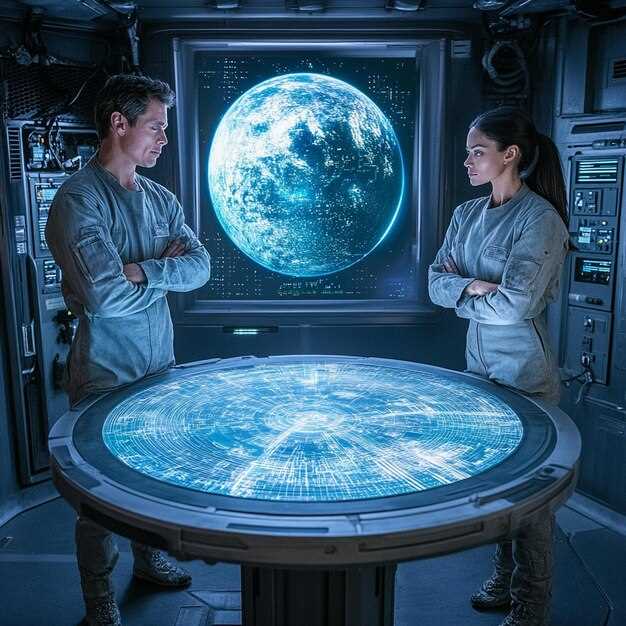
Invest in modular ISRU units paired with power‑efficient propulsion buses to cut logistics by 40–60% for initial lunar outposts and cis‑lunar habitats. Establish a standard operation framework with measurement and reporting routines to support rapid decision‑making under constraint, boosting confidence among operators and passengers alike. A streamlined hardware stack, including compact electrolysers, regolith processing modules, and cold‑gas thrusters, can scale from a small lander to a freighter with minimal rework, delivering a profound gain in mission resilience and success.
Energy management centers on optimizing the power budget with solar arrays and high‑density storage. Recommend a 2.5–5 kW baseline on early outposts, scaling to 20–50 kW for ascent/descent cycles and autonomous ISRU processing. Use real‑time measurement to track energy throughput and implement duty cycles that keep processing hardware running during peak insolation while booking off‑peak phases for data reporting and maintenance. The sateo platform should orchestrate power routing across modules, ensuring a continuous awash of telemetry for operators and mission control. Deploy broadband communications to keep command lines open to ground and to telescopes that map resource distributions on nearby bodies. The emphasis should be on optimize energy use, reducing costs per produced kilogram of propellants, and building a credible manufacturing pathway.
ISRU technologies provide the enabling loop for logistics: regolith processing, water electrolysis, and methanation. Use tests to measure feedstock input, conversion efficiency, and product yield, suggesting improvement paths for processing throughput. For mapping, orbiting telescopes and ground-based observatories provide validation data; integrated sensors feed a closed-loop measurement stream to the sateo system and mission control. In-hardware terms, ruggedized crushers, grinders, reactors, micro-reactors, and conveyors must withstand dust and radiation, with modular catchers and feedlines to keep throughput steady. The cost profile must incorporate manufacturing costs and post-deployment maintenance; the “done” threshold is achieving stable propellant production rates of at least 0.5–2 kg/day per 10 kg of processing hardware.
Operational governance uses a tight feedback loop. By august, pilot tests on a lunar analog must show end-to-end propellant generation, storage, and usage within a closed logistics chain. Use measurement‑driven decisions to adjust cycle times and resource allocation, with a quarterly reporting cadence enabling confidence among stakeholders. The overall approach prioritizes redundancy: backup power, duplicate sensors, and catchers to recover samples during maintenance. Emphasis on costs metrics, including manufacturing and field repair costs, guides procurement decisions and long-term profitability. Proceedings from cross‑agency reviews should feed into design updates and manufacturing roadmaps.
Field deployment plan includes a staged rollout: a 5–10 kW ISRU demo on a small lander; six‑month operating window; a descent sequence test; and a driver for micro‑mobility like bicycles for short‑range surface tasks. The plan uses a modular, scalable hardware approach that reduces schedule risk and speeds up time‑to‑value. This approach yields a broad gain in overall mission efficiency and a pathway to lower unit costs, with a clear emphasis on building operator confidence and proven success metrics. The outcomes will feed into reporting and the next‑phase funding discussions, summarized in upcoming proceedings and manufacturing briefs.
Risk Mitigation and Operational Resilience: Radiation, debris, and fault-tolerant architectures
Adopt a proactive, modular resilience stack that combines radiation-hardened hardware, fault-tolerant software, and diversified communications to maintain operations through solar events and debris encounters. This approach improves the economics of space campaigns and enables commercially viable deployments.
Radiation mitigation starts with introduced redundancy: hardware with radiation-tolerant processors, ECC memory, and watchdog systems, plus software-level safeguards like retry logic and fault injection tests. Instrumentation collects dose and fault-rate data, enabling power and thermal management to stay within limits without risking mission down time.
Debris risk management relies on real-time modelling and conjunction assessments, with a shared data fabric across ground and space segments. insar data and other instrumentation support joint tracking, while airborne sensing and ground radar feed updates to airspace managers, helping to pre-empt collisions before they arise.
Fault-tolerant architectures span a distributed constellation: cross-stratum routing, redundant cubesat nodes, and autonomous reconfiguration. A generic control plane, with modules introduced across platforms, reduces single points of failure and accelerates recovery, while wireless links and ground stations continue to deliver data to the location of interest.
Policy and capability development should engage countries and industry to curb piracy and spectrum misuse, implement prevention measures, and align with cross-border safety norms. Proactive assessments, instrumentation, and training for students ensure a skilled workforce; partnerships with restaurants and other sectors illustrate the value of resilient linkages. The approach followed by peer programs enables iterative improvements and scales across different mission profiles.