




Recommendation: Amazon holds the edge for choice and speed in 2025, but Walmart delivers stronger value for everyday needs.
Reality: Amazon holds roughly half of US online retail, driven by marketplaces and third-party merchandise. Walmart responds by expanding space in stores to support omnichannel orders and curb fulfillment times. In reality, the share gap remains narrow and underlines the rivalry's ongoing push for speed, cost control, and delivery reliability.
Process and operations: Walmart invests heavily in automation to reduce handling times, expand space for fulfillment, and maintain pace with online demand. Amazon continues to optimize the order-to-delivery process with data-driven systems, robust forecasting, and scalable fulfillment networks that shorten cycle times for prime shoppers.
Strategy for sellers and shoppers: target Amazon's marketplaces to reach broad audiences, while building private merchandise lines on Walmart to win price-sensitive buyers. Align pricing, promotions, and cross-channel support to reducing friction and offering flexible pickup and returns that boost satisfaction.
Consumer Events and Spending
Focus on building a membership-driven events calendar with exclusive deals to turn one-time buyers into repeat customers; starting with a 90-day pilot in core categories to establish the starting edge and the difference for everyday shoppers.
Data shows that major consumer events lift online orders by 8-15% and boost average order value for members by 20-35% on peak days. In fulfillment, automation reduces delivery times by 15-30%, significantly improving satisfaction and repeat purchases; older shoppers and everyday buyers respond best to seamless omnichannel options.
Beyond price, emphasize variety and ground-truth messaging; cut through lies in generic marketing by offering real benefits, transparent deals, and verifiable results. Use simple, clear labels and proof points to build trust.
- Anchor events: Focus on back-to-school, peak holiday weekends, and mid-year promotions. Tie each to membership perks and exclusive bundles; first-tier campaigns should be tested in one region before scaling, giving you the starting point to compare results and the edge over non-membership promos.
- Deals and membership: Build a tiered membership that unlocks early access, member-only deals, and easy returns. They will keep customers inside the ecosystem, reducing price wars with giants and lifting lifetime value.
- Variety versus single-price offers: Rotate category-specific deals (electronics, groceries, home) and mix price cuts with value-adds like free shipping or bundles; this variety helps avoid label fatigue and grows average order value.
- Automation and operations: Automate pricing, inventory signals, and fulfillment routing to keep costs predictable and speed to the customer; this supports edge in fulfillment during peak periods.
- Ground and stories: Ground and stories: Use data-driven messages grounded in real customer stories about everyday needs, with clear return pathways and fast support; this builds trust and drives repeat visits.
- Music and experiential launches: Pair product drops with live streams or short music moments to create memorable events and improve shareability.
- Starting tests and measurement: Run controlled pilots in select markets, track difference in repeat purchases and basket size, and scale those tests that show a significant edge over baseline.
Prime Day vs Walmart Promotions: Which Drives Higher Spending in 2025?
Recommendation: Prime Day 2025 will drive higher spending than Walmart promotions, powered by ai-powered features and an exclusive members program that nudges high-intent shoppers toward bigger carts.
In the future, brands should sharpen targets using machine learning to predict price sensitivity and item affinity, shape the market with more personalized offers.
Analysts project Prime Day will lift average order value by about 12-18% and increase new-customer share by 6-9% compared with Walmart’s peak promotions, aided by ai-driven recommendations and exclusive bundles that enable smarter decision-making, making it easier for shoppers to choose higher-value items.
Walmart still leans on price cuts and its brick-and-mortar footprint, but the battlefield now favors events that blend online and offline experiences, as ai-powered pricing has revolutionized how shoppers respond, along with in-store pickup options and cross-channel promos.
To win, brands should set targets, invest in an ai-driven program that leverages learning insights, and build a whole, integrated plan that will continue to experiment with features and promotions, innovating along the way. Having a clear value proposition will help, and the approach should take anything shoppers value into account, making the offers harder to ignore for the long term. The data taken from test results will guide the next steps and keep improving the strategy.
Category Shifts During Big Events: Electronics, Home, Grocery, and Apparel
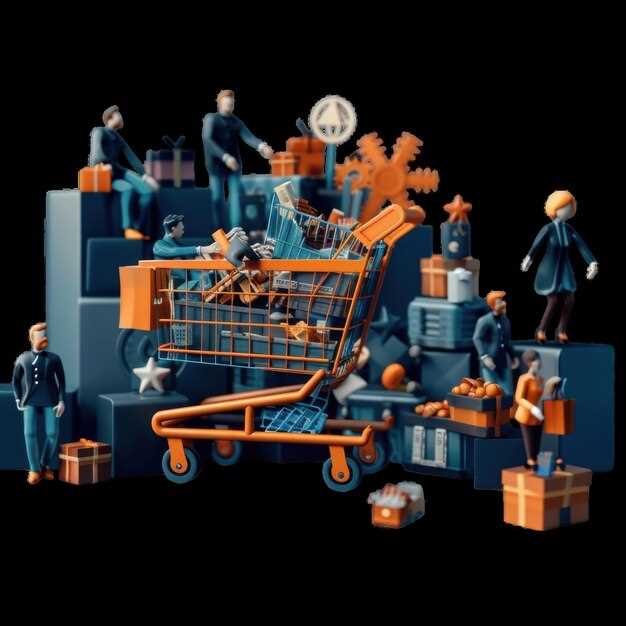
Recommendation: Prioritize cross-category visibility and fast fulfillment during big-event windows, starting with Electronics and Home where demand spikes the most. There is evidence that aligning promotions, stock, and logistics boosts conversion there, and giants started embracing this model a decade ago. To close the gap with your competitor, tune both first-party and third-party stock, label pricing clearly, and ensure your teams can move items during july and other peak periods.
Electronics stay the anchor of big-event demand: uplift can reach 2.0–2.5x for top SKUs like 4K TVs, laptops, and gaming devices. Giants started pushing tiered promotions, bundles, and extended warranties to attract shoppers online, and offline displays continue to drive impulse buys. A titan competitor embraced third-party marketplaces to widen the look and access, and the approach proved resilient even when supply constraints hit the chain. For sellers, build a simple model: highlight features that matter, create cross-sell bundles, and ensure logistics can handle rapid fulfillment within 24–48 hours. An interesting pattern shows how bundle depth and warranty options lift cart size, especially when promotions are clearly labeled and easy to scan.
Home categories show a steady shift toward hybrid fulfillment. During big events, kitchen appliances, smart home devices, and decor often see 1.5x–2x demand, with consumers combining online research and in-store pickup. There, retailers can look to improve the in-store experience so shoppers who started online convert offline. Among the tactics: build exclusive bundles, enable in-store demos, and use vendor-managed inventory to keep shelves stocked. Ensuring fast restocks and simple returns is crucial, and simply designing pickup windows with clear labels reduces friction for them when they arrive.
Grocery patterns emphasize speed and freshness. During july and other peak weeks, staple groceries and ready-to-eat meals surge, with online orders growing 1.3x–1.9x. A blended logistics approach–using both regional warehouses and store-level inventory–reduces stockouts and shortens delivery times. This is the fuel for loyalty, and a strong label system for freshness and shelf-life helps shoppers feel secure. Implement simple substitutions and real-time substitution rules to handle out-of-stock items.
Apparel faces size and color variety that drives returns, yet that also creates opportunities for bundles and differentiated offers. There is value in improving product pages with clear size charts, fit recommendations, and feature-rich media. Third-party suppliers can scale variety, but control the label and branding to maintain consistency; a compelling look and accurate delivery estimates reduce friction. Heavy competition, including from other brands, has pushed retailers to embrace efficient exchanges and quick refunds, proving that speed matters as much as price. The category is heavily influenced by offline experiences like pop-ups and in-store styling sessions that convert look-ready shoppers.
Future shifts will hinge on logistics excellence and cross-channel integration. There, retailers who embrace a unified view of inventory, leverage data across categories, and invest in last-mile capability will stay ahead of the titan giants, while maintaining a close relationship with customers. This decade has shown that those who started early and kept features simple can outpace rivals; the path forward is to combine in-store and online strengths, optimize labels and substitutions, and keep the customer at the center.
Promotions That Convert: Discounts, Bundles, and Free Shipping Thresholds
Starting with a clear bundle strategy, offer free shipping for orders over $35 and create three focused bundles that pair best-sellers with complementary items. This move lifts average order value, reduces selling friction, and minimizes errors at checkout. Build momentum by testing bundles in one region before expanding to other areas, and continue to optimize until the lift is taken across categories.
Implement a tiered discount that rewards larger carts: 10% off for two items, 15% for three, and 20% for four or more. Auto-apply at checkout to avoid customer confusion and errors. Coordinate with third-party marketplaces to ensure these discounts apply across channels and reflect the difference in value between items. Use clear copy that communicates the offer to customers, encouraging them to add more and move faster to checkout. Keep rules simple to avoid anything ambiguous at checkout.
Set free shipping thresholds that are credible and easy to communicate. For example, offer free shipping over $35 in domestic zones and over $50 in remote areas; show the threshold prominently in the cart to reduce friction. This policy should be tested with A/B experiments to measure impact on average order value and repeat purchases. Use logistics teams to ensure the shipping cost is included in the product price where appropriate to avoid surprise charges and satisfy customers that expect next-day or faster options when they reach the threshold. Seamlessly update the cart experience across devices so customers connect with the same offer no matter where they shop.
To accelerate growth, align promotions across selling channels and marketplaces, ensuring consistency so customers feel a single offer in each touchpoint. Track metrics across areas such as cart conversion rate, average order value, and refund/return rates to optimize the program. This gives customers good value and builds trust. If you hear feedback from customers or partners about anything unclear, adjust text and rules quickly to avoid friction and maintain goodwill.
Invest in innovations that streamline shopping, such as smart cross-sell prompts and dynamic bundles that adapt to shopper behavior; these innovations have been shown to increase cart size without slowing checkout. The plan should move fast across marketplaces, logistics partners, and internal teams so assets are updated before promotions take effect, allowing customers to move smoothly from discovery to sale. This approach connects with them and gives them value, reducing the difference between expectation and reality, and helps customers move faster.
Fulfillment and Speed: How Delivery Reliability Impacts Purchases at Peak Times
Use brick-and-mortar stores as micro-fulfillment hubs to boost delivery reliability during peak times, pairing real-time inventory within each location with flexible pickup options, including curbside and lockers. This approach strengthens the fulfillment process and keeps customers loving fast, predictable orders. It connects online orders with local stock quickly.
During peak weeks, the on-time delivery rate is the single biggest lever. When the on-time rate dips below 95%, order abandonments rise by double digits, and millions of shoppers switch to retailers with clearer windows.
Three key strategies will help: expand micro-fulfillment and pickup networks; pre-position inventory in top markets; offer transparent, reliable delivery windows and fast returns. Lessons from amazons show that pickup networks reduce last-mile distance, and retailers can replicate the model with partner stores within core metro areas. Other retailers can adopt similar networks by sharing stock data and coordinating deliveries. This approach translates into fewer delays and more connections across millions of shopping orders.
Meanwhile, daily monitoring of KPIs is vital: on-time rate, forecast accuracy, pickup wait times, and order-to-delivery latency. Potentially, a retailer can lift peak-performance by 3–5 percentage points simply by tightening staffing during morning slots and tuning routing rules. For example, keeping 60% of orders in 24-hour windows and 90% ready for pickup at most sites reduces cart abandonments and increases the chance that shoppers will complete their checkout. Across worlds of online shopping, delivery reliability drives conversion and repeat purchases.
Implement this within a 90-day plan: map top 20 markets, install micro-fulfillment at 15–20 brick-and-mortar sites, and expand pickup with lockers. Track disruption risk and adjust staffing weekly, using automated alerts that flag declines in on-time rates. Thanks to rapid iteration, retailers will improve the connection between online orders and local stock, lifting conversion during the biggest shopping days and enhancing loyalty long after the rush ends.
Loyalty Programs and Checkout Experience: Prime vs Walmart+ and Their Effect on Spending
Recommendation: Make prime the centerpiece for online spend growth in 2025, and pair it with Walmart+ to capture store demand across platforms. This approach targets the biggest long-term value and keeps people close across years.
Prime delivers a fast, efficient checkout that reduces friction. The prime membership costs 139 USD per year and unlocks free shipping on eligible items, access to Prime Day events, and One-Click purchasing. The look and feel of the checkout emphasizes saved addresses and wallets, shortening each order to a short sequence. For price-sensitive shoppers, the value comes from speed plus exclusive events, which could become a durable driver of higher spend online and beyond.
Walmart+ centers on in-store and hybrid experiences. Walmart Pay and Scan & Go accelerate the store checkout, while free delivery from stores on many items plus occasional fuel discounts add to total savings. The store component helps capture cross-channel demand and lift basket size when shoppers toggle between online carts and in-store pickup. Walmart+ platforms support a different but complementary path to loyalty, strengthening overall spend by linking store and online behavior.
Data points matter: Prime costs 139 USD per year, while Walmart+ runs 98 USD per year or 12.95 USD per month. Free delivery on orders over 35 USD and a fuel discount are key signals that drive value for price-conscious consumers. Prime Day and Walmart event weeks act as demand accelerators; each platform can capture different parts of the funnel, with prime leaning online and store integration reinforcing growth across years and occasions. The result is a combined effect that is bigger than either program alone, especially for households that shop across channels.
Strategies for brands and retailers include investing in faster checkout and consistent wallets across platforms, personalizing offers around events, and aligning price-sensitive segments with cross-channel bundles. On Prime, optimize One-Click checkout, enable seamless address and payment methods, and seed exclusive deals during Prime Day. On Walmart+, emphasize in-store promotions, threshold-free shipping where possible, and bundles that pair online carts with in-store pickup. A unified loyalty experience across platforms helps capture demand anywhere customers begin their shopping journey.
Bottom line: the winner in 2025 will be the system that delivers the best combination of fast, efficient checkout and cross-platform value. Prime has the edge in online scale and event-driven demand, while Walmart+ wins by reinforcing store-based capture and hybrid shopping. The closest approach–a seamless, scalable experience that links loyalty, payments, and checkout across platforms–will maximize spend and define the competitive landscape.