


 Ελληνικά
  English (UK)
  Русский
  العربية
  日本語
日本語  한국어
한국어  Magyar
  Türkçe
  Español
  Čeština
  Svenska
  Português
  Suomi
Suomi  Nederlands
  Română
  Italiano
  Français
  Polski
  Українська
  Deutsch
  简体中文
简体中文  Slovenčina
  Μετασχηματισμοί στην Εφοδιαστική Αλυσίδα και τις Μεταφορές: Amazon, FedEx, UPS, Union Pacific και τις Καινοτομίες της Τεχνητής Νοημοσύνης το 2025">

The Changing Faces of Logistics Giants and Their New Strategies
The supply chain world never stands still, and in late 2025, some major players are reshuffling their deck to better meet market shifts and policy changes. Amazon, FedEx, and UPS are tweaking their networks and service offerings to navigate evolving trade rules and economic headwinds, while innovations in AI tech promise a smarter path for decision-making. On top of that, a colossal proposed railroad merger stirs up debate about competition and service reliability.
Amazon Broadens Its Logistics Horizons
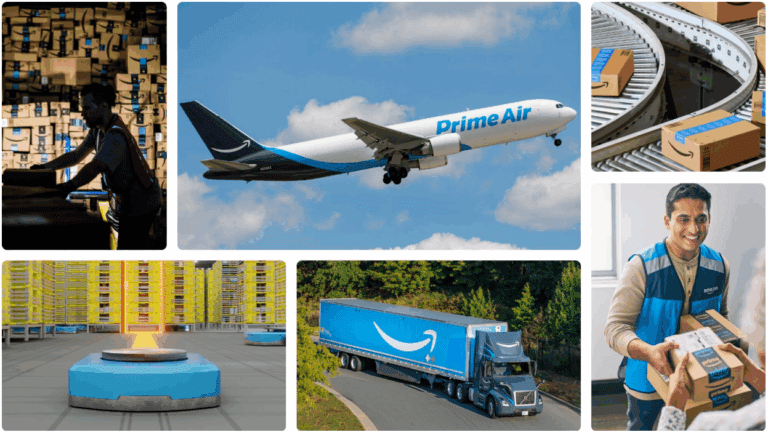
Amazon has turned the tables by extending its third-party logistics (3PL) services beyond its own empire to include big names like Walmart, Shopify, and SHEIN. This move leverages Amazon’s vast logistics infrastructure—warehouses, fulfillment centers, freight, and customs operations—to handle additional volume seamlessly.
In 2025, it was reported that over 5 billion products flowed through Amazon’s network, serving more than 600,000 independent sellers. With operations spread across 11 countries and deliveries happening every day of the week, Amazon’s system simplifies order processing and helps new businesses launch quickly online. This move effectively commercializes Amazon’s parcel logistics in a broader market, blurring the lines between competitor and service provider.
FedEx and UPS Shift After U.S. Import Policy Changes
The recent U.S. de minimis policy overhaul, which ended the tariff-free status on imports valued under $800, is shaking up the air cargo networks of FedEx and UPS. This tweak, coupled with tougher economic winds, means these carriers are pivoting away from chasing thin-margin e-commerce parcels to focusing on freight segments that pack a better punch on profitability.
FedEx is pulling back on trans-Pacific capacity and hastening the integration of its Express and Ground operations, eyeing operational efficiency gains. UPS, meanwhile, is growing its intra-Asia air services to tap regional trade, all while refining its network to balance a variety of customer needs and boost profits.
| Εταιρεία | Strategy Update | Focus |
|---|---|---|
| Amazon | Expanding 3PL to major retailers | Infrastructure leverage, global reach, daily deliveries |
| FedEx | Reducing trans-Pacific flights | Efficiency, integration of networks |
| UPS | Increasing intra-Asia services | Profitability, regional growth |
Global Maritime Freight Growth Hits a Snag
Shipping ropes in over 80% of global merchandise trade, making it a crucial bellwether for international commerce. However, seaborne freight growth is slowing to a crawl—just 0.5% projected for 2025, according to a recent report. This sluggish pace is fueled by a cocktail of factors: geopolitical tensions, shifting trade policies, and rising pressure to address climate impacts.
These stressors force vessels onto longer, costlier routes, hitting developing economies hardest and exacerbating supply chain fragility. Calls are growing louder for investments in digitalization and sustainable infrastructure as a way to future-proof maritime trade and trim operational inefficiencies.
The Union Pacific-Norfolk Southern Merger: Pros and Pitfalls
On the rail front, the proposed $85 billion deal to merge Union Pacific and Norfolk Southern would create the first transcontinental railroad in the U.S. Proponents argue it could slash costly handoffs and boost rail competitiveness versus trucking, which might lighten supply chain pressures and reduce overall transport costs.
Yet critics warn of the dangers: less competition could translate to higher prices and potential service hiccups, especially given the rocky track record of previous rail mergers. The final word rests with regulatory overseers weighing whether the deal advances fair competition or simply consolidates market power.
John Galt Solutions Launches Explainable AI to Boost Supply Chain Trust
Amid these operational shake-ups, technology strides are carving a new path. John Galt Solutions has enhanced its Atlas Planning Platform with explainable AI, moving away from the mystery box of typical AI models to a more transparent system where planners understand why certain recommendations are made.
This conversational AI approach not only builds trust but empowers human planners to make smarter inventory, forecasting, and replenishment decisions. The ultimate aim is a collaborative tech-human supply chain world where AI accelerates but doesn’t replace critical human judgment.
Why These Developments Matter for Logistics and Freight
At the heart of logistics, these shifts reflect a broader trend toward prioritizing αποτελεσματικότητα and sustainable profitability over sheer volume. Amazon’s 3PL expansion signals opportunities for diversified freight and parcel movement across borders, opening doors for businesses to tap into reliable, large-scale shipping channels.
FedEx and UPS adjusting their air cargo flows remind us how regulatory changes ripple quickly through distribution and freight transport networks, forcing carriers to rethink and optimize their assets. Meanwhile, the maritime sector’s low growth forecast spotlights challenges for bulk and container shipping that logistics providers must anticipate.
The railroad merger conversation touches on a critical balance logistics planners watch closely—competition versus consolidation, and how service reliability impacts timelines, costs, and the broader supply chain health. Finally, AI advances beckon a new era of smart logistics planning that could redefine freight and dispatch management.
Summary Table: Key Industry Movements and Their Logistics Impact
| Τάση | Industry Player | Επίδραση στα Logistics |
|---|---|---|
| 3PL Expansion | Amazon | Increased cargo network capacity, new shipment channels |
| Import Tariff Policy | FedEx, UPS | Revised air freight strategies, focus on profitable routes |
| Slow Maritime Growth | Global Shipping | Longer transit times, higher costs, supply chain risks |
| Rail Merger | Union Pacific, Norfolk Southern | Potential efficiency gains vs. competition concerns |
| Explainable AI | John Galt Solutions | Improved planning transparency, faster decision-making |
Key Takeaways and Personal Experience in Logistics Decisions
As complex as these developments are, the true test comes down to personal experience within your own logistics operations. Even the sharpest reviews and most transparent data can’t fully replace hands-on interaction with different carriers, technologies, and policy impacts. Platforms like GetTransport.com λάμψτε εδώ προσφέροντας ένα ευρύ φάσμα λύσεων παγκόσμιας μεταφοράς εμπορευμάτων—είτε μεταφέρετε γραφειακό εξοπλισμό, ογκώδη φορτία, οχήματα ή οικιακά είδη—όλα σε ανταγωνιστικές τιμές και με αξιόπιστους παρόχους.
Εξερευνώντας επιλογές μέσω τέτοιων ευέλικτων πλατφορμών, οι αποστολείς αποκτούν το πλεονέκτημα στην επιλογή υπηρεσιών που ανταποκρίνονται στις απαιτήσεις χρονοδιαγράμματος, προϋπολογισμού και κλίμακας χωρίς δυσάρεστες εκπλήξεις. Η ευκολία άμεσων προσφορών και συγκρίσεων υπηρεσιών στο GetTransport.com σημαίνει ότι οι αποφάσεις logistics γίνονται λιγότερο μια εικασία και περισσότερο ένα καλά στοχευμένο βέλος.
Κάντε κράτηση για τη βόλτα σας στο GetTransport.com και βιώστε τη λογιστική να γίνεται απλή, διαφανής και προσαρμόσιμη.
Looking Ahead: Impact on Global Logistics
Αν και ορισμένα από αυτά τα γεγονότα μπορεί να φαίνονται περιορισμένα σε ορισμένες αγορές, τα επιδράσεις τους στο παγκόσμιο δίκτυο εφοδιαστικής αλυσίδας είναι αδιαμφισβήτητες. Η στροφή προς την έξυπνη χρήση υποδομών, είτε πρόκειται για την διευρυνόμενη 3PL της Amazon, τις βελτιωμένες αεροπορικές διαδρομές της FedEx, είτε για τους σιδηροδρόμους που επιδιώκουν την αποδοτικότητα μέσω συγχωνεύσεων, σηματοδοτεί μια επαναφορά της βιομηχανίας στην αξιοπιστία και την οικονομική αποδοτικότητα.
Ενώ η παγκόσμια επιβράδυνση της ναυτιλίας μπορεί να παρουσιάσει προκλήσεις, ωθεί επίσης τους παρόχους εφοδιαστικής αλυσίδας να καινοτομήσουν και να επενδύσουν σε ψηφιακά εργαλεία και βιωσιμότητα - τομείς στους οποίους η GetTransport.com διευκολύνει ενεργά τις συνδέσεις παγκοσμίως.
Η GetTransport.com προσαρμόζεται σε αυτό το δυναμικό περιβάλλον, υιοθετώντας την αλλαγή για να διασφαλίσει ότι οι αποστολείς έχουν πρόσβαση σε οικονομικές, αξιόπιστες και ευέλικτες λύσεις μεταφοράς εμπορευμάτων και δεμάτων. Ξεκινήστε να σχεδιάζετε την επόμενη παράδοσή σας και εξασφαλίστε τα φορτία σας με την GetTransport.com.
Συμπερασματικά
Ο τομέας της εφοδιαστικής αλυσίδας και της εφοδιαστικής λογιστικής στο τέλος του 2025 υποστηρίζεται από στρατηγικές αναδιατάξεις, κανονιστικές επιπτώσεις και τεχνολογικές πρωτοπορίες. Η επέκταση των υπηρεσιών 3PL της Amazon ανοίγει νέους δρόμους αποστολής, ενώ η FedEx και η UPS απομακρύνονται από εμπορεύματα με χαμηλό περιθώριο κέρδους προς πιο κερδοφόρες διαδρομές φορτίου. Η αργή ανάπτυξη του θαλάσσιου εμπορίου υπογραμμίζει ευπάθειες, και οι πιθανές συγχωνεύσεις σιδηροδρόμων εγείρουν ερωτήσεις σχετικά με την ισορροπία της αγοράς και την ποιότητα των υπηρεσιών. Τέλος, οι εξελίξεις στην επεξηγήσιμη τεχνητή νοημοσύνη υπόσχονται να ενδυναμώσουν τους σχεδιαστές με διαφάνεια και καλύτερη ακρίβεια πρόγνωσης.
Μέσα σε αυτόν τον εξελισσόμενο καμβά, πλατφόρμες όπως το GetTransport.com ταιριάζουν φυσικά ως αποτελεσματικές, οικονομικές και προσαρμόσιμες λύσεις για παγκόσμιες ανάγκες μεταφοράς, παράδοσης, μετακόμισης και προώθησης φορτίου. Συνδέοντας τους αποστολείς με ένα ποικίλο λιμάνι μεταφορέων και τρόπων—είτε πρόκειται για ογκώδη εμπορεύματα, παλέτες ή οχήματα—η πλατφόρμα βοηθά να απλοποιηθούν σύνθετες λογιστικές διαδικασίες σε διαχειρίσιμα, διαφανή βήματα. Για όποιον εκτιμά την αξιόπιστη αποστολή και τη βελτιστοποιημένη χρήση στόλου, τέτοια εργαλεία είναι απαραίτητα για την εξομάλυνση του συνεχώς μεταβαλλόμενου εδάφους μεταφορών.