



The Changing Faces of Logistics Giants and Their New Strategies
The supply chain world never stands still, and in late 2025, some major players are reshuffling their deck to better meet market shifts and policy changes. Amazon, FedEx, and UPS are tweaking their networks and service offerings to navigate evolving trade rules and economic headwinds, while innovations in AI tech promise a smarter path for decision-making. On top of that, a colossal proposed railroad merger stirs up debate about competition and service reliability.
Amazon Broadens Its Logistics Horizons
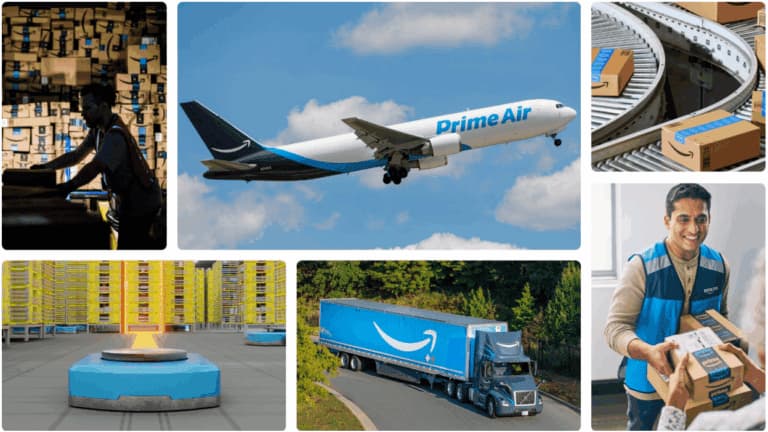
Amazon has turned the tables by extending its third-party logistics (3PL) services beyond its own empire to include big names like Walmart, Shopify, and SHEIN. This move leverages Amazon’s vast logistics infrastructure—warehouses, fulfillment centers, freight, and customs operations—to handle additional volume seamlessly.
In 2025, it was reported that over 5 billion products flowed through Amazon’s network, serving more than 600,000 independent sellers. With operations spread across 11 countries and deliveries happening every day of the week, Amazon's system simplifies order processing and helps new businesses launch quickly online. This move effectively commercializes Amazon’s parcel logistics in a broader market, blurring the lines between competitor and service provider.
FedEx and UPS Shift After U.S. Import Policy Changes
The recent U.S. de minimis policy overhaul, which ended the tariff-free status on imports valued under $800, is shaking up the air cargo networks of FedEx and UPS. This tweak, coupled with tougher economic winds, means these carriers are pivoting away from chasing thin-margin e-commerce parcels to focusing on freight segments that pack a better punch on profitability.
FedEx is pulling back on trans-Pacific capacity and hastening the integration of its Express and Ground operations, eyeing operational efficiency gains. UPS, meanwhile, is growing its intra-Asia air services to tap regional trade, all while refining its network to balance a variety of customer needs and boost profits.
| Company | Strategy Update | Focus |
|---|---|---|
| Amazon | Expanding 3PL to major retailers | Infrastructure leverage, global reach, daily deliveries |
| FedEx | Reducing trans-Pacific flights | Efficiency, integration of networks |
| UPS | Increasing intra-Asia services | Profitability, regional growth |
Global Maritime Freight Growth Hits a Snag
Shipping ropes in over 80% of global merchandise trade, making it a crucial bellwether for international commerce. However, seaborne freight growth is slowing to a crawl—just 0.5% projected for 2025, according to a recent report. This sluggish pace is fueled by a cocktail of factors: geopolitical tensions, shifting trade policies, and rising pressure to address climate impacts.
These stressors force vessels onto longer, costlier routes, hitting developing economies hardest and exacerbating supply chain fragility. Calls are growing louder for investments in digitalization and sustainable infrastructure as a way to future-proof maritime trade and trim operational inefficiencies.
The Union Pacific-Norfolk Southern Merger: Pros and Pitfalls
On the rail front, the proposed $85 billion deal to merge Union Pacific and Norfolk Southern would create the first transcontinental railroad in the U.S. Proponents argue it could slash costly handoffs and boost rail competitiveness versus trucking, which might lighten supply chain pressures and reduce overall transport costs.
Yet critics warn of the dangers: less competition could translate to higher prices and potential service hiccups, especially given the rocky track record of previous rail mergers. The final word rests with regulatory overseers weighing whether the deal advances fair competition or simply consolidates market power.
John Galt Solutions Launches Explainable AI to Boost Supply Chain Trust
Amid these operational shake-ups, technology strides are carving a new path. John Galt Solutions has enhanced its Atlas Planning Platform with explainable AI, moving away from the mystery box of typical AI models to a more transparent system where planners understand why certain recommendations are made.
This conversational AI approach not only builds trust but empowers human planners to make smarter inventory, forecasting, and replenishment decisions. The ultimate aim is a collaborative tech-human supply chain world where AI accelerates but doesn’t replace critical human judgment.
Why These Developments Matter for Logistics and Freight
At the heart of logistics, these shifts reflect a broader trend toward prioritizing efficiency and sustainable profitability over sheer volume. Amazon’s 3PL expansion signals opportunities for diversified freight and parcel movement across borders, opening doors for businesses to tap into reliable, large-scale shipping channels.
FedEx and UPS adjusting their air cargo flows remind us how regulatory changes ripple quickly through distribution and freight transport networks, forcing carriers to rethink and optimize their assets. Meanwhile, the maritime sector’s low growth forecast spotlights challenges for bulk and container shipping that logistics providers must anticipate.
The railroad merger conversation touches on a critical balance logistics planners watch closely—competition versus consolidation, and how service reliability impacts timelines, costs, and the broader supply chain health. Finally, AI advances beckon a new era of smart logistics planning that could redefine freight and dispatch management.
Summary Table: Key Industry Movements and Their Logistics Impact
| Trend | Industry Player | Effect on Logistics |
|---|---|---|
| 3PL Expansion | Amazon | Increased cargo network capacity, new shipment channels |
| Import Tariff Policy | FedEx, UPS | Revised air freight strategies, focus on profitable routes |
| Slow Maritime Growth | Global Shipping | Longer transit times, higher costs, supply chain risks |
| Rail Merger | Union Pacific, Norfolk Southern | Potential efficiency gains vs. competition concerns |
| Explainable AI | John Galt Solutions | Improved planning transparency, faster decision-making |
Key Takeaways and Personal Experience in Logistics Decisions
As complex as these developments are, the true test comes down to personal experience within your own logistics operations. Even the sharpest reviews and most transparent data can't fully replace hands-on interaction with different carriers, technologies, and policy impacts. Platforms like GetTransport.com shine here by offering a vast range of global cargo transportation solutions—whether you’re moving office equipment, bulky freight, vehicles, or household goods—all at competitive prices and with trusted providers.
By exploring options through such versatile platforms, shippers gain the upper hand in choosing services that match their timing, budget, and scale requirements without nasty surprises. The convenience of real-time quotes and service comparisons on GetTransport.com means logistics decisions become less of a shot in the dark and more a well-aimed arrow.
Book your Ride at GetTransport.com and experience logistics made straightforward, transparent, and adaptable.
Looking Ahead: Impact on Global Logistics
Though some of these events might seem confined to certain markets, their ripple effects in the global logistics web are undeniable. The shift toward smarter use of infrastructure, be it Amazon’s expanding 3PL, FedEx’s refined air freight routes, or the railroads eyeing efficiency through mergers, signals an industry refocusing on reliability and cost-effectiveness.
While the global maritime slowdown might pose challenges, it also pushes logistics providers to innovate and invest in digital tools and sustainability—areas where GetTransport.com is actively facilitating connections worldwide.
GetTransport.com keeps pace with this dynamic landscape, embracing change to ensure shippers have access to affordable, reliable, and flexible freight and parcel transport solutions. Start planning your next delivery and secure your cargo with GetTransport.com.
In Conclusion
The logistics and supply chain sector at the end of 2025 is underpinned by strategic realignments, regulatory impacts, and technology breakthroughs. Amazon’s extension of 3PL services opens new shipment pathways, while FedEx and UPS pivot away from low-margin goods toward more profitable cargo routes. Maritime trade’s slow growth underscores vulnerabilities, and potential rail mergers raise questions about market balance and service quality. Finally, advances in explainable AI promise to empower planners with transparency and better forecast precision.
Within this evolving canvas, platforms like GetTransport.com fit naturally as efficient, cost-effective, and adaptable solutions for global freight, delivery, moving, and cargo forwarding needs. By connecting shippers to a diverse port of carriers and modes—be it bulky goods, pallets, or vehicles—the platform helps simplify complex logistics into manageable, transparent steps. For anyone who values reliable shipment and optimized fleet usage, such tools are indispensable in smoothing out the ever-changing transport terrain.