



The Panama Canal spent July and August 2026 taking capacity off the table in half-foot steps. Maximum authorised draft at the Neopanamax locks fell from 49.5 feet in early July to 49.0 feet on 24 July, then to 48.5 feet on 15 August. The next two steps have since slipped: the authority postponed 48.0 feet from 26 August to 2 September, and 47.5 feet from 3 September to 1 October. On 20 August it added the measure it had spent six weeks avoiding: a hard cap on daily transits, 34 slots from 4 September and 32 from 15 September. Read those two moves together, because that delay is not the relief it looks like.
I have followed each notice as it came out, because the two levers behave differently. Authorised draft cuts take cargo off ships that still sail. A transit cap takes ships out of the queue. The second one is what moves auction prices, and August already gave us the proof.
The authorised draft schedule in one place
Every adjustment has been published in advance against projected Gatun Lake levels, which makes the sequence unusually easy to plan against.
| Effective date | Maximum Neopanamax draft, feet | Step down, feet |
|---|---|---|
| Early July 2026 | 49.5 | baseline |
| 24 July 2026 | 49.0 | 0.5 |
| 15 August 2026 | 48.5 | 0.5 |
| 2 September 2026, moved from 26 August | 48.0 | 0.5 |
| 1 October 2026, moved from 3 September | 47.5 | 0.5 |
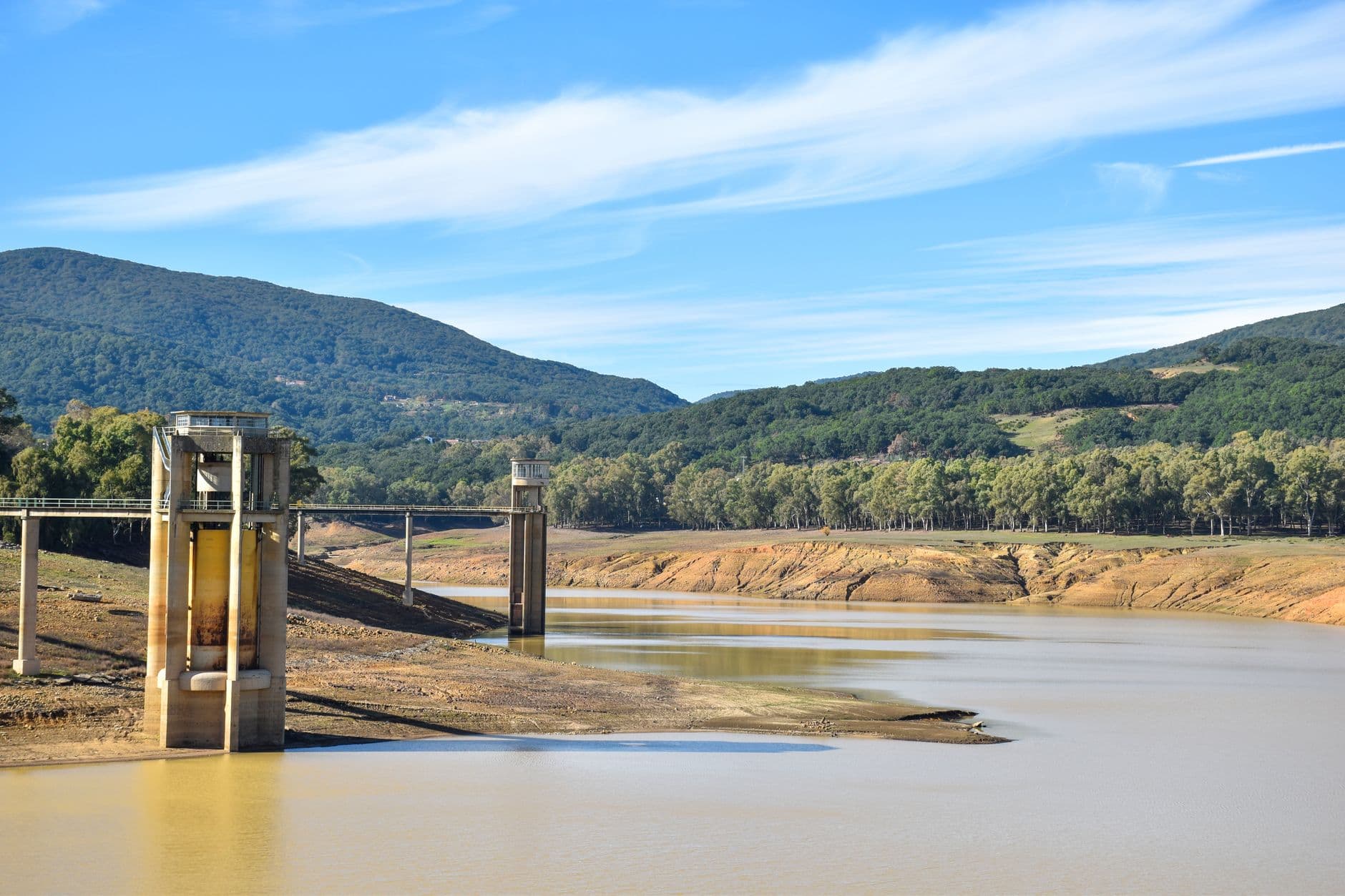
That is two feet of draft removed across a schedule that now runs from early July to 1 October. The canal's published logic is straightforward: the Neopanamax locks draw on Gatun Lake, the same reservoir that supplies drinking water to a large share of the country, so the authority protects the level rather than the throughput.
What a half-foot actually removes
Maximum draft restrictions get reported as a technical footnote. They are a cargo tax. A vessel arriving deeper than the authorised mark either discharges weight before transit or waits, and for a large Neopanamax container ship each foot of lost draft translates into hundreds of boxes left behind on published estimates. Bulk carriers and laden gas carriers feel it sooner, because their cargo is dense and they load to the marks.
The practical effect I keep seeing in bookings is a split fleet. Ships that can trade lighter keep the canal and accept a partial load. Ships that cannot, mostly dry bulk plus some tanker segments, price the long way round and compare it against the Cape or the Suez leg. Our Suez Canal and Cape routing framework covers that same arithmetic on the Asia to Europe side.
The transit cap arrived after the reassurance
This part deserves careful reading, because the record holds two statements that look contradictory and are not.
Through the maximum draft announcements the authority said the adjustments would not reduce the number of daily transits. That held while authorised draft was the only lever. On 20 August it announced what it called temporary modifications to lock transit capacity: 34 daily slots from 4 September, dropping to 32 from 15 September, with the Neopanamax locks capped at nine slots and the older Panamax locks at 25 from the first of those dates, falling to 23 on the second.
Then came the part that is easy to misread. The authority postponed both remaining authorised draft cuts, citing the level of Gatun Lake and its latest weather projections. A postponement normally signals that conditions improved. This one does not: rainfall across the watershed ran 34 percent below the historical average from May through August, inflows 44 percent below, and the authority is planning around an El Nino expected to run into 2027. So the canal relaxed the lever that costs shippers cargo weight in the same fortnight it tightened the lever that costs them sailings. That is not a contradiction, it is a choice about which constraint does the rationing, and it tells you where the pressure will show up first.
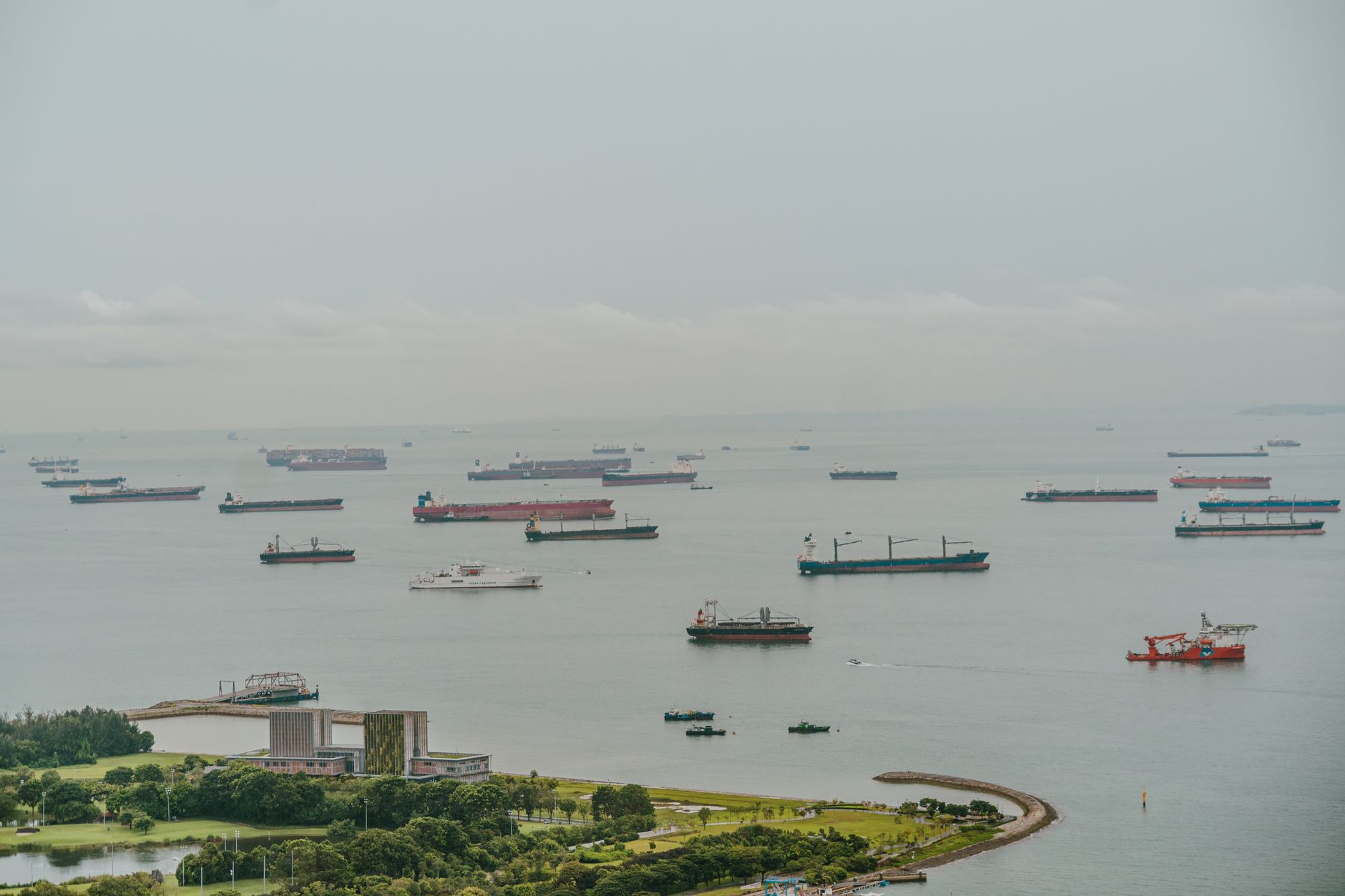
Set that against actual traffic. The canal averaged about 35 daily transits through June 2026 against a working capacity near 40. A cap of 34 therefore sits close to demand rather than far below it, while 32 falls under recent averages. The sequence tells you the authority shifted from protecting cargo weight to rationing slots once the rainfall forecast worsened, and it tells you the earlier reassurance was accurate on the day it was given.
Auction prices, and how to read the record numbers
Slot auctions show scarcity first. The published figures for August 2026 are dramatic, they are also inconsistent, so it pays to know which number describes what.
- The old baseline. A median near 55,000 dollars per slot across the October 2025 to February 2026 window.
- August daily average. Roughly 1.1 million dollars, more than 16 times the same period a year earlier, on Argus Media data reported by the Financial Times.
- Neopanamax average. A record around 2.5 million dollars per slot for the largest class the canal handles.
- Single bids. Reports of 3.78 million dollars since 28 July, a container ship at close to 4 million, plus a gas carrier reported at 4.6 million. The vessel type matters: gas carriers run on delivery windows that make waiting more expensive than paying, so they set the ceiling and container operators rarely meet it.
The spread between 3.78 and 4.6 million is not noise to be smoothed away. Auction results reach the market through different intermediaries at different stages, some quoting a winning bid and some quoting all-in transit cost with tolls and surcharges included. When I model a worst case I use the Neopanamax average rather than the headline bid, because one desperate gas carrier does not set the price a container booking will face. The booking mechanics themselves, slot classes plus the reservation window, are set out in our Panama Canal booking window guide.
Why this dry season is not 2023 again
Two things differ from the drought that made headlines three years ago.
First, the forecast. Meteorologists put an 81 percent chance on this El Nino reaching very strong status by late 2026, which raises the risk of below normal rainfall across Central America into early next year. The canal is restricting in anticipation, not in reaction, which is why the notices arrive with dates attached rather than as emergency bulletins.
Second, the alternatives are worse than they were. With the Strait of Hormuz closed by conflict earlier in 2026, tanker plus gas tonnage that would normally hold other options is competing for canal slots at the exact moment the canal is rationing them. That combination, not the drought alone, produced the 16-fold jump in auction pricing. Anyone weighing an overland option should read our assessment of the Tehuantepec interoceanic corridor, which handles a fraction of the volume yet is genuinely operating.
The Rio Indio reservoir, and why it misses this decade
The structural fix is a new reservoir on the Indio River west of the canal route, approved by the canal's board in February 2025 under resolution ACP-JD-RM 25-1542. It carries a 1.6 billion dollar price tag, would raise freshwater storage materially plus supply drinking water to more than half of Panama's population, and its calendar runs long: tendering across 2026 and 2027, construction from early 2027, completion targeted around 2032.
It also carries a social bill. Roughly 2,000 people live in the affected area and resettlement is scheduled to begin next year, with compensation, replacement housing plus income support through the transition. Around 300 people protested in Panama City on 3 August 2026 against the plan. I flag the opposition because it is a schedule risk rather than a footnote: reservoir projects that stall do so at the resettlement stage far more often than at the engineering stage.
For anyone planning transits between now and 2032, the reservoir changes nothing. The lake you transit is the one you have.
- Plan against 47.5 feet, not 49.5. The published schedule now reaches that level on 1 October 2026, with 48.5 feet holding until 2 September and 48.0 feet in between, and no announced floor below 47.5.
- Treat 32 daily slots as the working number from 15 September. That sits below the 35 transits a day the canal averaged through June.
- Budget with the Neopanamax average near 2.5 million dollars. A headline single bid of 4 million describes one ship's emergency, not your booking.
- Book early rather than bid late. The reservation system rewards planning precisely because the auction has become the expensive fallback.
- Leave Rio Indio out of current models. Construction starts in 2027 at the earliest and completion sits around 2032.
Common questions
What is the Panama Canal draft limit right now? The Neopanamax maximum has been 48.5 feet since 15 August 2026. It drops to 48.0 feet on 2 September and to 47.5 feet on 1 October, both dates postponed from 26 August and 3 September respectively, following steps from 49.5 feet in early July and 49.0 feet on 24 July.
Is the canal reducing the number of ships per day? Yes, from 4 September 2026. Daily transits are capped at 34, then at 32 from 15 September, with nine slots at the Neopanamax locks and 25 at the Panamax locks. Earlier maximum draft notices stated that transit numbers were unaffected, which was correct before this announcement.
How much does a transit slot cost at auction? August 2026 daily averages ran near 1.1 million dollars, over 16 times a year earlier, with a Neopanamax record average around 2.5 million. Individual bids of 3.78 million and close to 4 million have been reported. The comparable median for October 2025 to February 2026 was about 55,000 dollars.
Why are limits tightening before the dry season? Forecasters give an 81 percent probability that the current El Nino becomes very strong by late 2026, which points to below normal rainfall over the canal watershed. The authority restricts on projected Gatun Lake levels rather than waiting for them to fall.
Will the Rio Indio reservoir solve this? Not for this decade. The 1.6 billion dollar project was approved in February 2025, goes to tender across 2026 and 2027, starts construction in early 2027 and targets completion around 2032, with about 2,000 people to be resettled.
Sources: Panama Canal Authority advisories on Neopanamax draft adjustments and lock transit capacity issued between July and 25 August 2026, including the postponement of the 48.0 and 47.5 foot steps, Argus Media auction data reported by the Financial Times, Splash247 and WorldCargo News reporting on record slot bids, Maritime Executive coverage of auction pricing and queue length, canal board resolution ACP-JD-RM 25-1542 on the Rio Indio reservoir, plus Newsroom Panama and Mongabay reporting on resettlement and protests. Draft and transit figures reflect notices published to 25 August 2026 and can be revised at short notice, as the two postponed steps demonstrate.