


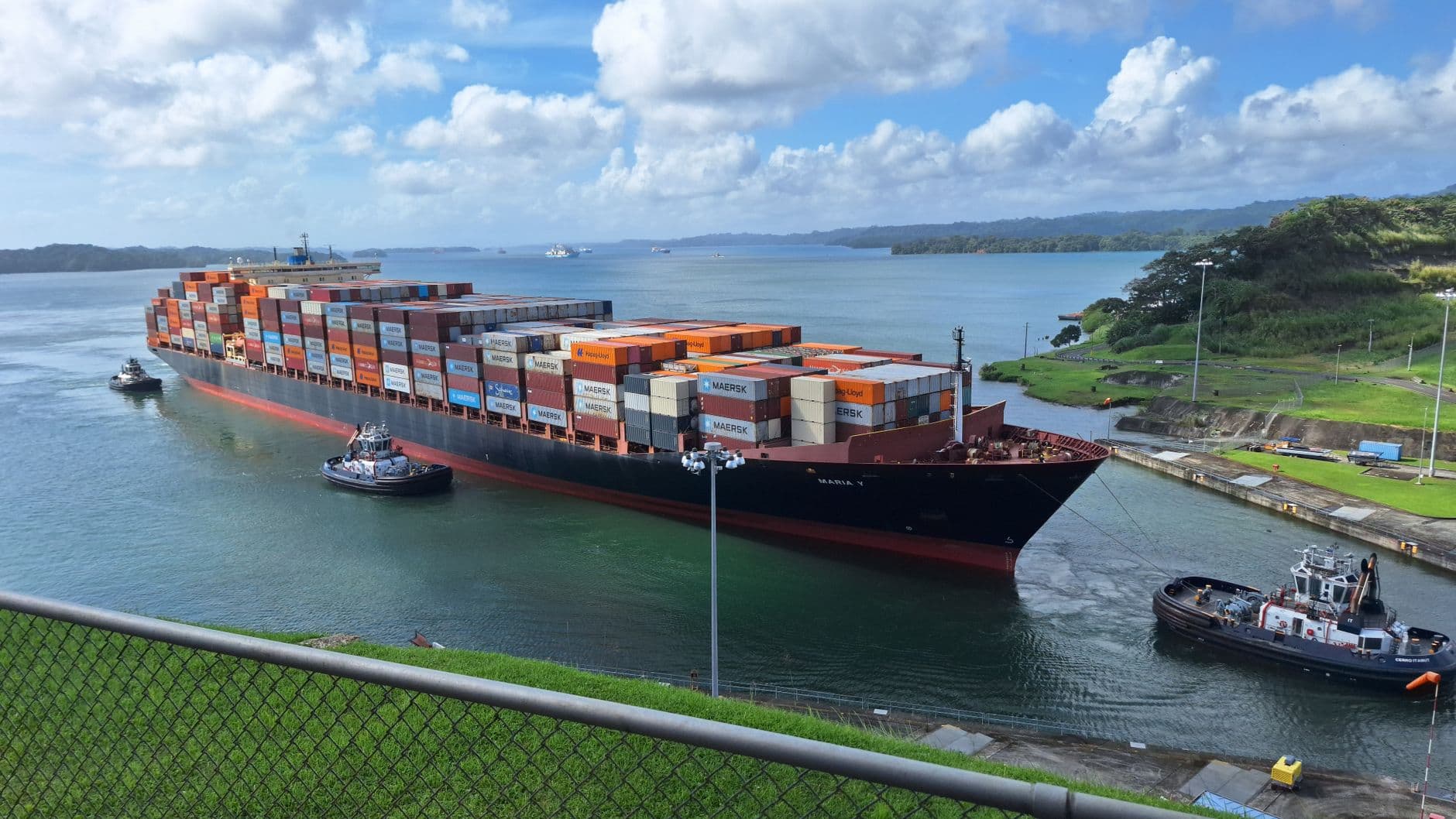

Every few weeks someone at the freight desk gets a version of the same question: "the Panama Canal just announced something new, does it change my shipment?" In 2026 the something new is LoTSA 2.5, the latest version of the canal's Long-Term Slot Allocation program, and the honest answer is that it is written for ship operators, not for the people whose cargo rides those ships. That does not mean you can ignore it. The way slots are priced and rationed flows straight into the ocean rate you are quoted and the reliability you can count on. This is the cargo owner's read on what changed, what it costs, and what to do about the booking window that opens on July 5, 2026.
I will keep this practical and vendor-neutral. Most of the existing coverage comes from ship agents writing for vessel captains, so the slot mechanics get explained from the deck, not from the warehouse. The view from the warehouse is different, and it is the one that decides your budget.
Three ways onto the canal, and only one moves your rate
The first thing to untangle is that there is no single "canal fee." A vessel reaches the locks through one of three doors, and they behave very differently.
| Mechanism | Who uses it | 2026 price signal |
| Daily reservation system | Most liner vessels booking ahead | 36 slots a day, roughly $15,000 to $100,000 by vessel size |
| LoTSA sealed auction (long-term) | Operators wanting guaranteed slots over a season | Base price $200,000 a slot, Neo-Panamax Tier 1 running $200,000 to $800,000 and up |
| Same-day auction | Ships arriving without a booking, needing urgent passage | Spiked to a record $4 million in May 2026 |
The distinction matters because the headline numbers that reach the news almost always come from the auction door, the smallest and most desperate slice of traffic. Your liner cargo is overwhelmingly moving through the first two. So when a $4 million figure lands in a trade headline, the right reaction for a shipper is not panic, it is to ask which door your carrier actually used. LoTSA 2.5 is an upgrade to the second door, the long-term one, and that is where the season's baseline pricing gets set.
What LoTSA 2.5 actually changed
The Panama Canal Authority announced LoTSA 2.5 as an evolution of its Transit Reservation System, with the sealed-bid auction held on April 28, 2026 and the program going live on May 16. The booking window it created covers transit dates from July 5, 2026 through January 2, 2027, which is why that July date is the one to circle.
The real change is segmentation. Instead of one rigid long-term slot, LoTSA 2.5 splits the offer into packages the canal calls Fix, Flex, and Flex+. Each buys a different amount of operational room: the ability to adjust dates, defer a slot, or change transit direction. Fix is the cheapest and most rigid, Flex+ the most expensive and forgiving, with the middle option sitting between them. The canal also redistributes slots by package type and by transit direction, and runs the competitions sequentially by package rather than all at once.
For a cargo owner this is not a button you press. It is a lens for reading your carrier. A line that bought Fix slots has locked itself into specific dates and will be less willing to absorb your last-minute change, while a line carrying Flex+ capacity has paid for the right to move things around and can pass some of that flexibility to you. When you are choosing between two ocean quotes at similar prices, the slot package sitting behind each one is a fair thing to ask about.
The price signal: from $135,000 to $4 million
The 2026 auction numbers are dramatic, and they tell a story worth reading correctly. Before the Middle East tensions flared, same-day auction slots were changing hands for around $135,000 to $140,000. By April and May the average premium had climbed to roughly $385,000 to $425,000, and at least one Neo-Panamax slot fetched a record $4 million. The driver was the Strait of Hormuz crisis pushing a surge of United States energy exports toward the canal, which tightened capacity from the demand side rather than the water side.
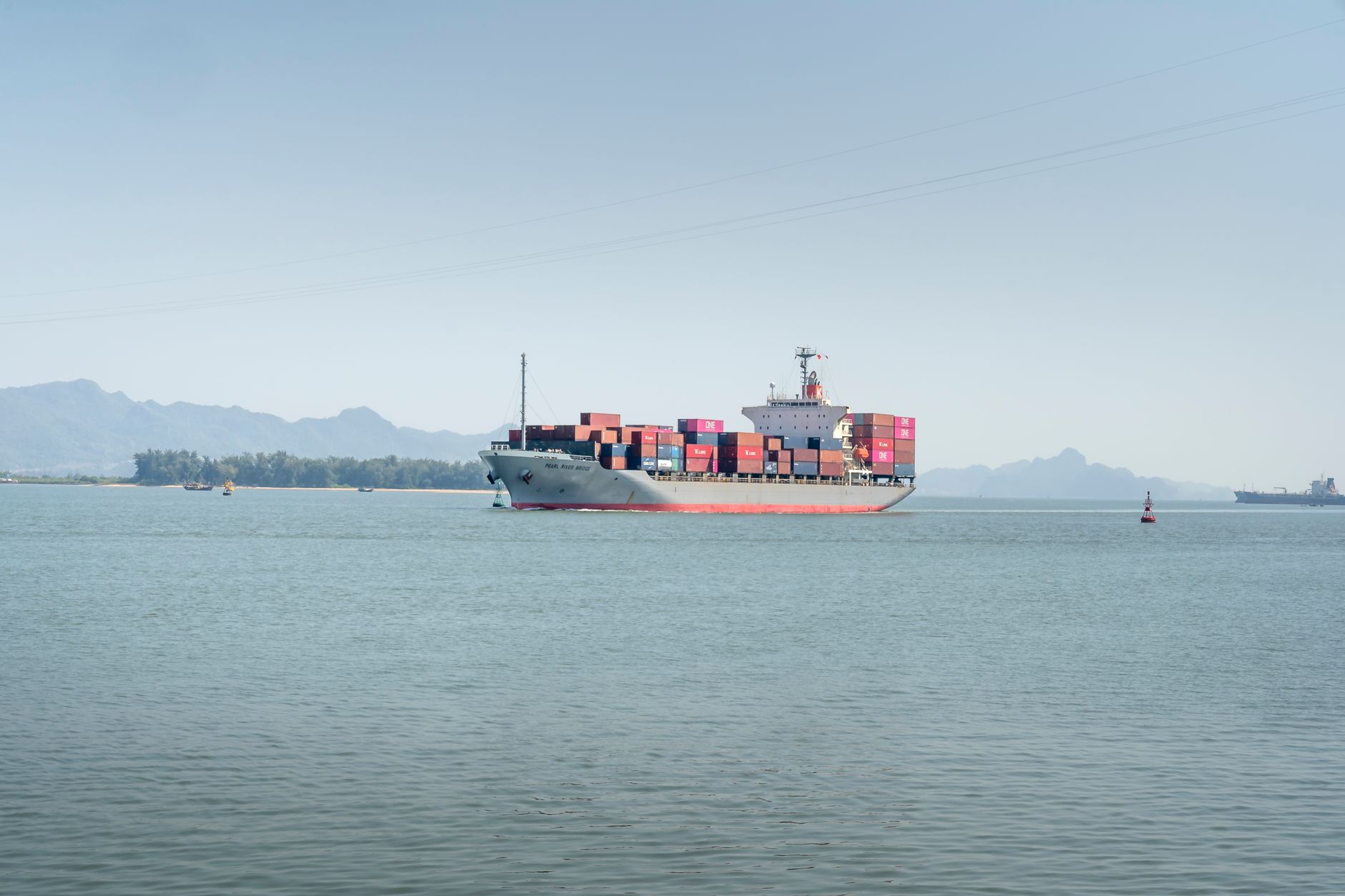
That last point is the one a shipper should take away. The spike was not the canal running dry, it was traffic competing for a fixed number of slots because another chokepoint elsewhere got harder to use. The same dynamic that reroutes boxes around Africa when the Red Sea looks risky can pile extra vessels onto Panama, and when that happens the cost shows up in your rate even if your own goods never go near the Gulf. Chokepoints are connected, and the canal is where a lot of that pressure gets priced.
The draft cut and the water question
There is a second 2026 development that gets less headline space but hits scheduling directly. Starting July 1, 2026, the canal is lowering the maximum authorized draft in the Neopanamax locks to 49.5 feet, which is 15.09 meters. This is a seasonal restriction layered on top of the water-saving measures introduced back in December 2025, and it lands in the same window as the new booking program.
What makes this notable is that it is happening despite plenty of water. Gatun Lake reached near-maximum levels in early 2026, a sharp reversal from the record lows that throttled traffic during the 2023 and 2024 drought that squeezed global trade. The draft cut is precautionary: NOAA forecasts an El Niño developing by mid-2026, with risk extending into 2027, and the canal would rather protect the lake now than scramble later. For a shipper, a lower draft means a vessel can carry less weight per transit, which tightens effective capacity and nudges rates up regardless of the booking mechanism.
The underlying traffic picture is healthy, for context. In the first half of fiscal 2026, from October 2025 through March 2026, the canal handled 6,288 transits, 224 more than the year before, with tonnage up about 5 percent at 254 million tons. So this is a busy waterway managing risk, not a broken one. That is the right mental model when you read alarming single-number headlines.
Wait for the canal, or reroute?
This is the decision that actually belongs to the cargo owner, and it is rarely yours to make alone, but you can push it with your forwarder. The canal is one path for an Asia to United States East Coast box, and 2026 has sharpened the alternatives.
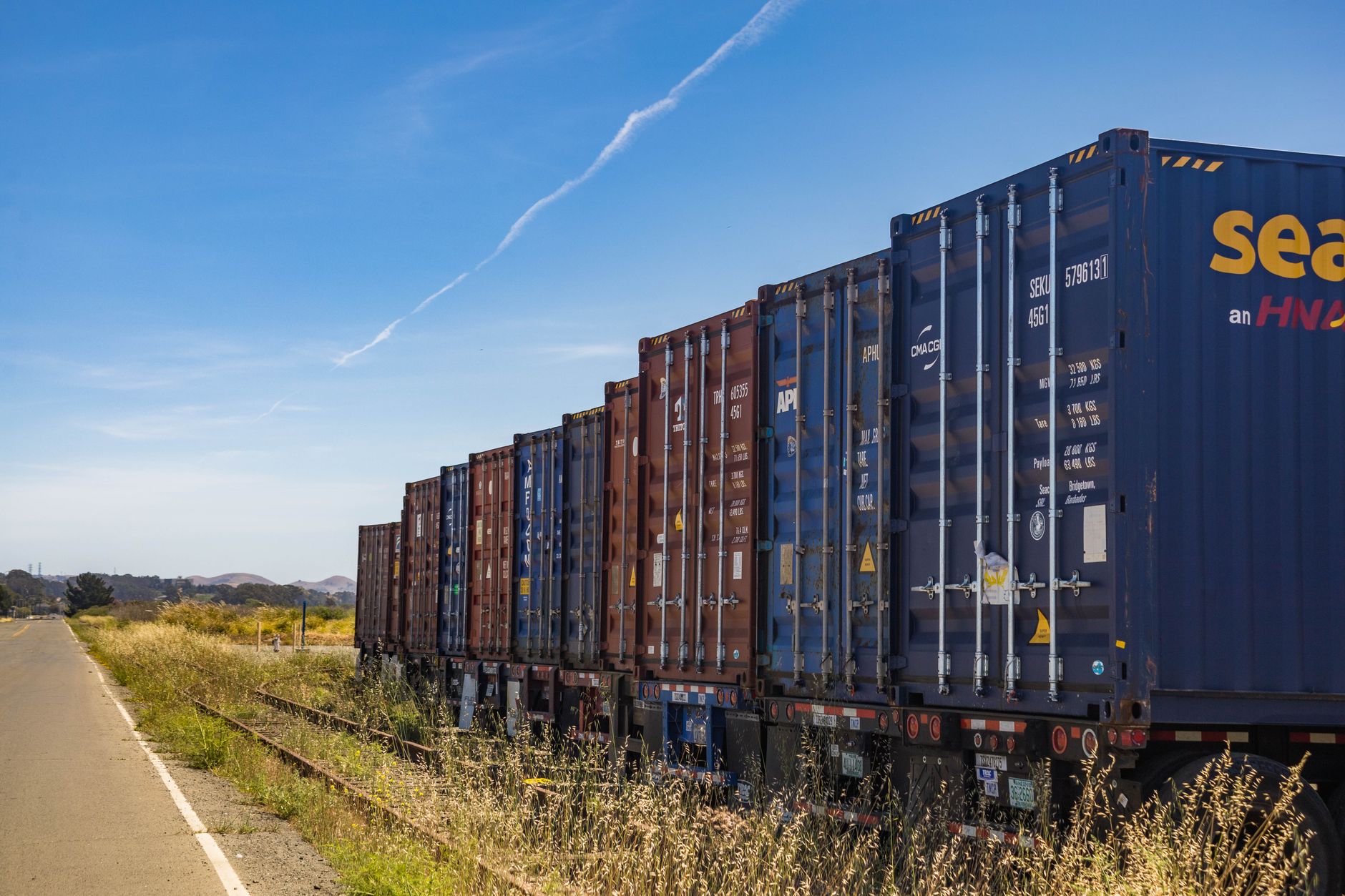
- Stay on the canal route when your carrier holds long-term slots and your timing is flexible enough to ride out a seasonal squeeze. The baseline reservation price is stable even when auction headlines are not.
- Look at the West Coast land bridge, landing on the United States Pacific coast and moving inland by rail, when canal premiums spike or a draft cut delays your sailing. Mexico's interoceanic corridor at Tehuantepec is also maturing in 2026 as a Pacific-to-Atlantic land alternative.
- Treat the Suez and Red Sea path with the same caution that has pushed traffic toward Panama in the first place, since the geopolitical disruption in the Red Sea is exactly what tightened the canal.
- Compare on total cost, not freight alone, because a cheaper sailing that adds two weeks and an inland rail leg can lose money once you count it all. This is where a clear view of landed cost earns its keep.
The point is that the canal is no longer a default you can leave unexamined. In 2026 it is one priced option among several, and the LoTSA 2.5 window plus the July draft cut are the two events that reset that pricing for the second half of the year.
A shipper's checklist for the H2 2026 window
- Ask your carrier or forwarder which booking door your cargo uses, daily reservation, long-term LoTSA slot, or same-day auction, so you know how exposed your rate is to spikes.
- Treat July 5, 2026 as the start of the new booking season and lock H2 ocean commitments before peak demand prices them up.
- Factor the July 1 draft reduction to 15.09 meters into transit-time and weight expectations on Neopanamax services.
- Keep a reroute option costed in advance, whether that is a West Coast land bridge or the Tehuantepec corridor, so a canal spike does not catch you flat.
- Read auction headlines for what they are, the urgent fringe of traffic, and budget off the reservation baseline instead.
None of this requires you to bid on a slot. It requires you to understand who is bidding on your behalf and what it costs them, because that number arrives in your freight invoice one way or another. The operators who came out of the 2023 drought in good shape were the ones who treated the canal as a variable to manage rather than a fixed pipe, and 2026 rewards the same habit.
Frequently asked questions
Does LoTSA 2.5 affect me if I just ship containers, not vessels?
Indirectly but really. LoTSA 2.5 is a program for ship operators, and you do not bid on it yourself. What it sets is the long-term slot pricing your ocean carrier pays for the July 5, 2026 to January 2, 2027 window, and that cost feeds into the rate you are quoted. Knowing whether your carrier holds stable long-term slots tells you how exposed your rate is to the canal's price swings.
Why did Panama Canal slots hit $4 million in 2026?
That figure came from the same-day auction, the door used by ships arriving without a reservation that need urgent passage. It spiked because the Strait of Hormuz crisis pushed a surge of United States energy exports toward the canal, so more vessels competed for a fixed number of slots. Before that pressure, auction slots ran around $135,000 to $140,000. Most liner cargo never touches the auction and moves through the reservation system at far lower cost.
What does the July 2026 draft restriction mean for my cargo?
From July 1, 2026 the maximum draft in the Neopanamax locks drops to 49.5 feet, or 15.09 meters. A lower draft limits how much weight a vessel can carry per transit, which tightens effective capacity even though Gatun Lake is currently full. It is a precaution against a forecast El Niño rather than a present water shortage, but the practical effect is firmer rates and tighter space in the second half of the year.
Should I reroute away from the Panama Canal in 2026?
Only if the math says so. When canal premiums spike or a draft cut delays sailings, a West Coast land bridge or Mexico's Tehuantepec corridor can win, but a cheaper sailing that adds weeks and an inland leg can also lose once you count the full landed cost. Cost both paths end to end and decide per shipment rather than committing to one route for the season.