


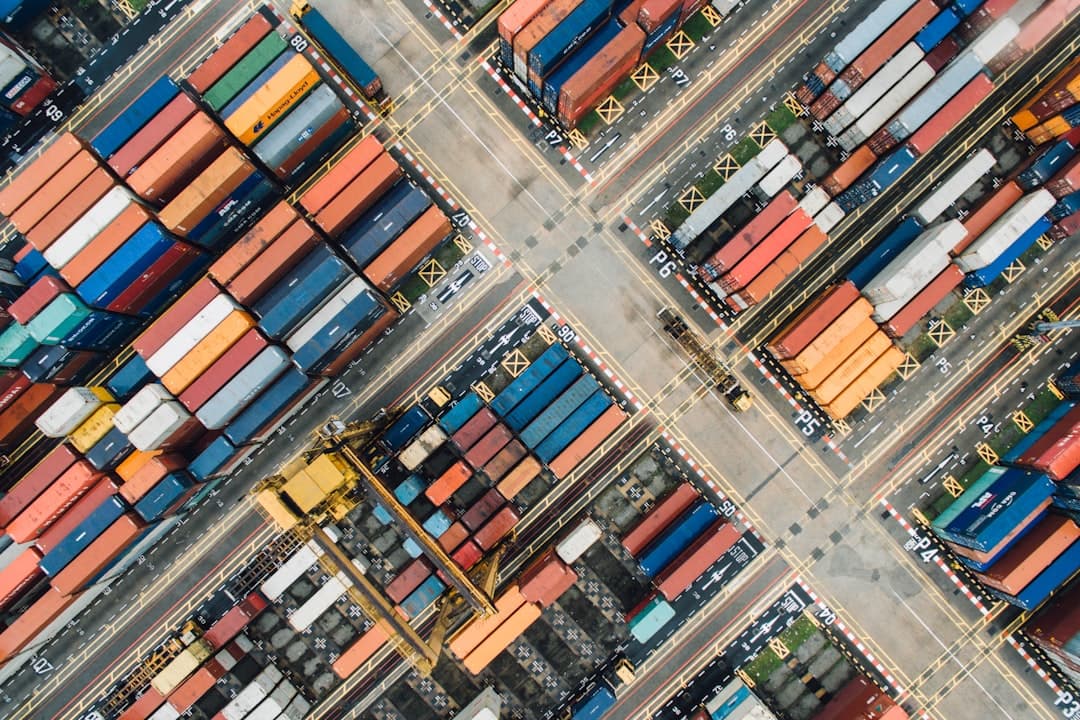

Tanger Med is Africa's busiest port and the gap is not close: its four terminals handled 11,106,164 TEU in 2025, up 8.4 percent, alongside 161 million tonnes of total cargo. Only four African ports made the Lloyd's List top 100, and Durban is no longer one of them. The ranking below shows who moves the boxes, and where those boxes actually enter an economy rather than change ships.
That second question is the one I keep returning to when a client asks which African port to route through. A transshipment hub can post a spectacular TEU figure while almost none of that volume clears local customs or touches a local truck. Tanger Med and Lomé are relay stations for the Atlantic and Mediterranean networks. Mombasa and Dar es Salaam are gateways with several hundred kilometres of corridor behind the quay. Both models rank well, and they solve completely different problems.
The busiest ports in Africa, ranked
| # | Port | Country | Container volume | Role |
|---|---|---|---|---|
| 1 | Tanger Med | Morocco | 11,106,164 TEU (2025) | Mediterranean relay hub, 17th globally on 2024 data |
| 2 | Port Said and East Port Said | Egypt | 53rd in the Lloyd's List 100 | Suez-adjacent transshipment, 7 million TEU capacity after expansion |
| 3 | Durban | South Africa | 65 percent of South African boxes, out of the 2025 top 100 | Gateway for Gauteng and the Southern African interior |
| 4 | Mombasa | Kenya | 2,110,000 TEU (2025) | Gateway and transit port for East Africa |
| 5 | Lomé | Togo | 2,060,000 TEU (2024) | West African relay hub, 92nd globally |
| 6 | Alexandria | Egypt | 90th in the Lloyd's List 100 | Egyptian import gateway |
| 7 | Djibouti (Doraleh) | Djibouti | 1,236,769 TEU (2024) | Ethiopia's maritime outlet |
| 8 | Dar es Salaam | Tanzania | 27.7 million tonnes (FY2024/25) | Gateway for six landlocked neighbours |
The absence worth noting is Nigeria. Apapa and Tin Can Island, serving the largest consumer market on the continent, have missed the global top 100 for nine consecutive years. Volume follows berth productivity and draft, not population.
Tanger Med: the number that changed the continental ranking
Tanger Med moved 10,241,392 TEU in 2024, an 18.9 percent jump that carried it to 17th place worldwide, then added another 8.4 percent in 2025 to pass 11.1 million. Total tonnage across the complex reached 161 million, up 13.3 percent. Most of the 2025 growth came from one physical change: the latest extension of the TC4 terminal operated by APM Terminals entering service.
Its position is geographic rather than commercial. Ships calling Tanger Med are not detouring, they are passing the Strait of Gibraltar anyway, which makes relay calls nearly free in sailing time. The automotive and manufacturing base built behind the port is the part that turns a relay hub into an economy, and I set that out in detail in our look at Morocco as a nearshoring hub.
Egypt: capacity built for a canal that traffic has left
The Suez Canal Container Terminal at East Port Said completed a 500 million dollar expansion that added 2.2 million TEU of annual capacity and lifted the facility to 7 million TEU. The build included 955 metres of new quay, 510,000 square metres of yard, 12 quay cranes and 30 electric rubber-tyred gantries. On the 2024 Container Port Performance Index the terminal ranked third most efficient in the world.
Then the demand side moved. Canal transits in early 2026 ran roughly 60 percent below pre-diversion levels, and January 2026 was the weakest January of the past decade with 150 container ship transits in both directions, down 16.7 percent year on year. Maersk, CMA CGM and MSC have tested returns with individual sailings while keeping the Cape routing as the base case. Egypt's terminals are efficient and underused at the same time, which is an unusual and temporary combination.
East Africa: the gateway race that actually matters to importers
Mombasa handled 2.11 million TEU in 2025 against 2 million in 2024, a gain of 109,797 boxes or 5.5 percent, and cargo volumes hit a record 45.45 million tonnes, up 10.9 percent from 40.99 million. Transit traffic for the landlocked interior grew fastest at 19.5 percent, reaching 15.88 million tonnes.
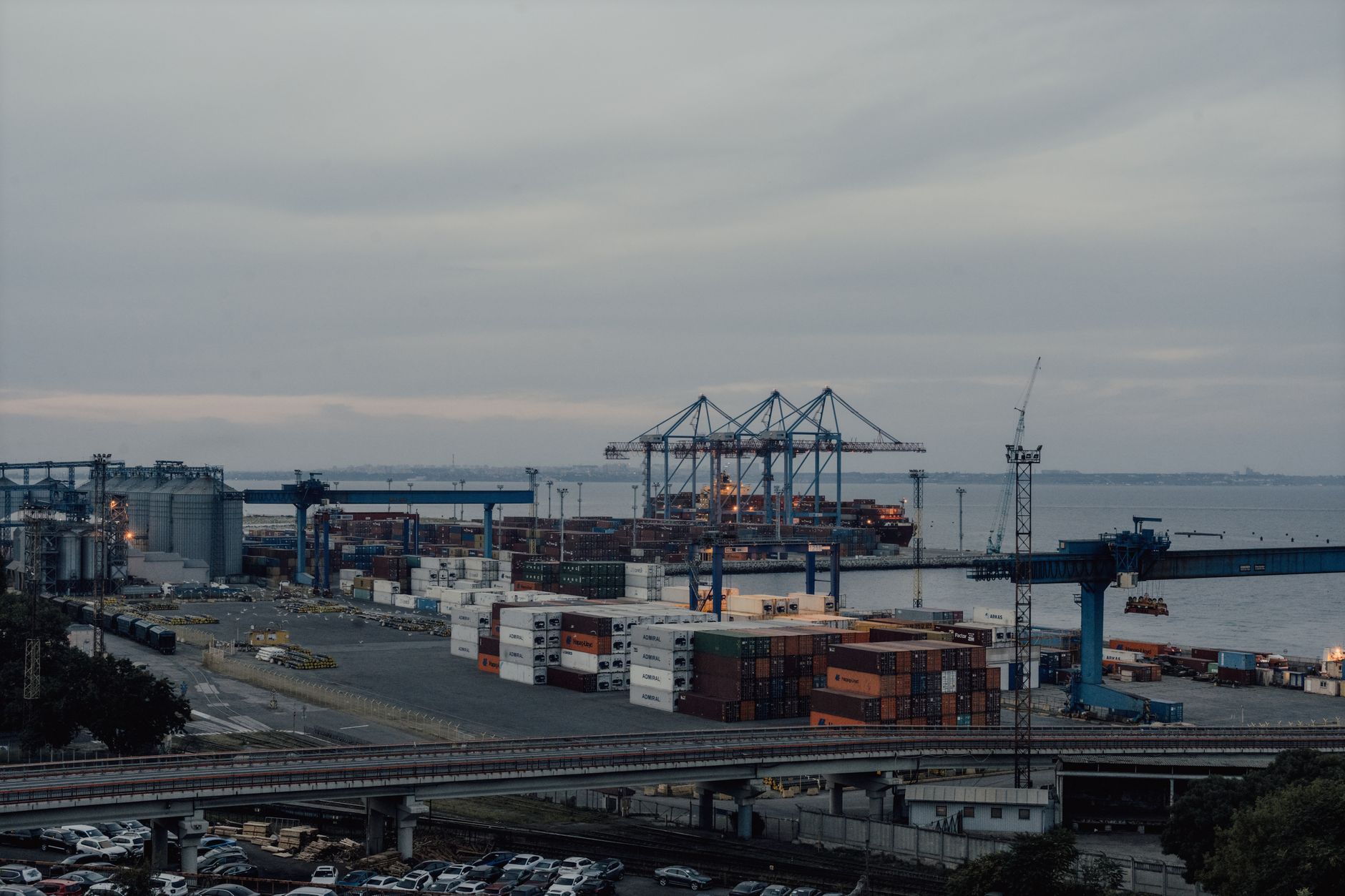
Dar es Salaam is the competitor, and its trajectory is steeper. Throughput reached 27.7 million tonnes in FY2024/25 from 23.69 million a year earlier, the July to December 2025 half came in at 16.7 million tonnes, up 30 percent year on year, and by July 2026 the port had booked 33.7 million tonnes for FY2025/26, ahead of its own forecast. The Tanzania Ports Authority is targeting 54.59 million tonnes by FY2030/31, which on this trajectory no longer looks aspirational. For a shipper serving Uganda, Rwanda, Zambia or the eastern Congo, this is a live routing choice rather than a line in a table, and it turns on inland transit rather than quay speed. Kenya's advantage has historically been the standard gauge railway to Nairobi; Tanzania's is a shorter road distance to Lusaka and Lubumbashi.
Djibouti sits in a category of its own. Doraleh handled 1,236,769 TEU in 2024, its first year above a million, and at least 90 percent of Ethiopian goods trade passes through the country. The 753 kilometre electric railway to Addis Ababa cut transit from more than three days to under 20 hours and carried 9.5 million tonnes between 2018 and 2024. One customer, one corridor, very little diversification.
Southern Africa: capacity is not the constraint
The Durban Container Terminal handles 65 percent of South African container volume with a combined capacity of 3.6 million TEU, rising to 4 million once the berth extension completes. Transnet Port Terminals reported 305,775 TEU across its network in January 2026 and has broken through 100,000 TEU in a single week three times in the current financial year. New equipment for the south quay, including four ship-to-shore cranes plus 40 haulers and 67 trailers, arrived through 2025.
The recovery is real and it started from a bad place. Durban was Africa's leading container port before congestion pushed volumes down, and it dropped out of the Lloyd's List top 100 in the 2025 edition after appearing in earlier tables, which is the clearest single measure of how far the slide went. Private participation is now the policy instrument, with MSC joining the freight rail overhaul and a 200 million dollar rail deal signed with Traxtion. We covered the reform track in our report on South Africa's freight rail challenges. Anyone quoting Durban lead times off 2023 experience is working from the wrong baseline.
Transshipment share: the column no ranking publishes
Here is how I read an African port ranking before committing cargo:
- Split the TEU figure. Ask the terminal what share is transshipment. A relay box is counted twice, once in and once out, and never enters the local market.
- Price the corridor, not the call. Mombasa versus Dar es Salaam is decided in Kampala and Lusaka, where rail and road cost per tonne-kilometre dwarfs the terminal handling charge.
- Check draft against your service. Lomé offers 16.6 metres and takes vessels up to 24,000 TEU, which is why West African relay volume concentrates there rather than spreading across nearer ports.
- Read the customs clock separately. Berth productivity and clearance time are unrelated. Inspection regimes can add days after a fast discharge, as Kenyan importers found when inspection rules changed at Mombasa.
- Watch expansion timing. Lomé is investing 120 million euros by 2027 to reach 2.5 million TEU, and Egypt has 7 million TEU of capacity waiting for canal traffic to return. Capacity arriving before demand softens rates.
- Treat single-customer ports as concentration risk. Djibouti's fortunes track Ethiopian imports. That is efficient in a good year and unhedged in a bad one.
What the ranking says about 2026
Africa holds four places in a top 100 whose members handled 743.6 million TEU in 2024, up 8.1 percent. That share is small against the continent's population, and it is the reason relay hubs, not gateways, dominate the top of the table. The gateways are where growth is compounding fastest, though: Mombasa at 5.5 percent on boxes and 10 percent on tonnes, Dar es Salaam at 30 percent on a half-year.
If you compare this table with the ranking of the world's busiest container ports, the structural difference is that Asian leaders combine enormous relay volumes with enormous domestic demand. Africa's leaders currently do one or the other. The same pattern shows up in Latin America's port ranking, where nearshoring gateways and Panama relay hubs sit in the same list for different reasons.
Frequently asked questions
What is the busiest port in Africa?
Tanger Med in Morocco. Its terminals handled 11,106,164 TEU in 2025, an 8.4 percent increase, plus 161 million tonnes of total cargo. On 2024 volumes it ranked 17th in the world.
Which African ports are in the global top 100?
Four: Tanger Med at 17th, Port Said at 53rd, Alexandria at 90th and Lomé at 92nd, in the Lloyd's List one hundred ports table published in 2025 on 2024 throughput. Durban appeared in earlier editions and is absent from this one.
Is Durban still Africa's largest container port?
No. Durban led the continent before congestion cut its volumes, and Tanger Med now handles several times more. Durban remains the dominant gateway for South African cargo with 65 percent of national container volume and capacity heading to 4 million TEU.
Which port should I use for landlocked East Africa?
Compare Mombasa and Dar es Salaam on inland cost and transit rather than on terminal throughput. Mombasa moved 15.88 million tonnes of transit cargo in 2025, up 19.5 percent, while Dar es Salaam grew total throughput 30 percent in the second half of 2025 and reached 33.7 million tonnes in FY2025/26. The destination decides which is cheaper.
Port figures come from terminal and authority reporting, including the Tanger Med Port Authority activity report for 2025, Kenya Ports Authority and Tanzania Ports Authority annual data, Transnet Port Terminals releases and the Lloyd's List one hundred ports table. Reporting periods differ: Kenyan and Moroccan figures are calendar years, Tanzanian figures are fiscal years to June, and the Lloyd's List ranking published in 2025 reflects 2024 volumes. Where a port publishes tonnes rather than TEU, the two are not interchangeable. Canal transit conditions and carrier routing decisions described here reflect the position in mid-2026 and change without notice.