


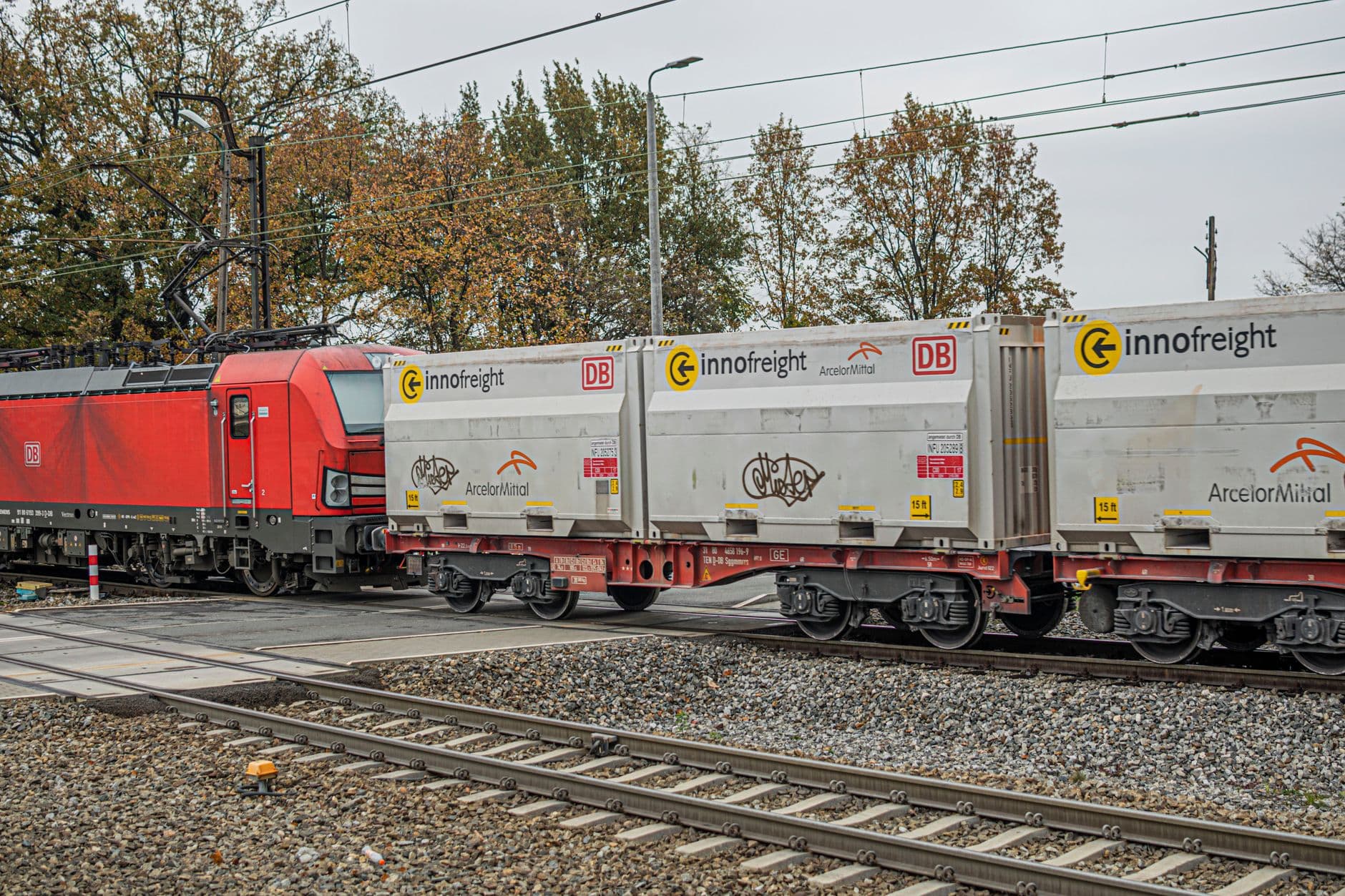

When the Panama Canal throttled its daily transits during the 2023 and 2024 drought, every freight desk fielded the same question: is there another way across? The canal has largely recovered since, running near its normal throughput again in 2025 and 2026, but the question did not disappear with the rain. Shippers came away with a lasting lesson, that a single chokepoint is a single point of failure. In 2026 there is a new answer that did not exist as a serious option a couple of years ago. Mexico's Interoceanic Corridor of the Isthmus of Tehuantepec, the CIIT, is a rail land-bridge between the Pacific and the Gulf that is moving real cargo. The coverage so far has been Mexican government announcements or geopolitical commentary. What a shipper actually needs to know, whether you can move a box across it, how long it takes and where it fits, has been missing. This is that practical read.
I will be straight about what the corridor is and is not, because the headline numbers invite a misreading. It is a fast rail crossing of a narrow neck of land, not a drop-in replacement for a canal transit, and the difference decides whether it fits your freight.
What the corridor actually is
The CIIT is built on Line Z, the rehabilitated railway between Coatzacoalcos on the Gulf of Mexico and Salina Cruz on the Pacific, a run of roughly 300 kilometres across the Isthmus of Tehuantepec. Line Z has been operational since December 2023 and has been moving commercial freight and automotive shipments since it entered service. The two end ports, Salina Cruz facing the Pacific and Coatzacoalcos facing the Gulf, are being modernised to handle the throughput. The core Line Z corridor is running, while the broader programme of port upgrades, additional rail links and industrial parks continues through 2026 and beyond.
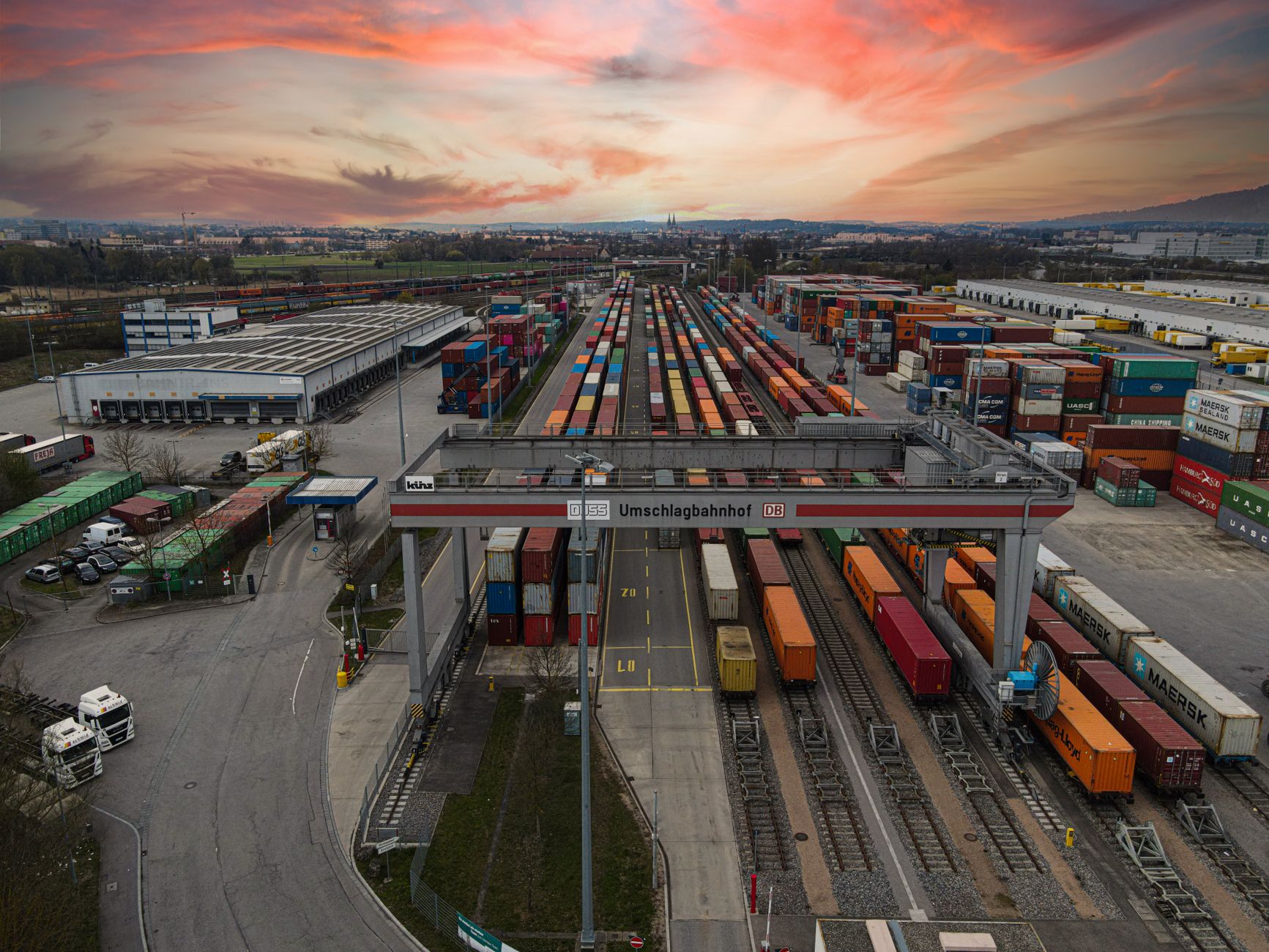
The mechanism is a land-bridge. Cargo arrives by ship at one ocean, is unloaded, crosses the isthmus by rail, and is loaded onto a different ship at the other ocean. That is fundamentally different from the Panama Canal, where a single vessel sails through, lifting nothing. Hold that distinction, because it drives everything that follows.
The speed claim, read correctly
The number doing the rounds is striking. In a pilot, Hyundai Glovis moved 900 vehicles from Salina Cruz on the Pacific to Coatzacoalcos on the Gulf, and the rail leg across Mexico took just nine hours. Other accounts frame the full ocean-to-ocean validation as roughly 72 hours.
Read those figures carefully. The nine hours is the rail crossing alone, isthmus to isthmus. The 72 hours is closer to the door-to-door pilot once the port handling at each end is counted, and the wider Mexico segment of a journey can run to about six days when you include the road and rail feeders. It is tempting to set the pilot's best case against the canal's worst case, the multi-week waits seen at the height of the drought, but that flatters the corridor. The fair reading is narrower. The land crossing is genuinely fast, the total depends on how slick the two port transfers are, and the corridor's strongest advantage shows up during periods of severe canal congestion, when waiting times in Panama can stretch dramatically. The corridor wins on the crossing and can lose time at the quay, which is the opposite of the canal's profile.
Why it exists: chokepoint risk, not just drought
The corridor was born from the Panama Canal's vulnerability. Drought on Gatun Lake forced the canal to cut daily transits from its normal level of around 38 to roughly 24 through 2023 and 2024. Conditions then recovered, and by 2026 the canal is running near full throughput again with no restrictions announced. So the case for the CIIT is not a canal that is rationing slots today. It is the lesson shippers took from that episode, that a single chokepoint is a single point of failure, and that a land-bridge with no water-level dependency is a hedge against the next disruption, whether drought, congestion or a geopolitical shock. That argument is more durable, because it does not depend on the canal being in trouble this quarter. We walk through the canal side of the trade-off, including the booking economics, in our Panama Canal LoTSA 2.5 guide.
For now the corridor's natural cargo is traffic between Asia and the United States Gulf or east coast, and intra-American Pacific-to-Atlantic moves, where the double handling buys diversification and resilience. The vehicle pilot is a tell: rolling stock and time-sensitive, high-value cargo absorb the transfer cost more easily than low-value bulk that lives or dies on cents per ton.
The catch every shipper should price in
The land-bridge model carries two costs the canal does not. The first is double handling. Unloading at one port and reloading at another adds time, labour and the risk of damage that a through-transit avoids entirely. The second is capacity and maturity. The corridor is ramping, the ports are still being upgraded, and a route handling hundreds of thousands of tons is not yet handling the millions that the canal clears. A single drayage or crane bottleneck at Salina Cruz or Coatzacoalcos can erase the time the rail leg saved.
So the corridor is best read as a complement to the canal, not a wholesale replacement. When chokepoint resilience matters, or when your cargo is the kind that values speed and diversification over the lowest possible unit cost, the isthmus route is now a real option to put in the comparison. When the canal is running normally, as it is in 2026, and your freight is price-sensitive bulk, the through-transit usually still wins.
How to evaluate it for your freight
- Confirm your cargo suits double handling: vehicles, containers and time-sensitive goods fit better than low-value bulk.
- Compare the full door-to-door time, not the nine-hour rail headline, including both port transfers.
- Check live service frequency and port readiness, since the corridor is still ramping through 2026.
- Treat it as a hedge against chokepoint risk and a diversification option rather than a permanent reroute, and keep the canal option costed alongside.
- Build in extra dwell tolerance at Salina Cruz and Coatzacoalcos while the ports finish their upgrades.
The Isthmus of Tehuantepec has been a shipping shortcut in theory since the nineteenth century. In 2026 it is finally a shortcut in practice, with the rail running and real cargo moving. Read the speed claim correctly, price the double handling, and it becomes a useful new line in the routing comparison rather than the canal-killer the headlines suggest.
Frequently asked questions
What is the Tehuantepec Interoceanic Corridor?
It is a Mexican rail land-bridge, the CIIT, built on Line Z between Coatzacoalcos on the Gulf and Salina Cruz on the Pacific, about 300 kilometres across the Isthmus of Tehuantepec. Cargo arrives by ship at one ocean, crosses by rail, and reships at the other. Line Z has run since December 2023 and the network is set for full completion in the first half of 2026.
Is the Tehuantepec corridor faster than the Panama Canal?
On the land crossing, yes. The rail leg took just nine hours in the Hyundai Glovis pilot of 900 vehicles, and an ocean-to-ocean validation has been framed around 72 hours. That figure compares a smooth pilot with the canal at its most congested, though, and the canal has recovered since the drought, so in normal 2026 conditions the door-to-door gap is far narrower. The two port transfers, which a single canal transit avoids, are what close it.
Will the corridor replace the Panama Canal?
No, it complements it. The land-bridge has no water-level dependency, which made it attractive when drought cut the canal's daily transits from around 38 to roughly 24 in 2023 and 2024. The canal has since recovered, so the corridor's real role in 2026 is diversification and chokepoint-risk insurance rather than a drought workaround. Double handling and a still-ramping capacity mean it suits vehicles, containers and time-sensitive cargo more than low-value bulk.
What cargo is the corridor best for in 2026?
Vehicles, containers and high-value or time-sensitive goods that can absorb the cost of unloading and reloading. The first proof was an automotive pilot for good reason. Price-sensitive bulk that depends on the lowest unit cost is a poor fit, because the double handling adds expense the canal transit does not.
To weigh the corridor against the waterway it competes with, read the booking and slot economics in our Panama Canal LoTSA 2.5 guide, then put both routes in the same comparison.