



For decades, a container moving between China and the west coast of South America took a frustrating detour. Cargo was often transshipped through Mexico or the United States, or sailed the long way, because no port on Peru's coast could host direct services from the largest Asian container ships efficiently. That changed in late 2024, and by 2026 the consequences are showing up in real bookings. The Port of Chancay, a deep-water megaport 60 kilometres north of Lima built and run by China's COSCO Shipping, has opened a direct lane that our freight desk now quotes routinely for Asia to west-coast South America moves. This is what changed, and how to read it before you reroute.
I will keep the focus on what a shipper can use: the transit and cost shift, the cargo it suits, and the honest question of whether you call Chancay directly or keep feeding through Callao. The geopolitics are real but they are not your booking decision.
What Chancay actually is
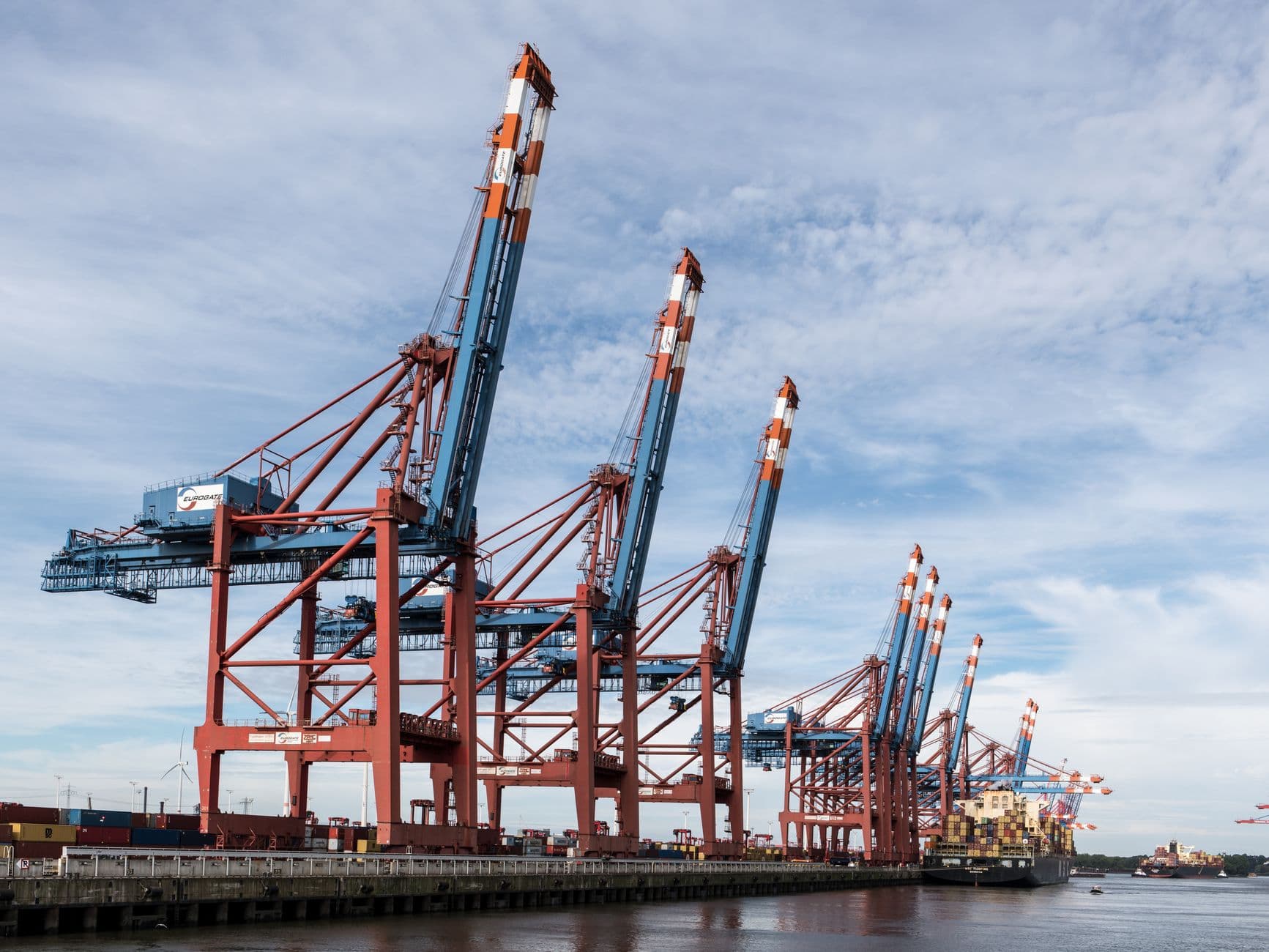
Chancay was inaugurated on 14 November 2024 and is operated by COSCO Shipping, which holds the controlling stake. The first phase runs 1,500 metres of quay with 4 berths, two for containers and two multipurpose, and a draft deep enough to take the largest container vessels afloat, which is the detail that matters. Earlier Peruvian ports could not accommodate the ultra-large 18,000 to 24,000 TEU ships as efficiently, so direct Asian megaship services were not viable and the boxes were feedered down from hubs elsewhere. Chancay was built specifically for those direct calls, and it removes that step.
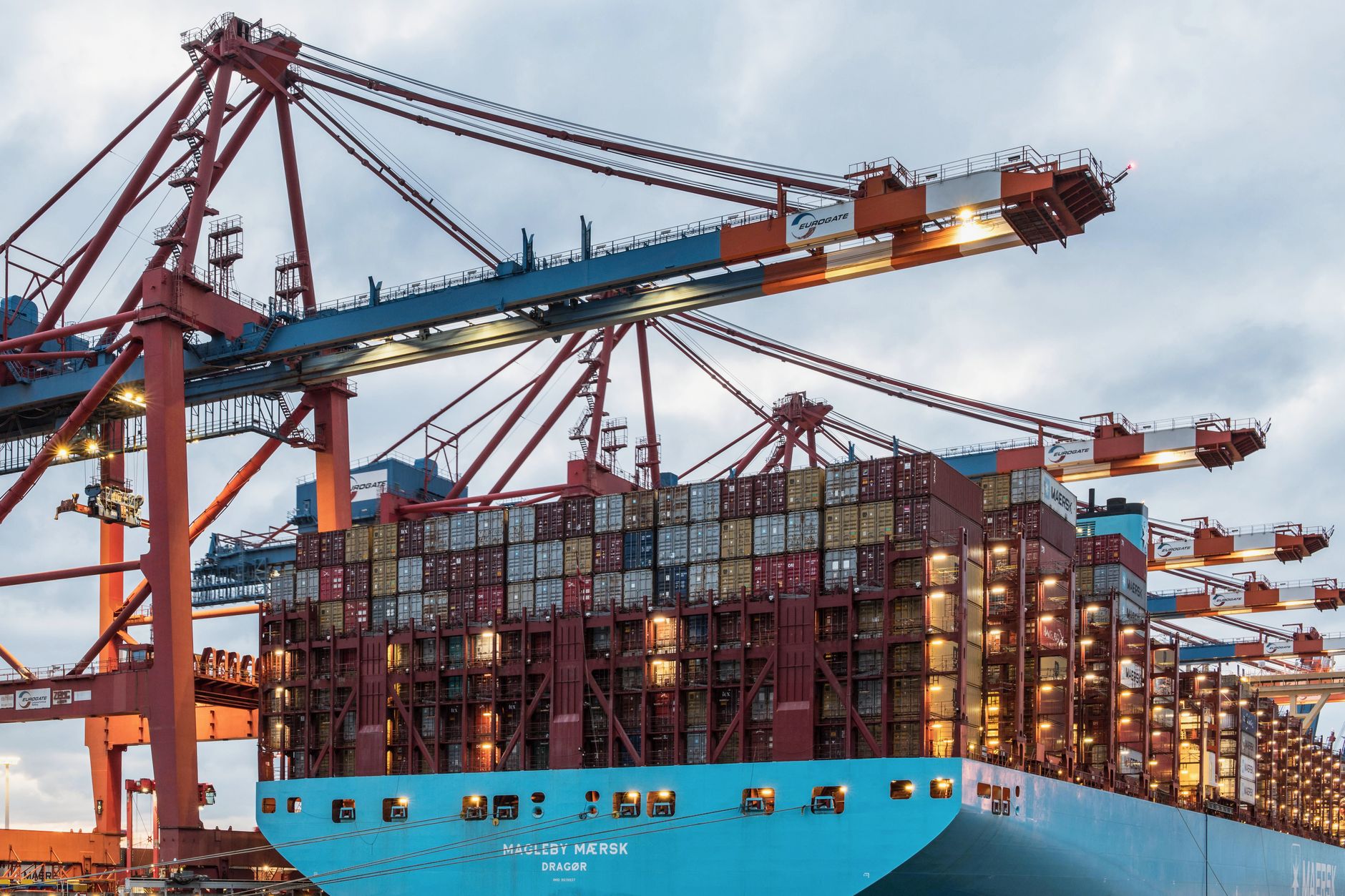
The scale is built for growth. The terminal is designed for around 1 million TEU a year, plus 6 million tonnes of bulk and 160,000 vehicles. In its first full year of operation, 2025, it handled 336,200 TEU. A second phase worth about 1.3 billion US dollars is planned for 2027. So this is not a pilot, it is infrastructure with a decade of runway.
The number that reroutes cargo
The headline is the transit time. On the direct Shanghai to Chancay services, the ocean leg drops from around 35 to 42 days on traditional routings to roughly 23 days on selected direct sailings, and COSCO and Peruvian officials estimate logistics costs could fall by up to 20 percent on some routes. Both figures come from the operator and the government rather than independent market data, so treat them as the optimistic end. Even so, shaving up to a couple of weeks off an Asia to Peru sailing is the kind of step change that moves freight off its old path, because it compresses inventory in transit and frees working capital, not just the freight bill.
For a shipper, the practical effect is that goods from China reach Lima faster and cheaper than the old transshipment routing, and South American exports, the minerals, the fruit, the fishmeal, get to Asian buyers on a tighter clock. The lane runs both ways, and the export side is where Peru expects the long-term payoff.
The vehicle angle worth watching
Chancay is not only a box port. It is built to handle 160,000 vehicles a year, and COSCO has projected annual volumes of roughly 19,000 Chinese-made cars during the port's early operating years. That matters because Chinese carmakers are pushing hard into South America, and a dedicated deep-water gateway with vehicle capacity is exactly the kind of lane that turns a trickle of imports into a flow. If you move finished vehicles into the region, Chancay is now a port to price rather than ignore.
More than a Peru gateway: the transshipment role
One development worth watching in 2026 is Chancay's growing role as a regional transshipment hub. A significant share of its container traffic is already being redistributed by feeder to Chile, Ecuador and Colombia, which suggests the port is becoming more than a Peru gateway. For a shipper that changes the calculation, because cargo not bound for Peru itself may still route through Chancay if it sits on a COSCO string, so the port is worth understanding even when Lima is not your destination.
Chancay or Callao: the real operational question
Here is the decision our desk actually fields. Callao, just outside Lima, has been Peru's main port for generations and has the established trucking, customs and warehousing ecosystem around it. Chancay has the deeper draft and the direct Asia service, but the landside connections are younger, and a new access road and tunnel carry the cargo inland.
So the choice is not automatic. Chancay wins when your cargo is on the direct Asia service and benefits from the faster sailing, or when it is a megaship call that Callao cannot take as cleanly. Callao often still wins when your inland destination is tied to its existing network, or when your carrier does not yet call Chancay. The smart move in 2026 is to compare both for your specific lane rather than assume the new port is automatically better, because the feeder and inland links around Chancay are still maturing.
This is precisely where a marketplace view earns its keep. Because GetTransport.com carries live offers from carriers and hauliers working both ports, you can see which actually serve your origin and destination this month, and the realistic door-to-door spread, rather than a brochure transit that assumes a connection that may not run yet.
The caveats to price in
Two things temper the headline. First, maturity: a port handling 336,200 TEU in its first half is impressive, but it is early in a ramp toward its million-TEU design, and the surrounding logistics, trucking capacity, depot space, customs throughput, are still scaling to match. Expect the occasional growing pain inland even when the sailing is smooth.
Second, concentration. Chancay is a single-operator gateway tied closely to one carrier group and one trade partner, which is a strength for service integration and a risk for resilience. As with any chokepoint or hub, a sensible shipper keeps an alternative costed rather than betting an entire supply chain on one new node. The same discipline applies to the Panama Canal, where we walk through the slot economics in our Panama Canal LoTSA 2.5 guide.
How to evaluate Chancay for your freight
- Check whether your carrier runs a direct Chancay service on your origin lane, since the 23-day figure depends on the direct sailing.
- Compare door to door against Callao, not just the ocean leg, because the inland links around Chancay are newer.
- If you move vehicles or megaship volumes, weight Chancay more heavily, since the port is built for both.
- Keep a fallback routing costed, given the gateway's single-operator concentration.
- Plan for ramp-phase variability inland while the trucking and depot capacity catches up to the quay.
Chancay is the most consequential new port on the Pacific coast of South America in a generation, and the direct-service transit shift is a genuine reason to revisit your Asia to west-coast routing in 2026. Read it as a powerful new option to compare rather than an automatic switch, and it becomes a lever for faster, cheaper trade rather than a leap of faith.
Frequently asked questions
What is the Port of Chancay?
It is a deep-water megaport about 60 kilometres north of Lima, Peru, inaugurated on 14 November 2024 and operated by China's COSCO Shipping. Its first phase has 1,500 metres of quay and 4 berths with a draft deep enough for the largest container ships, and it is designed for roughly 1 million TEU, 6 million tonnes of bulk and 160,000 vehicles a year.
How much faster is shipping through Chancay?
On the direct Shanghai to Chancay services, the ocean transit drops from around 35 to 42 days on traditional routings to roughly 23 days on selected direct sailings, and COSCO and Peruvian officials estimate logistics costs could fall by up to 20 percent on some routes. Those are operator and government figures, so read them as the optimistic end. The saving comes from removing the old transshipment step, since earlier Peruvian ports could not host the largest direct Asian services as efficiently.
Should I ship through Chancay or Callao?
It depends on your lane. Chancay wins for cargo on the direct Asia service and for megaship calls, thanks to its deeper draft. Callao often still wins where your inland destination is tied to its established trucking, customs and warehousing network. In 2026 the sensible approach is to compare both door to door, because Chancay's landside connections are still maturing.
Can I ship vehicles through Chancay?
Yes. The terminal is built to handle 160,000 vehicles a year, and COSCO expects around 19,000 Chinese cars to move through it in 2026. With Chinese carmakers expanding across South America, Chancay is becoming a primary gateway for finished vehicles into the region, so it is a port to price if you move cars.
If you are weighing Pacific routings against the canal, read the slot and booking economics in our Panama Canal LoTSA 2.5 guide, and compare both against a direct Chancay call for your specific lane.