


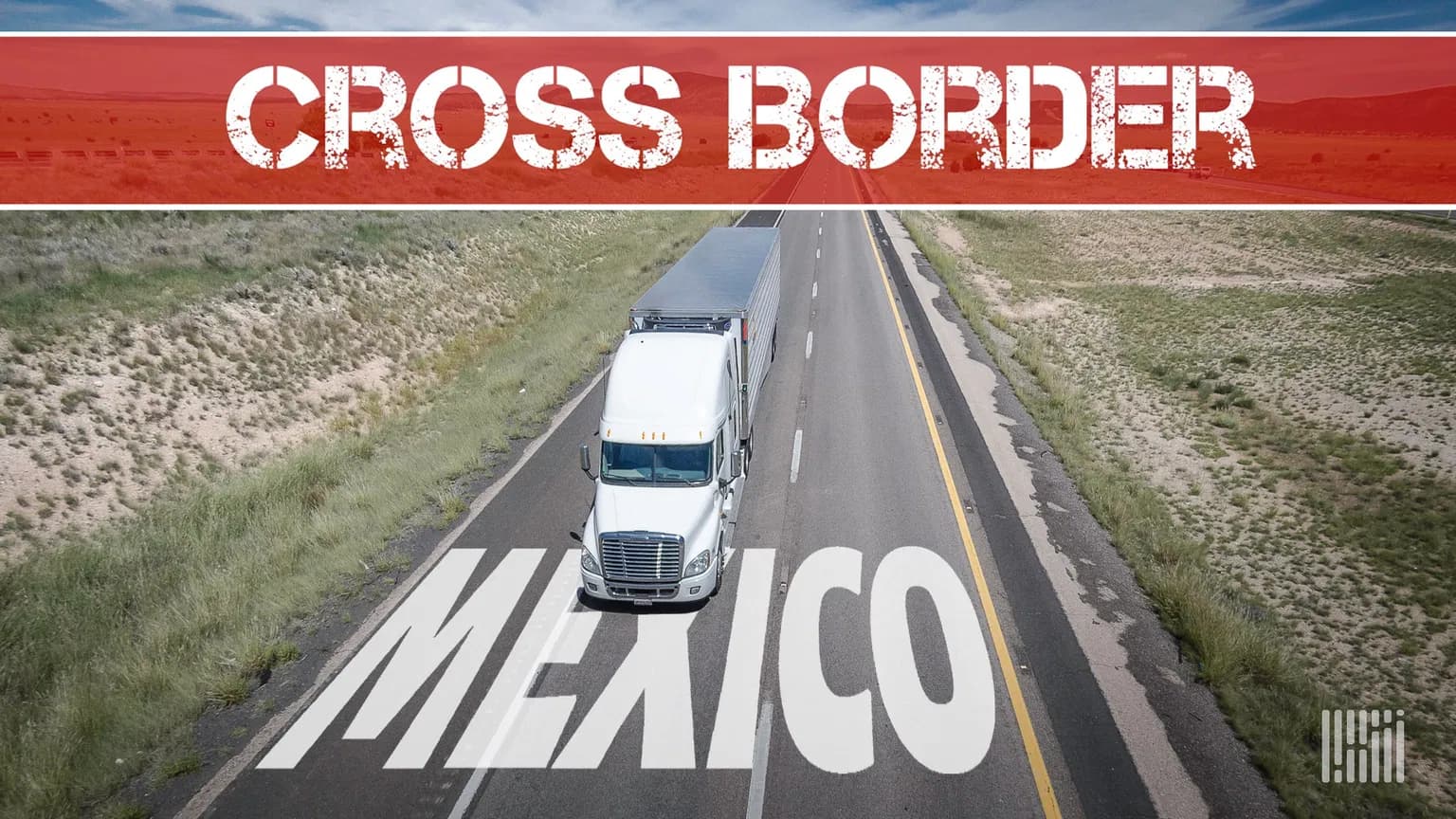

Το Υπουργείο Οικονομίας του Μεξικού ανέστειλε τις εισαγωγικές δραστηριότητες για 350 εισαγωγείς χάλυβα και άρχισε να ακυρώνει τη συμμετοχή τους στο IMMEX, αφού επιθεωρήσεις εντόπισαν παρατυπίες στις ροές χάλυβα που χρησιμοποιούνται από εξαγωγικά προσανατολισμένους κατασκευαστές.
Ρυθμιστική σάρωση: τι αναστάλθηκε και γιατί
Η ενέργεια επιβολής ακολουθεί μια συντονισμένη έρευνα στο πλαίσιο της κυβερνητικής «Επιχείρησης Εκκαθάριση», στην οποία συμμετέχουν το Υπουργείο Οικονομίας, η Υπηρεσία Φορολογικής Διοίκησης (SAT), ο Εθνικός Τελωνειακός Οργανισμός του Μεξικού (ANAM) και η Υπηρεσία Ψηφιακού Μετασχηματισμού και Τηλεπικοινωνιών. Οι αρχές λένε ότι αρχικά τέθηκαν στο στόχαστρο 750 εταιρείες, αφού η βιομηχανική ομάδα CANACERO εντόπισε ύποπτα πρότυπα συναλλαγών στην κατασκευή και πώληση χάλυβα.
Οι αξιωματούχοι κινήθηκαν γρήγορα για να αναστείλουν τις άδειες εισαγωγής για 350 εταιρείες, ενώ άλλες ~400 εταιρείες υποχρεώθηκαν να υποβάλουν περαιτέρω έγγραφα πριν ληφθούν διοικητικά μέτρα. Τα μέτρα στοχεύουν την κατάχρηση του προγράμματος IMMEX, το οποίο επιτρέπει την προσωρινή εισαγωγή αφορολόγητων πρώτων υλών και εξαρτημάτων για εξαγωγική παραγωγή.
Άμεσες επιπτώσεις στις εφοδιαστικές αλυσίδες
Ο χάλυβας αποτελεί κρίσιμο στοιχείο για τις βιομηχανίες αυτοκινήτων, οικιακών συσκευών, κατασκευών και βαρέων μηχανημάτων, υποστηρίζοντας την τάση nearshoring της Βόρειας Αμερικής. Αναμένετε τρεις βραχυπρόθεσμες επιπτώσεις:
- Βραχυπρόθεσμοι περιορισμοί υλικών για εργοστάσια που βασίζονται σε εισαγόμενα πηνία ή φύλλα βάσει προνομίων IMMEX.
- Αυξημένος τελωνειακός έλεγχος και απαιτήσεις τεκμηρίωσης που μπορούν να επιβραδύνουν τους χρόνους διασυνοριακής εκκαθάρισης.
- Δοσολογία του ζητούμενου, όπου οι εγχώριοι προμηθευτές ενδέχεται να κληθούν να καλύψουν κενά, αυξάνοντας τους χρόνους παράδοσης και τις τιμές.
Παράδειγμα περίπτωσης που αναφέρθηκε από τις αρχές
Μεταξύ των εταιρειών που κατονομάστηκαν δημόσια, η Bremsa Regiomontana ανέστειλε τις δραστηριότητές της μετά από φερόμενη τριγωνοποίηση εισαγωγών με την Elegant Fashion, ένα πρότυπο που, σύμφωνα με τις αρχές, οδήγησε στη μεταφορά περίπου 76.761 τόνων χάλυβα κατά τη διάρκεια του 2025 μέσω πιθανώς ακανόνιστων καναλιών. Συγκεκριμένες νομικές κατηγορίες δεν κοινοποιήθηκαν, αλλά οι ρυθμιστικές αρχές τόνισαν την ανάγκη προστασίας των εφοδιαστικών αλυσίδων από λαθρεμπόριο και κατάχρηση του προγράμματος.
| Μέτρηση | Αναφερόμενη τιμή / κατάσταση |
|---|---|
| Ανασταλείσες εταιρείες | 350 |
| Εταιρείες υπό περαιτέρω έλεγχο | ~400 |
| Αρχικά εντοπισμένες | 750 |
| Φερόμενος όγκος χάλυβα (παράδειγμα) | 76.761 τόνοι |
Ανάπτυξη που εξυπηρετείται από σιδηροδρομικές γραμμές: Η Serviacero USA αγοράζει χώρο στο Gulf Inland Logistics Park
Η Serviacero USA απέκτησε χώρο εξυπηρετούμενο από σιδηροδρομικές γραμμές στο Gulf Inland Logistics Park στο Dayton του Τέξας, σηματοδοτώντας την πρώτη αμερικανική βιομηχανική τοποθεσία του χαλυβουργικού παρόχου λύσεων με έδρα το Μεξικό. Το πάρκο προσφέρει άμεση πρόσβαση στα δίκτυα σιδηροδρομικών γραμμών Union Pacific και BNSF και εγγύτητα στο Λιμάνι του Χιούστον, βελτιώνοντας την εφοδιαστική των εισερχόμενων πρώτων υλών και τη διανομή προς τους Αμερικανούς πελάτες.
Γιατί η τοποθεσία έχει σημασία για την εφοδιαστική
Ο χώρος βρίσκεται εντός ενός ταχέως αναπτυσσόμενου βιομηχανικού συγκροτήματος που διαχειρίζεται η Liberty Development Partners. Η Φάση 1 (περίπου 200 στρέμματα) ολοκληρώθηκε στα τέλη του 2025. Η τρέχουσα σιδηροδρομική υποδομή περιλαμβάνει ήδη ~1.000 θέσεις αποθήκευσης βαγονιών σε δύο αυλές, με σχέδια επέκτασης σε πάνω από 2.000 θέσεις καθώς θα ανοίξουν τρεις επιπλέον αυλές. Για τους χαλυβουργούς και τους διανομείς, η γη που εξυπηρετείται από σιδηροδρομικές γραμμές μειώνει το κόστος μεταφοράς (drayage), επιτρέπει την οικονομία πλήρους βαγονιού και διευκολύνει τη μεταφόρτωση εμπορευματοκιβωτίων σε σιδηροδρομικές γραμμές.
- Τοπική παραγωγή μειώνει την εξάρτηση από εισαγωγές για τους Αμερικανούς πελάτες και μπορεί να αντισταθμίσει ορισμένες διαταραχές που σχετίζονται με το IMMEX.
- Η σιδηροδρομική σύνδεση υποστηρίζει χύδην εισερχόμενες (σιδηρομετάλλευμα, παλιοσίδερα) και εξερχόμενες αποστολές πηνίων σε παλέτες, σε εμπορευματοκιβώτια ή ως πλήρη μπλοκ βαγονιών.
- Η εγγύτητα στο Λιμάνι του Χιούστον διατηρεί τις διεθνείς επιλογές δρομολόγησης για αντιστάθμιση κινδύνου εξαγωγών ή εισαγωγών.
Απάτη στα δίκτυα εφοδιαστικής: Καταδίκες στο Φοίνιξ για σχέδιο της Amazon
Ομοσπονδιακοί εισαγγελείς στην Αριζόνα ανέφεραν την καταδίκη τριών ανδρών που συνδέονται με ένα σχέδιο απάτης 4,5 εκατομμυρίων δολαρίων που στόχευε τις πληρωμές εφοδιαστικής της Amazon. Οι Mughith Faisal (29) και Basheer Faisal (28) έλαβαν ο καθένας 18 μήνες φυλάκιση, ενώ ο Abdullah Alwan (28) έλαβε έξι μήνες. Κάθε κατηγορούμενος διατάχθηκε να καταβάλει 1,5 εκατομμύριο δολάρια αποζημίωση.
Οι αρχές λένε ότι ο Alwan, πρώην υπάλληλος εφοδιαστικής της Amazon, χειραγώγησε τα δεδομένα διαχείρισης μεταφορών της εταιρείας για να διογκώσει τα ποσοστά παράδοσης για αποστολές που διαχειρίζονταν τρίτοι μεταφορείς. Η εταιρεία των αδελφών Faisal, Blue Line Transport, φέρεται να δέχτηκε αυτές τις διογκωμένες πληρωμές ως εγκεκριμένος τρίτος μεταφορέας.
Μαθήματα εφοδιαστικής από την υπόθεση απάτης
Η υπόθεση υπογραμμίζει τις ευπάθειες στις διαδικασίες πληρωμής φορτίων και επαλήθευσης τιμών:
- Η εσωτερική γνώση μπορεί να χρησιμοποιηθεί εναντίον αυτοματοποιημένων ελέγχων TMS.
- Η επαλήθευση τρίτων μεταφορέων και η ακεραιότητα του αρχείου ελέγχων είναι απαραίτητα.
- Η ισχυρή συμφιλίωση μεταξύ διαχείρισης δρομολογίων, πινάκων τιμών και τιμολογίων μεταφορέων μειώνει την έκθεση σε διογκωμένες πληρωμές.
Λειτουργικές διασφαλίσεις που πρέπει να ληφθούν υπόψη
- Τακτικός έλεγχος δεδομένων πληρωμών μεταφορέων και τυχαίοι δειγματοληπτικοί έλεγχοι εγγραφών τιμών.
- Έλεγχος ταυτότητας διπλού παράγοντα για αλλαγές σε συμβεβλημένες τιμές μεταφορέων ή κανόνες δρομολόγησης.
- Διασταύρωση ληξιαρχείων φορτίων με αρχεία TMS και OMS πριν από την πληρωμή.
Τι πρέπει να κάνουν τώρα οι διευθυντές εφοδιαστικής
Εάν διαχειρίζεστε προμήθειες ή λειτουργίες εργοστασίων που βασίζονται σε εισαγωγές χάλυβα μέσω IMMEX, υιοθετήστε μια προσέγγιση τριαζικής: επαληθεύστε την τεκμηρίωση του προμηθευτή, αυξήστε τα αποθέματα ασφαλείας για βραχυπρόθεσμους κύκλους και εντοπίστε εναλλακτικούς εγχώριους ή αμερικανικούς μύλους. Για τους σχεδιαστές φορτίων, ενημερώστε τις διαδικασίες εκτελωνιστών για να λαμβάνετε υπόψη τον αυξημένο έλεγχο από SAT και ANAM και να είστε έτοιμοι για μεγαλύτερους χρόνους παράδοσης στα συνοριακά περάσματα.
Από εμπορική άποψη, η επένδυση της Serviacero στις ΗΠΑ σηματοδοτεί ότι ορισμένοι προμηθευτές αντιστοιχίζουν τον ρυθμιστικό κίνδυνο με την τοπική παραγωγή. Εάν έχετε μεταφέρει φορτία διασυνοριακά πρόσφατα, γνωρίζετε την παλιά παροιμία – «μια βελονιά στην ώρα της σώζει εννέα» – και τώρα είναι μια καλή στιγμή για να σφίξετε τους ελέγχους.
Σύντομη λίστα ελέγχου
- Επιβεβαιώστε την τεκμηρίωση IMMEX και την ιχνηλασιμότητα για όλες τις αποστολές χάλυβα.
- Συνεργαστείτε νωρίς με τους εκτελωνιστές για την προ-εκκαθάριση αμφισβητούμενων αποστολών.
- Αξιολογήστε συμβάσεις ασφάλισης και ρήτρες ανωτέρας βίας με τους προμηθευτές.
- Εντοπίστε εναλλακτικές λύσεις που εξυπηρετούνται από σιδηροδρομικές γραμμές για να μειώσετε την έκθεση σε εμπορευματοκιβώτια/μεταφορά (drayage).
Κύρια σημεία: Οι αναστολές IMMEX, η απόκτηση γης από την Serviacero και οι καταδίκες για απάτη στην Amazon υπογραμμίζουν διαφορετικές ευπάθειες στις σύγχρονες εφοδιαστικές αλυσίδες – ρυθμιστική συμμόρφωση, την αξία της τοπικής παραγωγής και την ανάγκη για ισχυρότερους ελέγχους στις πληρωμές φορτίων. Ακόμη και οι καλύτερες κριτικές και η πιο ειλικρινής ανατροφοδότηση δεν μπορούν πραγματικά να συγκριθούν με την εμπειρία αυτών των δυναμικών της εφοδιαστικής από πρώτο χέρι. Στο GetTransport.com, μπορείτε να παραγγείλετε τη μεταφορά φορτίου σας στις καλύτερες παγκόσμιες τιμές σε λογικές τιμές, δίνοντάς σας την ευκαιρία να δοκιμάσετε μεταφορείς και διαδρομές χωρίς υπερπληρωμές. Αυτό σας δίνει τη δυνατότητα να λαμβάνετε τεκμηριωμένες αποφάσεις, αποφεύγοντας περιττά κόστη ή εκπλήξεις. Για την επόμενη μεταφορά φορτίου σας, λάβετε υπόψη την ευκολία και την αξιοπιστία του GetTransport.com. Κάντε κράτηση τώρα GetTransport.com.com
Περίληψη: Η έρευνα IMMEX του Μεξικού και η αναστολή 350 εισαγωγέων χάλυβα μπορούν να σφίξουν τις ροές πρώτων υλών και να προσθέσουν τριβή στα τελωνεία που επηρεάζει τα φορτία, τον χρόνο αποστολής και τις εισροές εργοστασίων· η αγορά της Serviacero στο Gulf Inland Logistics Park τονίζει την τοπικοποίηση που εξυπηρετείται από σιδηροδρομικές γραμμές ως αντιστάθμιση· και οι καταδίκες για απάτη στην Amazon υπενθυμίζουν στους διευθυντές εφοδιαστικής να σκληρύνουν τους ελέγχους πληρωμών και μεταφορέων. Για τις ομάδες εφοδιαστικής που επικεντρώνονται στις μεταφορές, την αποστολή, την προώθηση και τη μεταφορά, τα πρακτικά βήματα είναι σαφή: επαληθεύστε την τεκμηρίωση, εξερευνήστε σιδηροδρομικές και εγχώριες πηγές και ελέγξτε τις πληρωμές μεταφορέων. Είτε συντονίζετε ένα παλετοποιημένο εμπορευματοκιβώτιο, βαριά μηχανήματα, διανομή δέματος, διεθνή αποστολή εμπορευματοκιβωτίου, μετακόμιση σπιτιού ή μεγάλης κλίμακας μετεγκατάσταση, η αποτελεσματική αποστολή και ο αξιόπιστος ταχυμεταφορέας ή μεταφορέας έχουν σημασία. Το GetTransport.com απλοποιεί την αναζήτηση αξιόπιστων μεταφορέων και προσφέρει οικονομικά αποδοτικές επιλογές για παγκόσμια, φορτηγά, αποστολές και διανομή – αξιόπιστες λύσεις για τη μεταφορά εμπορευματοκιβωτίων, παλετών και χύδην φορτίων διασυνοριακά και εγχώρια.