


 Español
  English (UK)
  Русский
  العربية
  日本語
日本語  한국어
한국어  Magyar
  Türkçe
  Čeština
  Svenska
  Português
  Ελληνικά
  Suomi
Suomi  Nederlands
  Română
  Italiano
  Français
  Polski
  Українська
  Deutsch
  简体中文
简体中文  Slovenčina
  How Suez Canal Authority and Major Shipping Firms Are Planning a Comeback in Global Maritime Routes">

Encouraging Signs for Suez Canal Shipping Traffic
The Suez Canal, an essential artery for global maritime trade, is gaining fresh momentum after a challenging period marked by disruptions and revenue declines. Talks between the Egyptian Suez Canal Authority (SCA) and major international shipping lines have set the stage for a hopeful rebound in vessel transits, signaling a potentially critical turnaround for one of the world’s most strategic shipping lanes.
Background: The Toll Revenues and Trade Route Shifts
The SCA, under the leadership of Chairman Ossama Rabiee, recently convened with representatives from around 20 shipping lines and agencies. The aim? To discuss the turbulent impact of regional disturbances on traffic through the Canal and explore incentives to lure vessels back onto the Suez route. This dialogue comes amid a more than 60% plunge in toll revenues in 2024 compared to the record highs of 2023, which saw tolls peak at $10.25 billion before dropping to around $4.2-$4.25 billion this year.
Why the sudden drop? Attacks on merchant ships in the Red Sea by armed groups prompted many carriers to avoid the Suez in favor of the longer, costlier routes around the Cape of Good Hope. The detour added miles and expenses to voyages connecting Asia with Europe, the Mediterranean, and the US, creating a ripple effect across the global supply chain.
Stimulating Traffic With Strategic Discounts
To counteract the downturn and rebuild confidence, the SCA began offering a 15% discount on tolls for large container ships as of May 2024. Early signs suggest that such measures, coupled with improving regional stability linked to diplomatic developments such as recent ceasefire talks around Gaza, are starting to bear fruit.
Positive Traffic Trends and Industry Reactions
From July through October 2024, vessel transits improved notably. A total of 4,405 ships moved through the Canal, carrying 185 million tons, a rise compared with 4,332 vessels and 167.6 million tons during the same period last year. October itself saw the most significant monthly return rate since the tensions began, with 229 vessels transiting.
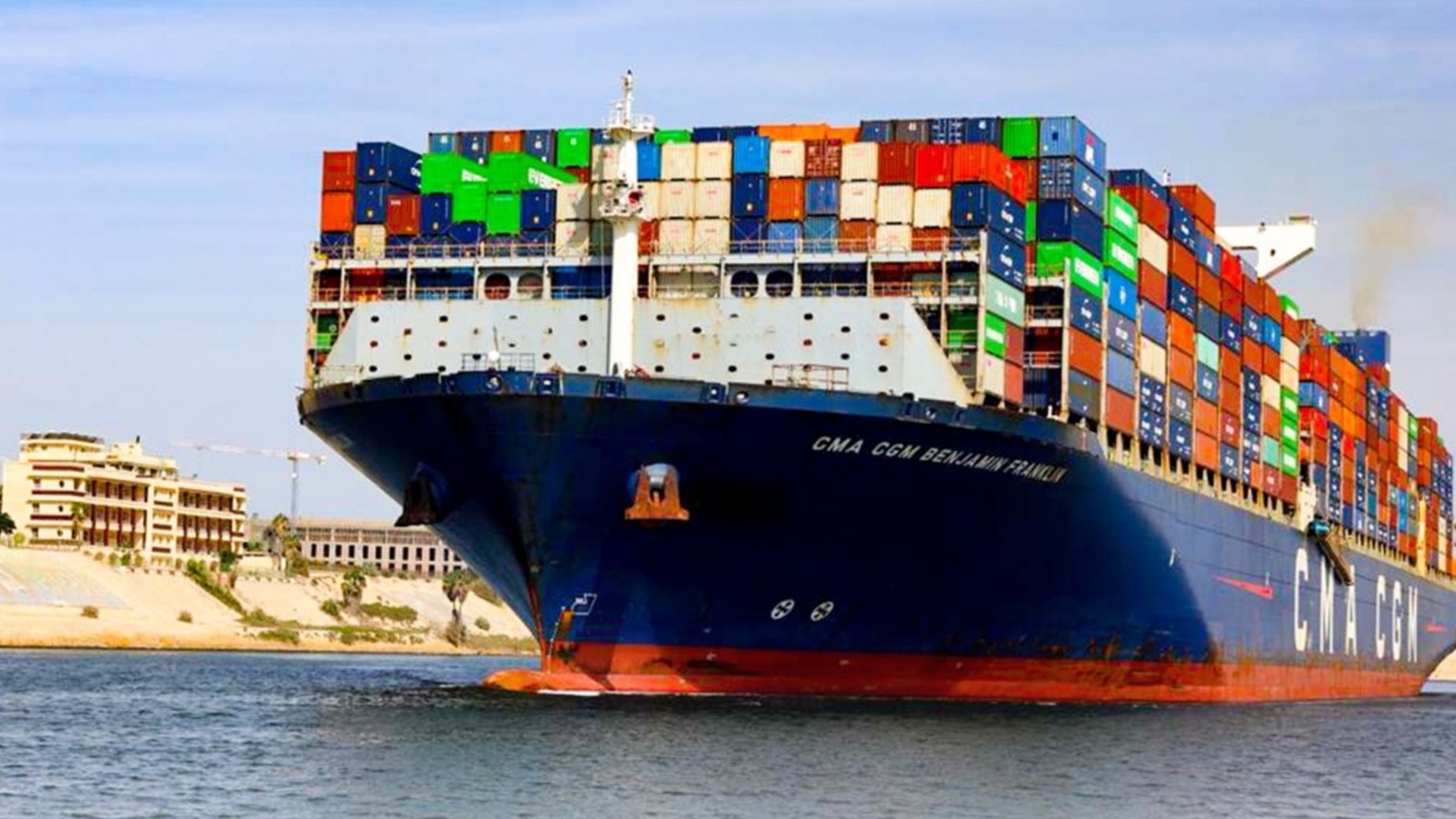
This improvement is bolstered by notable passages such as that of CMA CGM’s Benjamin Franklin and CMA CGM Zheng He, massive 17,859-TEU vessels, marking a return of large container ships to the waterway after several years.
Shipping Giants Express Commitment
- CMA CGM Egypt’s CEO, Tariq Zaghloul, emphasized the irreplaceable advantage of the Canal for global shipping and anticipates an uptick in voyages aligned with expanding fleet capacity.
- Robert Uggla of A.P. Moller-Maersk reconfirmed substantial investments in Egypt during talks with the country’s leadership.
- Mediterranean Shipping Company highlighted expectations for a swift resumption of southbound transit given the region’s enhanced stability.
- Evergreen declared readiness to resume operations as soon as regional conditions settle completely and permanently.
- Cosco’s representative pointed out that shifts in the maritime industry — including falling freight rates and evolving supply-demand patterns — would drive the return of liner traffic to the Canal.
Challenges and Opportunities for Global Shipping Logistics
While the initial rerouting away from the Suez Canal brought short-term financial gains to some ocean carriers, those benefits have been tempered by fluctuating trade demand and tariff uncertainties. This creates a complex backdrop for logistics and transport planning worldwide, as shipping costs and scheduling remain influenced by the route choices of global cargo lines.
| Factor | Impact on Suez Canal and Shipping | Implicaciones para la logística |
|---|---|---|
| Regional Instability | Led to attacks on vessels, rerouting, and drop in toll revenue. | Increased transportation costs and complexity in freight forwarding. |
| 15% Toll Discount Incentive | Attracts large container ships back, boosting Canal traffic. | Potential cost savings in shipping and improved delivery timelines. |
| Ceasefire Developments | Reduce tensions, elevate confidence in route safety. | Enhances reliability and scheduling stability for cargo movements. |
| Industry Commitment | Shipping majors pledging continued investment and service through the Suez. | Supports long-term planning for global haulage and distribution networks. |
The Human Factor in Maritime Decisions
Despite data-driven forecasts and positive trends, actual experiences remain the gold standard in evaluating the Suez Canal’s shipping viability. Even the best reviews and authentic feedback from the industry can’t quite replace firsthand navigation and cargo dispatch experiences. For those considering their next freight move, the decision to route via the Suez hinges on balancing costs, reliability, and safety.
On platforms such as GetTransport.com, users gain access to competitive prices for global cargo transportation tailored to diverse needs — whether relocating offices or homes, managing bulky freight, or transporting vehicles. This transparency and convenience empower shippers to make smart choices aligned with both budget and logistical requirements.
Reserve su viaje en GetTransport.com to tap into affordable, reliable, and globally connected transport options.
What Does This Mean for Global Logistics?
The resurgence of the Suez Canal as a preferred shipping route promises to subtly reshape maritime freight flows, trimming journey times and cutting costs. While the broader influence on global logistics might be modest due to the size of the overall market and alternative pathways like the Cape of Good Hope, the strategic value of the Canal remains undeniable.
For logistics operators and shippers collaborating with a platform like GetTransport.com, monitoring such developments is key to staying agile and competitive. The evolving situation in the Suez can affect shipment timing, freight rates, and routing decisions, making the ability to find flexible and economical transport solutions all the more essential.
Comience a planificar su próxima entrega y asegure su carga con GetTransport.com.
Resumen
The Suez Canal is navigating a hopeful path back to prominence amid challenges from regional tensions and shifting trade patterns. Strategic toll discounts and improved security prospects are drawing major shipping lines back, as evidenced by rising transit volumes and renewed corporate commitments. These changes carry important weight for logistics, influencing freight costs, route reliability, and global shipment efficiency.
By leveraging transparent, cost-efficient platforms like GetTransport.com, shippers can navigate this evolving maritime landscape with confidence. Whether managing bulky cargo, vehicles, or complex relocations, optimized transport choices align with the demands of global freight and distribution. As the Suez Canal shores up its role in international shipping, staying connected through reliable logistics partners is the name of the game.