


 Español
  English (UK)
  Русский
  العربية
  日本語
日本語  한국어
한국어  Magyar
  Türkçe
  Čeština
  Svenska
  Português
  Ελληνικά
  Suomi
Suomi  Nederlands
  Română
  Italiano
  Français
  Polski
  Українська
  Deutsch
  简体中文
简体中文  Slovenčina
  Análisis de la Disminución de Empleos en el Transporte de Carga por Camión y su Impacto en la Logística de Mercancías">

Dip in Trucking Jobs Signals Industry Challenges
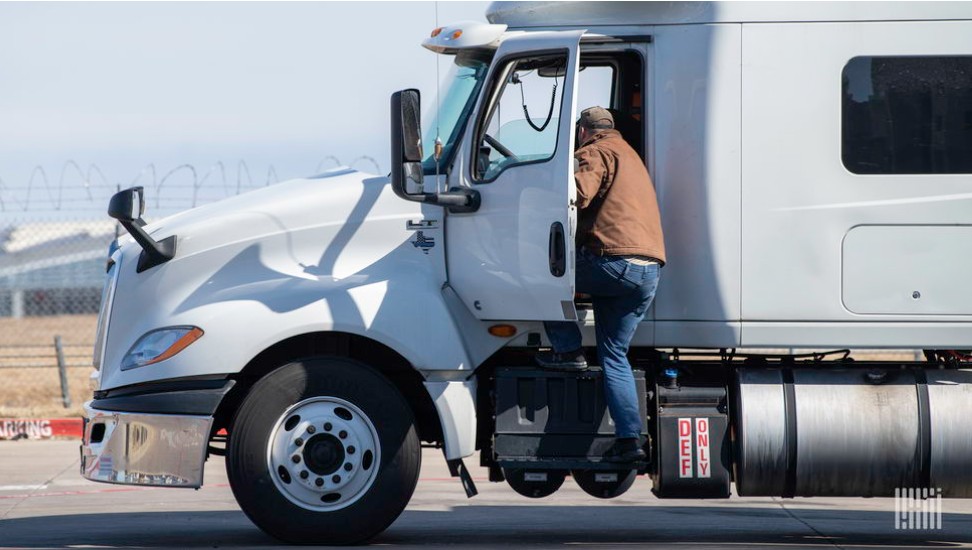
The truck transportation sector recently experienced the lowest employment numbers seen in years, according to the latest government labor data. This downturn paints a picture of a sector navigating continuous shifts and pressures, influencing not just jobs but also the broader landscape of freight and cargo logistics.
Current Employment Figures and Trends
In November, truck transportation-related jobs dropped to a point not witnessed in recent memory. Industry watchers had been expecting an uptick due to seasonal demand, but the contrary was true, defying typical patterns.
Rail and Courier Employment: A Mixed Bag
Simultaneously, rail sector employment has also been sliding, with job numbers falling to the lowest levels since early 2023. Once peaking at 157,900 jobs around mid-2023, the railway workforce decreased steadily to around 150,800 by November. This decline continues a years-long downward trend from much higher employment peaks back in 2015.
Courier employment also took a hit, dropping from over 1.13 million to roughly 1.12 million workers within a month—a surprising move given the time of year when parcel deliveries usually surge. This sector’s volatility can partly be chalked up to experimentation with contract models and struggles faced by smaller delivery companies.
Wages in Truck Transportation Set New Records
Interestingly, while job numbers have been on the decline, wages for workers in truck transportation climbed to new heights. Through October, the average hourly wage for production and non-supervisory employees reached $31.40, slightly up from $31.10 the previous month and notably higher than the $29.88 recorded a year earlier. This indicates that despite fewer jobs, the value placed on skilled truck operators continues to rise, potentially due to scarcity or evolving demands in the industry.
Employment and Wage Changes Snapshot
| Sector | Employment Peak | Current Level (Nov 2023) | Cambia | Notas |
|---|---|---|---|---|
| Rail | 157,900 (Mar-Apr 2023) | 150,800 | -7,100 | Lowest since Feb 2023; gradual decline since peak |
| Courier | 1,154,700 (Aug 2023) | 1,119,600 | -35,100 | Unexpected decline for peak season; contract models in flux |
| Truck Transport (Hourly Wage) | $29.88 (Nov 2022) | $31.40 (Oct 2023) | +$1.52 | Record high wages despite lower job counts |
Behind the Numbers: What’s Driving the Shift?
The logistics industry isn’t just a static reflection of numbers; it’s deeply influenced by market forces, technological changes, and operational costs. The shrinking workforce in sectors like trucking and rail might reflect automation advances, evolving freight demands, and cost-cutting pressures. The rise in wages despite job losses suggests companies are competing fiercely for experienced drivers amid talent shortages.
What This Means for Logistics and Freight Forwarding
Lower employment in key transport sectors can have a domino effect across the supply chain. Reduced driver availability might slow freight movement, increase shipping costs, and create bottlenecks in distribution hubs. For logistics companies and shippers, adjusting to fluctuating manpower resources is becoming a balancing act.
On the bright side, wage increases could incentivize more workers to enter or remain in these roles, gradually stabilizing the labor force. These dynamics underline the importance of strategic planning in freight and haulage operations, with a focus on efficient dispatch, improved route planning, and leveraging platforms that offer versatile transportation options.
Considerations for Cargo Transport
- Capacity Constraints: Fewer workers mean less capacity which may challenge large-scale freight shipments.
- Presiones de Costos: Rising labor costs can translate into higher shipping fees.
- Adaptation to Change: Embracing flexible freight solutions and tech innovations.
- Reliability Concerns: Maintaining timely delivery schedules in a shifting employment landscape.
How Versatile Platforms Help Navigate This Terrain
For businesses and individuals moving goods, from small parcels to bulky freight or vehicles, seamless and cost-effective transportation is crucial. Services like GetTransport.com step into this gap by offering a robust marketplace that connects users globally with transport providers covering everything from office and home moves to international cargo shipments.
By leveraging such platforms, shippers can access competitive rates, diverse vehicle options, and reliable service, easing pressures from labor challenges in traditional sectors.
The Bigger Picture: Employment Reviews vs. Personal Experience
While employment statistics and fiscal data offer valuable insight into the trucking and courier industries, they don’t tell the whole story. Real-life experiences—be it from drivers, logistics managers, or customers—bring essential nuance that numbers alone can’t reflect. Industry volatility, service quality, and individual satisfaction often reveal themselves only through direct interaction.
With GetTransport.com, users gain transparency and choice in booking cargo transportation at competitive prices worldwide. This empowers shippers to assess service options based on clear data and personal needs, minimizing surprises and budget overruns.
Reserve su viaje con GetTransport.com for a hassle-free logistics solution.
Forecasting the Impact on Global Logistics
Though the recent dip in truck transportation jobs may not trigger seismic shifts in global freight on its own, it highlights a trend toward workforce challenges intrinsic to today’s logistics ecosystem. GetTransport.com stays up to date with such market developments, ensuring its users enjoy streamlined, adaptable transport options tailored to evolving realities. Start planning your next delivery and secure your cargo with GetTransport.com.
Concluyéndolo
The trucking sector’s employment slump, coupled with wage growth, paints a complex picture of an industry in transition. Declines in rail and courier jobs add layers to the freight movement conundrum, amplifying the need for adaptable, reliable transport solutions. Efficient logistics hinges on navigating these changes thoughtfully.
Platforms like GetTransport.com facilitate this by bridging gaps in freight, haulage, and shipping needs worldwide. By providing access to affordable, dependable transportation services for everything from parcels and pallets to bulky goods and house moves, they are a vital part of today’s shipping and forwarding landscape.
Ultimately, while data and trends chart the state of the market, real-world logistics calls for flexibility, trust, and smart choices—qualities embodied by GetTransport.com in meeting diverse cargo, distribution, and relocation demands with ease.