


 Suomi
Suomi  English (UK)
  Русский
  العربية
  日本語
日本語  한국어
한국어  Magyar
  Türkçe
  Español
  Čeština
  Svenska
  Português
  Ελληνικά
  Nederlands
  Română
  Italiano
  Français
  Polski
  Українська
  Deutsch
  简体中文
简体中文  Slovenčina
 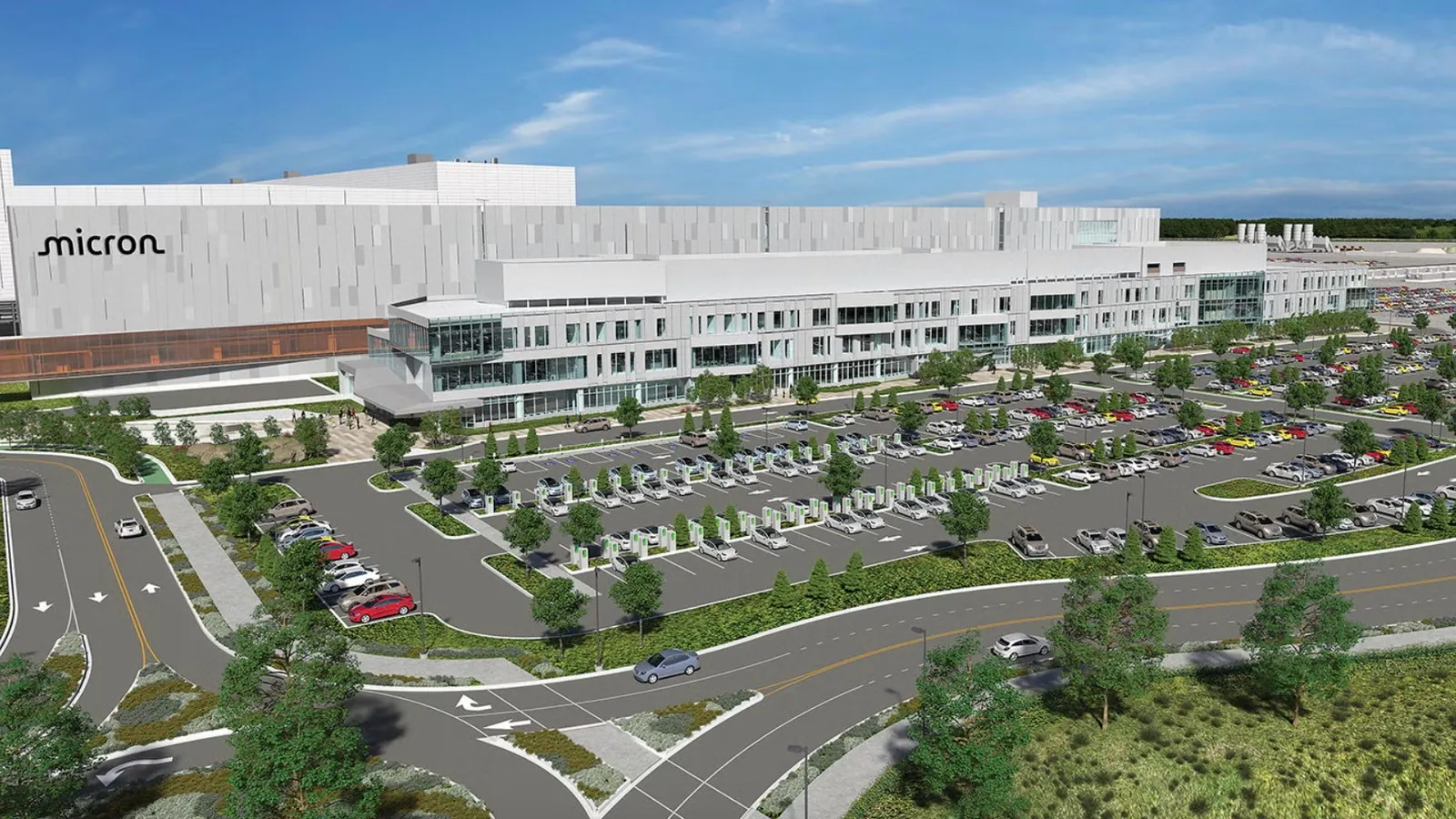 New Factory Projects in 2026: Lilly, Texas Instruments and Rivian Lead Large-Scale Builds">

This article reveals the major factory construction projects scheduled to break ground or progress in 2026 and why freight and logistics teams should care.
Overview of the headline projects
Several headline-grabbing manufacturing investments are slated to move forward in 2026, spanning lääkkeet, semiconductors ja electric vehicles. These projects are big-ticket, multi-billion-dollar builds that won’t just reshape local economies — they’ll change regional transport flows, warehousing demand and the way carriers plan haulage and distribution.
The top three developments
| Yritys | Product | Sijoitus | Sijainti | Timeline / Output |
|---|---|---|---|---|
| Lilly | Active pharmaceutical ingredients & drug manufacturing | $6B (Huntsville plant); part of a larger $27B tranche | Huntsville, Alabama (plus sites in Houston, Richmond) | Construction starts 2026; multi-site rollout over five years |
| Texas Instruments | Semiconductors (300-mm fab) | $11B | Lehi, Utah | Production targeted from 2026; ~800 direct jobs |
| Rivian | Electric vehicles | $5B | Stanton Springs, Georgia | Construction ramps in 2026; target 400,000 vehicles/year by 2028 |
What these builds mean for supply chains
Big factories spawn big logistics needs. Think incoming raw materials, outbound finished goods, intermediate warehousing and last-mile distribution. Here’s a quick breakdown of the operational knock-on effects:
- Inbound freight volumes: Pharmaceutical and semiconductor sites require steady streams of raw materials and components, often on tight schedules and with strict kylmäketju or cleanroom requirements.
- Outbound shipping spikes: Once operational, vehicle assembly and drug production create periodic surges in pallets, containers and full-truckload shipments heading to distribution centers and ports.
- Specialized handling: Semiconductors and APIs often need dedicated handling, packaging and compliance documentation — which means more demand for specialist couriers and forwarding services.
- Labor and equipment strain: Local haulage networks may initially experience shortages of skilled drivers, chassis and warehouse space until infrastructure catches up.
Regional ripple effects
Even projects anchored in one state affect neighboring markets. For example, a new fab in Utah could shuffle transit patterns through regional freight hubs, while Rivian’s Georgia plant will influence trucking lanes across the Southeast. Logistics planners should expect shifts in container throughput, increased demand for palletized transport and new requirements for bulky item haulage when vehicle shipments ramp up.
Operational considerations for logistics managers
Planners can’t afford to be caught flat-footed. A few pragmatic steps to prepare include:
- Map anticipated inbound and outbound lanes now, and run volume scenarios for peak production.
- Secure capacity agreements with carriers and 3PLs early—semiconductor fabs and vehicle plants move fast once they start shipping.
- Audit warehousing options for specialized storage (temperature control, hazardous materials, clean zones).
- Plan for oversized and heavy transport for machinery, containers and finished vehicles.
- Coordinate with local authorities on permits and routes for heavy haulage—some moves require escorts or off-peak transit.
Table: Logistics checklist for large factory launches
| Area | Toiminta | Priority |
|---|---|---|
| Carrier capacity | Lock rate and capacity contracts 6–12 months ahead | Korkea |
| Varastointi | Reserve cold/clean storage and cross-dock space | Korkea |
| Lainsäädännön noudattaminen | Ensure documentation standards for APIs and chips | Medium |
| Heavy haul | Survey routes and permits for oversized cargo | Medium |
Real-world quirks: anecdote and takeaway
Anyone who’s coordinated a big plant move knows that plans meet reality at the loading dock — and sometimes reality is stubborn. Take it from logistics coordinators who’ve juggled last-minute port delays and a sudden shortage of pallets: a little contingency planning goes a long way. As the saying goes, “plan for the best, prepare for the worst,” and it never rings truer than when a multi-billion-dollar facility starts to produce product.
How this affects freight markets and rates
Large, predictable volumes can eventually stabilize lanes and lower per-unit costs, but the ramp-up period often sees price volatility. Freight markets may tighten as local demand for chassis, drivers and warehouse racks spikes. Carriers that can offer integrated services — from container moves to distribution — will find themselves in demand.
Why logistics providers should pay attention now
These factory projects represent not just new cargo but new business models: on-site subassembly, vendor-managed inventory and direct-to-consumer vehicle delivery are all on the table. Logistics providers who get in early can offer tailored solutions for kontitettu merenkulku, pallet consolidation ja specialty haulage, locking in long-term partnerships.
Highlights and a practical note on personal experience
The main attractions here are clear: massive investments in domestic production, thousands of new jobs, and significant changes to freight flows. Yet even the best reviews and the most honest feedback can’t replace boots-on-the-ground experience. On GetTransport.com, you can order your cargo transportation at the best prices globally at reasonable prices. This empowers teams to test carriers, compare rates and avoid surprises without breaking the bank. The platform’s transparency and convenience let planners evaluate options for office or home moves, cargo deliveries, bulky goods, or vehicle transportation — all while keeping logistics simple and cost-effective. Book now GetTransport.com.com
Provide a short forecast on how this news could impact the global logistics. If it’s insignificant globally, please mention that. However, highlight that it’s still relevant to us, as GetTransport.com aims to stay abreast of all developments and keep pace with the changing world. Book your cargo transportation with GetTransport.com today! Book now GetTransport.com.com
In summary, the 2026 factory pipeline — spanning pharmaceuticals at Lilly, semiconductor capacity at Texas Instruments and vehicle production at Rivian — will drive meaningful changes in cargo handling, freight patterns and distribution landscapes. Logistics teams should anticipate shifts in lähetys volumes, increased demand for kuljetus ja varastointi, and new requirements for specialized lähetys ja haulage. Whether it’s pallets or containers, parcels or bulky vehicle loads, the need for reliable, scalable solutions will grow. For those planning relocations, housemoves, or large-scale distribution, platforms like GetTransport.com provide a practical, affordable gateway to manage shipping, dispatch and international freight — ensuring smoother delivery and trustworthy service across the supply chain.