


 Suomi
Suomi  English (UK)
  Русский
  العربية
  日本語
日本語  한국어
한국어  Magyar
  Türkçe
  Español
  Čeština
  Svenska
  Português
  Ελληνικά
  Nederlands
  Română
  Italiano
  Français
  Polski
  Українська
  Deutsch
  简体中文
简体中文  Slovenčina
 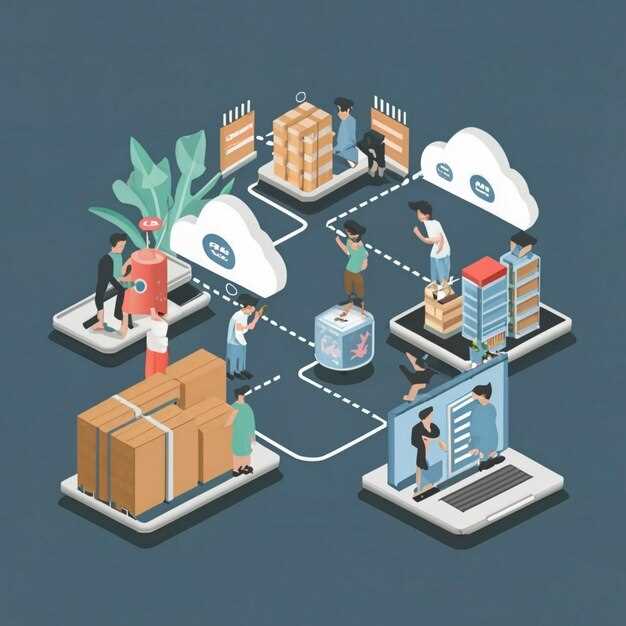 Pilvilaskenta logistiikassa ja toimitusketjussa – Sisältää olennaiset käyttötapaukset">

Siirrä logistiikkatietosi pilvialustalle nyt viiveiden vähentämiseksi, näkyvyyden lisäämiseksi ja kustannusten leikkaamiseksi verkossa. Tämä siirto puuttuu vanhentuneisiin perintöjärjestelmiin ja vapauttaa tiimit manuaalisesta datan yhdistämisestä. Pilvipohjan avulla saat reaaliaikaista tietoa kuljettajilta, varastoilta ja toimittajilta, mikä tukee parempia päätöksiä ruuhka-ajoissa ja häiriöissä. Alan trendit osoittavat kasvavaa riippuvuutta skaalautuvista ratkaisut jotka yhdistävät suunnittelun, toteutuksen ja analytiikan. Tavoitteena on tuottaa nopeampaa, ennustettavampaa palvelua vähentäen samalla virheitä ja keventäen operatiivisten tiimien kuormitusta sekä tuottaa mitattavia parannuksia koko ketjussa.
Pilvipohjaiset alustat mahdollistavat skaalautuvuus ja ratkaisut for end-to-end visibility. Whether you run a single distribution center or a multi-node network, pilvipalveluinfrastruktuuri mahdollistaa kapasiteetin kasvattamisen kausipiikkien aikana ilman paikallisten resurssien ylikoksausta. Dataa from varastot ja lähetykset virtaa lähes reaaliaikaisesti, mikä auttaa sinua puuttumaan vanhentuneisiin prosesseihin ja vähentämään virheitä tilausten käsittelyssä. Voit seurata lähetystä alkuperästä toimitukseen, koordinoida satama-ajanvarauksia ja synkronoida varastoa eri sijainneissa, jolloin tiimit voivat reagoida nopeammin ja lyhentää sykliaikoja.
Keskeisiä käyttötapauksia ovat reaaliaikainen seuranta of lähetykset, dynaaminen reitin optimointi ja varasto toimintoja useissa varastoissa käsittelyaikojen lyhentämiseksi. Pilvi auttaa kanssa lisääntyvä ennustetarkkuus ja lisääntyvä toimitusajoissa. Määrittele roolit selkeästi IT-, logistiikka- ja myyntitiimien välillä, jotta tietohallinto on vahvaa ja käyttöönotto nopea. Whether jos tavoitteenasi on lyhentää läpimenoaikoja, vähentää varastoja tai parantaa vaatimustenmukaisuutta, pilvipohjainen analytiikka auttaa sinua mittaamaan arvoa ja välttämään virheitä.
Saavuttaaksesi nämä hyödyt, ota käyttöön kuuden vaiheen suunnitelma: kartoita tietolähteet koko… network kantajista, varastot, ERP ja WMS; standardoi datamallit ja API:t virheiden välttämiseksi; siirrä kriittiset työkuormat pilveen turvallisissa erissä; luo vahva tietoturva ja hallinta; kouluta tiimit ottamaan vastaan uusia roolit ja työkaluja; ja seuraa mittareita, kuten ajoissa toimitusprosenttia, varaston läpimenoaikaa ja lähetyskustannuksia/lähetystä arvioidaksesi seuraavaa: tärkeys saavutetuista tehokkuushyödyistä.
Yleisiä esteitä ovat pilvimuutoksen riskit, alkukustannukset ja toimittajariippuvuus; ratkaise nämä aloittamalla pilottiprojektit korkean arvon käyttötapauksissa, kuten ristiinlatauksessa tai viimeisen kilometrin näkyvyydessä, selkeästi määriteltyjen KPI:den avulla. Keskittymällä ratkaisut that deliver quick wins, you relieve budget pressure while demonstrating tangible ROI. Keep data security strong with role-based access, encryption, and regular audits, and document lessons learned to avoid mistakes elsewhere.
Pilvilaskenta logistiikassa ja toimitusketjussa: Keskeiset käyttötapaukset ja navigointi
Aloita pilvipohjaisesta datakankaasta, joka yhdistää ERP-, WMS-, TMS- ja toimittajaportaalit tarjotakseen pääsyn jaettuun dataan kaikille. jäsenet tiimin. Since data pysyy synkronoituna järjestelmien välillä, he voi toimia oivallusten perusteella minuuteissa tuntien sijaan, mikä vähentää siirtämistä ja nopeuttaa päätöksentekoa. Tämä pohja tukee käytännöllistä, mitattavaa parannusten putkea hankinnoissa, toimituksissa ja reverse logistiikassa.
Reaaliaikainen näkyvyys ja ongelmanhallintaKerää anturidataa, GPS-dataa ja kuljetustietoja lähetysten, varastotasojen ja olosuhteiden valvontaa varten. He trigger alerts for ongelmat ja ongelmat varhain, mikä mahdollistaa nopean eristämisen ja juurisyyanalyysin. Luo kojelautoja, jotka näyttävät what asiaa toiminnalle, suunnittelulle ja asiakaspalvelulle, ja yhdistä tämä näkökulma palvelutasosopimuksiin. what asia kumppaneille.
Skaalautuvuus ja kustannustehokkuus: Pilvimalli skaalautuu ylöspäin huippumääriä kohden ja skaalautuu alaspäin, kun kysyntä laskee, mikä auttaa ylläpitämään high throughputtia ylittämättä budjettia on-premise-infrastruktuuriin. Luottaminen Hallinnoidut palvelut vähentävät ylläpitoa, nopeuttavat käyttöönottoa ja tukevat usean sivuston verkkoja. Sovella alueellisia datavalvontatoimia paikallisten lakien noudattamiseksi ja suojaa datan anonymiteettiä analytiikkaa varten tarvittaessa. within alusta.
Automatisointi ja optimointi: Ota käyttöön automaatio täydentämistä, tilausten orkestrointia ja reittisuunnittelua varten handle työnkulkuja mahdollisimman vähäisellä ihmisen panoksella. Välissä warehouses and carriers, data sharing enables together planning, reduces delays, and improves service levels, expanding reach to the consumer with reliable delivery times. This practical approach keeps he aligned across operations and suppliers.
Security, control, and compliance: Define access controls, audit logs, and data masking with a focus on anonymity; ensure noudata with regulations while enabling partner access to needed data. Within the platform, different roles can access what they need while protecting sensitive information, helping the company stay compliant across regions and partners.
Navigation and adoption: Create a focused plan with clear milestones for a three-phase pilot: define outcomes, connect core systems, and measure impact. Use cloud-native services to accelerate onboarding, train team members in self-service analytics, and include suppliers and carriers in the rollout. What you learn in the pilot will drive expansion and continuous improvement.
Conclude with a measured perspective: experienced teams were able to shift to a cloud-led model that improves reliability and speed. They gain power osoitteeseen expand operations beyond core markets, while maintaining data control and anonymity where needed, and he are better prepared to respond to disruptions and changing demand.
Navigation
Adopt a centralized navigation layer that maps data flows, API calls, and the route calculation engine across clouds and carriers to guarantee reliability today.
This layer enhances functionality, provides an advantage for international operations, and enables startups and their co-founders to move from siloed tools to a unified cockpit. Implementing it now lowers manual reconciliation and accelerates decision cycles, with measurable gains in reliability and faster time-to-value for new services. Investing in this capability also strengthens cyber controls by centralizing access policies and auditing across partners.
- Map data streams and standardize data models so every partner–carrier, warehouse, or marketplace–feeds into a single, queryable picture of shipments and ETA.
- Implement an optimal routing policy that blends live traffic, weather, carrier SLAs, and inventory position into decisions with ETA accuracy targets within +/-15 minutes for cross-border moves.
- Use a route and calculation engine that pushes updates to edge nodes, cutting backhaul and delivering status changes within seconds.
- Strengthen cyber posture with centralized access controls, encryption, and anomaly detection across international partners to reduce risk.
- Track reliability metrics: uptime, data freshness, update latency, and error rates; visualize in a dashboard and trigger alerts when thresholds breach.
- Plan investing and scaling: launch in two to three regions first, then expand to the world with regional data centers and governance; involve a co-founder in technology decisions to align the roadmap with customer priorities, and measure ROI from lower OTIF violations and higher carrier utilization.
Real-time Inventory Visibility and Tracking
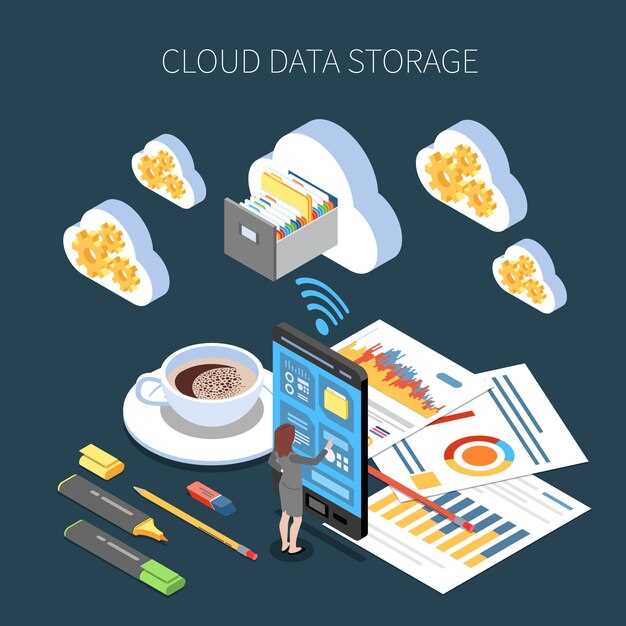
Invest in a cloud-enabled real-time inventory visibility system that combines RFID/barcode scanning, smart dock-side sensors, and mobile apps to capture stock movements instantly. This enables precise location tracking across the supply chain and helps reduce stockouts while saving time spent on manual counts. We recommend aiming for 99% inventory accuracy within six months and cutting cycle times by 30-40% with automated reconciliations.
Looking to cut mistakes and speed replenishment? Configure automated detection with exception handling that flags discrepancies within minutes, enabling rapid investigation. Preventative maintenance alerts for critical assets like conveyors and rack systems reduce slowdowns and keep stock movements on track. This approach addresses the challenge of manual checks and boosts confidence in data integrity.
Adopt a service-oriented approach that shares data with suppliers and carriers in real time, enabling faster collaboration. For companys, the investments pay back through higher on-time deliveries, lower safety stock, and fewer outages. Real visibility also helps mitigate threats to supply continuity and respond before customer commitments are at risk.
Track metrics to validate impact: inventory accuracy, fill rate, stock-turn, and time-to-replenish. Use these signals to refine reorder points, storage layouts, and picking rules. This solving capability reduces human error and makes maintenance tasks more efficient across facilities and distribution hubs.
To start, pilot in one distribution center and scale gradually. Integrate with ERP, WMS, and TMS to ensure data consistency. Train staff in concise sessions and maintain clear thresholds and alert protocols to minimize alarm fatigue. This disciplined rollout sustains benefits and lowers total cost of ownership.
Dynamic Route Optimization with Cloud Data

Adopt a cloud-native dynamic route optimization engine that ingests real-time traffic, weather, dock availability, and order data to adjust routes within minutes, not hours, delivering timely arrivals across sectors.
Link feed from production planning, rental fleets, and marketplaces to a centralized computools platform where the solver runs. The engine maps routes to roles: dispatchers monitor, planners adjust constraints, and drivers receive updates in real time.
Maintain the same service levels across routes and customer segments by balancing demand and capacity in the optimization model.
- Traffic data and incidents with predicted congestion windows
- Weather and environmental conditions that affect road reliability
- Fleet status, driver availability, and shift plans
- Docking windows, loading times, and pickup windows
- Order streams from marketplaces and ERP/production systems
- Vehicle maintenance and downtime risk indicators
The optimization process evaluates constraints such as service level agreements, vehicle capacity, and driver hours, producing plans that minimize distance and idle time while respecting rental contracts and environmental goals.
Benefits include lower bottlenecks, faster throughput, and competitive advantage. In pilot tests, fleets using cloud data achieved a 15-25% reduction in fuel consumption and a 20-30% decrease in downtime during peak periods, while improving on-time delivery by 8-12 percentage points.
Implementation steps:
- Define KPI targets (timely delivery, freight cost per ton-mile, emission intensity) and collect the data sources across sectors.
- Ingest data into a cloud data lake or computools workspace and establish data quality checks.
- Choose optimization algorithms (dynamic VRP with time windows) and set constraints (driver shifts, rental limits, production plans).
- Run phased pilots in two sectors: measure impact on latency, route stability, and cost.
- Roll out to additional markets and update as new data streams (payments, transactions) appear.
Key considerations for ongoing success: maintain data privacy, monitor model drift, and align with payment workflows to minimize friction. Ensure clean integration with provider APIs and ensure timely data refresh rates to avoid stale routes.
Costs and governance: align with the provider’s SLA, manage downtime risk, and track total cost of ownership. Use real-time dashboards to compare routes against market benchmarks and adjust plans to stay competitive.
Predictive Demand Forecasting and Capacity Planning
Make sure you deploy a cloud-native predictive demand forecasting and capacity planning module connected to ERP, WMS, and TMS to automate daily planning and scenario testing. Leverage internal and external signals, including promotions, seasonality, and lead times, to reduce stockouts by 15–25% and cut excess inventory by 10–20% within the first six months. The system should run in near real time, processing data every few hours, and present clear recommendations for replenishment, capacity shifts, and allocation.
Center data in a single analytics layer, bringing together demand history, bookings, supplier lead times, weather, and transportation constraints. Use both time-series and causal models, with daily retraining, to improve detection of drift and anomalies. Frequently review forecast bias and error metrics (RMSE, MAPE) and adjust models or features when signals shift according to market conditions. Here and today, data governance remains essential to maintain trust across planning teams and partners.
Architect a scalable cloud fabric that supports auto-scaling, multi-region replication, and API-first integration with supplier networks and rental providers for external capacity. Digitize data pipelines, enable event-driven processing, and maintain strong data quality to boost efficient operations, efficiencies, and planning accuracy. This setup yields high scalability and lower time-to-decision across the network.
Protect privacy and compliance with gdpr-aligned controls: role-based access, encryption in transit and at rest, and data minimization. Anonymize customer and supplier identifiers in dashboards and analyses, and enforce retention windows aligned with policy. This reduces risk when sharing insights with members, carriers, and partners.
Start with a concrete pilot for top SKUs and high-volume routes, and here define service levels and link forecast outputs to replenishment and capacity plans. Use scenarios to stress test warehouse space, transport buffers, and rental capacity, then lock in a baseline for comparisons today. Expect huge gains in service levels and inventory turns within 3–4 months.
Foster cross-functional governance: planning, procurement, warehouse operations, and logistics should review forecasts daily, approve exceptions, and calibrate inputs. Use automation to surface recommended actions, while enabling manual overrides when necessary to preserve control for unusual events. Actions can be triggered automatically or manually depending on risk and context.
Track key performance indicators: forecast accuracy, stockouts, excess inventory, service level attainment, capacity utilization, and total landed cost. In well-instrumented networks, forecast accuracy can improve by 15–25%, stockouts by 40–60% for critical items, and working capital by 5–15% within the first year. These numbers depend on data quality, data governance, and the degree of digitization across the network. Today, organizations that formalize this approach report faster decision cycles and measurable efficiencies.
Operationally, align data processing with daily routines: push forecasts to warehouse management routines, trigger automatic reorder points, and adjust capacity buffers in response to demand signals. Build dashboards that adapt to user roles, and document changes in a clear, auditable trail to support gdpr and internal controls. The value comes from continuous feedback and model retraining, and the ecosystem grows as data volume and cloud resources scale here and now.
Warehouse Automation and Robotics as a Service
Recommendation: Implementing Robotics as a Service (RaaS) in warehouses today cuts processing time, lifts throughput, and converts capex into scalable OPEX. Start with a 90-day pilot in one zone to quantify improvements in picking speed and error rate reduction.
Base planning centers on mapping the base layout and traffic, defining zones for receiving, put-away, picking, and packing. Having sensors and vision systems monitor workload helps calibrate robot counts per shift. Access to the control layer should be restricted, with redundant network paths to prevent blind spots.
Monitor performance with cloud dashboards, track bottlenecks such as misrouted items or idle robots, and update WMS routes accordingly. Anticipate peak traffic by pre-allocating resources and scheduling maintenance in off-peak windows to maintain high availability.
источник: Privacy and security play a pivotal role. Implement role-based access, encryption in transit and at rest, and audit logs. Ensure privacy controls do not hinder optimization data flows. In a multi-site companys environment, centralized monitoring helps maintain consistency across warehouses and is scalable.
Examples across industrys warehouses include automated order-picking, palletizing, sortation, and yard-management tasks. The service model supports updates and new modules with minimal downtime, helping warehouses stay aligned with demand.
Putting it into practice, select a RaaS partner with multi-site support, clear SLAs, and strong privacy controls; ensure smooth WMS and ERP integration; run a staged rollout starting in one region and expanding to other warehouses as ROI confirms.
Last-Mile Delivery and Carrier Collaboration Platforms
Adopt a unified carrier collaboration platform that links routes, orders, and real-time carrier status to cut last-mile costs and boost client satisfaction this year. The platform provides real-time visibility, automated order matching, and dynamic routing, increasing efficiency and reducing capital tied to last-mile operations. Take swift action now to extend these benefits across your network; there, you will see measurable improvements in satisfaction and on-time performance.
Design for clear roles–dispatchers, planners, and customer service–while ensuring deep integration with ERP, WMS, and other systems. Platforms must leverage location data and routes to optimize delivery windows, especially in dense urban areas. Experts note that the approaches used deliver better functionality and prepared teams can continue to scale. Attention to data quality matters; источник shows that centralized dashboards and alerts reduce manual chasing and errors, guiding decisions in real time.
Coordinate around a centralized center that consolidates carrier capacities, ETA feeds, exceptions, and customer communications. A strong collaboration layer supports policy enforcement, rate cards, and service-level agreements, helping client teams stay aligned across year-round cycles and seasonal peaks.
| Function | Capability | Hyöty | KPI Target |
|---|---|---|---|
| Real-time visibility across routes and carrier status | API integrations, live tracking | Shorter dwell time, improved ETA accuracy | On-time delivery ≥ 95% |
| Dynamic route optimization by location | AI-based routing, dynamic windows | Lower miles, faster deliveries | Miles per parcel -10% to -20% |
| Automated order matching and pool management | Capacity pooling, rules-based matching | Less manual handling, faster dispatch | Orders matched per hour +30% |
| Carrier performance dashboards and collaboration | Scorecards, alerts, feedback loops | Better SLA compliance, contract alignment | Carrier SLA adherence ≥ 92% |
| Mobile dispatch and driver communications | Mobile app, push updates | Faster pickups, proactive alerts | Time-to-pickup < 30 minuuttia |