


 Suomi
Suomi  English (UK)
  Русский
  العربية
  日本語
日本語  한국어
한국어  Magyar
  Türkçe
  Español
  Čeština
  Svenska
  Português
  Ελληνικά
  Nederlands
  Română
  Italiano
  Français
  Polski
  Українська
  Deutsch
  简体中文
简体中文  Slovenčina
 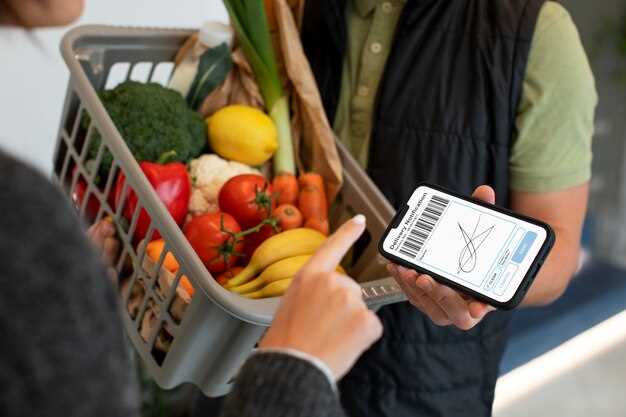 Ruokakauppa Uudelleen Ajateltuna – Kotiinkuljetuksella">

Adopt ai-powered last-mile delivery to cut delivery times by 25-35% and keep perishable items fresh, ensuring reliable service from store to door. By focusing on transporting groceries efficiently, you meet needs and turn lengthy waits into a convenient, predictable experience.
That transformation took root when retailers started to test real-time route optimization and precise execution on the road. Real-time route optimization reduces idle miles, while temperature control keeps seafood and other perishable items at safe levels from pickup to doorstep. Track each thing from order to delivery with clear status updates to avoid surprises.
Special capabilities like temperature-monitored containers, smart lockers for returns, and ai-powered dispatch ensure on-time windows. A small fleet can cover 60-90 households per hour when traffic is light, while larger zones require cross-docking and repositioning to maintain luotettava service. This approach would also boost customer trust and reduce calls about delays.
Start with data-driven steps: map customer needs, segment the day into 3-4 blocks, and aim for a 95% on-time delivery rate. Set a baseline: 10-20% of orders include seafood, and track spoilage by item category to identify high-risk items. Invest in temperature-controlled bags and driver training to keep things cold or cool during peak hours.
Then implement continuous improvement: collect feedback, adjust routing, invest in training, and scale gradually with pilots in two districts. The focus stays on keeping the shopping experience convenient while expanding coverage along major distribution corridors, so customers feel the work of teams delivering on promises.
Practical Framework for Last-Mile Grocery in Food OEM Operations
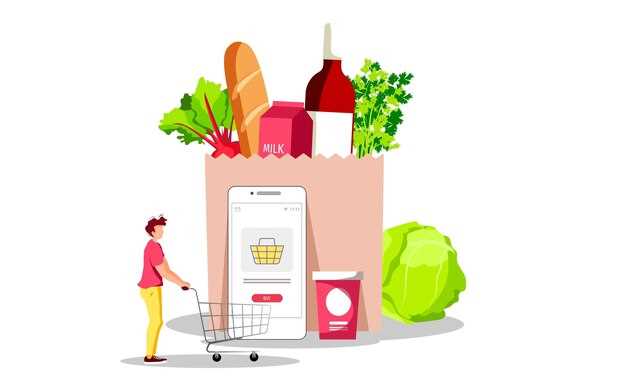
Adopt a two-tier last-mile model with micro-fulfillment hubs embedded in brick-and-mortar networks near high-density stores to cut road time and enable instant replenishment for high-velocity SKUs, including items used by restaurants.
Structure the flow with OEM orders funneling into a plan hub, then hub-to-store dispatch and direct-to-consumer legs. Use cross-docking to move items from supplier to stores with minimal handling; keep cold chain intact for life-critical items to extend life; implement route optimization and dynamic scheduling to reduce road miles; assign dedicated drivers for high-demand routes to improve operational reliability. Aligning with suppliers and stores ensures forecast accuracy and reduces stockouts. The game is to cut waste and keep stores well stocked; dont rely on guesswork, cannot afford errors.
Operational targets should focus on reducing waste and increasing speed. Most time goes to picking, packing, and hand-offs; automate with pick-to-light and mobile scanners; use real-time visibility to prevent bottlenecks. Keep high-priority items in a fast lane and use instant reorder triggers for top SKUs. Track metrics: on-time to stores, order fill rate, spoilage rate, transit time, and cost per delivery. Use a simple dashboard to alert when SLAs are breached and auto-adjust routes.
Collaborate with the company, OEMs, supermarkets, and restaurants to standardize SKU lists, including standard pack sizes and handling instructions; for life-critical items, use temperature-controlled units and data loggers; share forecast data to prevent overstock and waste. Run pilots in a few markets to validate ROI and adjust fleet mix, including the use of smaller vans for dense urban routes and larger trucks for regional legs. Use used packaging materials where possible to cut waste.
Map Customer Journeys: From Online Order to Doorstep
Assign one owner for each touchpoint in the end-to-end order-to-doorstep flow, and establish a 15-minute daily review to track availability, late delivery risk, and service levels.
From the beginning of the process, align online signals with brick-and-mortar realities: ensure catalogs reflect current stock, price, and freshness in supermarkets, and connect to a live inventory feed that improves availability.
The map focuses on the handoffs: online cart to order, order to warehouse, warehouse to courier, and courier to doorstep, with clear ownership at each point.
Each facility links store shelves to couriers, balancing capacity, resources, and stock levels to meet customer expectations and needed demand.
Implement a simple pilot that uses real-time signals to map points of delay and identify where resources are needed; use this practice to streamline routing across complex networks.
Late deliveries call for a proactive support system: publish ETA windows, send proactive notifications, offer flexible options, and ensure customer support is ready to assist.
Everybody benefits when the data is shared: marketing aligns promises with capacity, operations reduces waste, and executives see clear cost-to-service insights.
Manufacturers and supermarkets can reinforce the map by sharing lead times and replenishment signals, reducing gaps and improving availability at the doorstep.
Maintenance and evolution: review every few weeks, adjust for new partners, update routes, and keep the map easy to read with common terminology so teams across the organization can act.
Forecasting Demand and Managing Fresh Inventory for Last Mile

Use a rolling 14-day forecast by SKU and store to align each order across the fleet, and consolidate multiple store needs into a single weekly replenishment to cut last-minute trips and protect margins. This is a practical step for teams to adopt quickly, keeping planning simple and actionable.
Gather signals from sales, promotions, weather, holidays, and local events. Clustering stores by demand patterns and fresh profiles reveals unique segments you can share forecasts and inventory decisions across both brick-and-mortar and online channels.
Convert forecast into basics: set min and max levels per SKU per store, target 95% of SKUs available for core items, and keep 2-3 days of fresh cover in DCs and stores to reduce wasted stock and protect margins; address last-minute spikes with flexible replenishment, making the process convenient for store teams and customers.
Design the last mile around a compact, flexible fleet that can handle swings in demand. Use faster routing, cross-docking when volume spikes, and near-live updates to reduce mile traveled and redundant trips; this approach helps everybody rely on fresh stock without overburdening the network.
Example: A regional grocer implemented clustering and a shared forecast across 5 store clusters. Within 8 weeks, core item in-stock rose to 98%, waste dropped 18%, and margins improved by 3–4% on fresh categories. The approach proved convenient for customers and made replenishment faster without duplicating orders.
Everybody in the team can read a simple dashboard showing availability, waste, and margin trends; use these signals to adjust step-by-step procedures and keep the focus on availability and freshness across mile-long last-mile operations.
Cold Chain Compliance: Temperature Monitoring, Packaging, and Handling
Adopting a 24/7 temperature monitoring system across cold-storage points directly supports groceries freshness and safety. Install validated probes at loading docks, distribution hubs, and last-mile vehicles, and connect them to automatically triggered alerts that trigger when temps drift outside 2-8°C for refrigerated items or -18°C for frozen goods. Tie monitoring to etas so dispatch can adjust routes in real time. This practice supports growing user trust among shoppers.
Maintain cold-storage zones at 2-8°C and frozen zones at -18°C; use data loggers that record at least every 15 minutes during transit and at loading/unloading checkpoints. A user-friendly dashboard summarizes temps, excursions, and duration, usually accessible to the user on mobile and desktop. Alerts trigger automatically when readings breach the target window, enabling immediate corrective action when needed.
Packaging options including insulated boxes, rigid foam coolers, gel packs, and phase-change materials that maintain target temps for 6-24 hours depending on external conditions. Such packaging is commonly used across multiple groceries deliveries and can be tested with real-world routes to confirm performance.
Define a step-by-step handling protocol from cold-storage to last mile, ensuring goods are transferred directly to refrigerated vehicles, with minimal door openings. Pre-cool items before loading and apply strict chain-of-custody labels at every handoff. This practice reduces risk of temperature excursions and protects product quality. Such practices increase repeatability across routes.
Data-driven management: Record and review at points along the route; volumes of groceries moved per route; analyze excursions to identify points of failure; implement corrective actions. This strategy focuses on reducing excursions and improving response times.
Habits and training: Train users across warehouses, drivers, and store staff; provide practical checklists, including habits such as verifying temperatures before departure and validating packaging integrity; adoption should be measured with quick audits.
In contrast to passive storage, automated monitoring reduces excursions; as volumes grow with last-mile expansion, increased reliability and traceability follow. This contrast helps operations keep groceries within target ranges across routes.
Rollout plan: begin with a three-hub pilot over 6 weeks; scale to full network within 90 days; track spoilage rate, on-time deliveries, etas, and customer satisfaction. This approach would improve consistency, help managers forecast capacity, and sustain adopted practices.
Real-Time Route Optimization for Perishables and Time-Sensitive Goods
Implement ai-powered routing with updates every 2-5 minutes to keep schedules aligned and ensure temperature-monitored conditions are maintained, so that items are delivered on time.
Real-time routing uses live traffic, weather, and order changes to recalculate the next-best path. It prioritizes fast handoffs, minimizes idle time, and factors available drivers, vehicle types, and depot constraints, keeping availability accurate and preserving promised windows for customers.
Reducing backtracking and unnecessary detours lowers costs by 12-25% in typical urban networks, while shaving total drive time by 20-30% and boosting on-time delivery rates to 95% or higher under normal conditions. The system compares multiple routing options, evaluates expected ETAs, and checks temperature constraints to prevent cold-chain violations.
Maintaining product quality relies on temperature-monitored sensors in each container, real-time alerts for deviations, and automatic rerouting when a sensor detects out-of-range conditions. This ai-powered approach prioritizes high-priority items first, preserves cold-chain integrity, and minimizes exposure time for sensitive goods.
Practices focus on standardized packaging with in-transit sensors, calibrated thresholds, and trained responders to alerts. Selection criteria for partners include sensor accuracy, API availability, data latency, and how they handle data backups. Availability of reliable data feeds is essential to sustaining accurate routing and keeping operations aligned with schedules.
Example: A grocer handles four zones with dairy, meat, produce, and ready-to-eat items. The system calculates routes that keep temperature targets within ±2°C, reorders stops when a delivery window tightens, and delivers 96% of orders within the promised slot, while reducing overall CO2 emissions from idle miles by 18%. This approach demonstrates how dynamic routing supports fast, reliable delivery while maintaining quality across complex networks.
Questions to surface with vendors or internal teams include: How often do you refresh routes? Can you support temperature-monitored pallets end-to-end? What are the integration points with our WMS/TMS, and how do you handle edge cases like last-minute cancellations or item substitutions? How do you measure success–delivery speed, freshness indicators, or customer satisfaction–and what is your example of realized improvements?
Partner Onboarding, SLA Setup, and Data Exchange with Delivery Vendors
Set a 14-day onboarding sprint with a shared data standard (API preferred, with fallback to EDI), and appoint a dedicated onboarding liaison to ensure all vendors meet the same requirements before go-live, boosting satisfaction and shortening ramp time.
-
Perehdytysohjelma
Määrittele toistettava, roolipohjainen prosessi, joka pitää yrityksen ja toimittajat mukana alusta alkaen. Perusta keskitetty tietovarasto kaikille perehdytysdokumenteille, mukaan lukien datasanasto, API/EDI-määritykset, tietoturvakäytännöt ja poikkeustilanteiden toimintaohjeet. Vaadi toimittajia toimittamaan todisteet lisenssistä, vakuutuksesta ja varastointikyvyistä, kuten lämpötilavalvottu varastointi pilaantuville ja pakastetuille tuotteille.
- Datasanakirja selkeyttää vaadittavat kentät: toimittaja_id, varasto_id, reitti_id, tuoteryhmä, pilaantuvuuslippu, lämpötila-alue, pakkaustyyppi, palvelutaso ja toimitusikkuna.
- Hyväksymiskriteerit määrittävät käyttöönottovalmiuden: päätepisteiden saavutettavuuden, testitilaukset ja kokonaisvaltaiset tilapäivitykset.
- Koulutusmateriaaleissa käsitellään manuaalisia kosketuspisteitä vs. automaatiota kitkan vähentämiseksi ja käyttöönoton nopeuttamiseksi.
- Tuki- ja eskalaatiokontaktit on julkaistu määriteltyine vastausaikoineen, jotta tyytyväisyys säilyy korkeana siirtymän aikana.
-
SLA:n määritys
Laadi selkeä SLA-matriisi, joka on linjassa logistiikan realiteettien ja ruuhkahuippujen kanssa. Käytä porrastettua lähestymistapaa pyhäpäiville ja normaaleille päiville, automaattisilla hyvityksillä toistuvista puutteista sekä muodollisella tarkastuksella vuosineljänneksen lopussa.
- Toimitustavoitteet:
- Nouto ajallaan: 98–99 % sovitussa aikataulussa
- Toimitus asiakkaalle ajallaan: 98–99,5 %
- Toimitustarkkuus (oikea tuote, oikea määrä): ≥99 %
- Vahinkoprosentti: ≤0,3–0,5 % lähetyksistä (mukaan lukien pilaantuvat ja pakasteet)
- Kylmäketju ja käsittely:
- Helposti pilaantuvien ja elintärkeiden tuotteiden on säilytettävä dokumentoidut lämpötila-alueet (esim. 2–8 °C tietyille helposti pilaantuville tuotteille; -18 °C pakastetuille tuotteille), ja telemetrialokit on ladattava lähetyskohtaisesti.
- Lämpötilan poikkeamat käynnistävät automaattiset hälytykset ja nopeuttavat tutkimuksia
- Vastaus- ja palautumisajat:
- Kriittiset tilanteet: kuittaa 60 minuutin sisällä, ratkaise 4 tunnin sisällä
- Ei-kriittiset ongelmat: kuittaa 4 tunnin sisällä, ratkaise 24 tunnin sisällä
- Data ja näkyvyys:
- Tilapäivitykset 15 minuutin välein kuljetuksen aikana; arvioidun saapumisajan uudelleenlaskenta 5 minuutin sisällä muutoksista
- Poikkeuksille dokumentoitu etenemispolku, jossa yksi yhteyshenkilö per toimittaja
- Lomaka-ajan lisäyssuunnitelma:
- Ennusteet lupaavat 1,5–3-kertaisia määriä normaaleihin päivittäisiin tilauksiin verrattuna ruuhka-aikoina; varaa kapasiteettia ennakkoon suosituimmilta kuljetusliikkeiltä
- Kannusta täsmälliseen suoritukseen väliaikaisilla hyvityksillä kuljetusliikkeille, jotka täyttävät juhlapyhien palvelutasosopimukset.
- Toimitustavoitteet:
-
Tiedonsiirtoprotokolla
Varmista vahva ja skaalautuva tiedonsiirtotapa, joka tukee reaaliaikaista näkyvyyttä ja minimoi manuaalisen uudelleensyöttämisen verrattuna paperipohjaisiin prosesseihin.
- Viestintäkanavat ja -formaatit:
- API (REST/GraphQL) reaaliaikaisten tapahtumien välittämiseen; SFTP/EDI X12 varajärjestelmänä
- Yleiset dataformaatit: JSON, XML, CSV; versioidut sopimukset muutosten rikkomisen välttämiseksi
- Tapahtumat ja hyötykuormat:
- tilaus_luotu, nouto_aikataulutettu, kuljetuksen_aikainen_päivitys, toimitettu, poikkeus, lasku
- Kentät: tilaus_id, myyjä_id, varasto_id, määränpää, toimitusaikaikkuna, tuotteet, määrät, pilaantuva-lippu, lämpötilalokit
- Tietojen laatu ja validointi:
- Pakolliset kentät vahvistetaan syötettäessä; muototarkistukset (päivämäärät, ajat, lämpötilayksiköt); kuljettajan ja käsilaitteen tiedonkeruun kohdistus
- Korrelaatio-ID:t lähetysten jäljittämiseen järjestelmien välillä
- Turvallisuus ja hallinto:
- TLS 1.2+ -siirtoyhteys; OAuth2 tai molemminpuolinen TLS; pienimmän oikeustason käyttöoikeudet; tarkastusketjut säilytetään 365 päivää
- Säännölliset turvallisuustarkastukset ja toimittajien riskienarvioinnit
- Luotettavuus ja virheiden käsittely:
- Automaattiset uudelleenyritykset eksponentiaalisella viiveellä; selkeät uudelleenyritysten rajat; yksityiskohtaiset virhekoodit; automaattinen täsmäytys eräpäivitysten jälkeen
- Tietojen säilytys- ja arkistointikäytäntö, joka on yhdenmukainen viranomaisvaatimusten kanssa
- Suoritustavoitteet:
- API-viive alle 200 ms tilaustapahtumille; batch-syötteet 15 minuutin sisällä tuotantopäivityksistä
- Telemetrian kattavuus ≥ 99 % lähetystä kohden
- Testaus ja käyttöönotto:
- Testisuunnitelma sisältää kokonaisvaltaiset skenaariot standardilähetyksille, helposti pilaantuville ja pakastetuille tuotteille sekä poikkeustilanteiden käsittelylle.
- Pilotoi 2–3 toimittajakumppanin kanssa ennen täysimittaista käyttöönottoa
- Viestintäkanavat ja -formaatit:
-
Hallinto, valvonta ja jatkuva parantaminen
Perustakaa hallintopiiri, joka kokoontuu neljännesvuosittain tarkastelemaan suorituskykymittareita, tyytyväisyyttä sekä prosessien muutosta ennen ja jälkeen käyttöönoton jatkuvan kehityksen edistämiseksi.
- Avainmittarit:
- Myyjien tyytyväisyyspisteet ja perehdytysaika
- Tiedonkeruun tarkkuus ensimmäisellä kerralla ja manuaalisen syöttämisen vähentäminen
- Kuljetuksen aikainen näkyvyysviive ja poikkeusaste
- Tuotteiden käsittely ja hyllyjen kunto pilaantuvien ja pakastettujen tuotteiden osalta
- Prosessin optimointi:
- Karsi säännöllisesti kenttiä, jotka tuottavat vain vähän lisäarvoa, ja säilytä ainoastaan olennaiset tiedot toiminnan ja säännösten noudattamisen varmistamiseksi.
- Kohdista käytännöt varaston valmiuksiin volyymien tehokkaan käsittelyn varmistamiseksi
- Riski ja resilienssi:
- Pandemia tai alueelliset häiriöt käynnistävät ennalta määritellyt varareitit ja vaihtoehtoiset kuljetusliikkeet
- Varmista datakanavien varmistus ja offline-tilat kriittisten toimitusten jatkuvuuden takaamiseksi
- Dokumentaatio ja koulutus:
- Pidä perehdytyskäsikirjat ajan tasalla; päivitä ne lomien ja ruuhkahuippujen aikana saaduilla opeilla
- Järjestä säännöllisiä teknologiapäivityksiä uusien työkalujen aiheuttaman kuormituksen vähentämiseksi.
- Avainmittarit:
Näiden elementtien toteuttaminen pitää perehdytyksen tiiviinä, parantaa luotettavuutta ja vähentää kitkaa koko toimittajaverkostossa. Keskittymällä tiedonvaihdon laatuun ja selkeisiin palvelutasosopimuksiin yritys saa vahvan näkyvyyden varasto- ja viimeisen vaiheen toimituksiin, ylläpitää helposti pilaantuvien tuotteiden elinkaarta ja laatua sekä säilyttää tyytyväisyyden jopa vilkkaimpien juhlapyhien ja pandemiaan liittyvien häiriöiden aikana.