


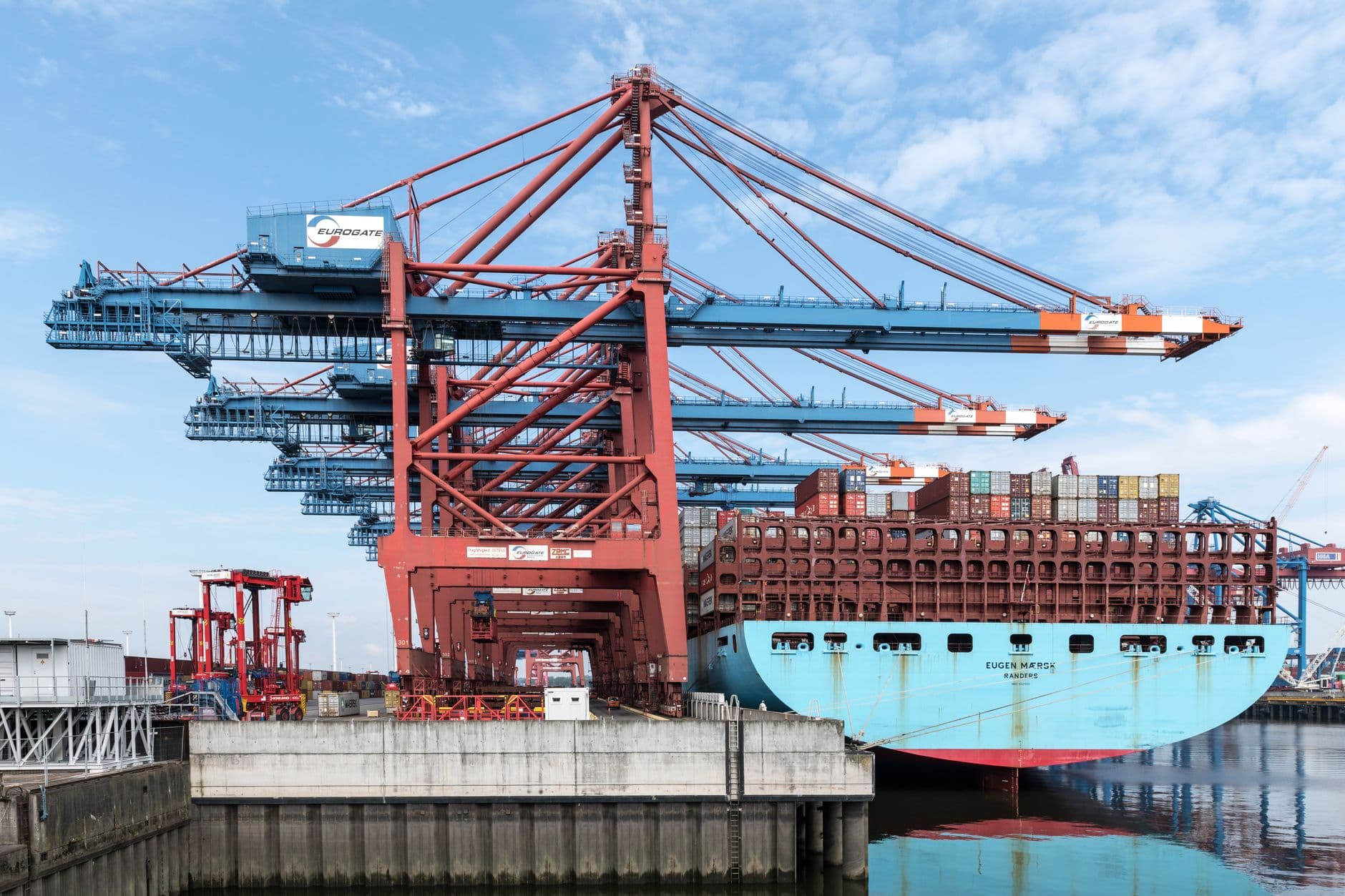

La première fois que j'ai vu un conteneur complet de 40 pieds être déchargé d'un navire dans un terminal européen, ce n'était ni la douane ni la cargaison. La réservation n'avait pas de masse brute vérifiée (VGM) au dossier avant la date limite du transporteur, donc l'opérateur de grue l'a tout simplement ignoré. Cette boîte est restée là pendant une semaine de plus. Si vous exportez du fret maritime en conteneur complet, voici la règle que j'aimerais que chaque nouvel expéditeur apprenne dès le premier jour : **un conteneur chargé sans VGM soumis ne sera pas chargé, et l'expéditeur nommé sur le connaissement assume cette obligation même lorsque quelqu'un d'autre gère la bascule.**
Je réserve des conteneurs pour des clients sur GetTransport.com, et je constate que les mêmes erreurs de VGM coûtent cher à quai. Ce guide explique ce qu'est réellement la masse brute vérifiée, d'où vient la loi, qui en assume la responsabilité, les deux méthodes de pesage, et comment nous évitons que les réservations soient rejetées. Je l'ai mis à jour pour 2026.
Ce qu'est réellement la masse brute vérifiée
La masse brute vérifiée, ou VGM, est le poids d'un conteneur d'exportation emballé et scellé dans son état prêt à être expédié. Ce n'est pas le poids de votre seule cargaison. Elle regroupe tout ce que la grue est sur le point de soulever du sol.
- Le fret que vous avez chargé.
- Tous les emballages, palettes, calages et bois de calage utilisés pour arrimer cette cargaison.
- Le poids à vide du contenant lui-même.
Additionnez-les et vous obtenez le nombre dont le planificateur de navire a besoin. Pourquoi l'équipage du navire s'en soucie-t-il autant ? Parce que le logiciel d'arrimage construit le plan de chargement autour des poids déclarés. Si une boîte lourde est mal étiquetée comme légère, elle peut finir par être empilée dans le mauvais niveau, ce qui affecte la stabilité du navire et les charges de pile sous le pont. La sous-déclaration a été liée à des piles effondrées et à des conteneurs perdus par-dessus bord, et c'est la lacune de sécurité que la règle a été écrite pour combler.
La base légale : Chapitre VI, Règlement 2 de la convention SOLAS
Le VGM n'est pas une préférence de transporteur ni une particularité de terminal. Il s'agit du droit international. L'Organisation Maritime Internationale a modifié la Convention sur la Sûreté des Vies Humaines en Mer (SOLAS), et cette exigence figure au chapitre VI, règlement 2, de la SOLAS, concernant les informations sur les cargaisons. Elle est entrée en vigueur le 1er juillet 2016 et s'applique depuis cette date à tous les conteneurs d'exportation chargés dans le monde entier.
Parallèlement au texte du traité, l'OMI a publié des directives opérationnelles dans la circulaire MSC.1/Circ.1475. C'est dans cette circulaire que sont exposées les deux méthodes de pesage autorisées, et c'est sur elle que s'appuient les administrations maritimes nationales pour rédiger leurs règles locales. La convention SOLAS fixe le cadre. Chaque État du pavillon et État du port la met ensuite en œuvre par le biais de la réglementation intérieure, ce qui explique pourquoi certains détails pratiques changent lorsque l'on franchit une frontière.
Un point qui égare les gens : la convention SOLAS s'applique au navire et au voyage international, donc l'obligation du VGM s'attache une fois qu'un conteneur est emballé pour le transport maritime. Le transport routier national avant le port, y compris le déménagement de transit depuis votre entrepôt ou un dépôt intérieur, n'est pas lui-même régi par le VGM de la convention SOLAS. Le poids doit cependant toujours être correct, car ce même chiffre accompagne le conteneur sur le navire.
Qui est légalement responsable du VGM
C'est la partie que je répète à presque tous les appels. La partie légalement responsable de la détermination et de la soumission de la VGM est l'expéditeur nommé sur le connaissement du transporteur maritime. Pas le transporteur routier. Pas le terminal. Pas l'entrepôt qui a rempli le conteneur.
Déléguer la pesée physique est tout à fait acceptable. De nombreux clients font appel à un entrepôt tiers, à une station d'emballage ou à un opérateur de pont-bascule pour effectuer la mesure réelle. C'est bien. La responsabilité est la partie qui ne change jamais de mains. Si le nombre est erroné ou manquant, le régulateur examine le nom dans la case de l'expéditeur sur le connaissement. Étant donné que le connaissement est le document qui fixe cette responsabilité, il est utile de bien comprendre comment fonctionnent les différents types de connaissement avant d'en signer un.
Une petite note pour les transitaires qui lisent ceci. Si vous émettez un connaissement de maison en tant que transporteur contractuel, vous pouvez vous retrouver comme expéditeur enregistré sur le connaissement principal, et l'obligation VGM peut vous incomber. Vérifiez quel nom se trouve où avant le chargement du navire.
Les deux méthodes autorisées
Le MSC.1/Circ.1475 permet exactement deux façons d'arriver à un chiffre vérifié. L'estimation à l'œil nu ou la réutilisation du numéro de la dernière expédition ne sont pas des options.
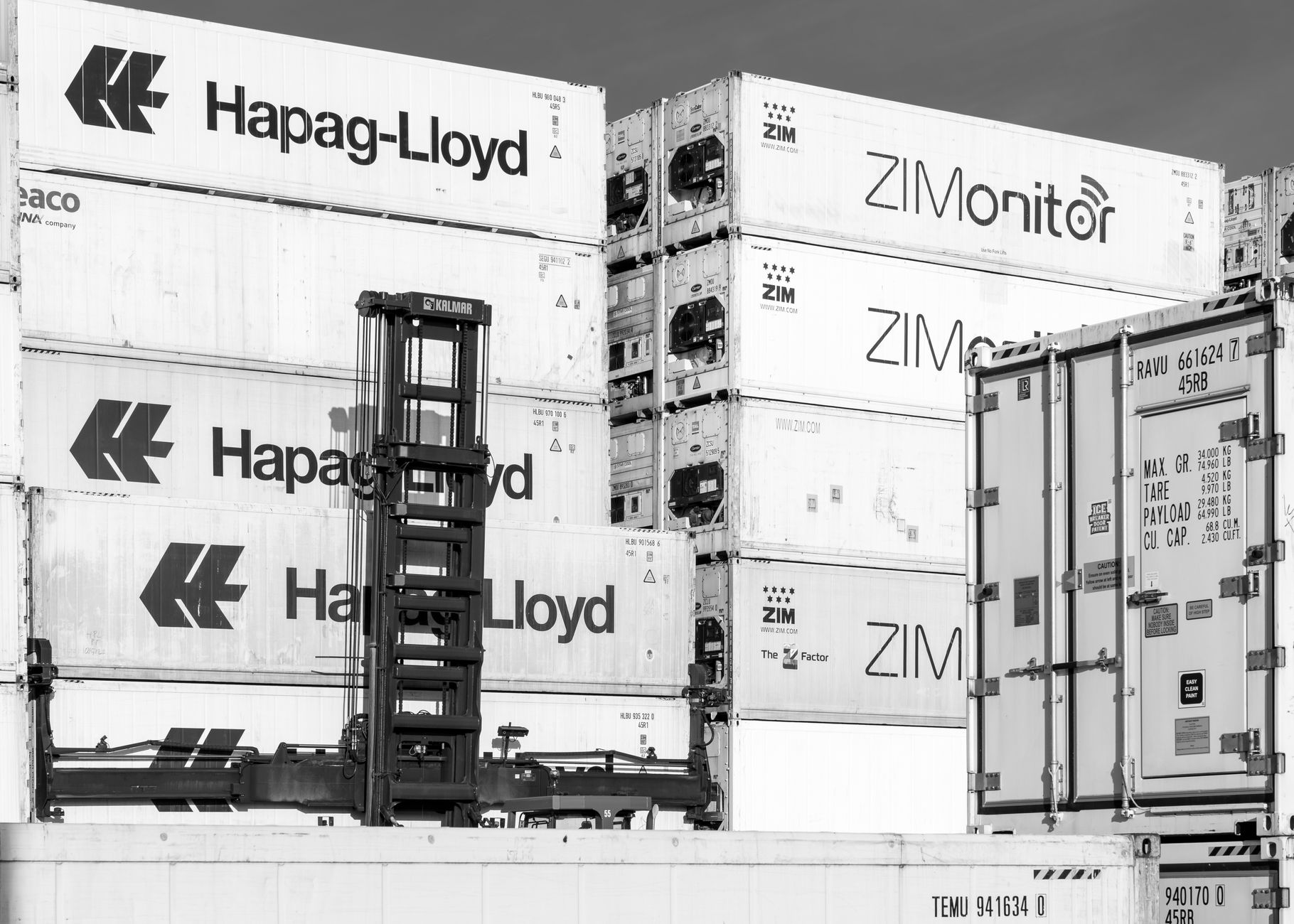
Méthode 1 : peser le conteneur plein entier
La méthode 1 signifie que vous emballez et scellez le conteneur, puis placez la boîte entière chargée sur un équipement de pesage calibré et certifié. Un pont-bascule fait cela très bien. La lecture de la balance est votre VGM, complète, sans rien à ajouter. C'est la méthode la plus simple pour les chargements de produits denses en une seule marchandise où il est facile de faire rouler la boîte sur un pont-bascule.
Méthode 2 : peser le contenu, puis ajouter le tare
La méthode 2 vous permet de peser chaque article qui entre. Vous comptez la cargaison, puis tous les matériaux d'emballage et de fixation qui l'accompagnent, et vous ajoutez le poids à vide du conteneur. Où trouver le poids à vide ? Il est estampillé sur la plaque CSC, la plaque métallique d'approbation de sécurité fixée sur la porte du conteneur en vertu de la Convention sur les conteneurs de 1972, et il est généralement également inscrit au pochoir sur la porte. Un conteneur standard de 20 pieds pèse environ 2 200 à 2 400 kg à vide, un conteneur standard de 40 pieds environ 3 750 kg, et un conteneur high cube de 40 pieds près de 3 900 kg.
Voici le piège qui prend les gens. La méthode 2 nécessite généralement l'approbation ou l'enregistrement de l'autorité nationale du pays d'emballage. Additionner quelques poids par soi-même et appeler le résultat vérifié ne fonctionnera pas. L'autorité compétente de cet État doit sanctionner la méthode et le processus qui la sous-tend. Dans plusieurs pays, la méthode 2 n'est acceptée que des opérateurs qui ont enregistré leur procédure de pesée.
| Aspect | Méthode 1 | Méthode 2 |
| Quel est votre poids | Le conteneur entier, emballé et scellé, en une seule fois | Chaque contenu individuellement, puis ajouter le poids à vide du conteneur de la plaque CSC |
| Équipement | Pont-bascule ou balance calibré, certifié | Balances calibrés pour chaque article, plus tare vérifiée |
| Approbation de l'autorité nationale | Généralement non requis au-delà de la certification de l'équipement | Nécessite généralement l'approbation de l'autorité ou l'enregistrement de la méthode |
| Meilleur ajustement | Charges unitaires denses, accès facile à la bascule | Consolidations mixtes où le poids de chaque élément est déjà connu |
| Risque principal | Accès à la bascule et temps d'attente avant la clôture | Article manquant ou utilisation d'une tare obsolète |
Quelle que soit la méthode utilisée, l'équipement doit être calibré et certifié selon la norme établie par le pays où la pesée a lieu. Une balance de salle de bain dans le coin d'un entrepôt ne suffit pas.
Comment et quand le VGM est soumis
Déterminer le poids n'est que la moitié du travail. Ce chiffre vérifié doit ensuite parvenir au transporteur maritime et au terminal avant la date limite de VGM du transporteur. Si vous manquez la date limite, la boîte ne sera pas chargée, point final. Le jargon de l'industrie est clair : pas de VGM, pas de chargement. Certains opérateurs disent que sans VGM, pas d'arrimage.
Le canal de soumission est votre choix, et les transporteurs en acceptent plusieurs.
- En tant que champ de données dans vos instructions d'expédition au transporteur.
- Via le portail web du transporteur ou sa plateforme d'expédition.
- Par EDI, en utilisant le message VERMAS que le groupe de normes SMDG a publié spécifiquement pour transporter les données VGM entre l'expéditeur et le transporteur.
Le délai de soumission pour le VGM est distinct des autres délais de documentation et il est généralement plus précoce. D'après notre expérience, il se situe entre 24 et 72 heures avant l'arrivée du navire, et il est souvent quelques heures avant le délai standard pour les instructions d'expédition. J'ai vu des expéditeurs respecter confortablement le délai de soumission des documents, mais manquer le créneau du VGM parce qu'ils les traitaient comme la même échéance. Ils ne le sont pas.
Chaque soumission nécessite le même ensemble de données de base. Le chiffre VGM avec son unité, le numéro du conteneur, le nom de l'expéditeur tel qu'il apparaît sur le connaissement, la référence de réservation et la méthode utilisée pour peser, parfois avec la partie responsable et le signataire autorisé. Les transporteurs rejettent chaque jour des VGM dont le numéro de conteneur est manquant ou incohérent ; par conséquent, relisez attentivement ce champ.
Les tolérances, les poids erronés et les pénalités
SOLAS lui-même ne publie pas de tolérance numérique. Il attend un chiffre précis et vérifié. Les administrations nationales varient dans la manière dont elles traitent les petites divergences. Certaines publient une marge autorisée. L'Agence maritime et de la garde côtière du Royaume-Uni, par exemple, applique une tolérance d'application de 5 % ou 500 kg, le montant le plus élevé des deux, dans des circonstances définies, tandis que d'autres administrations attendent que le poids déclaré corresponde au poids réel sans aucune marge. Ne présumez pas qu'une marge existe à votre port de chargement. Confirmez-la, et notez que plusieurs administrations ont resserré plutôt que relâché, un certain nombre d'entre elles concernant particulièrement les approbations de méthode 2.
Lorsque les VGM sont en retard, manquantes ou erronées, les coûts s'accumulent rapidement et sont presque toujours à la charge de l'expéditeur.
- Report à la voile suivante. Le conteneur manque sa navigation réservée et attend le prochain navire disponible, ce qui, sur certaines routes, peut signifier une semaine ou plus.
- Stockage et surestaries. Une boîte bloquée au terminal accumule des frais pendant qu'elle est immobile.
- Frais de re-pesage. Si le terminal doit peser le conteneur pour produire un chiffre, ce service est refacturé, et il est rarement bon marché.
- Sanctions financières. Lorsqu’une autorité nationale considère une déclaration matériellement fausse comme une infraction réglementaire, des amendes peuvent suivre, et les récidivistes font l’objet d’une surveillance accrue.
Les transporteurs ont également affiné leur propre économie de VGM en 2026, indépendamment de toute pénalité gouvernementale. Maersk a déplacé ses frais de discrepancy de poids au stade de la coupure à partir du 7 mai 2026, les appliquant lorsque le VGM et le poids déclaré dans l'instruction d'expédition divergent de plus de 3 000 kg pour les équipements standard secs et réfrigérés, et a ajouté une alerte de pré-notification qui signale une discordance avant la date limite afin que vous puissiez la corriger. Des surcharges basées sur le poids sont également apparues. Maersk a appliqué une surcharge pour charges lourdes sur ses liaisons Extrême-Orient vers Europe pour les unités de 20 pieds dont le VGM dépasse 25 tonnes à partir de fin mai 2026, tandis que CMA CGM applique une surcharge pour surpoids sur les conteneurs secs lourds de 20 pieds, par exemple à partir de 20 tonnes sur la voie Asie vers Europe du Nord. Vérifiez le tarif en direct de votre transporteur et de votre voie commerciale avant de deviser un client, car ces seuils et frais évoluent.
La congestion multiplie tout cela. Chez ports à conteneurs les plus actifs du monde, un conteneur roulé ne se contente pas d'attendre son tour dans une cour tranquille. Il se dispute l'espace et l'équipement avec des milliers d'autres, et l'horloge de stockage ne s'arrête pas. Un cas me brûle encore. Un client a envoyé son VGM environ 40 minutes après la date limite du transporteur, certain que 40 minutes ne pouvaient pas faire de différence. Le planificateur avait déjà clôturé le plan d'arrimage. Le conteneur a été reporté au prochain départ, quatre jours plus tard. Au moment où nous l'avons dédouané, la facture des frais accessoires avait grimpé à quatre chiffres. Le stockage a fait le plus gros des dégâts. Des frais de re-pesage du terminal et un repositionnement de châssis ont achevé le travail, et chaque centime est resté à la charge de l'expéditeur.
Comment éviter que les clients ne manquent la date limite pour la VGm
La plupart des réservations annulées que je vois auraient pu être évitées grâce à un calendrier et une liste de contrôle. Voici la routine que nous suivons du côté du marché pour qu'une réservation ne soit pas annulée au terminal.
Nous épinglons d'abord la date limite VGM, avant même de confirmer le transport routier. La date limite VGM du transporteur devient la date de référence, et le créneau de conditionnement et de pesage est planifié pour arriver avant celle-ci, avec une marge de sécurité. Nous traitons la date limite de documentation et la date limite VGM comme deux dates limites distinctes, car elles le sont.
Nous confirmons la méthode de pesée avec l'installation de chargement à l'avance. Si un client souhaite la méthode 2, nous vérifions que le site d'emballage détient effectivement l'enregistrement de l'autorité nationale pour celle-ci, plutôt que de découvrir à la dernière minute que seule la méthode 1 y est acceptée. Nous vérifions le poids à vide par rapport à la plaque CSC, et non par rapport à une feuille de calcul qui pourrait dater de plusieurs années.
Nous soumettons tôt et obtenons l'accusé de réception du transporteur. Un VGM dans votre boîte d'envoi n'est pas un VGM soumis. Nous attendons que le transporteur l'accepte, et nous revérifions le numéro de conteneur dans la confirmation. Ceci est encore plus important lorsque l'exportation est sensible au facteur temps en aval, par exemple lorsqu'un départ retardé repousse tout le calendrier de dédouanement et que vous comptez sur combien de temps prend le dédouanement à destination.
Rien de tout cela n'est glamour. Si vous retenez une habitude de cette page pour votre prochaine réservation, faites-en celle-ci. L'erreur qui coche plus de cases que n'importe quel défaut de pont-bascule est un VGM qui sort après la date limite, ou un qui arrive avec un chiffre erroné dans le numéro de conteneur. Nous travaillons donc à rebours à partir de la date limite du transporteur et soumettons la veille, jamais le matin même. Ensuite, nous attendons le message d'acceptation et vérifions le numéro de conteneur par rapport à la réservation. Mettez la date limite du VGM dans votre calendrier avant la date limite des documents, et traitez-la comme l'heure à laquelle le navire quitte réellement. La paperasse peut suivre le conteneur. Le poids, pas.
Foire aux questions
Le VGM s'applique-t-il à chaque expédition maritime ?
Il s'applique aux conteneurs emballés chargés sur un navire pour le transport international dans le cadre de la convention SOLAS. Cela couvre les boîtes d'exportation en chargement complet par conteneur expédiées par voie maritime. Le fret en vrac, non conteneurisé et roulier n'est pas soumis à l'exigence de masse brute vérifiée (VGM) pour les conteneurs, bien que d'autres règles d'information sur la cargaison puissent toujours s'appliquer.
Mon transitaire peut-il soumettre la VGM pour moi ?
Oui, un transitaire ou un tiers peut peser et transmettre le chiffre en votre nom. La responsabilité légale elle-même ne se transfère pas. L'expéditeur nommé sur le connaissement demeure responsable de l'exactitude du poids déclaré, alors choisissez un partenaire qui s'en acquitte correctement.
Que se passe-t-il si je soumets le VGM après la date limite ?
Le conteneur manquera très probablement son navire réservé. Les VGM tardives signifient que la boîte n'était pas dans le plan d'arrimage lorsque le planificateur l'a établi, elle attend donc un départ ultérieur. Tous les frais de stockage, de report et de rechargement qui en découlent sont alors à votre charge.
Où puis-je trouver le poids à vide du conteneur pour la méthode 2 ?
Sur la plaque CSC fixée sur la porte du conteneur, et généralement peinte sur la porte à côté de la masse brute maximale, qui pour une boîte standard de 20 ou 40 pieds est de 30 480 kg. Utilisez le chiffre de la plaque pour ce conteneur spécifique, car le tara varie entre les fabrications même au sein de la même classe de taille.
Y a-t-il une marge d'erreur autorisée sur le poids déclaré ?
La SOLAS n'en fixe pas. Quelques administrations nationales autorisent une petite tolérance, parfois autour de 5 %, tandis que d'autres exigent une correspondance exacte. La marge dépendant entièrement du pays du port de chargement, vérifiez la règle locale avant de vous fier à une quelconque marge.
Quelle est la différence entre le VGM et le poids à vide ?
La tare est le poids du conteneur vide seul. Le VGM est le poids total emballé, c'est donc la tare plus tout ce qui se trouve à l'intérieur, y compris la cargaison et tout le matériel de fixation. Le chiffre de la tare est ce qui complète un calcul de la méthode 2, mais à lui seul, la tare n'est jamais le VGM.