


 Français
  English (UK)
  Русский
  العربية
  日本語
日本語  한국어
한국어  Magyar
  Türkçe
  Español
  Čeština
  Svenska
  Português
  Ελληνικά
  Suomi
Suomi  Nederlands
  Română
  Italiano
  Polski
  Українська
  Deutsch
  简体中文
简体中文  Slovenčina
 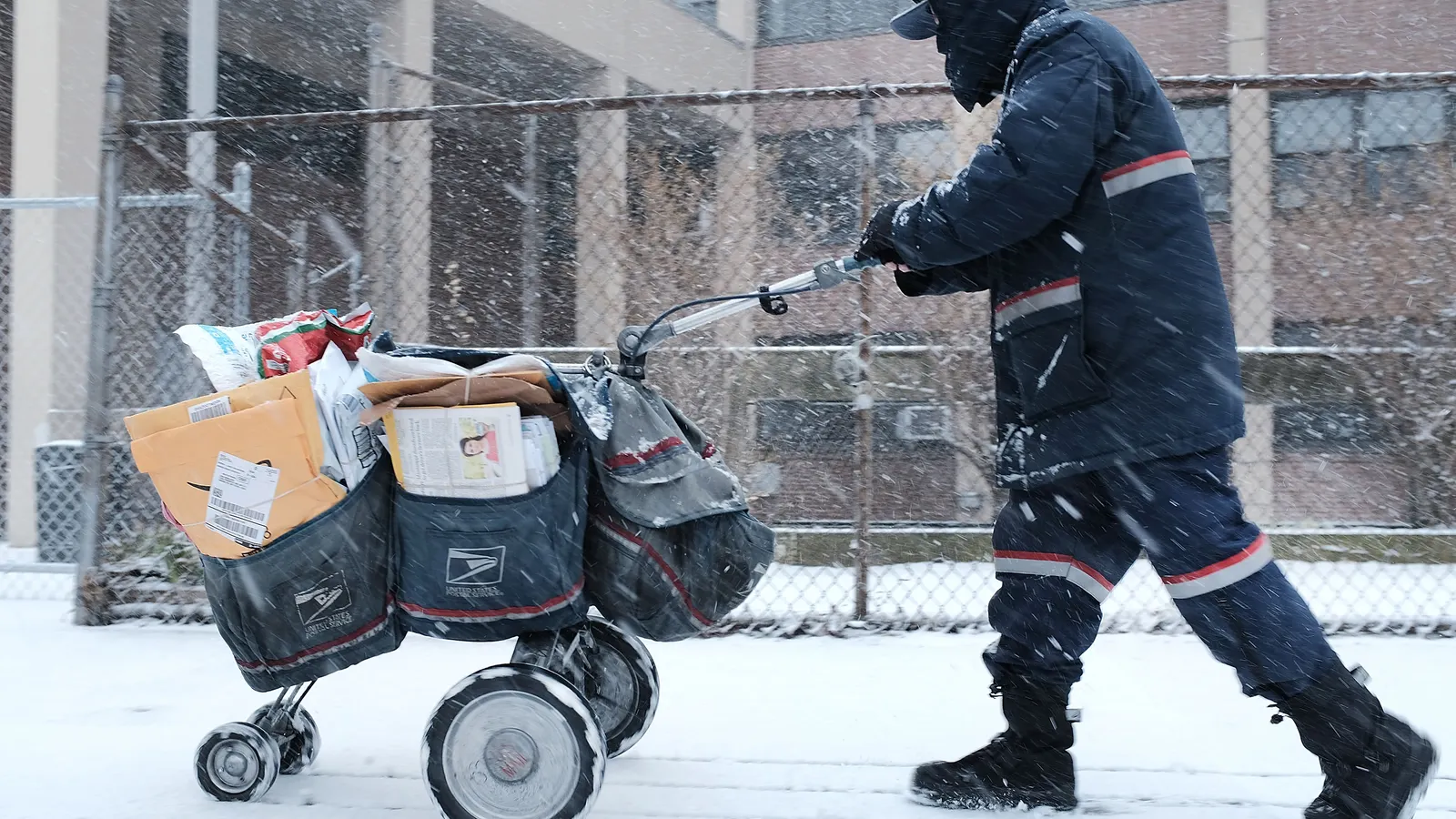 USPS Broadens Last-Mile Delivery Partnerships to Boost Shipments and Retail Reach">

Opening Up the Last Mile: USPS’s New Delivery Vision
The United States Postal Service (USPS) is gearing up to shake things up in the parcel delivery game by inviting more shippers to tap into its first-mile and last-mile networks. Postmaster General David Steiner recently highlighted this strategic shift aimed at expanding USPS’s parcel handling capabilities for a wider array of businesses, large and small.
Expanding Beyond Traditional Partnerships
USPS has been actively negotiating with major players like UPS and other “similarly situated” companies to collaborate on deliveries, particularly through initiatives like UPS’s Ground Saver product. These talks reflect a commitment not just to maintaining existing partnerships but to carving out new avenues that monetize and better utilize the Postal Service’s vast delivery infrastructure.
The dream? To “open up the last mile” to more retailers seeking reliable same-day and next-day delivery options. Retailers, both big box and boutique, have voiced a strong demand for fast, dependable, and affordable delivery solutions, and USPS appears poised to answer that call.
A Strategic Pivot in Network Utilization
This move marks a notable shift from previous USPS approaches under former leadership. Earlier, the agency had encouraged consolidators to drop parcels just short of the delivery endpoint, leaving the middle-mile work to partners like UPS. However, this led UPS to pull back from certain USPS-dependent services.
Now, with Steiner at the wheel, USPS is embracing a more inclusive and expansive model. By enabling a broader suite of shippers direct access to its delivery network, USPS expects to increase parcel volume flow through its entire system, boosting revenue and efficiency simultaneously.
The USPS Advantage: Unmatched Reach Meets Growing Demand
USPS’s strength lies in its unrivaled ability to reach every U.S. address six days a week. Despite some hiccups during network overhauls, its last-mile delivery performance remains impressively strong. This capability positions the agency uniquely in the logistics ecosystem, especially as consumer expectations for delivery speed climb higher.
Leveraging Facilities for More Than Just Delivery
Beyond parcel drop-offs and deliveries, USPS is eyeing its vast infrastructure of over 33,000 retail and processing facilities as hubs for handling returns, making it possibly the most convenient returns facilitator in America. This could be a game-changer for retailers and customers alike, streamlining the often cumbersome process of returning goods.
| USPS Strengths | Potential Business Benefits |
|---|---|
| Nationwide address coverage, 6 days a week | Consistent reliable delivery |
| Strong last-mile performance scores | Customer satisfaction with timely deliveries |
| 33,000+ facilities for first-mile operations | Efficient parcel acceptance and returns management |
| Expanding partnerships with shippers | Increased shipment volumes and revenue |
First-Mile and Last-Mile: The Heartbeat of Delivery Logistics
It’s no secret that the first and last mile are the trickiest and costliest legs in any shipment journey. By opening these parts of the network, USPS isn’t just offering more routes; it’s potentially redefining how cargo is collected, moved, and dropped off near or at final destinations. This can simplify complex logistics chains, reduce haulage times, and even drive down costs for businesses and consumers.
For the logistics sector, these developments resonate beyond just volume. They hint at a growing trend where public postal systems and private forwarders collaborate to optimize distribution and courier networks—offering more flexibility and resilience in shipping operations worldwide.
The Broader Impact on Retailers and Shippers
Retailers now want their products to move at the speed of their customers’ expectations, and USPS is leaning into this shift head-first. By engaging with multiple partners and shippers, the Postal Service can cater to a variety of distribution needs—whether it’s local boutique shops sending out parcels or large retailers striving for same-day delivery in dense urban centers.
This inclusive approach also democratizes access to efficient shipping, making it easier for smaller players to participate in a market long dominated by a few giants. The upshot? Increased shipping competition, better prices, and enhanced delivery options for end customers.
The Bottom Line: Why This Matters in Logistics
At its core, USPS’s plan to open the last mile is a call to leverage underutilized assets in a smart, profitable way. More access for shippers can lead to higher cargo flows, more streamlined freight dispatch, and fewer bottlenecks in urban delivery networks. For logistics professionals and freight planners, this means a new set of tools to solve the ever-present ‘last mile dilemma.’
USPS’s Market Potential and Limitations
While the initiative presents exciting possibilities, it’s worth noting that the global logistics impact may be more modest given USPS’s U.S.-centric delivery footprint. Nevertheless, this is highly relevant domestically and worth tracking closely, especially for shippers who want to stretch their logistics budget without sacrificing reliability.
The devil is always in the details, and while USPS’s new direction holds promise, nothing beats getting out there and seeing how it performs in real-world operations. On platforms like GetTransport.com, shippers can weigh real options, find affordable solutions, and test delivery services firsthand—making decisions that don’t break the bank or fall short of expectations.
The key benefits of using GetTransport.com include convenience, an extensive network of carriers, and transparent pricing—all aligning perfectly with USPS’s drive for better network utilization and broader shipper access. Book your Ride on GetTransport.com and tap into cost-effective, reliable cargo transport wherever you need it.
Summary: USPS Innovates to Enhance Parcel Delivery Network
The U.S. Postal Service is opening its first-mile and last-mile services to a wider range of shippers, negotiating partnerships that could improve delivery speed, accessibility, and affordability. This transition reflects a strategic pivot toward maximizing USPS’s delivery reach and infrastructure, expanding beyond its traditional customer base. By enabling retailers and shippers to tap directly into its vast network, USPS is poised to increase parcel volume, streamline logistics operations, and enhance last-mile efficiency. Retailers benefit from faster delivery options while USPS leverages its unmatched address coverage and robust facility footprint.
From a logistics standpoint, this shift could ease last-mile congestion, optimize parcel routing, and introduce new competitive dynamics to the shipping market. Platforms like GetTransport.com complement these advances by providing businesses and individuals with accessible, global, and affordable transport solutions for a wide variety of freight—whether parcels, pallets, bulky goods, or full-scale relocations. By bringing transparency and versatility to freight dispatch, GetTransport.com and USPS together are simplifying the complex world of shipment, delivery, and haulage for everyone involved.