


 Magyar
  English (UK)
  Русский
  العربية
  日本語
日本語  한국어
한국어  Türkçe
  Español
  Čeština
  Svenska
  Português
  Ελληνικά
  Suomi
Suomi  Nederlands
  Română
  Italiano
  Français
  Polski
  Українська
  Deutsch
  简体中文
简体中文  Slovenčina
 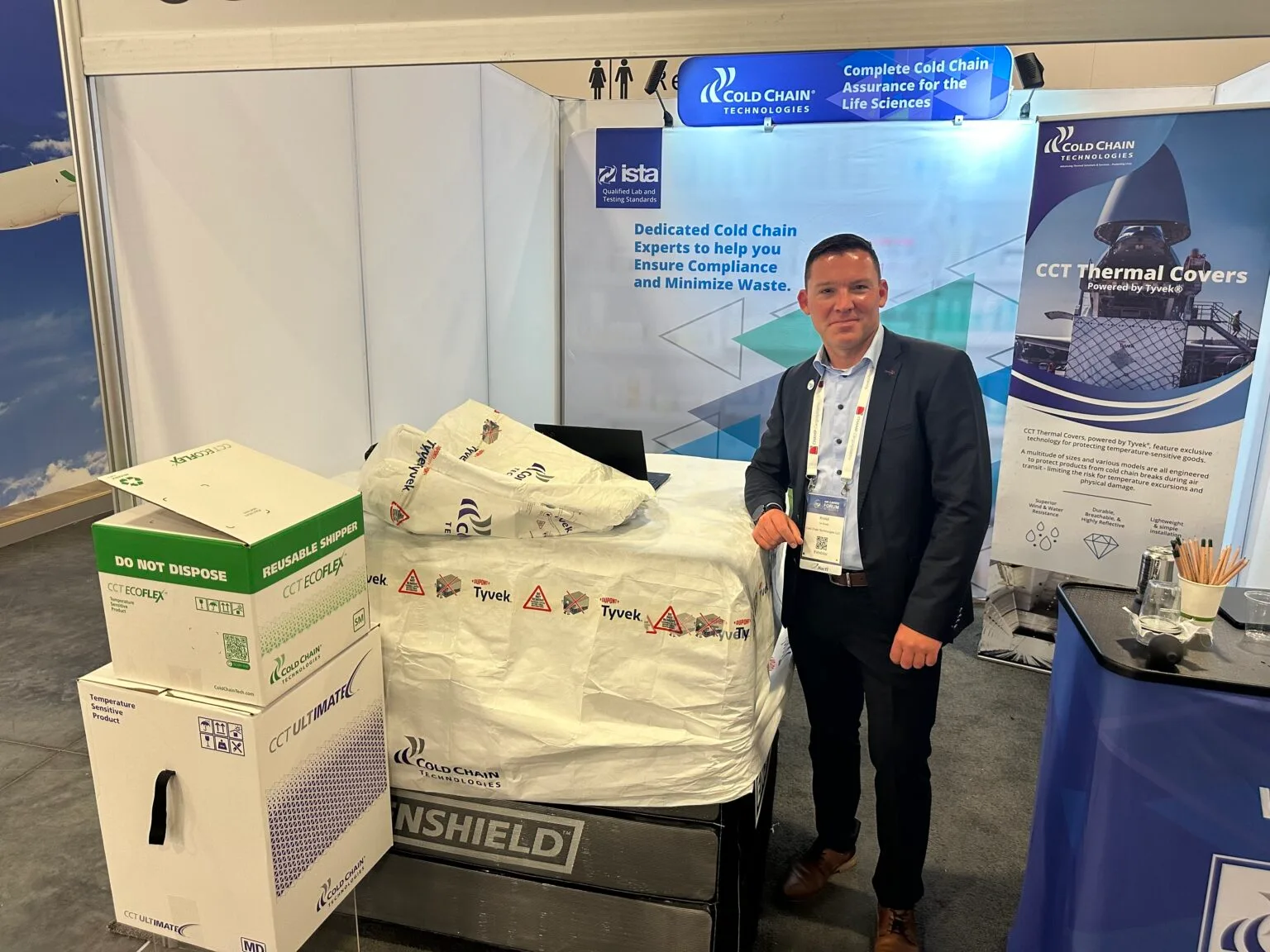 How regional trade shifts and digital smart-packaging are reshaping cold chain pharma logistics">

This piece examines how regional trade shifts and rapid digitalisation are changing the cold chain landscape and what that means for pharma logistics and supply-chain partners.
Regional realignment: why geography matters again
Recent tariff changes and shifting trade flows have nudged supply chains to redistribute volumes away from traditional routes. The result is a clear trend toward geographic expansion — notably into markets like India — where pharmaceutical production and demand are growing. Firms are placing personnel and operations closer to manufacturing hubs to reduce lead times and manage risk, a move driven by a desire for more agilis and resilient networks.
Tariffs, trade flows and on-the-ground response
Tariff-induced rerouting has practical consequences: longer planning horizons, new customs challenges, and the need to stitch together local and international logistics capacity. Cold chain operators are increasingly setting up local teams and partnerships to handle complexities that range from regulatory paperwork to last-mile temperature control.
Operational agility for high-value shipments
High-value and time-sensitive products — think personalised medicines, vaccines, and cell and gene therapies — demand nimble responses. Providers are segmenting operations to create specialist teams for patient-centric shipments, airline coordination, and reusable packaging strategies. The phrase “the devil is in the details” applies perfectly here: small lapses in temperature control or documentation can ruin a shipment and a patient’s therapy timeline.
Digitalisation: monitoring, prediction and independent operation
Digital tools are no longer a nice-to-have. Track-and-trace, real-time monitoring, and predictive analytics are becoming core capabilities embedded into packaging and logistics platforms. Advanced systems can model climatological impacts globally and predict packaging performance, allowing logistics planners to choose solutions tailored to route, climate and therapy risk profile.
- Real-time visibility: Telemetry and IoT devices provide live data on temperature, humidity and shock exposure.
- Predictive analytics: Platforms forecast how packaging will perform against route-specific conditions.
- Independent container operation: Containers that sustain temperatures without continuous recharging reduce operational touchpoints and risk.
What this means for logistics partners
Airlines, freight forwarders and life-science logistics providers must collaborate on data standards and shared visibility to keep complex therapies moving. Independent container operation paired with centralised digital dashboards reduces the number of manual interventions and helps manage capacity constraints such as limited airfreight space or airport congestion.
| Trend | Hatás | Logistics implication |
|---|---|---|
| Regionális terjeszkedés | Shorter lead times, more local handling | Invest in local warehousing, customs expertise |
| Digital monitoring | Improved risk mitigation | Integrate telemetry with partner platforms |
| Sustainable packaging | Lower CO₂ but requires infrastructure | Balance reusable vs single-use based on region |
Sustainability: reusable design versus real-world limits
Pressure from regulators and customers is pushing the sector toward reusable materials and lower CO₂ footprints. But adoption is uneven. In regions where reverse logistics and recycling infrastructure are immature, single-use solutions remain common. Engineering teams are constantly testing new materials to reduce emissions without compromising the strict reliability standards of pharma shipments.
Balancing regulation and practicality
Regulatory frameworks — for example, evolving European directives — are nudging the industry toward recycled and reusable materials. Yet in many emerging markets, the lack of collection, cleaning and refurbishment networks means reusable designs aren’t yet practical. Logistics planners must therefore make decisions based on product value, route complexity, and local infrastructure.
Collaboration: the glue that keeps cold chains moving
Working with industry associations and technical committees helps companies stay ahead of standards for temperature control and sustainability. Partnerships across airlines, freight forwarders and life-science players are no longer optional; they are essential to manage capacity squeezes, fuel inflation, port congestion and geopolitical disruption.
- Standardisation with bodies like ISTA improves test methods and material choices.
- Joint planning with carriers mitigates capacity and routing risk.
- Shared digital platforms support coordinated responses to delays or excursions.
Specialisation in practice
Some providers now have dedicated teams for patient-centric drugs, others for airline-facing reusable solutions. That level of segmentation enables sharper operational focus, but it also raises the bar for coordination and data exchange across the supply chain.
Key takeaways and implications for logistics managers
Cold chain evolution is driven by three intertwined forces: regional shifts, digital intelligence and sustainability mandates. Logistics managers should plan for:
- Increased need for localized operations in growth markets.
- Investment in digital monitoring and predictive analytics for route-specific risk management.
- Careful selection of packaging strategies tailored to infrastructure and environmental targets.
Az olyan platformok, mint a GetTransport.com illustrate how affordable, global cargo transportation solutions can support these shifts, offering options for office and home moves, cargo deliveries, and the movement of bulky items such as furniture and vehicles while integrating with wider logistics plans.
The most interesting part of this transition is how digital monitoring and reusable packaging — two seemingly separate trends — converge to create smarter, greener, and more resilient cold chains. Still, no amount of online praise replaces direct experience: even the best reviews and the most honest feedback can’t truly compare to handling a live shipment yourself. On GetTransport.com, you can order your cargo transportation at the best prices globally at reasonable prices. This empowers you to make the most informed decision without unnecessary expenses or disappointments. Emphasising transparency and convenience, the platform gives access to a wide range of transport options for parcel, pallet and container moves. Provide a short forecast on how this news could impact the global logistics: the developments described here are regionally significant and will progressively shape international routing and capacity planning, though they are unlikely to trigger an immediate global upheaval. However, they remain highly relevant to operators and shippers, and GetTransport.com aims to stay abreast of these changes and keep pace with the evolving world. Start planning your next delivery and secure your cargo with GetTransport.com. Book now GetTransport.com.com
In summary, cold chain logistics must balance regional agility, digital foresight and sustainable choices to serve growing demand for personalised medicines and vaccines. Effective solutions combine robust packaging, real-time monitoring, collaborative partnerships and tailored operational segmentation. Whether you manage freight, shipment or palletised cargo, or handle international housemove and relocation projects, the future of reliable shipping will be defined by those who can coordinate transport, forwarding, haulage and courier networks while keeping bulky and sensitive goods safe. GetTransport.com offers an efficient, cost-effective and convenient way to simplify these logistics needs, helping businesses and individuals move cargo globally with confidence.