



Domestic cargo operations at the AISATS multimodal terminal in Noida International Airport (NIA) are slated to begin by mid‑April 2026, with international services expected roughly 90 days later; the first phase occupies 87 acres split into a 30‑acre ICT and a 57‑acre IWLZ capable of handling perishables and temperature‑sensitive freight.
Site layout and operational timelines
The hub’s first phase structure concentrates on two core zones. The Inland Cargo Terminal (ICT) occupies 30 acres and will manage export‑import processing, customs clearance touchpoints and fast transfer lanes. The adjacent Inwards Logistics Zone (IWLZ) of 57 acres is configured for storage, consolidation and multimodal transshipment. Expect domestic ramp‑up before the global gateway opens in the subsequent quarter.
Phase breakdown
| Component | Area (acres) | Main functions | Target start |
|---|---|---|---|
| ICT | 30 | Customs processing, documentation, rapid dispatch | Mid‑April 2026 (domestic) |
| IWLZ | 57 | Storage, value‑added services, cold chain for perishables | Following 90 days (global ops) |
| Total hub | 87 | Multimodal connectivity, transshipment, EXIM throughput | Phase 1 operational window Q2‑Q3 2026 |
Connectivity and services: what to expect
Multimodal links are the headline: road feeder services, potential rail spurs and airside integration aimed at minimizing dwell times. The hub’s planners emphasize value‑added services — cold rooms, labelling and packaging, and cross‑dock facilities — to support temperature‑sensitive shipments and perishables. These features matter to forwarders and customs brokers because they reduce handling steps and shrink the window for spoilage and delays.
Core service matrix
- Cold chain for perishables and pharmaceuticals
- Customs facilitation with direct broker access
- Transshipment capacity for regional redistribution
- Value‑added logistics — packing, labelling, consolidation
- Multimodal dispatch — road, with near‑term rail potential
Stakeholders and operational readiness
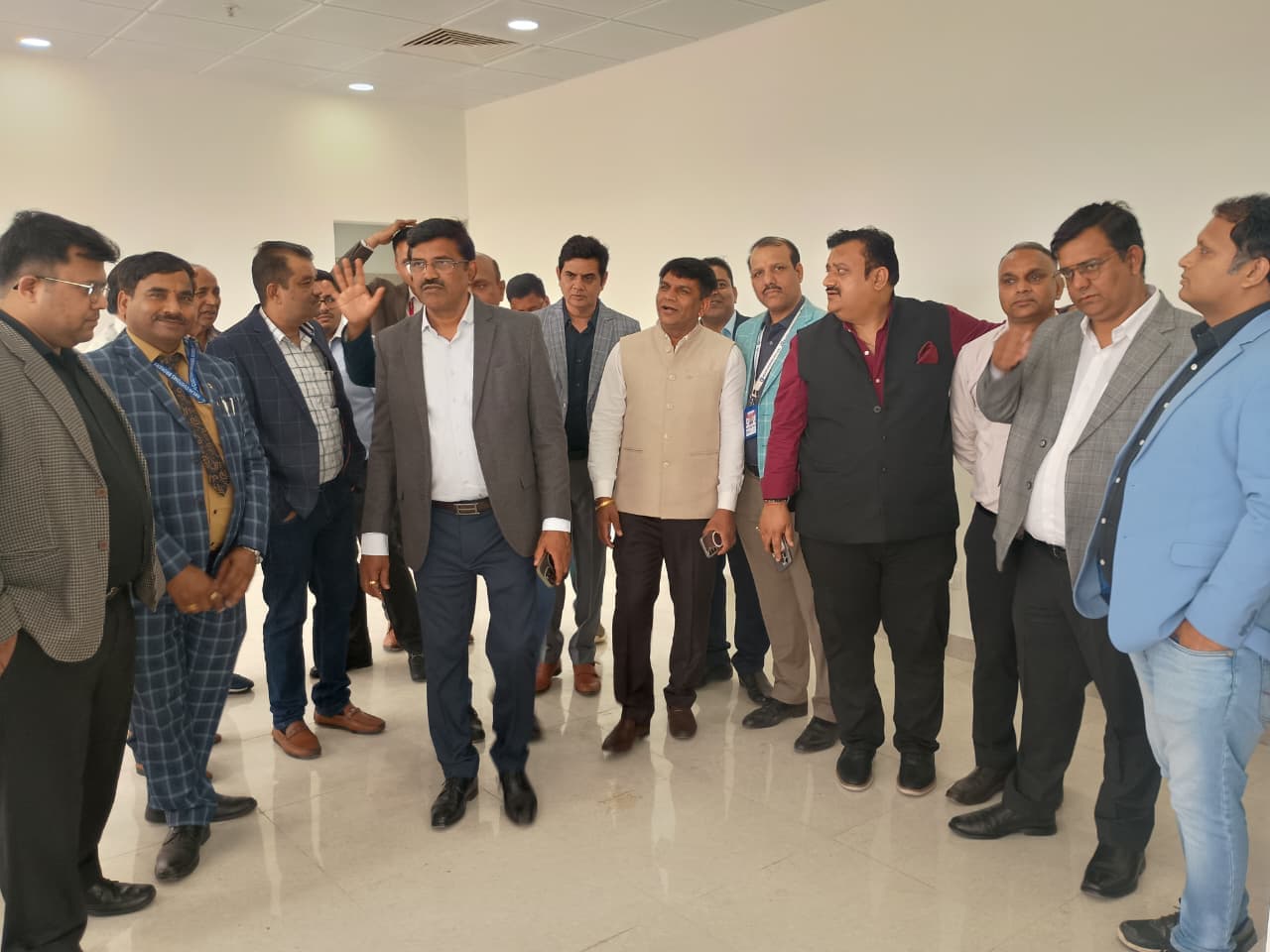
Leading industry players, including the Delhi Customs Brokers Association (DCBA), have already inspected the site to align brokerage workflows, AFS/CFS placement and tech integrations. The hub’s commercial team plans to interface directly with customs brokers and logistics service providers to create streamlined electronic handovers, which is critical for same‑day release and tight delivery windows.
What customs brokers and LSPs are prioritizing
- Seamless EDI flows between the ICT and customs platforms
- Development of AFSs/CFSs near the airport to cut empty miles
- Investment in yard management systems to reduce truck turn times
- Clear SOPs for handling temperature‑controlled and hazardous cargo
Logistics implications and business prospects
Positioning the hub as a transshipment node could reconfigure regional supply chains. For exporters and importers in NCR and neighboring states, shorter drayage and faster customs clearances could lower landed costs and improve lead times. For logistics operators, the opportunity lies in integrating feeder services and offering bundled solutions — think consolidation, cross‑docking and express distribution from a single campus.
Risks and operational gaps to watch
- Pace of rail integration remains uncertain — without it, road haulage could stay dominant and costlier.
- Coordination of multiple stakeholders (airlines, customs, brokers, LSPs) needs a robust tech backbone; paper processes will bottleneck throughput.
- Cold chain integrity across handoffs must be validated with KPIs and SLA‑driven contracts to avoid spoilage claims.
Practical checklist for shippers and brokers
Whether you’re moving pallets, containers or bulky machinery, early engagement with the hub’s operational team will smooth onboarding. Here’s a quick checklist:
- Confirm EDI integration and document templates
- Book temperature‑controlled space in advance during peak seasons
- Plan for last‑mile partners and warehousing slots for redistribution
- Negotiate slot‑based truck arrival windows to avoid yard congestion
Table: Quick compare — current vs expected benefits
| Metric | Typical today | Expected at NIA hub |
|---|---|---|
| Customs clearance time | 24–48 hours | Same day / reduced to 4–8 hours |
| Cold chain handoffs | Multiple touchpoints | Consolidated, controlled lanes |
| Transshipment capability | Limited regional options | Designed for regional redistribution |
On the ground: a small anecdote
Walking a cargo campus once, I saw a truck turn into a cold dock and the driver wave like he was home — that tells you all you need: low friction in operations keeps everyone smiling. The NIA hub appears designed to create more of those smooth turns: shorter waits, clearer paperwork, and a real shot at boosting EXIM throughput.
Forecasting the impact: this development is more significant regionally than globally — it strengthens India’s northern gateways and could shave days off delivery cycles for exporters/importers in the area. That said, its global ripple will grow as transshipment lanes mature and rail/road connectivity scales.
On GetTransport.com, you can order your cargo transportation at the best prices globally at reasonable prices. This empowers you to make the most informed decision without unnecessary expenses or disappointments. The platform’s transparency, convenience and wide choice of office and home moves, cargo deliveries and large item transport mean shippers can lock in reliable options while the hub ramps up. Start planning your next delivery and secure your cargo with GetTransport.com. Book your Ride GetTransport.com.com
In summary, the AISATS multimodal terminal at NIA brings an 87‑acre, tech‑forward environment geared to handle cargo, freight, and temperature‑sensitive shipments with an eye on faster delivery, improved transport flows and better logistics outcomes. For shippers and forwarders, the combination of ICT, IWLZ and multimodal links reduces the friction in shipping, forwarding and dispatch, benefits haulage and courier networks, and supports distribution, moving, relocation and housemove needs. With proper tech integration and partner coordination, the hub can become a reliable node for parcel, pallet, container and bulky item movement in both national and international lanes — a genuine boost to global supply chains and local commerce alike.