


 Magyar
  English (UK)
  Русский
  العربية
  日本語
日本語  한국어
한국어  Türkçe
  Español
  Čeština
  Svenska
  Português
  Ελληνικά
  Suomi
Suomi  Nederlands
  Română
  Italiano
  Français
  Polski
  Українська
  Deutsch
  简体中文
简体中文  Slovenčina
  The Rise of Autonomous Mobile Robots in Logistics – Insights from Joseph Couto">

Deploy a pilot in a single facility in the north to reduce congestion and deliver assistance effectively; you will see improved throughput and a substantial shift in operations as robots become integrated with existing workflows, supporting them and other staff.
Joseph Couto shows that robotics adoption is expanding across logistics networks, with italy leading pilots in mid-size facilities. In controlled trials, autonomous mobile robots cut congestion by 28-42% in inbound docks and significantly increased throughput in order-picking corridors.
Moreover, teams report that robotic fleets provide steady segítség to human workers, taking over repetitive motions and enabling staff to focus on accuracy and exceptions. The collaboration drives a measurable improvement in order accuracy and worker safety, with incident rates dropping in facilities that adopt coordinated automation.
To deploy effectively, begin with automating inbound docks and high-congestion zones, then expanding to main aisles as you accumulate data. Select modular, navigation-capable robots and connect them to your warehouse management system. When asked by executives for ROI, the data show a payback of 12-18 months and a sustained lift in throughput. This setup reduces manual labor, improves accuracy, and prepares the network for broader expansion.
Moreover, governance should track key metrics such as cycle time, congestion index, and robot utilization to ensure the value remains substantial. As demand grows, the model can become widely adopted across italy and beyond, with autonomous fleets that support them and raise customer satisfaction.
AMR Logistics Insights
Deploy a targeted pilot: assign three AMRs to pharmaceutical order picking and replenishment in the high-value zone to maximize efficiency within 60 days, with a requirement map for routing, payload, and human-robot interaction safety.
Our analysis identifies three drivers of AMR success: demand variability in ecommerce orders, space constraints in storage aisles, and the need for traceability of pharmaceutical items. Each driver shapes how AMRs operate: dynamic routing, safe proximity to workers, and reliable docking at stations.
What to measure to prove value: cycle time, travel distance, pick accuracy, and maintenance downtime. Because these indicators translate directly to throughput and cost, track them against a baseline weekly. The list below pairs capabilities with concrete metrics.
The list below supports a phased approach to implementation, focusing on what matters most for a measurable improvement in logistic performance.
Intelligent navigation and obstacle avoidance amplify throughput, while safe docking and battery management ensure high availability during peak periods. AMRs must operate with clear task assignments and real-time re-planning to adapt to layout changes.
| Focus area | Key requirement | Baseline | Cél | Timeline |
|---|---|---|---|---|
| Inbound/picks in pharmaceuticals | Dynamic routing, payload 15–35 kg, safe stop near operators | 120 picks/hour | 180 picks/hour | 90 days |
| Replenishment and order consolidation | Docking station reliability, error rate < 0.5% | 4 dock errors/week | <0.2% | 60 days |
| Pallet and case handling | SLAM-based navigation, shelf-level positioning | 95% on-time | 99% on-time | 120 days |
Purchases and scaling should align with ROI. After validating the pilot, extend AMR coverage to other logistic zones and broaden into non-pharmaceuticals categories where item movements suit autonomous handling. This advancement hinges on building internal expertise–train operators to program routes, monitor battery health, and tune task assignments–so the AMR fleet can effectively handle peak periods and maintain high accuracy, even when aisle layouts change. AMRs must comply with safety rules and maintain battery readiness.
Criteria for selecting AMR suppliers and service partners
Begin with a formal proof‑of‑concept plan, requiring a site survey, task profiles, and a 90‑day pilot that includes clear milestones, measurable KPIs, and the ability to scale across multiple deployments.
Assess the supplier’s technology portfolio and expansion capabilities: compare platforms that rely on lidar-based navigation, multi‑sensor fusion, and modular payloads; verify that they can handle your space constraints, load ranges, and multiple task streams while you are expanding deployment across sites.
Demand validated performance data from at least two reference deployments in similar environments; require uptime targets in the 99.5–99.9% range, MTTR under 4 hours, and clear metrics on docking accuracy, navigation reliability, and task completion rate, plus a public roadmap detailing developments and improvements achieved in recent years.
Examine service quality and support, including on‑site response times, spare‑parts availability, remote diagnostics, and training programs; ensure the partner has a regional network that matches your expansion plans and can deliver within your capital and space constraints.
Assess safety, security, and data practices: confirm adherence to industry standards, safety certifications, and cyber hygiene; verify that integration approaches enable speak with engineers about guardrails and failover strategies, and that data handling aligns with your privacy requirements while you manage mission-critical tasks.
Consider market coverage and partnerships, especially if you operate across latin markets; verify local service capabilities, currency and tax considerations, and the ability to expand with regional customers; ensure the strategy aligns with your expansion goals and that they can deliver on a scalable deployment roadmap leveraging their global network.
Use a structured list or scorecard to compare candidates: task‑fit, portfolio breadth, service coverage, data protection, and risk management; weight factors such as deployment readiness, capital efficiency, and space utilization; request a trial, check references, and speak with customers in cosmetics or other sensitive sectors to understand benefits in handling varied SKUs and changes in load, while the partner speaks transparently about capabilities and limitations.
Understanding SLAs and response times for robot downtimes
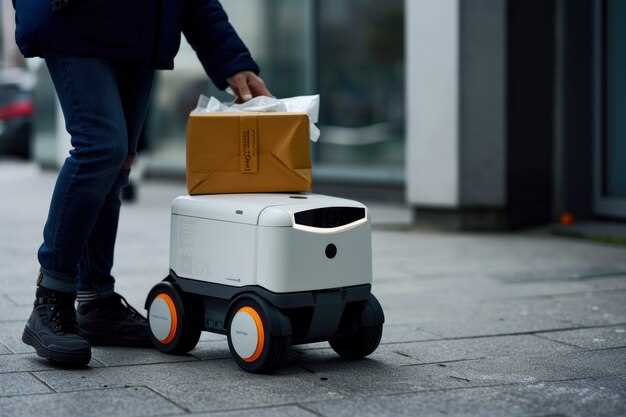
Implement four SLA tiers for robot downtimes with explicit targets: Critical downtime requires acknowledgment within 5 minutes, initial remediation or rerouting within 15–30 minutes, and full restoration within 60 minutes. High priority targets: acknowledge within 10 minutes and repair within 1–2 hours. Medium: ack within 30 minutes and fix within 4–8 hours. Low: ack within 2 hours and resolve within 24 hours. Tie these terms to the demand profile of your operations and set a clear escalation path. Use a digital monitoring dashboard to track adherence across major regions and during peak cycles.
Define terms in plain language and bind them to measurable metrics: time-to-acknowledge (TTA), time-to-repair (TTR), and uptime rate. Document escalation steps, third-party support SLAs, and credits for missed targets. For automated vehicles and robotics fleets, treat downtime as an ecosystem event rather than a single component failure.
Monitoring and capture: instrument cylindrical actuators and other components with edge sensors and a centralized log. Capture failure codes, start and stop times, affected zones, and root-cause data. Track rate of recurring failures in bottleneck regions to guide maintenance prioritization and spare-part planning.
Operational strategies during surging demand and obstacles: maintain a stock of spare parts and spare cylindrical components; run parallel tasks on multiple vehicles; re-route workflows to other lines. Coordinate with otto support networks to shorten regional response times. This keeps food logistics moving, even when a line stalls, and helps quantify the impact on them and drive SLA refinements.
Innovation and transformation: use digital twins and simulation to test downtime scenarios; train operators; preserve substantial reserves of parts; schedule proactive checks on major lines. By pairing monitoring with proactive maintenance, the rate of downtime declines and recovery times improve. The approach supports transforming warehouses into autonomous hubs that sustain service across regions and demand profiles.
Practical maintenance plans: preventive checks and spare parts inventory
Start by implementing a unified preventive checks calendar that runs simultaneous tasks across bots, sensors, conveyors, and docking stations during low congestion hours throughout the facility. Assign owners for each asset family and log outcomes in a shared system so professionals can review trends among warehouses and adjust schedules. To enable faster decisions, teams rely on this data.
Map checks to zone density and footprint: high-density aisles get weekly visual inspections and monthly vibration checks, mid-density areas receive checks every two weeks, and low-density zones go monthly. Schedule these during shift changes to minimize congestion and simultaneous disruption throughout the site.
Spare parts inventory plan: categorize items into three tiers: critical items (drive motors, gearboxes, encoders) kept for a 30-day usage buffer; standard items (sensors, cables, wheels) for 45 days; long lead items (specialized PCBs) for 60 days. Set reorders when stock falls to 25% of tier sizing and maintain minimum stock equal to 1.5x average daily usage for critical items. This aligns with the requirement to meet bot uptime across peak periods and reduces capital tied up in slow-moving stock.
Control and learning: deploy MTBF and MTTR dashboards and review simultaneous downtime events to identify root cause patterns. Use predicted signals from motor heat, belt wear, and encoder drift to adjust preventive windows. Stay informed with news from suppliers and advances in the technologies that support bots.
People and governance: professionals from maintenance, operations, IT, and logistics meet weekly to review KPIs and update the plan. Ensure shared data access across warehouses and avoid duplicate orders. Use standardized maintenance checklists to raise consistency and meet the requirement.
Transformation and partnerships: transforming how bots operate relies on reliable spares and knowledge sharing; maintain a footprint of capital and assets; supplier relationships with companys should offer fast lead times and after-sales support. Using this approach, warehouses can scale the bot fleet, reduce congestion, and meet service levels.
OTA updates, cybersecurity, and risk mitigation practices
Implementáljon aláírt OTA frissítéseket hardveresen támogatott igazolással és szakaszos bevezetéssel, kezdve a nem kritikus payloadokkal tesztkörnyezetekben, és 90 napon belül kiterjesztve az összes flottára. Ezzel csökkenthető a kitettség és a műveletek biztonságosabb működés felé mozdíthatók el, gyors visszaállítással, ha anomáliákat észlelnek.
Vezess be egy olyan irányítási modellt, amely szorosan kézben tartja az irányítást, miközben lehetővé teszi a gyorsaságot: ellenőrizd az aláírásokat, kényszerítsd ki a biztonságos indítást, és használj kölcsönös TLS-t az összes eszköz-frissítőszerver közötti forgalomhoz. Párosítsd ezt egy szoftveres anyagjegyzékkel (SBOM) az összetevők nyomon követéséhez, hogy a csapatok különböző típusú hasznos adatokon és ágazatokon és folyamatokon átívelő javításokat tudjanak rangsorolni.
- Biztonságos frissítési folyamat: kriptográfiai aláírás megkövetelése, a kód integritásának ellenőrzése a rendszerindításkor, és a frissítési csatornák elkülönítése a működési adatfolyamoktól a keresztszennyeződés kockázatának csökkentése érdekében.
- Bevezetési stratégia: kísérleti frissítések a platformok 10-15%-án, majd skálázás 50%-ra a teljes bevezetés előtt; teljesítménybeli eltérések nyomon követése és a visszagörgetési készség növelése.
- Ellátásilánc-fegyelem: kötelező előzetes jóváhagyás a gyártóktól és a beszállítóktól, a szállítók biztonságos fejlesztési gyakorlatok betartására kötelezése, valamint a sebezhetőségi adatok megosztása a partnerek között a felderítés és a reagálás javítása érdekében.
- Biztonsági intézkedések: zéró bizalmi hálózati hozzáférés bevezetése, eszközhitelesítés, inaktív adatok titkosítása, központosított naplózás; rendellenesség-észlelés megvalósítása a vezérlőparancsokon és a hasznos adatok átvitelén.
- Regionális szempontok: az ázsiai és brazil piacokon igazodjon a helyi szabályozásokhoz és szabványokhoz; vegye figyelembe a regionális firmware aláírásokat és frissítési tanúsítványokat; az ázsiai Dematic telepítések azt mutatják, hogy a kombinált hardver-szoftver megközelítés növeli a rugalmasságot.
A kockázatkezelés fenntartását szolgáló keresztirányú gyakorlatok közé tartoznak az incidensre reagálási forgatókönyvek, a rendszeres asztali gyakorlatok és az egyesített irányítópultok, amelyek nyomon követik a kiberbiztonságba történő befektetéseket az ágazatokban. Az automatizálási integrátorok és a felhőplatformok közötti összeolvadásokból származó tanulságok segítenek a kockázati mutatók szabványosításában és a biztonságos OTA-gyakorlatok bevezetésének felgyorsításában. Az üzemeltetők a gyakorlatok fejlődésével az automatizált karbantartási képességek folyamatos növekedésére számíthatnak, egyre nagyobb hangsúlyt fektetve az alacsonyabb állásidőre és a hasznos teher integritásának magasabb szintű biztosítására. Ezeket a megközelítéseket kísérleti projektek során finomították, és céljuk az üzemeltetők támogatása, ahogy az ökoszisztéma az automatizáltabb és összekapcsoltabb raktárak felé tolódik el.
A folyamatos támogatási programok megtérülésének és értékének mérése

Vezessen be egy szigorú megtérülési (ROI) modellt, amely a folyamatos támogatási program mutatóit 90 napon belül kézzelfogható megtakarításokhoz köti. Határozzon meg alapmutatókat a feladatvégrehajtási időre, a tartózkodási időre, a téves komissiózásokra és a műszakonkénti szállításokra vonatkozóan, és kövesse nyomon a fejlesztéseket a belföldi raktárakból, kiskereskedelmi tevékenységekből és e-kereskedelmi teljesítési központokból származó adatok felhasználásával egy folyamatosan változó környezetben.
Érték akkor keletkezik, amikor az eredmények három tényezőhöz igazodnak: munkaerő-hatékonyság, kapacitáskihasználtság és szolgáltatás megbízhatósága. Egy tipikus 12 hetes kísérleti program esetében várható 15–25%-os munkaóra-csökkenés, 30–50%-kal kevesebb hibás szedés, és 6–12 százalékpontos növekedés a pontos szállítások terén, 9 hónap alatti megtérüléssel, amennyiben a program magában foglalja a navigáció és az útvonaltervezés frissítését, átalakítva ezzel az áruk mozgásának módját.
Építsen irányítópultokat, amelyek a teljesítményt telephelytípus (belföldi raktárak, kiskereskedelmi elosztóközpontok, e-kereskedelmi központok) és robotcsalád szerint mutatják. A próbaüzemek során mérje a problémák megoldásához szükséges időt, a feladatonkénti próbálkozások számát és a kezelői elégedettséget. Havi rendszerességgel vizsgálja felül, hogy hol bővítsen, és hol módosítson a partnerekkel, például a freightamigo-val vagy más integrátorokkal kötött szerződéseken. József fontos, hogy a ROI-fókusz az értékláncokon maradjon, ne a hardverek számán; ennek gyakorlati hasznon kell alapulnia.
A költségszerkezet magában foglalja a licenceket, a távdiagnosztikát és a helyszíni látogatásokat. A teljes programköltséget a létszámcsökkentésből, a kevesebb eszkalációból és a nagyobb áteresztőképességből származó többletmegtakarításhoz kösse. Egy 12-18 hónapos időtáv általában 1,3x–2,0x közötti nettó értéket mutat, a telephely sűrűségétől, a termékválasztéktól, valamint attól függően, hogy a program érinti-e a belföldi raktárakat és a hálózat egyéb logisztikai csomópontjait.
Az UNCTAD piaci jelzései az e-kereskedelem fellendülését és a raktárakban, valamint a kiskereskedelmi teljesítésben szükséges, képességgel rendelkező automatizálást mutatják. A legnagyobb haszonélvezők között a gyártók és kiskereskedők azok voltak, akik egyesüléseket vagy adatmegosztáson alapuló együttműködéseket folytattak, melyekkel felgyorsították a szállításokat és lerövidítették a beérkezéstől a feladásig tartó ciklusokat, mindezt a továbbfejlesztett navigációval támogatva, átalakítva a belföldi raktárakat.
Teendők listája csapatoknak: a feladatok hozzárendelése az értékhez, kísérleti hatókör kijelölése, alapérték rögzítése, folyamatos támogatás megvalósítása és havi felülvizsgálatok beállítása. Dokumentálja a tanulságokat egy közös tudásbázisban, segítve az operatív csapatokat a belföldi raktárakban és a szállítmányozási hálózatokban. Támaszkodjon egy olyan platformra, mint a freightamigo az útválasztás és a navigáció optimalizálása érdekében, és gondoskodjon az adatfolyam tisztaságáról és biztonságáról.