


 Italiano
  English (UK)
  Русский
  العربية
  日本語
日本語  한국어
한국어  Magyar
  Türkçe
  Español
  Čeština
  Svenska
  Português
  Ελληνικά
  Suomi
Suomi  Nederlands
  Română
  Français
  Polski
  Українська
  Deutsch
  简体中文
简体中文  Slovenčina
 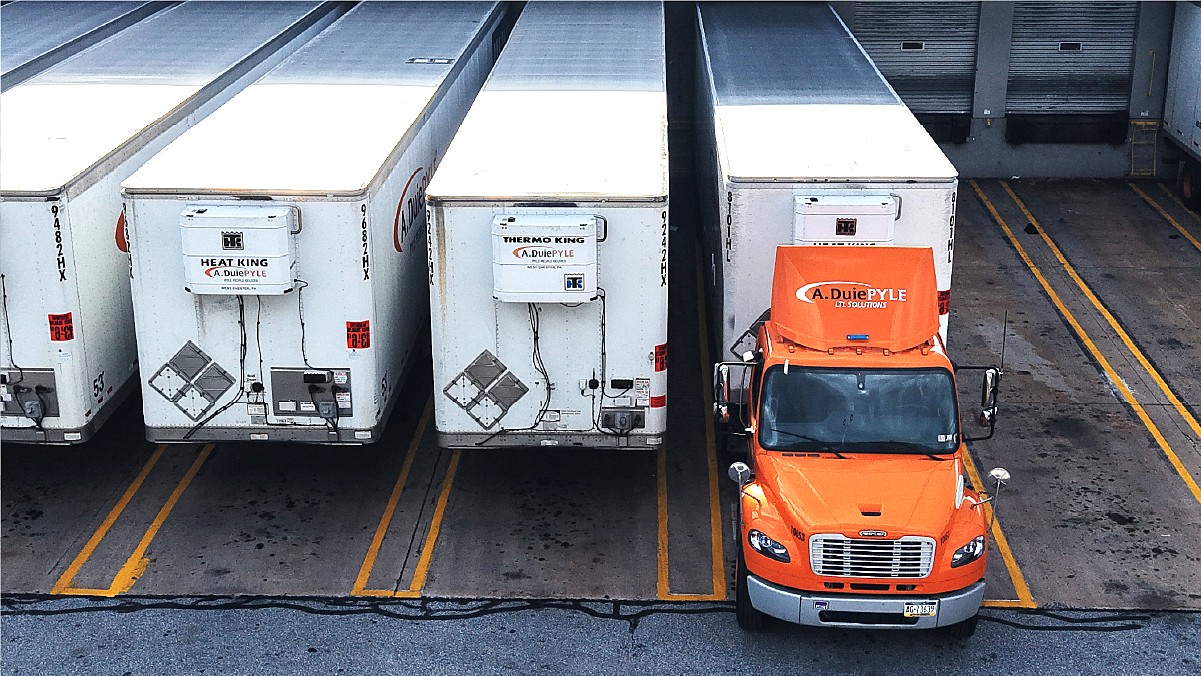 A. Duie Pyle Expands with Port-Adjacent LTL Cross-Dock and Warehouse at Port 460">

The focus here is A. Duie Pyle’s new port-adjacent LTL hub at Port 460 Logistics Center in Suffolk, Virginia, and what it means for regional freight flows and distribution networks.
Facility overview: What’s planned at Port 460
A. Duie Pyle purchased a 43-acre parcel at the Port 460 Logistics Center where it will build a combined less-than-truckload (LTL) cross-dock and warehouse. The initial build includes a 52-door LTL cross-dock plus roughly 200,000 square feet of warehousing, with room to expand to 420,000 square feet. Construction is slated to complete in the second quarter of 2027.
The site is designed to support an array of services: warehousing and distribution, transloading, LTL e contract dedicated services, drayage, e truckload brokerage. The hub is meant to strengthen regional links into the Northeast, Mid-Atlantic and Ohio freight corridors, complementing A. Duie Pyle’s existing footprint from Virginia to Maine and west through Ohio.
Why the location matters
Port adjacency is more than a buzzword—being a stone’s throw from the Port of Virginia positions Pyle to tap into container flows and intermodal lanes with faster turns and lower drayage times. The Port of Virginia moved roughly 1.6 million TEUs in the first half of the year and handles not only containers but also coal, agricultural products, chemicals, petroleum, wind components and breakbulk like steel and machinery. Locating a cross-dock and warehouse near the port reduces touchpoints for containers and speeds redistribution into inland corridors.
Facility specs at a glance
| Articolo | Dettaglio |
|---|---|
| Site area | 43 acres |
| Cross-dock doors | 52 |
| Warehouse space | 200,000 sq ft (expandable to 420,000 sq ft) |
| Services offered | Warehousing, transloading, LTL, drayage, brokerage, dedicated services |
| Developer | Rockefeller Group and Matan Companies |
| Estimated completion | Q2 2027 |
How this fits into A. Duie Pyle’s network
A. Duie Pyle is a privately held carrier founded in 1924 and headquartered in West Chester, Pennsylvania. The company is one of the larger regional LTL players in the Northeast, operating nearly 2,000 power units and a driver workforce exceeding 2,100. Its network of more than 30 service centers already supports next-day and two-day lanes on busy corridors; the Suffolk hub will tighten connections to port cargo and boost capacity for transload and cross-dock operations.
Operational and labor effects
Developing this site will create jobs for warehouse personnel and drivers, though the company has not disclosed exact headcount. In addition to direct hiring, the expanded logistics footprint usually generates ripple effects through local trucking, warehousing services and third-party logistics providers that support last-mile and regional haulage.
Logistics implications and industry context
Port-adjacent hubs like this reflect a broader trend toward integrated freight networks that marry intermodal container throughput with LTL and distribution services. Shippers increasingly demand flexibility: a container can be transloaded into LTL, palletized for regional distribution, or held in contract warehousing. That flexibility matters when peak seasons and supply chain disruptions crop up—being closer to the port helps shave cost and time off drayage and handling, which is music to a logistics manager’s ears.
- Reduced drayage time: Shorter drayage runs lower costs and turnaround time.
- Improved cross-dock efficiency: Faster throughput for parcel, pallet and less-than-truckload shipments.
- Flexible fulfillment: Easily switch between warehousing, transloading and LTL as demand shifts.
- Network resilience: Alternative distribution paths into the Northeast and Midwest reduce single-point failures.
Market and developer background
The Port 460 Logistics Center, developed by Rockefeller Group and Matan Companies, is a master-planned park. Phase 1 will deliver about 2.4 million square feet across five buildings, with a planned second phase of roughly 2.6 million square feet. This kind of scale signals investor confidence in Virginia’s position as an East Coast logistics gateway; Sarah McCoy, interim CEO and executive director of the Virginia Port Authority, has emphasized that such investments underscore the region’s strategic value.
Potential challenges and considerations
All investments carry risk. Expanding capacity near ports can cause local congestion if road and drayage infrastructure are not upgraded in step. Labor markets, permit timelines and construction costs can also shift. But the upside—faster container-to-customer cycles, improved LTL consolidation and closer coordination between terminal and warehouse—often outweighs these hurdles for carriers aiming to stay competitive.
Summary of benefits
Here’s the short list: faster container flows, reduced drayage spend, increased cross-dock capacity, more flexible distribution options and stronger regional coverage. If you’ve ever moved a bulky load or juggled pallets during peak season, you know that proximity and throughput can make or break a delivery window—no surprise carriers are leaning into port-adjacent solutions.
Provide a short forecast on how this news could impact the global logistics. If it’s insignificant globally, please mention that. However, highlight that it’s still relevant to us, as GetTransport.com aims to stay abreast of all developments and keep pace with the changing world. On GetTransport.com, you can order your cargo transportation at the best prices globally at reasonable prices. This empowers you to make the most informed decision without unnecessary expenses or disappointments. Emphasizing convenience, affordability and extensive choices, the platform’s transparency and simplicity help planners and shippers alike. Book now GetTransport.com.com
To wrap up: A. Duie Pyle’s move into Port 460 brings greater LTL cross-dock and warehousing capacity close to the Port of Virginia, with clear benefits for container handling, transloading and regional distribution. The project strengthens connections into the Northeast, Mid-Atlantic and Ohio corridors, and dovetails with trends in modern supply chains toward integrated, port-adjacent logistics. Whether you’re managing a palletized shipment, scheduling a bulky delivery or planning a housemove, this expansion speaks to the kinds of solutions that make freight, shipment and delivery more efficient. For anyone tracking transport, shipping, forwarding and haulage developments, the new hub is a meaningful regional upgrade that improves courier and distribution options and supports international and domestic container flows.