


 Italiano
  English (UK)
  Русский
  العربية
  日本語
日本語  한국어
한국어  Magyar
  Türkçe
  Español
  Čeština
  Svenska
  Português
  Ελληνικά
  Suomi
Suomi  Nederlands
  Română
  Français
  Polski
  Українська
  Deutsch
  简体中文
简体中文  Slovenčina
 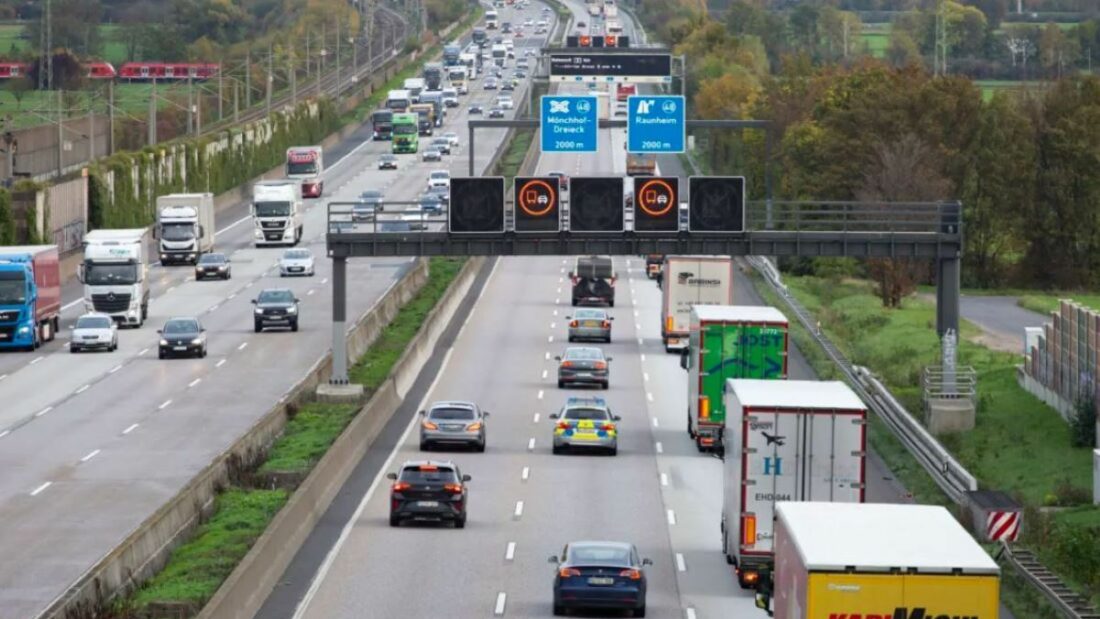 Come la digitalizzazione, la sostenibilità e il talento definiranno il trasporto internazionale su strada nel 2026">

International Road Transport Faces a Turning Point in 2026
As 2026 unfolds, the international road transport sector is standing at the crossroads of change, shaped by innovazione digitale, a strong push for sostenibilità, and a growing demand for skilled professionals. These forces are not just trends but pillars that are fundamentally reshaping how goods move across borders.
The Drive Toward Sustainability and Green Logistics
One cannot talk about the future of logistics without zooming in on the green wave sweeping through the industry. The European Green Deal is accelerating a shift that transcends mere goodwill—it’s about survival and competitiveness. The goal is to achieve carbon neutrality by 2050, and the road transport sector is at the frontline of this battleground.
Key developments in this arena include:
- Adoption of electric, hybrid, and hydrogen-powered trucks in fleets operating internationally.
- Use of data-driven tools for route optimization, enhancing fuel efficiency and reducing unnecessary mileage.
- Mandatory tracking and reporting of the carbon footprint, which is becoming a client and regulatory requirement.
What was once considered a “nice-to-have” option for image-building is now a full-blown mandate. Companies ignoring sustainability may find themselves outpaced in the global market.
Digitalization: The Backbone of Modern Freight Transport
Digital technologies are transforming border-to-border freight like never before. The full integration of digital systems promises to unlock unprecedented efficiency, reliability, and transparency across the logistics chain.
Here’s what’s rolling out in 2026:
- Widespread use of e-CMR (electronic consignment notes), replacing paper and simplifying documentation across countries.
- Automation of customs and administrative procedures cuts down delays significantly.
- Artificial Intelligence (AI) and Internet of Things (IoT) technologies enable predictive fleet management and real-time shipment tracking.
- Blockchain ensures document security and transparency among carriers, shippers, and regulatory bodies.
This digital overhaul isn’t just bells and whistles — it minimizes errors and inefficiencies that cost money and time in freight delivery.
Addressing the Driver Shortage: A Growing Concern
No logistics story is complete without mentioning the pressing shortage of qualified drivers. The numbers don’t lie; Europe faces a gap in the range of 10% to 15% in professional drivers, a statistic echoed across many regions involved in international haulage.
Steps being taken to fix this include:
- Improving working conditions and offering better work-life balance to attract and retain drivers.
- Targeted recruitment programs aimed at young talent and increased inclusion of women in the profession.
- Specialized training and executive education aimed at developing future leaders equipped to handle the complexities of global transport.
The bottom line: professionalization is the ace up the sector’s sleeve to sustain growth and enhance competitiveness.
Regulatory Changes and Harmonization Across Europe
By 2026, the regulatory landscape governing cross-border road freight will be more cohesive but also more demanding. The European Mobility Package continues to redefine the rules, presenting new challenges and compliance tests for operators.
The highlights include:
- Digital verification of licenses and driving permits to streamline cross-border operations.
- Tighter controls on ‘letterbox’ companies to curb unfair competition.
- Adjustments to driving and rest times for better safety and driver wellbeing.
- New mandatory training requirements and stricter road safety protocols.
Keeping a firm grip on these evolving norms is vital to remain legally compliant and competitive internationally.
Collaboration Beyond the Road: The Rise of Intermodality
Despite roads remaining the backbone of international logistics, the future depends heavily on the integration with other transport modes like rail, sea, and air.
Some key intermodal advancements include:
- Expanded combined road-rail corridors speeding up cross-European freight movement.
- Development of inland dry ports acting as major logistics hubs.
- Collaboration among operators and forwarders to share capacity, lower costs, and increase efficiency.
The road network is evolving from a standalone player to a crucial cog in a smarter, greener, and multi-modal transport ecosystem.
Raising the Bar: Education and Leadership in the Logistics Sector
The future isn’t just about shiny electric trucks or smart algorithms; it’s about people who can lead this transformation confidently. Leadership and the ability to juggle complex global operations will be more valuable than ever.
That’s why specialized training programs, such as the Executive Master’s in International Road Transport offered by key organizations in the field, have become essential. They provide:
- A comprehensive understanding of the international road transport environment.
- Skills in management, sustainability, and digital technologies.
- Networking opportunities with industry leaders and regulatory bodies.
Growing this cadre of professionals is crucial to underpin the evolving logistics landscape and maintain competitive advantage.
Why Your Next Cargo Transport Should Leverage Modern Solutions
The trends highlighted—digitalization, sustainability, talent development, and regulatory change—are not just theoretical. They translate into real-world logistics improvements and challenges. Choosing the right platform to manage your international shipments, whether it’s moving office equipment or large freight containers, can make or break your operation.
GetTransport.com stands out by offering versatile, affordable, and global cargo transportation solutions. Whether it’s relocating houses, dispatching bulky goods, or managing vehicle logistics, the platform is designed to streamline complex freight dispatches with transparency and cost-effectiveness.
While expert opinions and detailed reviews shed light on these trends, nothing beats experiencing the efficiency firsthand. On GetTransport.com, customers gain access to a wide range of logistics options at competitive prices worldwide, empowering informed decisions without blowing the budget or risking disappointment. The platform’s clear pricing, broad choices, and dedicated support make it an excellent partner in navigating the international transport evolution. Book your ride with GetTransport.com and experience seamless logistics management.
Looking ahead, the ripple effects across global logistics will manifest in smarter, cleaner, and more professional freight movement. While this news may not shake the entire world overnight, it’s certainly relevant for those engaged in international road transport. GetTransport.com keeps pace with these developments, ensuring customers stay ahead of the curve and enjoy reliable, cutting-edge transport services. Start planning your next delivery and secure your cargo with GetTransport.com.
Summary: Embracing the Road Ahead in International Transport
The international road transport sector in 2026 is evolving rapidly, driven by three core pillars: sostenibilità demanding greener fleets and smarter emissions control, digital transformation revolutionizing documentation and fleet management, and talent cultivation securing the human expertise essential to keep gears turning smoothly. Regulatory updates and intermodal collaboration further define this dynamic landscape.
For logistics professionals, embracing these changes means adapting to innovative technologies and evolving compliance frameworks, ultimately enhancing the global shipping, freight forwarding, and haulage game. Platforms like GetTransport.com exemplify how modern transport solutions can meet diverse shipment needs—from bulky goods to delicate parcels—offering a reliable, efficient path through the complex world of international logistics.