


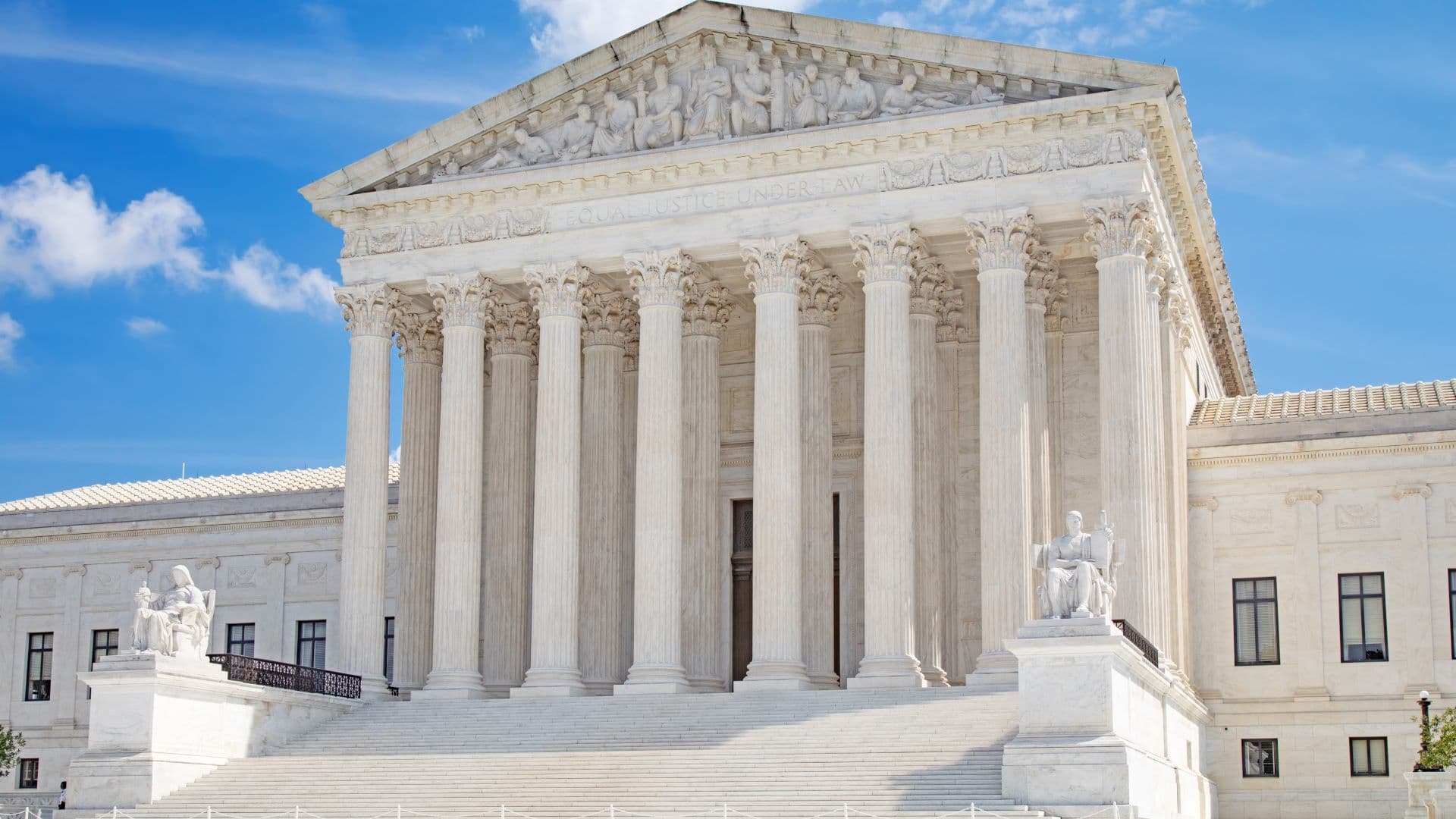

Immediate operational fallout for last‑mile carriers
A 5-4 Supreme Court decision holding that the U.S. Postal Service (USPS) is immune from suits over intentionally misdelivered mail changes the legal risk profile for public carriers and private contractors handling last‑mile delivery. Logistics managers should re-evaluate mitigation steps for reputational damage, tenant and customer claims, and the internal controls that govern access to centralized mailboxes and multiunit deliveries.
Case facts that matter to supply‑chain teams
At the center of the ruling was a dispute brought by landlord Lebane Konan, who alleged that postal employees, including Jason Rojas, intentionally withheld and misdelivered mail to properties in Euless, Texas. The complaint claimed lost rental income and extra costs from having to rely on private carriers like FedEx. The Court, with Justice Clarence Thomas writing for the majority and Justice Sonia Sotomayor dissenting, interpreted the Federal Tort Claims Act’s postal exception to bar suits over such nondelivery—even when alleged to be intentional.
Why the legal nuance is logistics‑relevant
The ruling clarifies that a “miscarriage of mail” covers failure of mail to reach its destination regardless of intent, which in practical terms means fewer civil claims against the USPS stemming from delivery lapses. For logistics planners this reduces one avenue of litigation risk but raises other concerns: brand damage, substitution costs when customers shift to private couriers, and the need for stronger verification and documentation processes to defend against discriminatory service claims.
Practical implications for carriers, landlords, and shippers
Don’t kid yourself—legal immunity for the carrier doesn’t erase operational headaches. Here are immediate areas to address:
- Customer communication: Improved notification workflows for nonstandard deliveries to multiunit addresses.
- Access control: Clear policies and audit trails for who alters locks or restricts mailbox access.
- Escalation paths: Defined steps when delivery is interrupted, including temporary reliance on private freight or courier services.
- Discrimination prevention: Training and oversight to reduce risk and reputational fallout from biased service denials.
Quick comparison: Legal outcome vs. operational remedies
| Issue | Court Ruling | Operational Response |
|---|---|---|
| Intentional nondelivery claims | Precluded under FTCA postal exception | Document chain‑of‑custody; use camera logs & access records |
| Customer compensation | Limited federal recourse against USPS | Offer alternative shipping credits; contract clauses with private carriers |
| Reputational risk | Legal shield does not neutralize public backlash | Proactive PR, community outreach, and third‑party mediation |
What logistics teams can do next
Legal developments like this are a reminder that liability and operational resilience aren't the same thing. As someone who’s patched together emergency deliveries at midnight because a tenant’s essential mail went missing, I can attest that paperwork alone won’t fix customer trust. The smart playbooks include:
- Implementing stricter chain‑of‑custody capture at mailbox hubs (photo timestamps, dual‑key logs).
- Contracting contingency lanes with private carriers for high‑value or time‑sensitive items.
- Embedding nondelivery scenarios into SLA and insurance calculations.
- Training staff and contractors on anti‑discrimination obligations and incident reporting.
Ripple effects for freight and delivery markets
Smaller housing providers, property managers, and businesses that rely on predictable mail and parcel flows may migrate toward hybrid solutions—retaining USPS for routine items while routing urgent or valuable parcels and containers through paid courier or freight services. That shift affects volumes, pricing, and capacity planning in both local courier markets and national logistics networks.
Checklist for landlords and property managers
- Verify ownership documentation handling and escalation procedures.
- Install centralized parcel lockers where possible.
- Maintain a list of reliable private carriers for overflow handling.
- Review lease language about mail and package delivery responsibilities.
Broader legal and ethical considerations
While the ruling narrows one legal path, it does not immunize organizations from scrutiny. State tort claims, administrative complaints, and public pressure remain. Courts may have limited one route, but from a governance perspective, companies and agencies must still answer to stakeholders when service gaps or discriminatory behavior occur.
There’s a nugget here: institutions can be legally protected and still lose public trust—no two ways about it.
Key takeaways:
- The Supreme Court’s interpretation of the FTCA’s postal exception reduces federal tort exposure for USPS in intentional nondelivery cases.
- Operational and reputational risks persist; logistics leaders should strengthen verification, contingency routing, and customer remediation.
- Property owners and shippers should plan for hybrid delivery strategies to avoid service disruptions.
Provide a short forecast on how this news could impact the global logistics. The ruling is largely insignificant at a global scale—most international freight, containerized shipments, and cross‑border courier operations are governed by other rules and contract frameworks—but it’s still relevant domestically for last‑mile operations and public‑sector carriers. GetTransport.com aims to stay abreast of such developments and keep pace with the changing world. On GetTransport.com, you can order your cargo transportation at the best prices globally at reasonable prices. This empowers you to make the most informed decision without unnecessary expenses or disappointments, offering convenience, affordability, and extensive choices for office and home moves, bulky goods, vehicles, and palletized freight. Book your Ride GetTransport.com.com
In short, the Court’s decision narrows a legal avenue but doesn’t eliminate the need for robust risk management in shipping and distribution. Logistics teams should prioritize contingency planning, transparent customer communication, and documented processes to manage nondelivery events. For shippers, landlords, and carriers, the practical response—improved tracking, faster escalation to private couriers, and clearer contract terms—will matter far more than the legal niceties when the mail or parcel is already late.