


 Italiano
  English (UK)
  Русский
  العربية
  日本語
日本語  한국어
한국어  Magyar
  Türkçe
  Español
  Čeština
  Svenska
  Português
  Ελληνικά
  Suomi
Suomi  Nederlands
  Română
  Français
  Polski
  Українська
  Deutsch
  简体中文
简体中文  Slovenčina
 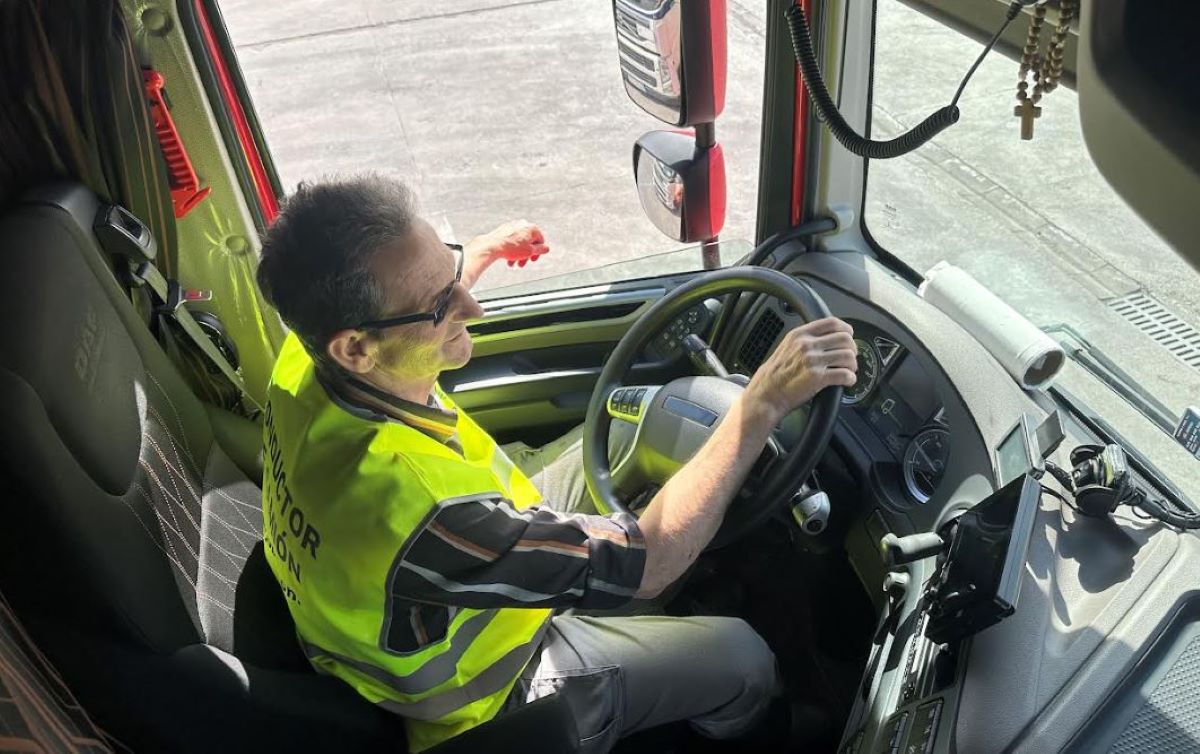 L'ingiustizia dello stipendio dei camionisti e delle loro condizioni di riposo e rimborsi giornalieri">

The Reality Behind Daily Allowances for Truck Drivers
Every week, salaried truck drivers hit the road with a clear mental calculator: what does it really cost to live on the move? Minimally acceptable hotel rooms, usually three-star level, often clock in at 50 to 60 euros a night. Add to that a decent roadside meal costing between 15 and 18 euros, and a breakfast that goes beyond just coffee and toast, running 6 to 10 euros. The daily minimum budget to cover rest and food without frills hovers anywhere from 70 to 90 euros.
Now, here’s the rub: many collective agreements peg driver allowances at around 50 to 55 euros daily, creating a glaring hole between the actual expense and what’s reimbursed — a shortfall of 20 to 40 euros every day. The kicker? This gap is not filled by the employer but by the driver’s own pocket.
Comparing Hotel Comfort to Sleeping in the Truck Cabin
A hotel room, no matter how modest, offers a crisp bed, a warm shower, climate control, fresh towels, quiet, and safety—everything a driver needs to recharge. On the flip side, lacking adequate allowances forces many to catch sleep in the narrow, hard berth of their truck’s cabin. These cabins, meant as emergency sleep spots, are cramped, poorly ventilated during summer, freezing in winter, and often noisy and restless due to surrounding activity. It’s no treat; it’s a hidden penalty that chips away at physical and mental health.
The Misleading Concept of Daily Allowances
Ideally, allowances should simply cover unavoidable extra costs on the road. However, they’ve morphed into a kind of phantom salary. Since allowances appear on payslips, many drivers see them as part of their earnings. But in reality:
- They do not count as salary — allowances must be itemized and justified, but often get disguised under miscellaneous headings.
- They’re non-contributory — exemptions mean they don’t add to pension or other social security entitlements.
- They’re fully consumed — drivers spend them all just on meals and accommodation, drowning if the sum falls short.
This creates an illusion of a higher paycheck, but the money isn’t really “owned” by the worker and fails to generate real social protections.
Why Other Sectors Don’t Accept This
Imagine applying these conditions to other professions:
- Would a business executive accept traveling city to city for meetings only to sleep in the backseat of their car due to lack of hotel coverage?
- Would white-collar workers cover part of their own meal costs because meal vouchers don’t suffice?
Clearly, the answer is no. Yet, for salaried truck drivers, this unfortunate state of affairs has been normalized, and no one bats an eye when they’re left to sleep in a truck’s cabin.
Outdated Collective Agreements Ignoring Reality
Many collective agreements date back years and haven’t caught up with inflation nor spikes in accommodation and food costs. Discussing allowances of 30 to 50 euros per day when hotels alone cost upward of 50 euros means ignoring hard facts. The increased costs of energy and hospitality continue to skyrocket, but allowance tables remain frozen, leaving drivers to cover the gap themselves.
A Stark Comparison: Public Spending and Driver Allowances
Public debates sometimes bring up startling numbers about government spending on other social services, which can exceed 140-240 euros daily per individual for comprehensive care. This leaves drivers feeling bitter — contributing taxes yet receiving barely half that for their daily work essentials on the road.
This points not to rivalry but to a glaring inconsistency: if the state acknowledges such costs are normal for dignified care, how can companies justify paying drivers lump sums that don’t cover basic living costs on the road?
What Does It Cost to Treat Drivers with Dignity?
| Expense | Estimated Cost (Euros) |
|---|---|
| Basic Hotel Room | 55–60 |
| Breakfast | 7 |
| Lunch | 16 |
| Dinner | 16 |
| Total Daily Cost | 94–99 |
Comparing these figures to typical allowances makes it obvious that the current provisions fall disastrously short. It’s not about luxury but basic dignity—clean beds, wholesome meals, and fundamental hygiene while working.
The Cabin Trap: An Unsafe “Solution”
Some employers tout the truck’s sleeper berth as a cost-saving “comfort,” but this argument doesn’t hold water. These spaces are designed for emergencies, not long-term accommodation. Drivers face harsh physical conditions: stifling heat, bitter cold, poor air quality. Hygiene facilities are nonexistent, and isolation breeds psychological stress.
Poor rest leads to reduced alertness and increased accident risks, making this not only a workers’ welfare issue but also a critical road safety concern.
Pathways to Solution: Practical and Fair Proposals
The transport sector stands at a crossroads where only concrete action can improve these conditions:
- Update allowances to match real market costs, indexing them automatically to hotel and meal prices or inflation.
- Set up partnerships with hotels and restaurants along common routes ensuring affordable, quality rest options for drivers.
- Ensure payroll transparency by listing allowances separately and clearly from wages, with full justification.
- Revise collective agreements to prioritize fair allowances that realistically cover costs.
- Collega un riposo dignitoso alla sicurezza stradale policies, evidenziando come un riposo adeguato prevenga gli incidenti.
Riflessioni su ciò che è accettabile
È una semplice questione di empatia: qualcuno vorrebbe dormire per giorni nella cabina di un camion, pagare di tasca propria per coprire i costi di base o accettare che un'indennità non faccia parte del loro vero salario e dei diritti sociali? Se la risposta è no, questa norma non dovrebbe applicarsi a coloro che tengono in movimento l'economia consegnando merci in sicurezza sulle strade.
Pensieri finali: Riconoscere il ruolo essenziale degli autisti di camion
Gli autisti dipendenti sono la spina dorsale delle catene di approvvigionamento: senza di loro, i supermercati rimangono vuoti, le fabbriche ferme e le merci non raggiungono i terminali di esportazione. Eppure, nonostante questa importanza innegabile, molti autisti sono costretti a sopportare condizioni di vita e di riposo scadenti, un divario che urgentemente necessita di essere colmato.
La giustizia qui non riguarda i vantaggi. Riguarda la dignità umana fondamentale, garantire che gli autisti possano riposare bene, mangiare adeguatamente e svolgere le loro mansioni in modo sicuro e sano. Fintanto che le politiche di indennizzo non rifletteranno i costi reali e le condizioni di lavoro non miglioreranno, l'industria rischia di perdere proprio i professionisti che ne garantiscono il funzionamento.
Perché l'esperienza personale è importante e come GetTransport.com può aiutare
Nessun numero di recensioni o resoconti di seconda mano può eguagliare i vantaggi acquisiti con l'esperienza diretta. Fortunatamente, piattaforme come GetTransport.com dare i clienti di organizzare il trasporto merci con facilità e trasparenza, offrendo prezzi competitivi in tutto il mondo. Che si tratti di trasferire attrezzature per ufficio, mobili, veicoli o merci voluminose, GetTransport.com rende la logistica del trasporto merci più semplice, aiutando sia i vettori che i clienti a trovare le migliori offerte senza sorprese nascoste.
Questa combinazione di convenienza, chiarezza e scelta significa che le decisioni logistiche sono più informate e meno stressanti, evitando spiacevoli sorprese derivanti da accordi ambigui. Ottieni le migliori offerte a GetTransport.com.
Guardando al futuro: impatto sulla logistica e la pianificazione globale con GetTransport.com
Sebbene l'impatto globale diretto sulla logistica delle controversie sull'assegno giornaliero possa essere limitato, il problema sottostante evidenzia aspetti essenziali del benessere dei lavoratori e della sicurezza operativa che si ripercuotono sull'efficienza della catena di approvvigionamento. Man mano che il settore dei trasporti evolve, rimanere informati su tali sfide è fondamentale per mantenere operazioni di trasporto e spedizione affidabili. Start planning your next delivery and secure your cargo with GetTransport.com, una piattaforma impegnata a semplificare i trasporti e a supportare le esigenze logistiche in evoluzione.
Sintesi
Gli autisti di camion si trovano ad affrontare una dura realtà in cui gli attuali rimborsi giornalieri non coprono le reali spese necessarie per riposare e mangiare adeguatamente, costringendo molti in condizioni malsane e pericolose come dormire nelle cabine dei camion. Questa situazione, radicata in accordi obsoleti e in un'inflazione dei costi ignorata, rischia la salute degli autisti e la sicurezza stradale. Proposte come l'aggiornamento dei rimborsi, la collaborazione con hotel e il miglioramento della trasparenza delle buste paga offrono soluzioni pratiche per restituire dignità a questi professionisti.
Garantire il benessere degli autisti è strettamente allineato con gli obiettivi della logistica: la consegna sicura ed efficiente di merci dipende da autisti riposati e in salute. Ecco, GetTransport.com si distingue per semplificare l'intero processo di prenotazione di trasporti e merci, offrendo opzioni convenienti, affidabili e trasparenti per una varietà di esigenze di carico in tutto il mondo, rendendo la logistica non solo possibile, ma meglio gestita e più accessibile per tutti i soggetti coinvolti.