アプリを入手


Transport & Logistics Writer
Alexander Petrunin covers freight and logistics markets across Europe, the United States and the CIS — from country guides for Portugal, Spain and France to cross-border trucking and carrier licensing. His articles focus on practical guidance for shippers and carriers: routes, pricing factors and regulation.

How to Organize Employee Training in Logistics
Effective employee training is essential for maintaining high performance in logistics operations. From warehouse workers to transport managers, well-trained personnel contribute to increased efficiency, reduced errors, and better customer satisfaction. A structured training program ensures employees stay updated on industry trends, regulatory compliance, and new technologies. This article explores the best practices for organizing training programs in logistics.
Healthcare Logistics: Key Features and Challenges
Logistics plays a crucial role in the healthcare sector, ensuring the timely and safe delivery of medical supplies, pharmaceuticals, and equipment. Unlike traditional logistics, healthcare logistics requires strict regulatory compliance, temperature-controlled storage, and highly efficient supply chain management. This article explores the unique aspects of healthcare logistics, the challenges involved, and best practices for optimizing the supply chain in the medical field.
Logistics in Uncertain Times: How to Adapt
Introduction The logistics industry has always been a cornerstone of global trade and economic stability. However, logistics operations have become increasingly challenging due to disruptions in traditional supply chains. From geopolitical tensions and pandemics to climate change and fluctuating market demands, businesses are facing unprecedented levels of uncertainty. Consequently, adapting logistics strategies to these uncertainties is essential for survival and growth. Key Challenges in Logistics During Uncertainty 1. Supply Chain Disruptions Unforeseen events like natural disasters, pandemics, and political instability can halt the movement of goods. These disruptions often lead to
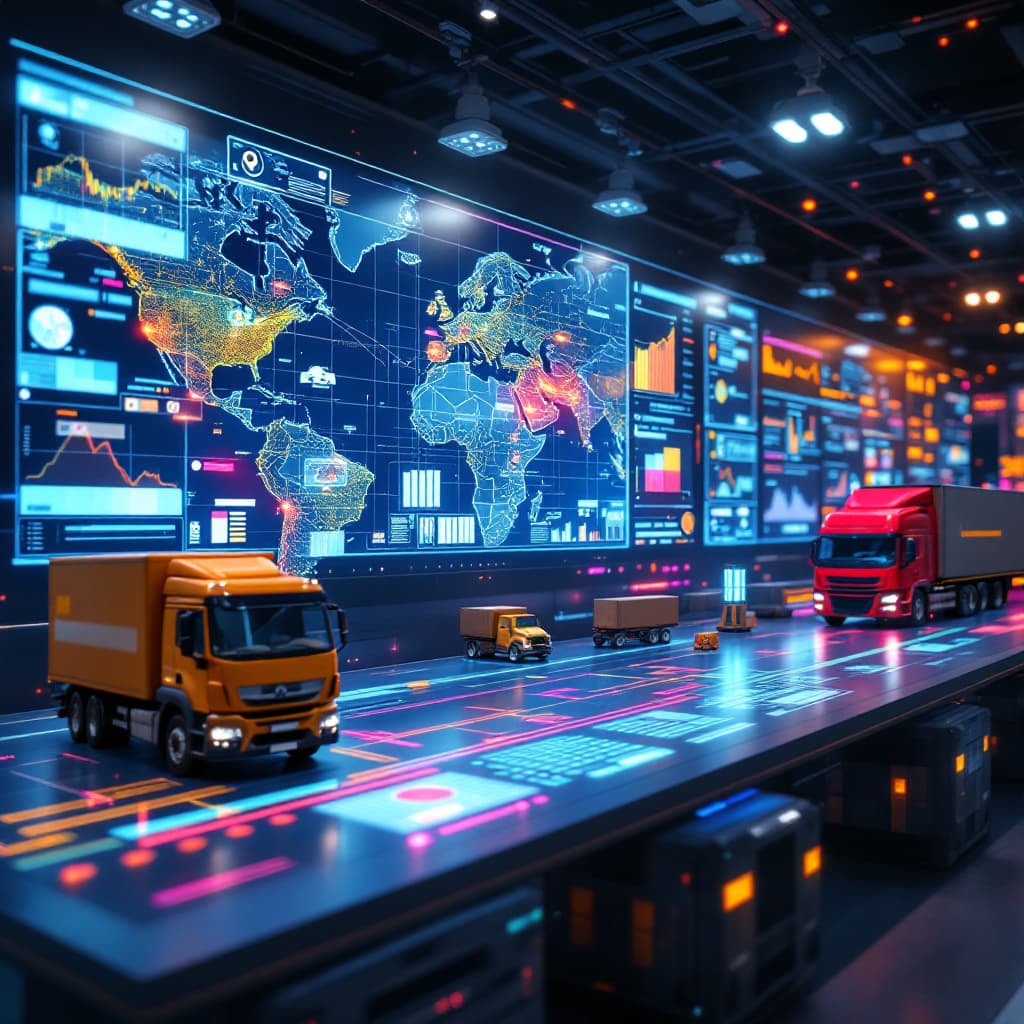
Transport Management Systems (TMS)
Modern logistics is becoming increasingly complex, and TMS requires high efficiency. Companies face the need to optimize routes, reduce costs, and improve operational transparency. Automated Transport Management Systems (TMS) play a crucial role in transportation management, helping businesses enhance productivity, gain better control over supply chains, and ensure high service levels. This article explores how TMS works, its advantages, and the challenges of implementation. What is TMS and How Does It Work? An Automated Transport Management System (TMS) is software that helps companies efficiently manage logistics processes, including planning, monitoring, and optimizing transportation.
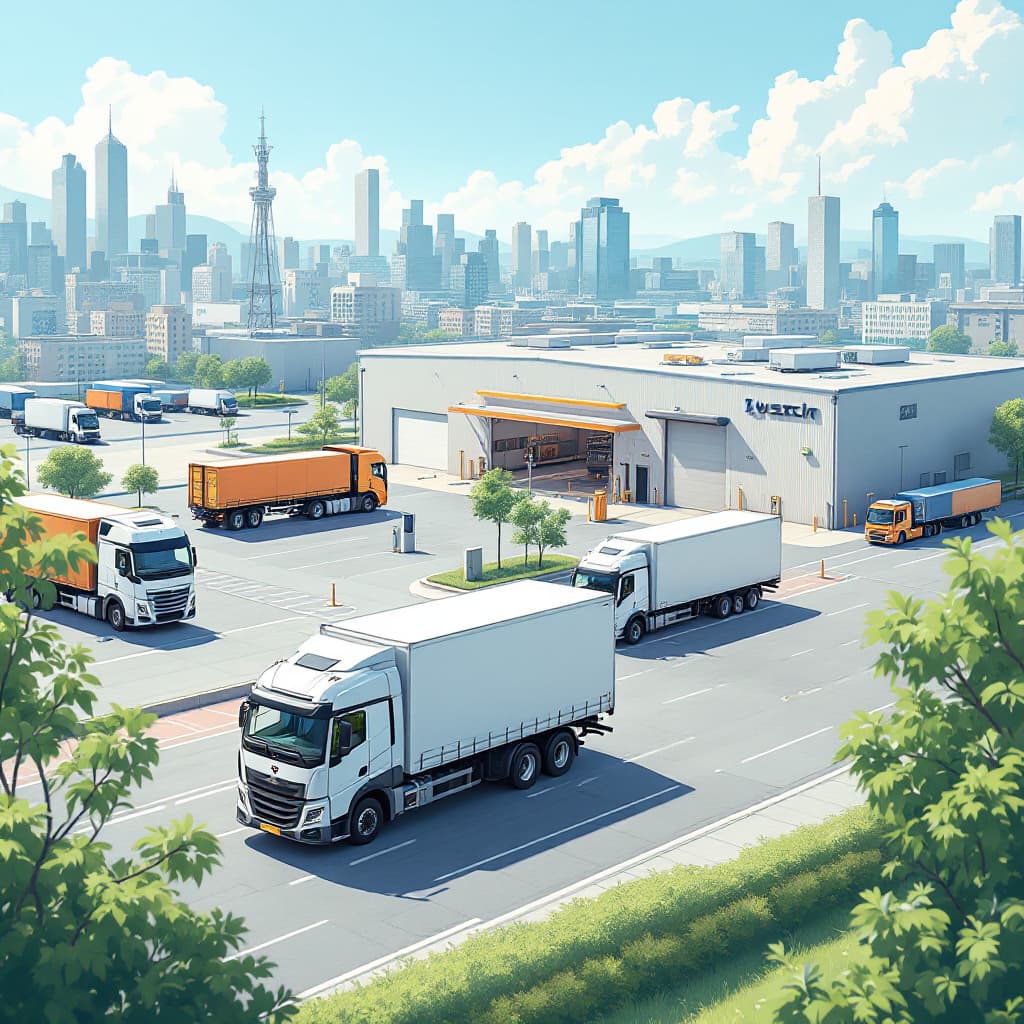
Electric Vehicles in Logistics: The Future of Transportation
Electric vehicles are emerging as a key solution, providing a sustainable and cost-effective future for transportation . Modern logistics faces challenges related to rising fuel costs, tightening environmental regulations, and the need to reduce CO₂ emissions. More companies are transitioning to electric fleets to reduce expenses, improve environmental impact, and comply with new regulatory requirements. Why Are Electric Vehicles Important for Logistics? Environmental Sustainability – EVs reduce greenhouse gas emissions and air pollution. Economic Efficiency – Electricity is cheaper than fuel, and maintenance costs are lower. Regulatory Compliance – Governments enforce strict emission

Impact of COVID-19 on Global Logistics
The impact of COVID-19 on global logistics was profound, disrupting supply chains and forcing businesses to adapt. Lockdowns, travel restrictions, and shifting consumer demand created significant challenges. This article examines how the impact of COVID-19 on global logistics changed industry practices and what strategies companies used to build resilience. Immediate Supply Chain Disruptions At the pandemic’s start, factory shutdowns halted production worldwide. Shortages of essential goods, including medical supplies and PPE, followed. At the same time, e-commerce demand surged, adding pressure to supply networks. The impact of COVID-19 on global logistics became clear as companies

Cybersecurity in Logistics
In today's interconnected world, cybersecurity in logistics is a critical concern as the industry increasingly relies on digital technologies to manage complex supply chains. While these advancements enhance efficiency, they also expose companies to significant cybersecurity risks. Protecting sensitive data within the logistics sector is paramount to maintaining operational integrity and customer trust. The Importance of Cybersecurity in Logistics Logistics companies handle vast amounts of sensitive information, including personal customer details, financial records, and proprietary business data. A breach can lead to severe consequences such as financial loss, reputational damage, and
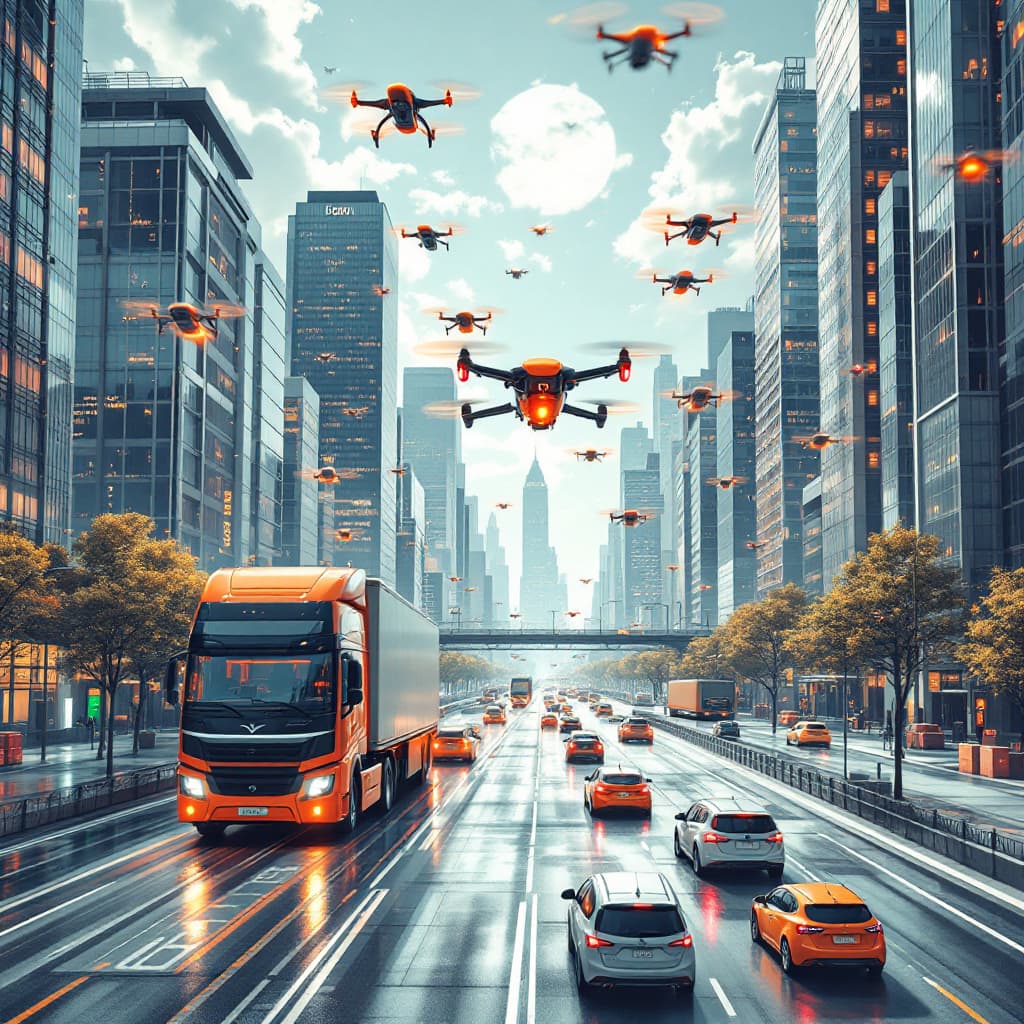
Drones and Autonomous Vehicles in Transportation: Trends
In the 21st century, drones and autonomous vehicles in transportation have transformed mobility, logistics, and urban planning. These technologies improve efficiency, safety, and sustainability while reducing costs and delivery times. This article explores the latest trends, innovations, and challenges in drones and autonomous vehicles in transportation and how they shape mobility’s future. The Role of Drones in Modern Transportation Drones in transportation now serve beyond military applications. They are widely used in logistics, last-mile deliveries, and urban air mobility. Cargo Delivery with Drones Drones in logistics streamline last-mile deliveries. Companies use drone technology to

Big Data in Optimizing Logistics Processes
Enter big data—your new best friend for streamlined operations. In the bustling world of logistics, every second counts. Efficiency and cost-effectiveness are essential. This powerful tool is reshaping how logistics companies function. It enables real-time decisions that enhance supply chain visibility and boost customer satisfaction. Let’s explore how this technology is revolutionizing logistics processes and the incredible benefits it offers. What is Big Data in Logistics? Big data refers to the vast amounts of structured and unstructured information generated from various sources. These include GPS tracking, Internet of Things (IoT) devices, customer transactions, and warehouse
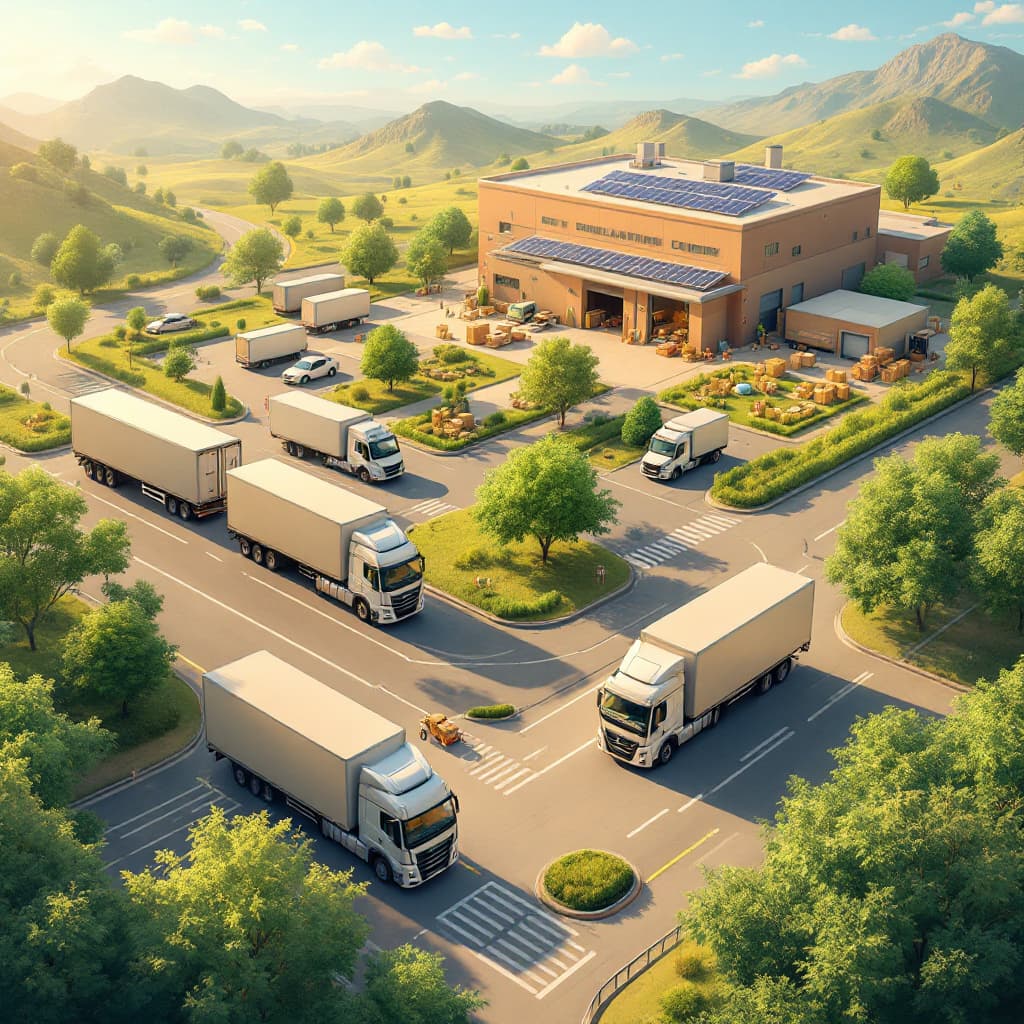
Sustainable Development in Logistics: Care for the Planet
Sustainable development is now a key priority for many industries, including logistics. Companies work to minimize their environmental impact by adopting eco-friendly technologies, optimizing routes, and reducing their carbon footprint. This article explores how logistics companies protect the planet and the role of sustainability in the industry's future. Major Environmental Challenges in Logistics Logistics plays a crucial role in the economy but also harms the environment. Key challenges include: High CO₂ emissions – Freight transport relies on fossil fuels, causing air pollution. Use of non-renewable resources – Many logistics operations depend on materials and fuels that contribute to
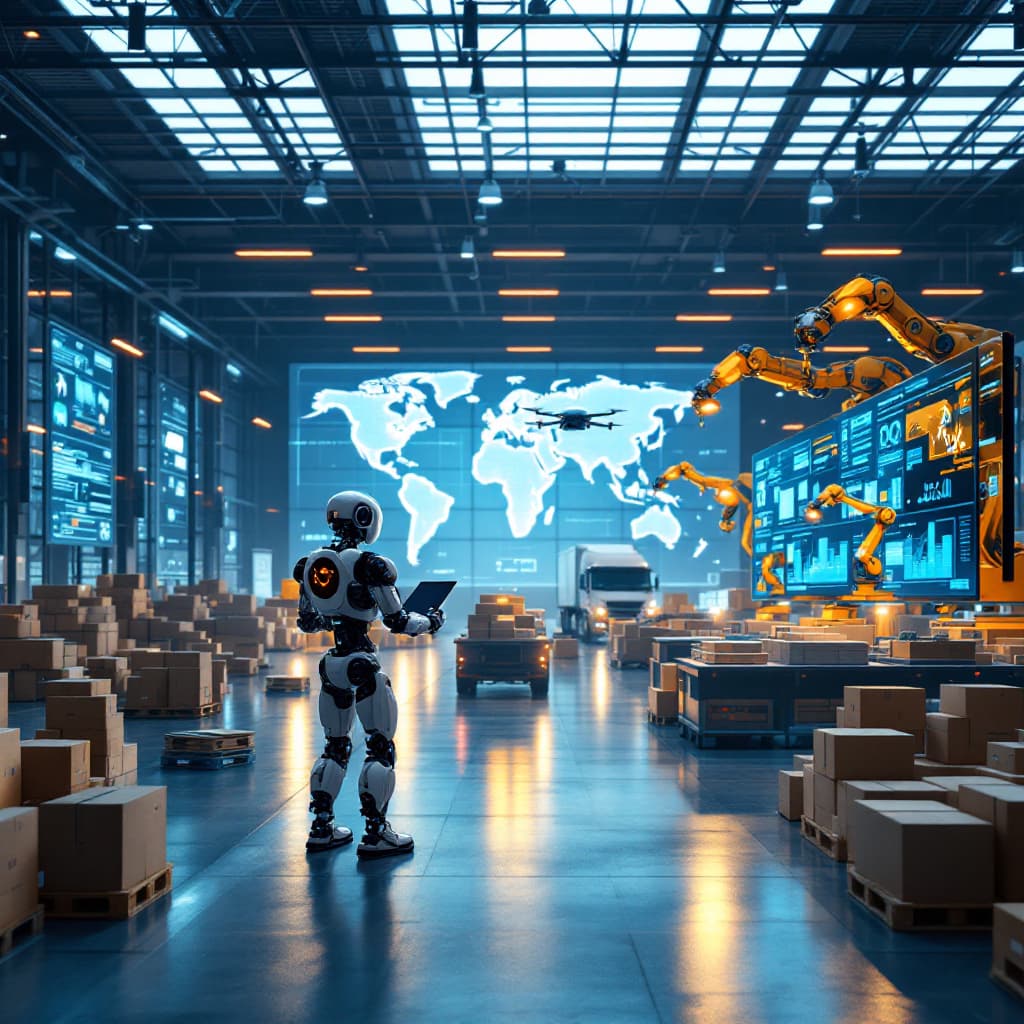
How to Use Artificial Intelligence (AI) in Logistics
Artificial Intelligence (AI) is changing the logistics industry. It streamlines operations, cuts costs, and boosts efficiency. By integrating AI into logistics , companies can automate decisions, predict demand, and improve deliveries. Let’s look at how AI enhances logistics and supply chain management. 1. AI in Route Optimization AI systems optimize routes by analyzing real-time data. They consider traffic, weather, and historical trends to find the best delivery paths. Machine learning helps these algorithms adapt quickly, reducing fuel use and delivery times. Companies like Amazon and FedEx use AI to enhance last-mile delivery, ensuring goods arrive on time. 2. Warehouse Automation with
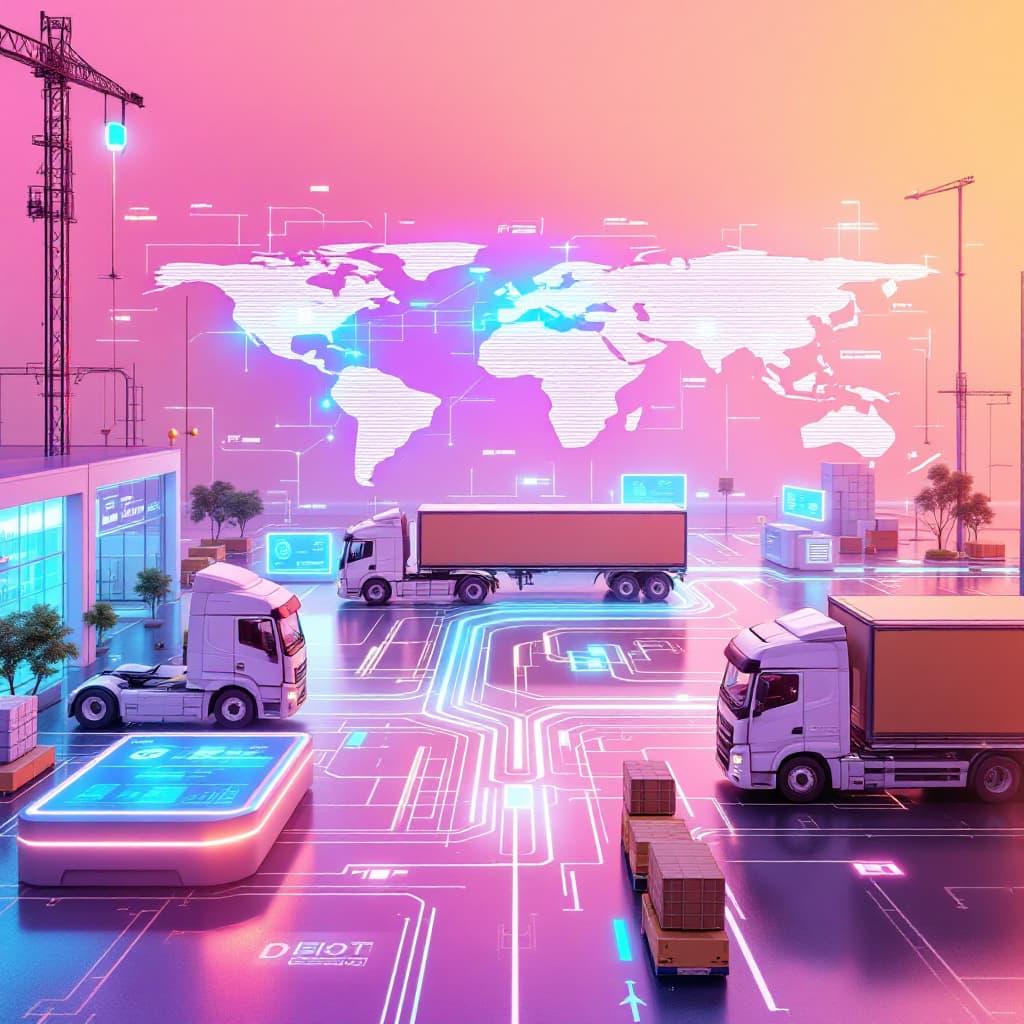
Internet of Things (IoT) in Logistics: How It Works
Modern logistics processes are complex and require speed and accuracy. The Internet of Things (IoT) enhances logistics efficiency by providing continuous monitoring and optimization throughout the supply chain. IoT consists of interconnected devices that transmit data in real time. In logistics, this includes IoT-enabled sensors, GPS trackers, RFID tags, and smart cameras. These tools help companies track the condition and location of goods, manage inventory, and optimize routes. Key Applications of IoT in Logistics Cargo and Transportation Tracking IoT allows companies to monitor the movement of goods in the supply chain. Sensors, GPS trackers, and RFID tags provide information about