앱 다운로드


저자
제임스 밀러는 글로벌 물류 및 공급망 역학을 전문으로 합니다. 그의 조사 업무는 현대 상거래를 형성하는 국제 무역의 복잡성, 인프라 문제, 기술 발전에 대해 탐구합니다. 그는 공급망 운영에 있어 지속 가능한 관행과 투명성을 옹호합니다.

Understanding the Current Turbulence in Global Shipping and Its Impact on Freight Logistics
Global shipping is currently navigating through choppy waters as various external pressures increasingly strain the industry.

SolitAir Teams Up with Hactl to Start Freighter Operations at Hong Kong Airport
Hong Kong is welcoming a fresh player in its bustling air cargo sector as SolitAir selects Hong Kong Air Cargo Terminals Limited (Hactl) to support its new freighter operations.

How Shared Truckload Enhances E-commerce Shipping Efficiency and Growth
In the fast-paced world of e-commerce, sellers face a logistical maze that demands precision and flexibility.
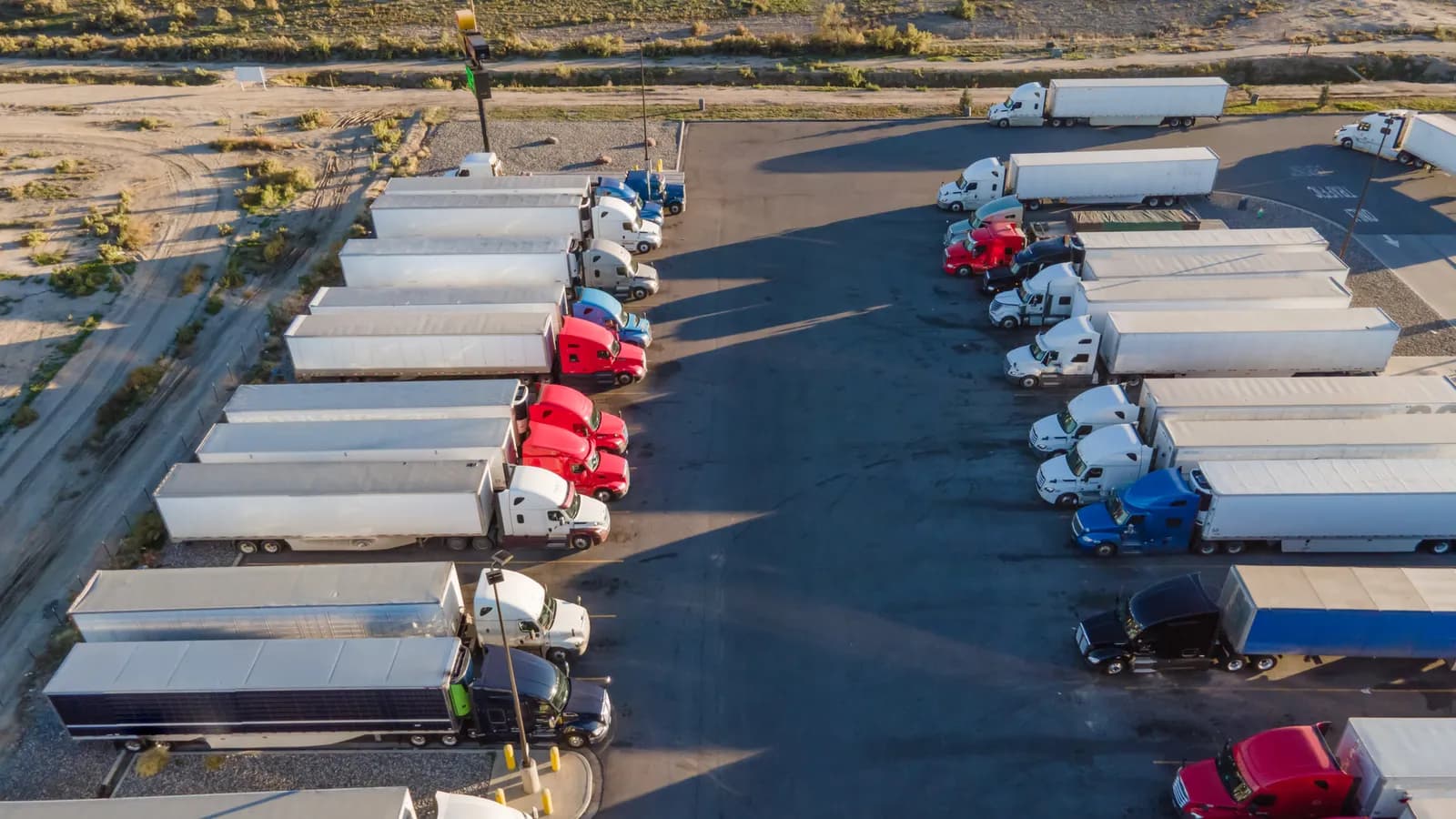
How Commercial Auto Insurance Premium Increases in Q2 2025 Affect Logistics and Freight Costs
The business world is witnessing a notable climb in commercial auto insurance premiums, which jumped 8.8% sequentially in the second quarter of 2025.

노동부의 2024년 독립 계약자 규칙 폐지 계획이 트럭 운송 및 화물 산업에 미칠 영향
노동부의 독립 계약자 규정 철회 분석 미국 노동부는 2024년 독립 계약자 규정, 즉 근로자가 독립 계약자인지 직장인지를 고용주가 분류하는 방법에 관한 2021년 기준을 대체했던 규정을 철회할 예정입니다. 이러한 정책 전환은 트럭 운송 단체와 화물 물류 운영업체에 큰 영향을 미치는 중요한 순간입니다. 이러한 변화는 자영업자 및 전체 운송 산업에 직접적인 영향을 미치므로 이해하는 것이 중요합니다. 규정 내용: 2021년 대 2024년 기준 논쟁의 핵심은 근로자 분류를 결정하는 데 "경제적 현실 테스트"가 어떻게 적용되는지에 있습니다. 2021년

Volvo Achieves Over One Million Connected Trucks Worldwide to Enhance Fleet Management and Efficiency
Volvo Trucks has hit a major milestone with over one million of its vehicles now digitally connected around the globe.

Understanding Car Insurance Costs in 2025 and What Makes Them Rise
Buying car insurance in 2025 feels a bit like shopping online with a full cart—you've got to balance what you need against what you can realistically spend.

Circle K Enhances Payment Options for Truck Fleets with Relay’s Digital Solution
Circle K is stepping up its game for truck fleets by integrating Relay Payments’ digital payment system at over 500 of its truck-accessible locations.

FMCSA to Cut Off Paper Payments for Trucking Fees from September 30, Changing How Carriers Process Payments
The Shift in FMCSA Payment Methods Starting September 30, the U.S. Federal Motor Carrier Safety Administration (FMCSA) will officially stop accepting paper payments such as cheques and money orders for all agency-related fee transactions. This marks a significant change for fleets and trucking companies who are used to mailing in payments for things like initial registrations, fee reinstatements, legal name changes, and civil penalty settlements. What Transactions Are Affected? Every fee-based transaction handled by the FMCSA will now require online or electronic payment methods. This includes: Initial operating authority registrations Reinstatements of suspended or revoked authority Legal

Investigating Methane Emissions of LNG Ships Reveals Lower Levels Than Previously Estimated
When it comes to ship emissions, methane has often been the elephant in the room, particularly for vessels powered by liquefied natural gas (LNG).
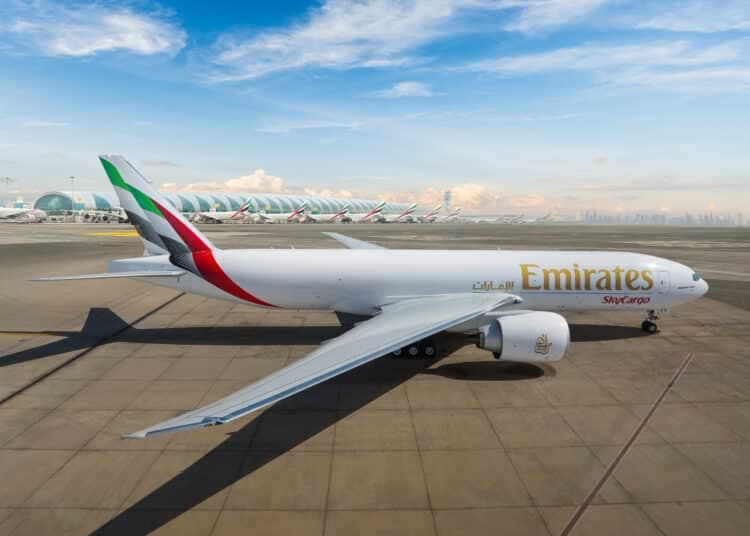
Strategic Collaborations Among Air Cargo Carriers Boost Route Networks and Operational Efficiency
In the fast-paced world of air freight, carrier alliances and partnerships have become indispensable strategies for expanding route networks and meeting the ever-shifting demands of global markets.

How Modern Supply Chain Education is Shaping Resilience and Risk-Ready Leaders for Tomorrow
Adapting Supply Chain Education to Meet Today's Challenges The world of supply chain management isn’t what it used to be. With disruptions hitting harder and faster—from natural disasters to global health crises—businesses need a fresh breed of leaders armed with more than just traditional logistics tactics. This piece delves into how universities and institutions are revamping their supply chain programs, placing resilience and risk readiness at the forefront of education. Why Resilience Has Become the New Mantra Supply chain volatility isn’t a new story, but its frequency and intensity sure have amped up in recent years. Situations like the COVID-19 pandemic and global trade fluctuations
