앱 다운로드


Author
James Miller specializes in global logistics and supply chain dynamics. His investigative work explores the intricacies of international trade, infrastructure challenges, and technological advancements shaping modern commerce. He advocates for sustainable practices and transparency in supply chain operations.
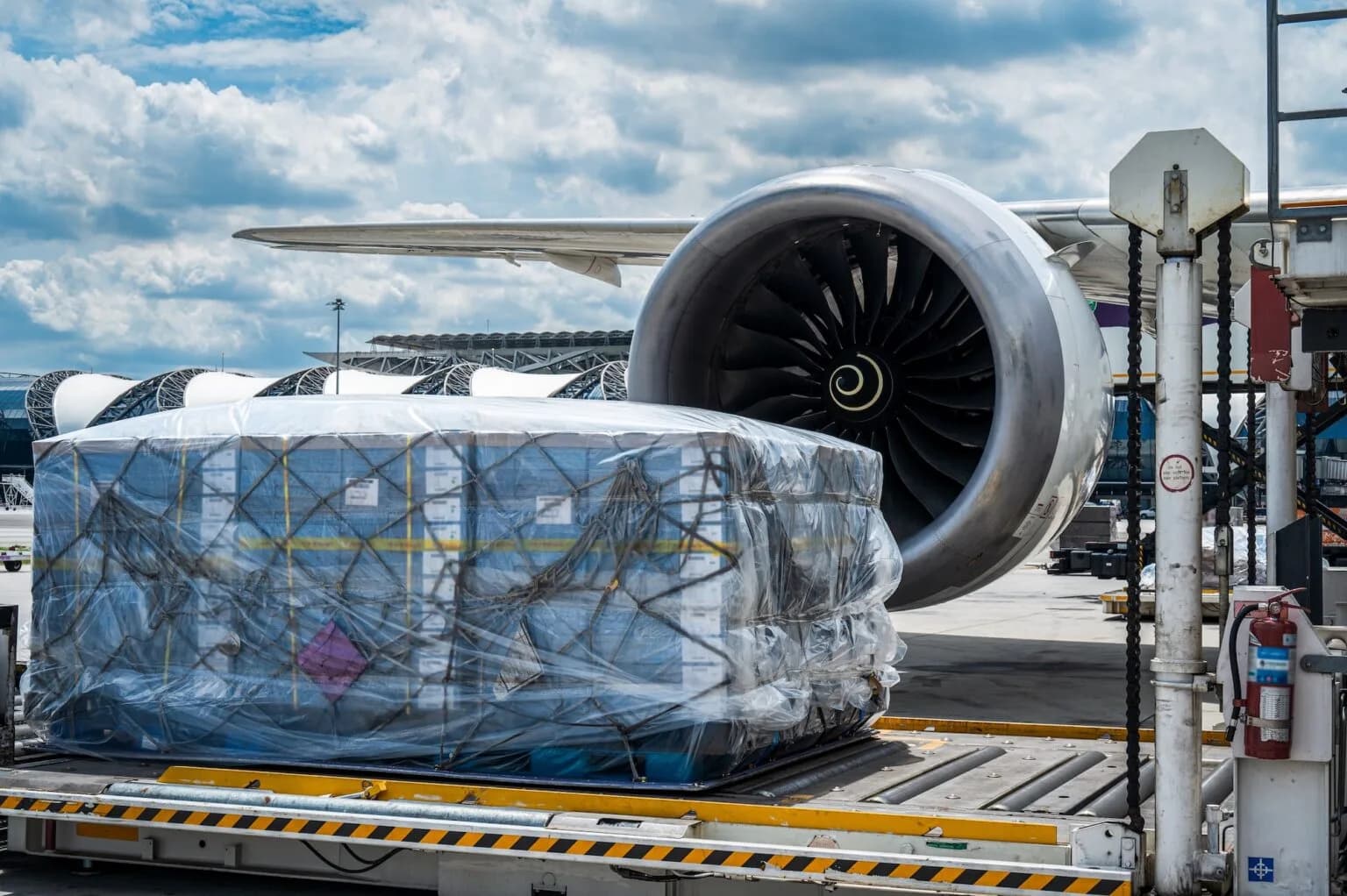
Early 2026 air cargo stabilisation as Asia-Pacific, CSA and MESA support volume recovery
Worldwide chargeable weight rose by +1% in week 4 (19–25 January 2026), powered by a +2% weekly increase from Asia‑Pacific origins and a +10% spike from Central & South America (CSA), even as severe winter storms knocked North America volumes down by -9% week‑on‑week.

From KLM to Etihad Cargo: Andy Newbold on commercial strategy, odd cargo and logistics lessons
After 35 years with Air France KLM Martinair Cargo, Andy Newbold relocated to Abu Dhabi to take the helm of commercial operations at Etihad Cargo, a move that immediately affects slot allocation, freighter network planning and sales strategy across the Gulf and beyond.

2026 Logistics Outlook: How Rules, AI, and Partner Strategy Reshape Parcel and Freight
Carrier capacity has broadly normalized across full truckload and less-than-truckload markets, and on-time delivery metrics have recovered to pre-crisis ranges, but cost predictability has not.

February 2026: Truckload Supply Squeeze, Reefer Volatility and Intermodal Upside
Spot truckload rates and tender rejection rates stayed elevated through February 2026, even though tender volumes ran roughly 6–7% below year-ago levels — a clear signal that the market shift is supply-driven rather than demand-led.

How US tariff increases are reshaping African air cargo, hubs and intra‑continental trade
The recent US tariff increase has raised landed costs for African airfreight bound for the United States by an estimated US$0.30–0.50 per kilogram on many perishables and light electronics, reducing exporter margins by up to 20%, prompting order cancellations and forcing carriers and forwarders to rework load planning and pricing models immediately.

How Nearshoring and Policy Shifts Are Rewiring North American Airfreight Networks
North American air cargo capacity now exceeds 100 weekly flights connecting Canada with the Asia‑Pacific region while northbound airfreight from Mexico into the United States and Canada has risen materially, driving renewed demand for temperature‑controlled space at YYZ and LHR and forcing carriers to reallocate lift and gateway resources.

How King Salman International Airport (KSIA) will remodel cargo routing, capacity and supply‑chain links
KSIA is being developed to capture growing transcontinental cargo flows by combining airfreight handling with passenger operations, regional feeder services and international trade lanes to reduce transit times and improve throughput across the Europe–Asia–Africa corridor.

CONFEBUS urges stronger public support, coordination and fleet renewal to secure the bus network’s future
At the joint meeting held on 29 January 2026 at the Ministry of Transport and Sustainable Mobility, CONFEBUS and the Department of Passengers of the CNTC reported a 6.2% increase in passenger demand through November 2025, highlighting immediate capacity and funding pressures for regional and intercity bus services.

Menzies Aviation’s MACH deployment, MILE e‑commerce push and US expansion reshape cargo handling
Menzies Aviation has deployed the MACH cargo management platform across more than 44 airports and is integrating Truck Visit Management (TVM) with Nallian to cut truck dwell times and smooth landside flows, while preparing to roll out its MILE e‑commerce solution to additional markets from late 2025.

How ageing Ilyushin, Antonov and retrofitted Boeings are reshaping Russian air-cargo logistics
Russian cargo carriers operating Soviet-era Ilyushin and Antonov freighters alongside retrofitted Boeing 747-400F, 767-300F and 737-800BCF types are reporting stretched maintenance cycles and declining dispatch reliability as certified spare parts from Western OEMs remain difficult to source.

How volumetric metrics and rate-spread visibility are reshaping air-cargo planning
WorldACD aggregates data from over 115 airlines, representing roughly 90 percent of global air cargo volumes outside integrators, and now includes volumetric metrics alongside weight and rate-spread visibility.

Elevated NTI and Tender Rejections Point to a Fundamentally Different Truckload Market
The National Truckload Index (NTI) hit $2.71/mile in January, inclusive of fuel, while the SONAR Tender Rejection Index climbed past 13%, a level that historically signals acute capacity strain and upward pressure on spot rates.
