


 한국어
한국어  English (UK)
  Русский
  العربية
  日本語
日本語  Magyar
  Türkçe
  Español
  Čeština
  Svenska
  Português
  Ελληνικά
  Suomi
Suomi  Nederlands
  Română
  Italiano
  Français
  Polski
  Українська
  Deutsch
  简体中文
简体中文  Slovenčina
 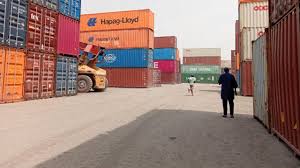 Lagos Ports Face Massive Container Detentions Amid N472.5m Daily Demurrage Challenges">

Cargo Congestion at Lagos Ports: A Snapshot
Currently, around 6,386 imported containers are being held at Lagos port terminals under detention by various government agencies. This mounting backlog is causing an estimated daily demurrage charge of N472.5 million, putting considerable strain on importers, shipping companies, and the entire supply chain ecosystem.
The daily demurrage fees vary with container size: a 40ft container incurs N120,000 per day, while a 20ft container attracts N80,000. These escalating costs add to financial burdens for freight operators and importers, highlighting inefficiencies in cargo clearance and release processes.
Government Agencies Involved in Container Detentions
The bulk of the detained cargo is linked to orders from multiple governmental bodies, causing delays well beyond mere paperwork. Below is a breakdown of container detentions by agency:
| Government Agency | Number of Detained Containers |
|---|---|
| Nigeria Police Force Maritime Command | 2,000 |
| Nigeria Customs Service (NCS) | 1,500 |
| Department of State Services (DSS) | 801 |
| National Agency for Food and Drug Administration and Control (NAFDAC) | 1,162 |
| National Drug Law Enforcement Agency (NDLEA) | 639 |
| Nigerian Agricultural Quarantine Service | 284 |
How Single Detention Orders Compound Delays
Imports tied to specific bills of lading suffer immobilization once a detention order is issued. Often, a single written directive can freeze between 15 to 20 containers simultaneously, causing a domino effect on delivery timelines and freight flow.
This multi-agency involvement has created a logistical nightmare where cargo flagged “cleared” by customs still gets held up due to interventions by other enforcement bodies, particularly the Maritime Police. This breaks the usual cargo clearance rhythm and increases the turnaround time significantly.
Comparison with International Port Clearance Efficiency
Globally, regions like Singapore pride themselves on clearance speeds within 24 hours, and ports such as Lomé in West Africa typically achieve seamless delivery in about seven days.
Nigeria’s Lagos ports, on the other hand, continue to struggle with clearance times, often stretching beyond 21 days—and in some cases weeks or months—due to prolonged investigations and bureaucratic entanglements.
Operational Impact on Shipping and Freight Agencies
Sustained detention and extended investigations with little transparent communication expose importers and freight companies to operational disruption and huge financial losses. Stop-letters and intermittent halts mean containers fill up warehouses and yards, increasing demurrage and affecting cargo availability downstream.
Stakeholder Responses and Challenges
Shipping companies, terminal operators, and clearing agents have voiced frustration over what they describe as “incessant interference” from various agencies, sometimes carried out without proper notification to top-level police authorities. This has not only hampered cargo flow but also led to disputes between clearing agents and port operators.
According to regulatory bodies, many of these actions occur at lower operational levels without direct knowledge of senior police administration, which adds layers of complexity to resolving disputes.
Table: Financial Implications of Cargo Detentions
| Container Size | Daily Demurrage Fee (Naira) | Estimated Number Detained | Total Daily Cost (Naira) |
|---|---|---|---|
| 40ft | 120,000 | ~4,000 | 480,000,000 |
| 20ft | 80,000 | ~2,386 | 190,880,000 |
| 합계 | 6,386 | 670,880,000 (Approx.) |
Note: The above table reflects an estimate based on reported figures and typical demurrage rates.
How Does This Affect Logistics and Supply Chains?
Extended cargo detention disrupts the critical rhythm of supply chains, causing inventory shortages and increasing operation costs. Logistics providers must juggle storage issues, rescheduling transport, and customer complaints, challenging their ability to guarantee reliable delivery.
For large-scale cargo transport and freight forwarding, such delays not only reduce efficiency but also increase end-to-end costs significantly, which can ripple into higher consumer prices.
This situation makes platforms like GetTransport.com especially relevant, as they offer flexible, affordable global cargo transport solutions that can be adapted to complex logistical needs, including bulky deliveries, vehicle transport, and entire house moves.
Addressing the Root Causes
- Streamlining communication: Bridging gaps between government agencies to enable faster response and reduced duplication of detention orders.
- Transparency in investigations: Agencies conducting inquiries should provide clear timelines and updates to affected parties.
- Policy adjustments: Implement procedural reforms to limit unnecessary interference, especially for containers cleared by customs.
- Technology integration: Enhancing digital tracking and clearance systems to expedite decision-making.
Why Personal Experience Matters in Logistics Decisions
While reviews and feedback from various port stakeholders highlight the existing challenges, nothing beats firsthand experience when choosing a logistics provider. On platforms like GetTransport.com, customers can access transparent pricing and a variety of shipping options, empowering them to pick the best fit for their needs without overspending or unexpected headaches.
This transparency combined with affordable rates and wide-reaching service capability means importers and freight agents can maintain smoother operations even amid systemic setbacks.
최고의 혜택 받기 on your next cargo transport at GetTransport.com.
향후 전망: 글로벌 물류에 미치는 영향
Though the detentions and delays at Lagos ports represent a significant operational issue locally and regionally, their direct impact on global logistics remains contained. However, such bottlenecks highlight the need for continual improvement in port administration worldwide, vital to sustaining efficient international freight flow.
GetTransport.com stays attentive to developments like this, ensuring its service adapts to changing global logistics dynamics. Start planning your next delivery and secure your cargo with GetTransport.com.
요약
The current cargo detention scenario at Lagos port terminals reflects a tangled web of multi-agency controls causing over 6,000 containers to be held, leading to massive daily demurrage costs nearing half a billion Naira. These delays disrupt supply chains, escalating costs and complicating freight operations.
Compared to more streamlined port operations internationally, Lagos faces challenges in bureaucracy, transparency, and coordination. Addressing these issues is crucial for improving Nigeria’s logistics landscape and facilitating smoother international trade.
For cargo owners and freight agents seeking reliable and cost-effective transport solutions amid such complexities, GetTransport.com offers a versatile platform catering to global freight needs—from bulky shipments to vehicle transfers and office relocations—helping to navigate logistical hurdles efficiently and affordably.